The global e-commerce landscape has undergone a seismic shift over the past 24 months. Triggered by a global pandemic that forced brick-and-mortar operations to shutter and consumers to pivot toward home-based shopping, the digital retail sector has moved from a "growth phase" to a "maturation phase." As we move deeper into this new era, the ease with which businesses once captured market share is vanishing. Today, success is no longer about simply having a website; it is about strategic agility, technological integration, and an unwavering commitment to consumer values.
For small and medium-sized businesses (SMBs), the message is clear: adapt or become obsolete. To maintain a competitive edge, entrepreneurs must understand the five primary pillars defining modern e-commerce.
1. The Battle for Attention: Hyper-Competition in the Digital Marketplace
The barrier to entry for e-commerce has never been lower, which is a double-edged sword for established retailers. Platforms like Shopify, Etsy, and TikTok have democratized retail, allowing hobbyists and side-hustlers to transform into legitimate competitors overnight.
The Shift Toward Hybrid Models
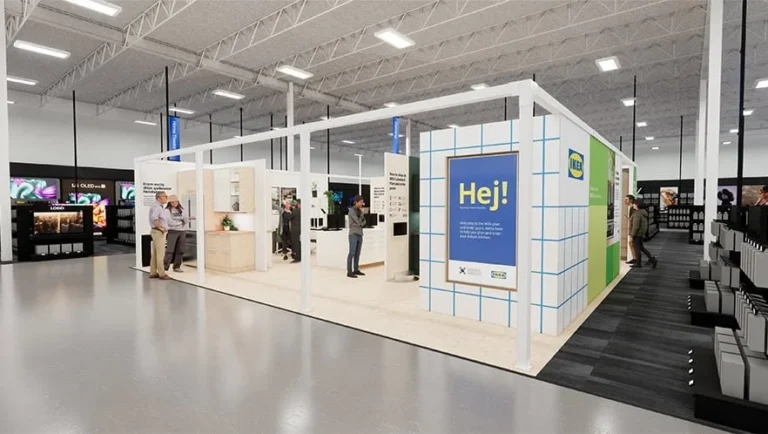
The competition is no longer restricted to digital-native brands. Traditional brick-and-mortar giants—from local boutiques to massive retailers like Walmart—have aggressively adopted hybrid commerce models. This convergence means that a small online store is now competing with a local shop that has the benefit of physical community trust, as well as global conglomerates that possess massive logistics networks.
Strategic Implications
According to a survey by Shopify, 40% of businesses expect intensified competition to act as a significant barrier to their growth objectives. To counter this, business owners must conduct a rigorous, updated competitor analysis. The market of 2024 looks nothing like the market of 2019. Differentiation is now the primary currency. Whether through hyper-niche product development, superior brand storytelling, or exclusive loyalty programs, businesses must clearly articulate why they exist in a crowded ecosystem.
2. Social Commerce: The New Virtual Storefront
We have officially moved past the era of social media as a mere "advertising channel." Today, social media is a primary point of sale. Consumers are increasingly bypassing traditional websites to complete transactions directly within the apps they frequent daily.
The Power of In-App Purchasing
Data from Sprout Social indicates that approximately 35% of consumers have completed a purchase directly through a social media platform. This shift necessitates a move toward "Social Commerce," where the user journey—from discovery to payment—occurs without leaving the platform.
Leading Tools for Social Integration
- Shopify and TikTok Shopping: The synergy between these two platforms has revolutionized influencer-led marketing. Retailers can sync product catalogs to their TikTok profiles, creating an immersive shopping experience that converts passive viewers into active buyers.
- Sprout Social: While primarily a management tool, Sprout Social provides the data analytics required to tailor social ads, allowing businesses to retain customer data and personalize the shopping experience, which is critical for long-term customer retention.
3. Sustainability: From Niche Appeal to Consumer Expectation
Sustainability has transitioned from a "nice-to-have" corporate social responsibility initiative to a baseline consumer demand. Modern shoppers, particularly Gen Z and Millennials, are increasingly voting with their wallets, prioritizing brands that demonstrate ethical manufacturing and environmental stewardship.
The Environmental Mandate
Capgemini reports that 79% of consumers are actively altering their shopping habits based on the environmental impact of their purchases. Furthermore, the push to eliminate single-use plastics has become a central concern, with 61% of consumers reporting a conscious reduction in plastic usage.
Practical Steps for SMBs
Sustainability does not require an immediate, capital-intensive overhaul of the supply chain. Businesses can start by introducing a sustainable "green line" of products. Additionally, auditing packaging is a high-impact, low-cost move. Moving away from excessive, multi-layered "unboxing" packaging—which is increasingly viewed as wasteful—toward minimalist, eco-friendly materials is both environmentally responsible and cost-effective. Utilizing QR codes on packaging can replace paper inserts for promotions, further reducing the environmental footprint while driving digital engagement.
4. The Logistics Challenge: The "Amazon Effect"
Perhaps the most daunting challenge for small businesses is the expectation of high-speed, low-cost fulfillment. Despite their desire to support small businesses, modern consumers have been conditioned by giants like Amazon and Target to expect free, two-day shipping.
The Cost of Delivery
Shipping costs are the primary driver of cart abandonment. Easyship notes that 61.8% of buyers weigh shipping costs above all other factors, and 73% will abandon a purchase entirely if the delivery fees are deemed excessive.
Bridging the Gap
SMBs must find creative ways to offset these costs without sacrificing margins:
- Transparent Shipping: If you cannot offer free shipping, be upfront about costs early in the process to prevent checkout friction.
- Loyalty-Based Shipping: Offer free shipping as a reward for loyalty program sign-ups or for reaching a specific order threshold, which helps increase the Average Order Value (AOV).
- Local Pickup: For businesses with physical footprints, "Buy Online, Pick Up In-Store" (BOPIS) remains a powerful way to eliminate shipping costs while driving foot traffic.
5. Artificial Intelligence: Scaling Customer Service
Staffing shortages and the need for 24/7 responsiveness have made Artificial Intelligence (AI) an essential utility rather than a futuristic luxury. AI-driven tools are now the standard for managing repetitive, high-volume customer inquiries.
The Rise of Conversational AI
Chatbots have evolved beyond basic FAQ responders. Modern AI, such as that provided by Kindly or Genesys DX, utilizes Natural Language Processing (NLP) to provide personalized product recommendations and resolve complex customer issues in real-time. LucidWorks found that 55% of shoppers in the U.S. and U.K. specifically desire chatbot assistance to find products, proving that customers prefer the speed of an AI assistant over waiting for a human agent.
Impact on the Bottom Line
The financial benefits are tangible. Retailers like Dressmann have reported a 17% increase in AOV after implementing conversational AI. Furthermore, AI tools can proactively address cart abandonment by triggering personalized recovery sequences, potentially recapturing a significant portion of the 70% of carts that are typically abandoned at checkout.
The Path Forward: A Culture of Flexibility
The common thread connecting these trends is the need for operational flexibility. The e-commerce environment is inherently volatile. The strategies that worked in 2022 are being refined in 2024, and they will likely be obsolete by 2026.
To succeed, business owners must:
- Monitor the Data: Use tools like Google Analytics, Shopify reports, and social media insights to track shift-points in consumer behavior.
- Prioritize the Customer Journey: Every touchpoint—from an Instagram ad to the final unboxing of the product—must be optimized for ease and value.
- Invest in Scalable Technology: Choose platforms that offer integrations, allowing your tech stack to grow alongside your business.
In conclusion, the e-commerce boom of the last two years was merely a catalyst. The real work—building a resilient, customer-centric, and technically sophisticated brand—is only just beginning. By embracing AI, refining logistics, and leaning into the values of a more conscious consumer base, small businesses can move beyond mere survival and establish a lasting footprint in the global digital economy.
About the Author