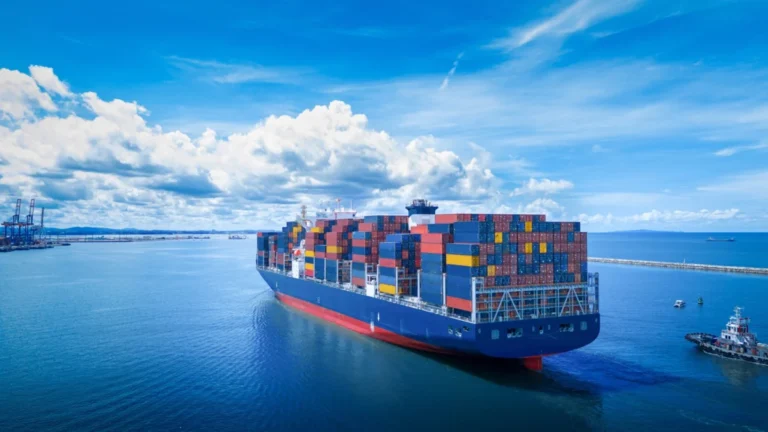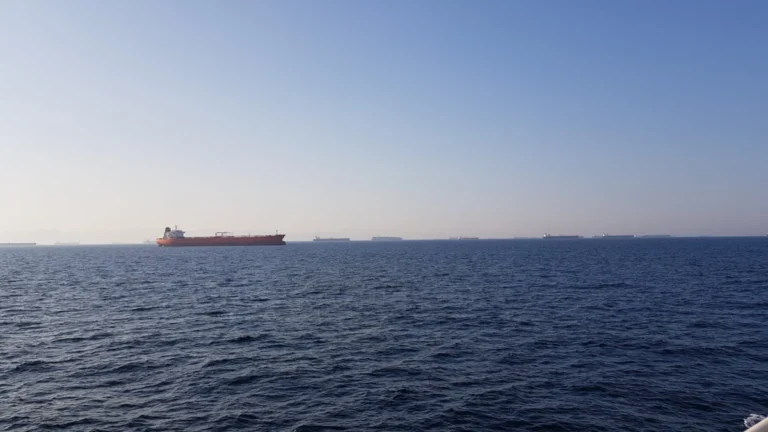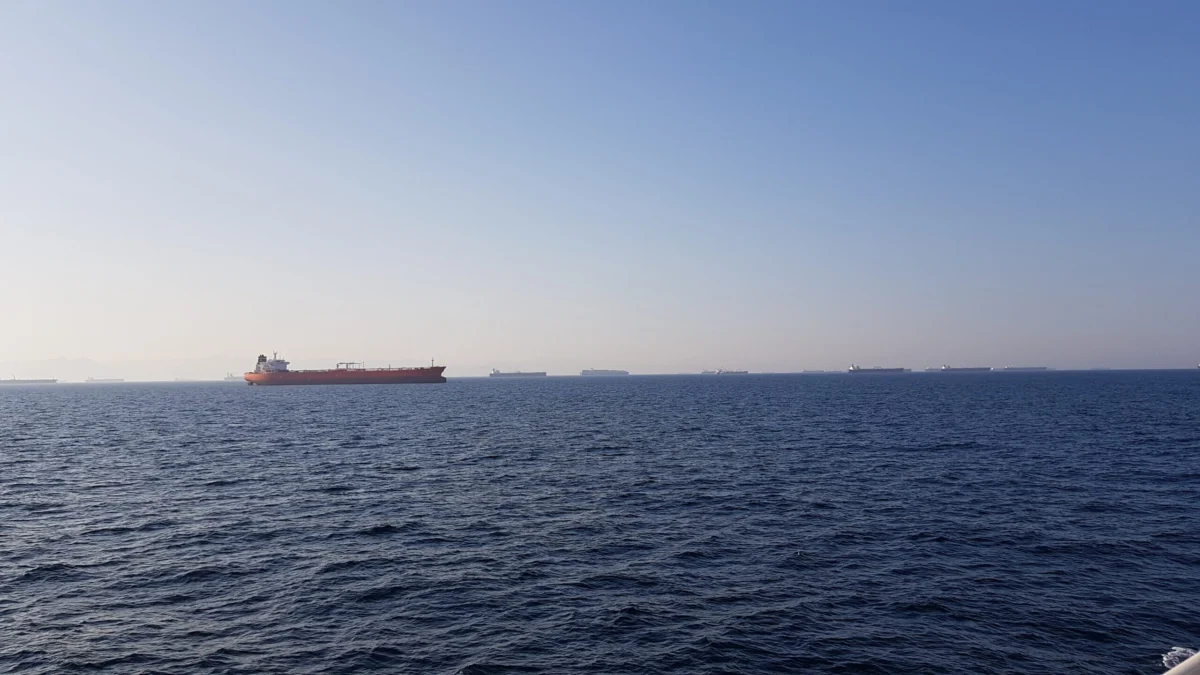
The strategic waters of the Strait of Hormuz, the world’s most critical maritime oil chokepoint, have once again become the focus of a stern warning from the United States military. On Wednesday, the U.S. Naval Forces Central Command (NAVCENT), operating through the Joint Maritime Information Center (JMIC), issued an advisory urging commercial vessels to avoid unnecessary transits through the waterway and the adjacent Gulf of Oman.
The directive reflects a rapidly deteriorating security environment in the region, where the intersection of U.S.-led blockade enforcement and an uptick in regional hostility has created a high-stakes arena for global energy logistics. As military operations intensify, the U.S. has signaled that even neutral vessels, carrying non-sanctioned cargo, may be subject to boarding, questioning, and invasive inspections, adding a new layer of complexity to an already volatile trade route.
The Current Advisory: A Strategic Precaution
The latest U.S. advisory is characterized by its bluntness. While the military stopped short of issuing a formal closure of the Strait, the recommendation for vessels to remain clear of the area unless absolutely necessary constitutes a significant departure from standard maritime operational guidance.
For those vessels that must transit the corridor, the U.S. Navy has advised operators to build significant “buffer time” into their voyage schedules. The warning cites "increased traffic" and "military blockade enforcement operations" as the primary drivers for expected delays. This advisory is not merely administrative; it serves as a warning that the operational landscape of the Persian Gulf is being reshaped by the presence of carrier strike groups and enforcement vessels tasked with strangling Iranian energy exports.
Chronology of Escalation: From July to the Present
The recent advisory is not an isolated incident but rather the latest chapter in a broader, sustained campaign of maritime containment. To understand the current climate, one must look at the timeline of the ongoing conflict:
- Mid-July: The United States initiated a formal blockade strategy targeting Iranian shipping. At this stage, U.S. officials emphasized that neutral vessels would maintain freedom of navigation, provided they submitted to questioning regarding their origins, destinations, and cargo manifests.
- Late Summer: As the blockade took hold, Iran’s crude exports began to plummet, approaching near-zero levels. In retaliation, regional proxies and state-linked actors ramped up harassment campaigns against commercial shipping.
- October Surge: The month of October marked a tactical escalation. According to intelligence reports, Iran-linked attacks on commercial vessels reached nearly 30 incidents—the highest monthly frequency since the inception of the conflict. These attacks have ranged from drone strikes and limpet mine placements to sophisticated electronic warfare and physical boarding attempts.
- Current Status: With the November issuance of the new advisory, the U.S. military has formally acknowledged that the risks to commercial shipping have reached a threshold that necessitates a reduction in traffic volume.
The Logistics of Resilience: Tanker Traffic Patterns
Despite the persistent threat of kinetic action, the global oil market has demonstrated a surprising degree of resilience. Recent shipping data indicates that tanker traffic through the Strait of Hormuz has actually recovered to levels approaching those seen before the conflict began.
The Rise of the "Shuttle" Model
This recovery is largely attributed to a tactical shift in logistics. Many shipping companies have adopted a "shuttle tanker" model to mitigate risk. In this arrangement, smaller, agile tankers ferry crude oil from Persian Gulf loading terminals to the Gulf of Oman. Once in the open waters of the Gulf of Oman—beyond the most restrictive and vulnerable chokepoints—the crude is transferred to larger, deep-sea supertankers.
This compartmentalization of the voyage allows operators to minimize the amount of time their most valuable assets spend in the high-risk "kill zone" of the Strait. By limiting exposure, these companies have managed to maintain the flow of energy to global markets, albeit at a significantly higher cost due to insurance premiums and the added logistical burden of ship-to-ship transfers.
Official Responses and the "Neutral" Dilemma
As of the latest reports, U.S. Central Command (CENTCOM) and NAVCENT have remained largely silent regarding the specific intelligence that prompted the Wednesday advisory. When queried by press outlets, officials declined to elaborate on whether the warning was in response to specific, imminent threats or a general escalation in the "cat-and-mouse" game between U.S. enforcement teams and clandestine Iranian tankers.
The silence from Washington has left the shipping industry in a state of nervous speculation. The core concern for shipowners is the ambiguity surrounding the treatment of "neutral" vessels. The advisory explicitly states that:
- Vessels carrying neutral cargo are subject to boarding.
- Ships sailing without cargo between neutral ports are subject to search.
- Intentions will be questioned to ensure no violation of the U.S. blockade occurs.
For a shipowner, this means that even a routine transit could result in a significant delay, potential damage during boarding, and a heightened risk of being caught in the crossfire of an escalating military confrontation. The lack of a clear timeline for the duration of these restrictions suggests that the U.S. is prepared for a long-term, high-intensity enforcement posture.
Implications for Global Energy Markets
The Strait of Hormuz remains the world’s most vital energy artery, with roughly 20% of the world’s total oil consumption passing through its narrow waters daily. The implications of the current U.S. advisory are far-reaching:
1. The Insurance and Cost Premium
Shipping lines have begun factoring "war risk" premiums into their freight rates. As the probability of inspection and potential attack increases, these costs are inevitably passed down the supply chain, contributing to global inflationary pressures on energy prices.
2. Operational Uncertainty
For energy traders, the primary concern is not just the price of oil, but the certainty of delivery. The U.S. advisory introduces a new variable: the unpredictability of transit times. If a tanker is detained for inspection, the downstream refining process—which relies on "just-in-time" delivery schedules—could be severely disrupted.
3. Geopolitical Risk Assessment
The fact that Iran-linked attacks reached a record high in October suggests that Tehran is not deterred by the U.S. naval presence. Instead, the maritime domain has become a primary theater for asymmetric warfare. For the international community, the danger lies in a potential miscalculation. A single, high-profile incident involving a major oil tanker or a violent confrontation between U.S. forces and Iranian elements could trigger a rapid spike in oil prices and a broader regional conflict.
4. The Future of the Corridor
If the current trend of blockades and retaliatory attacks continues, the long-term viability of the Strait of Hormuz as an open, free-transit corridor is at stake. Many energy analysts are now questioning whether the global reliance on this single, narrow bottleneck is sustainable in an era of persistent geopolitical friction.
Conclusion
The U.S. military’s latest advisory is a stark reminder that the Strait of Hormuz is currently one of the most dangerous places on earth for commercial maritime activity. While the innovative use of shuttle tankers and the resilience of the global shipping industry have kept the oil flowing thus far, the margin for error is shrinking.
As the U.S. continues its dual mission of enforcing an economic blockade and maintaining maritime security, the risks to neutral vessels are higher than they have been in decades. With no clear exit strategy or de-escalation plan from either side, the shipping industry must prepare for a "new normal" in the Persian Gulf—one defined by uncertainty, delays, and the constant, underlying threat of conflict. For energy markets and global logistics, the weeks ahead will be critical in determining whether this volatile corridor can remain an open artery for the world’s economy or if it will become a casualty of the escalating regional struggle.
About the Author