The landscape of industrial design is rarely a straight line. It is a sprawling, interconnected web of historical reverence, urgent problem-solving, and whimsical artistic exploration. This week, we curate a collection of projects that define the current pulse of the design world—ranging from the high-tech utility of French electric vehicles to the delicate, kinetic beauty of sculpture. Below is a deep dive into the innovations that have captured our attention.
I. Main Facts: The Spectrum of Contemporary Design
This week’s highlights represent a broad spectrum of disciplines. We are seeing a resurgence in the appreciation of "found" aesthetics—such as the 1970s East German industrial design repurposed for the modern Ferrari enthusiast—alongside the hyper-functional, such as the Arrowspace S1 electric screwdriver.
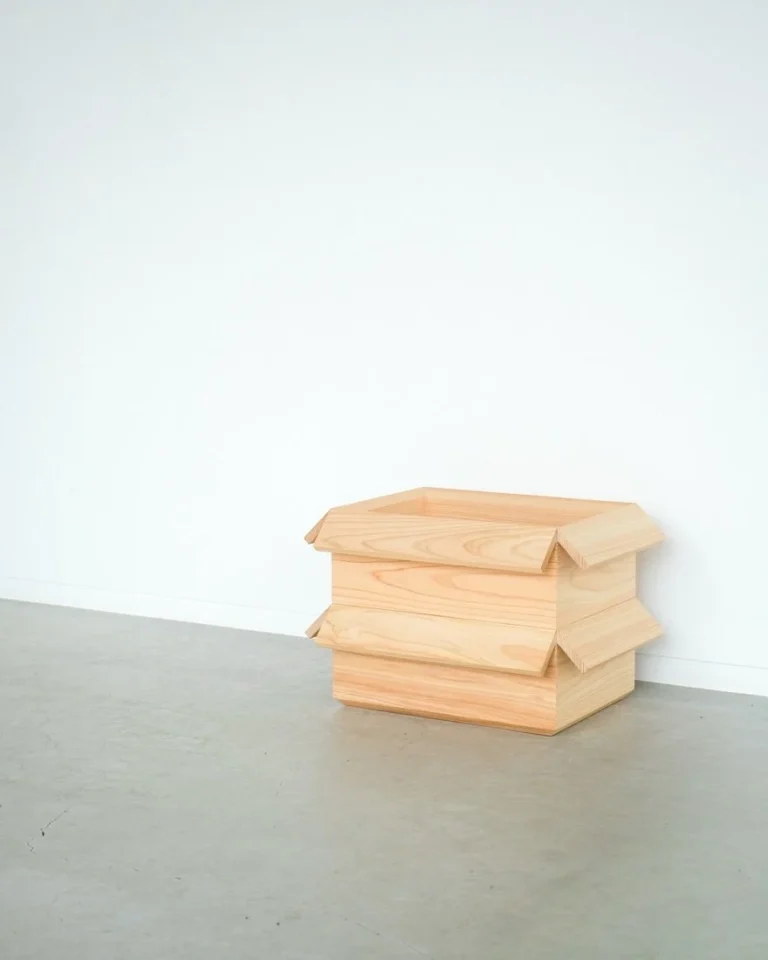
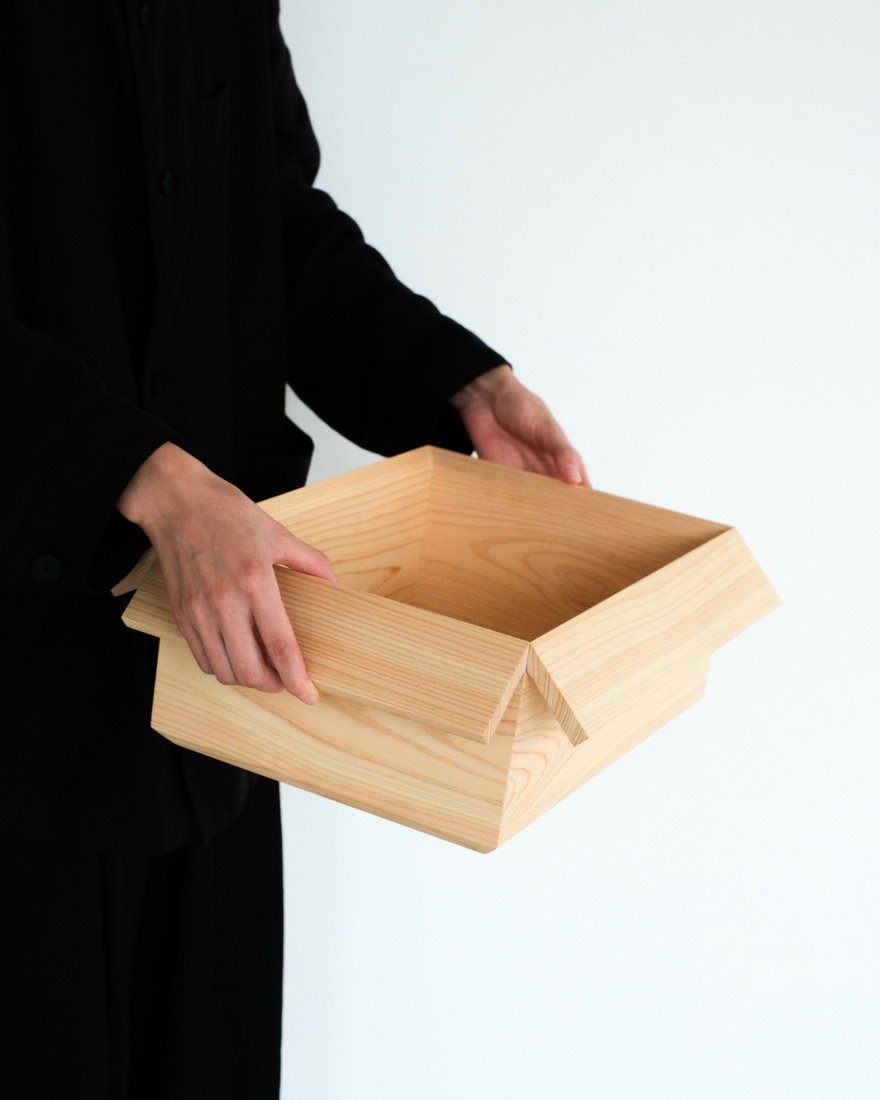
The common thread linking these disparate items is the intent behind them. Whether it is Yusho Nishioka’s wooden stacking boxes that mimic the humble cardboard aesthetic, or the Beauer X8’s ambitious attempt to rethink the mobile living space through telescoping architecture, the focus remains on enhancing human interaction with our environment.
II. Chronology of Developments
The past seven days have seen a flurry of announcements and project releases that challenge traditional manufacturing and artistic norms:
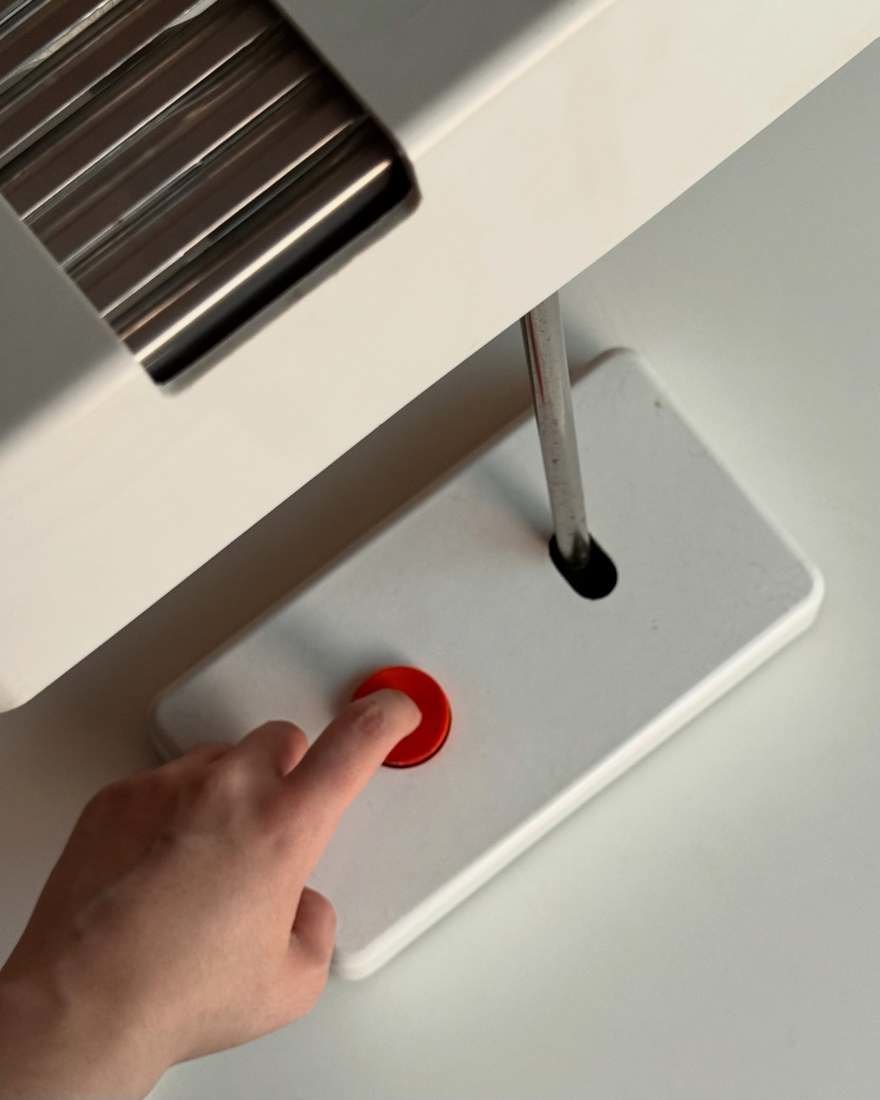
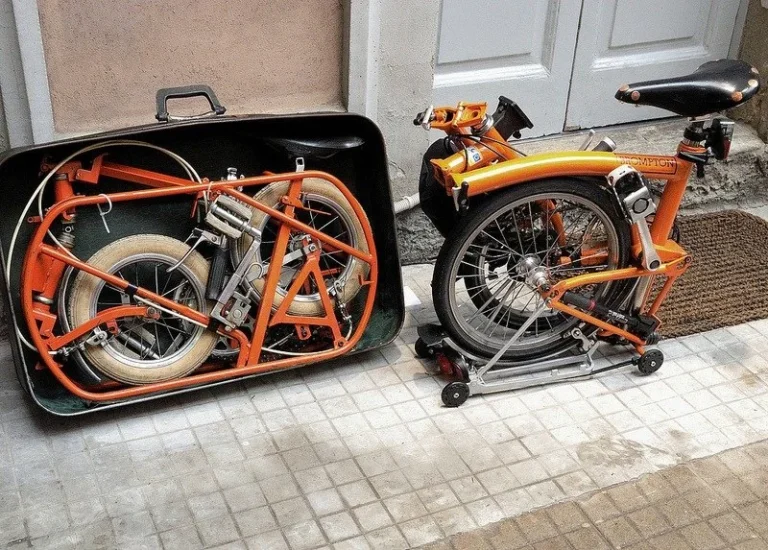
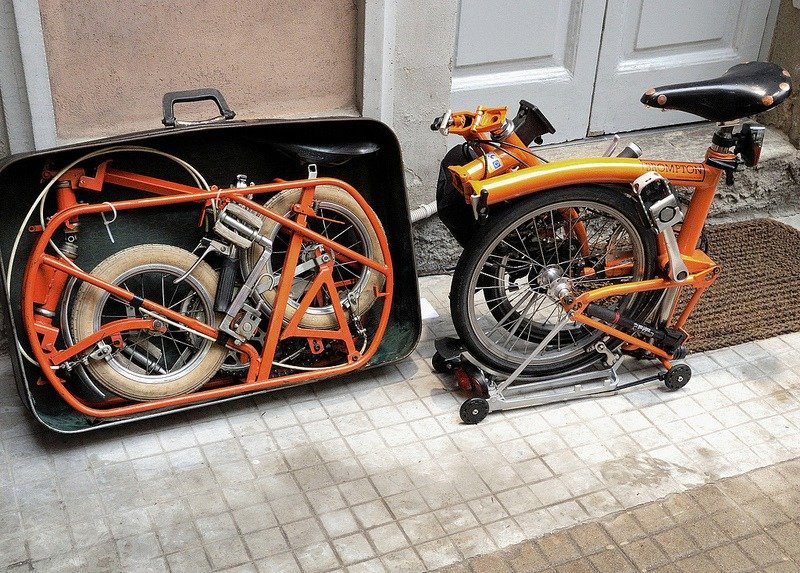
- Early Week (Historical Reinterpretations): The design conversation opened with a nod to the past. The spotlight fell on a 1970s East German lighting design, reimagined for the modern collector, and the rediscovery of the 1963 T&C Pocket Bici—a vintage Italian folding bike designed to disappear into a suitcase.
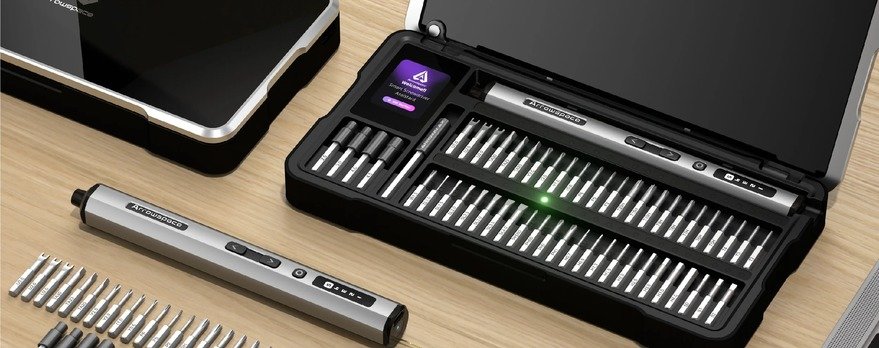
- Mid-Week (Functionality and Improvisation): Mid-week brought practical engineering to the fore. We observed the ingenuity of "juggad" (frugal, improvised) leak detection methods, followed by the launch of the Arrowspace S1, a smart screwdriver that utilizes integrated technology to identify necessary bits, effectively removing the "guesswork" from assembly.
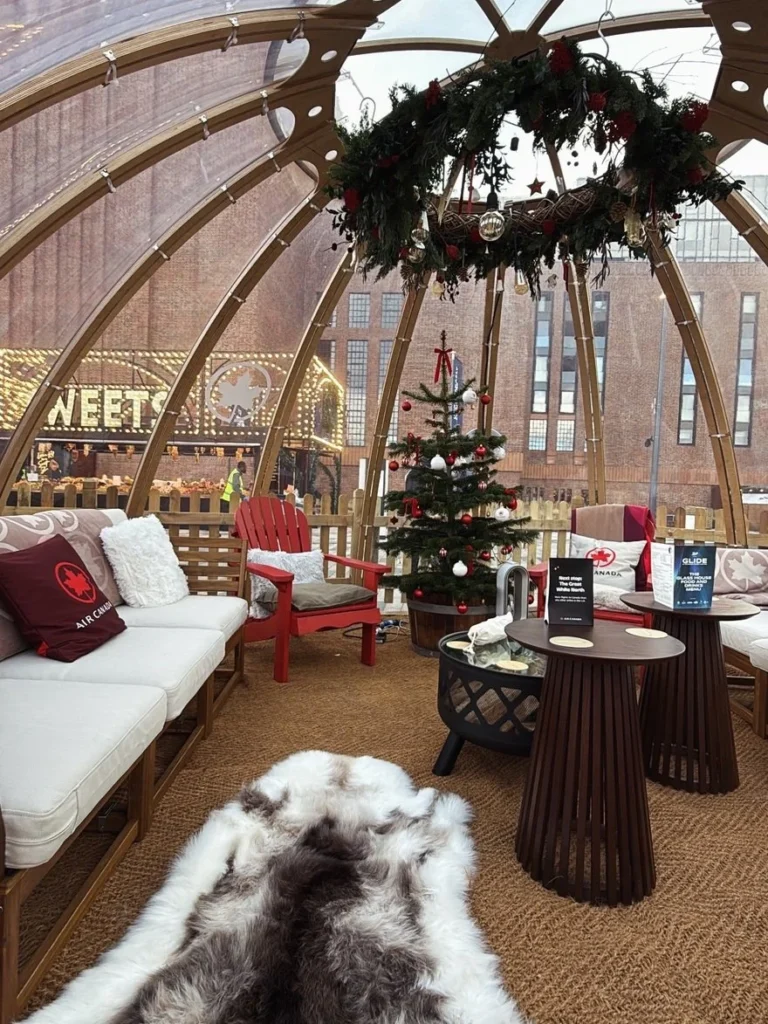
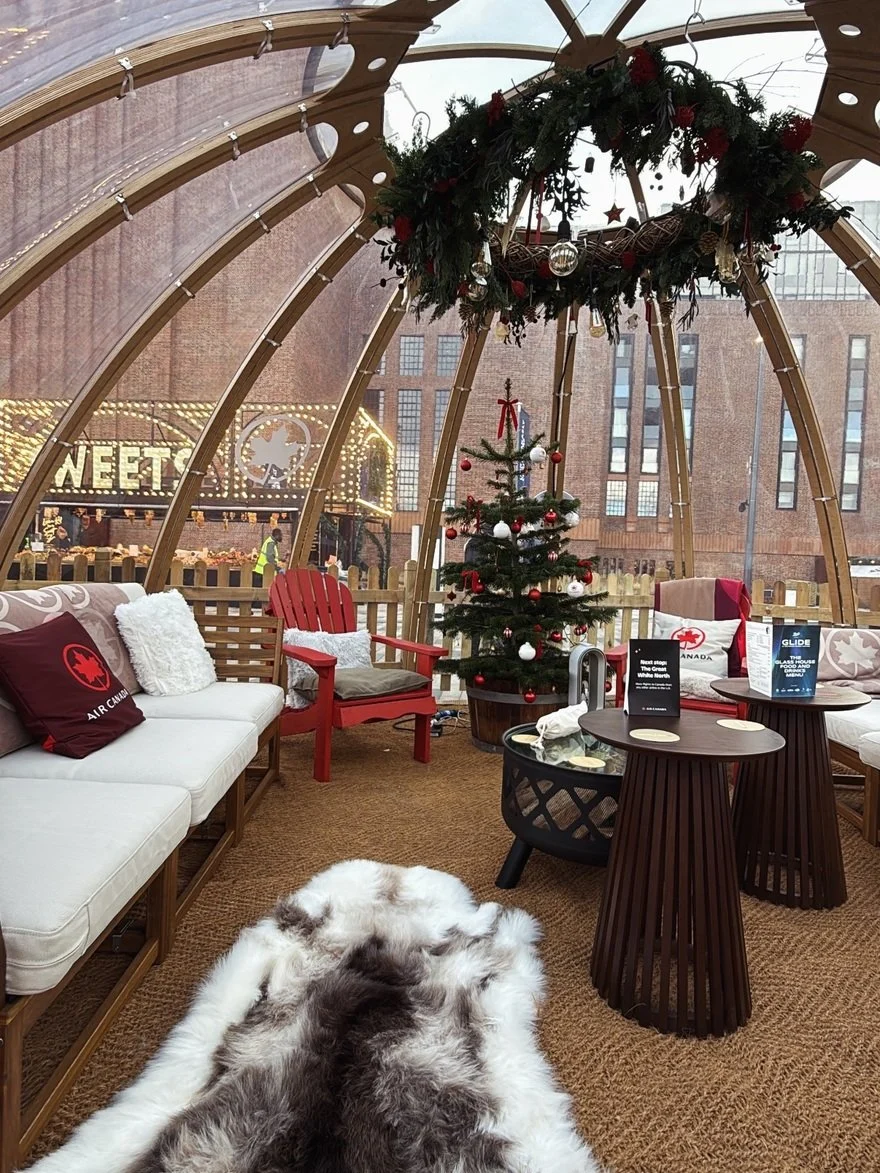
- Late Week (Sculpture and Habitat): The latter half of the week shifted toward the aesthetic and the spatial. Felix Scharstein’s kinetic duck sculptures brought organic movement to the studio, while Unidome’s transparent igloos offered a new vision for experiential architecture. Finally, the introduction of the Beauer X8 camper—which triples its size through a unique sideways-telescoping mechanism—capped off the week’s focus on spatial efficiency.
III. Supporting Data and Technical Breakdown
To understand why these designs are resonating, we must look at the technical specifications and the materials utilized:
The Engineering of Space: The Beauer X8
The Beauer X8 is not merely a camper; it is a mechanical marvel. By utilizing a patented telescoping system, the unit moves from a compact transit mode to a full-sized living area. This addresses a critical pain point in the RV industry: the trade-off between mobility and comfort.
Materiality and Light: Wowhaus and Posto
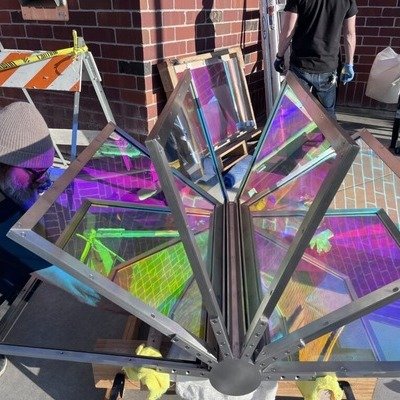
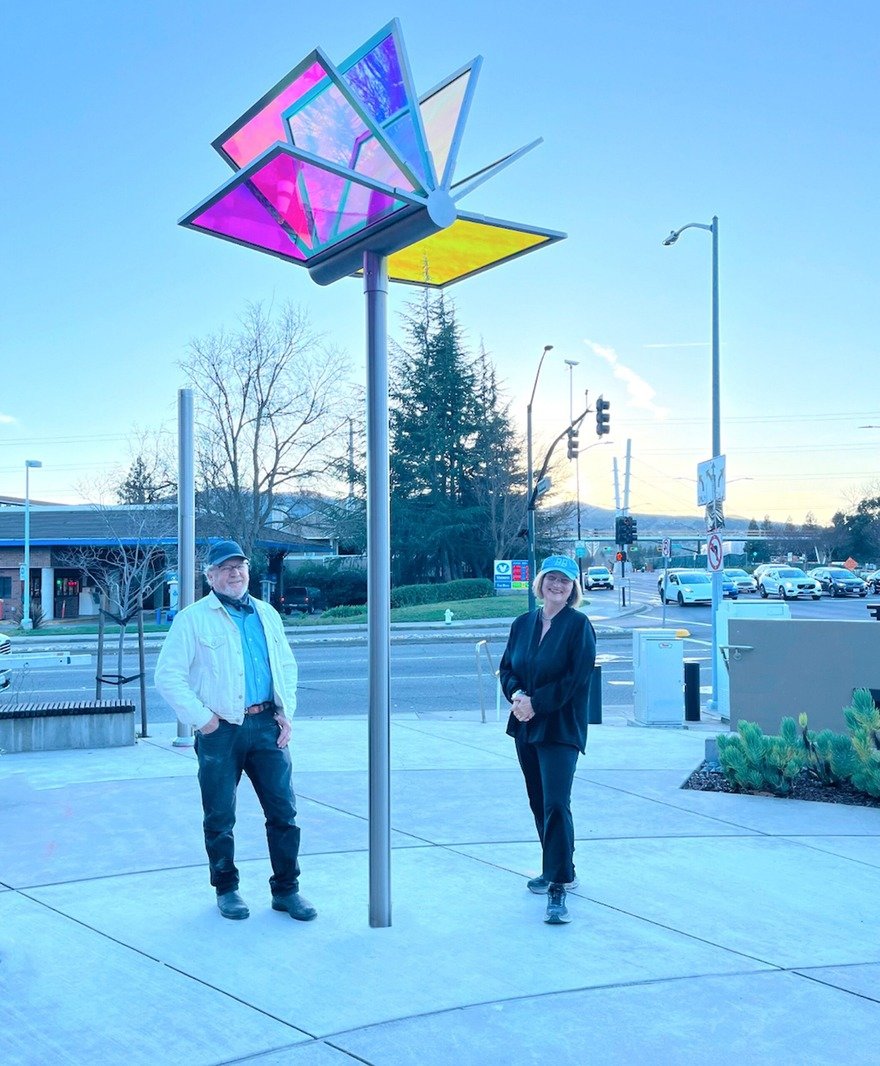
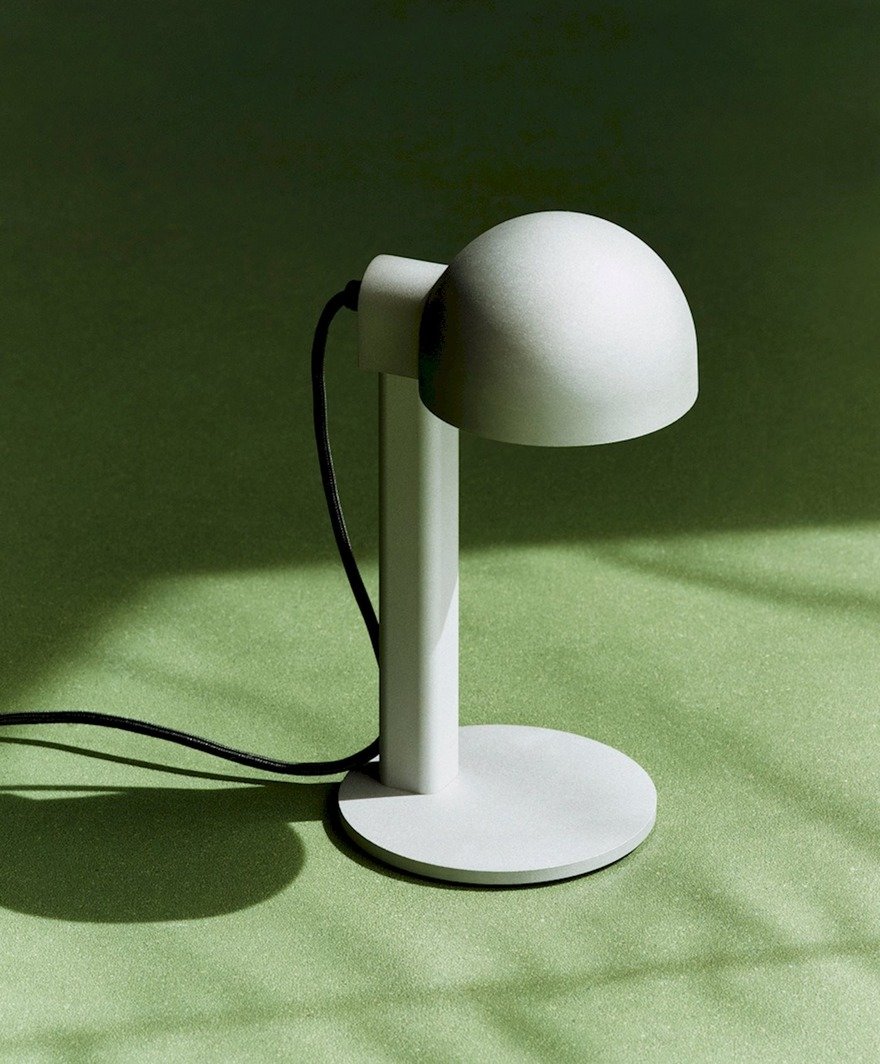
Claire Lavabre’s "Posto" lamp for Hay serves as a masterclass in industrial minimalism. By stripping away the superfluous, the design highlights the purity of the light source. Conversely, the Wowhaus "Inspire" sculpture utilizes dichroic glass. This material, which reflects different colors depending on the angle of light, transforms the sculpture from a static object into a dynamic, color-shifting entity that interacts with the viewer’s movement.
The "Smart" Utility: The Arrowspace S1
The S1 is a significant leap for the DIY market. Traditional power tools have seen incremental updates, but the S1’s ability to recognize the required bit size represents a shift toward "intuitive hardware." By integrating sensors into the bit-loading mechanism, the tool reduces the cognitive load on the user, facilitating a faster, more accurate workflow.
IV. Official Responses and Design Philosophy
Designers featured this week have articulated a consistent philosophy: simplicity is the ultimate sophistication, but it must be earned through rigorous testing.
When discussing the Posto lamp, Claire Lavabre noted in correspondence that her process involved "reducing the silhouette to its most essential geometric components, ensuring that the lamp sits within a space without dominating it."
Regarding the Beauer X8, the engineering team emphasized that the "sideways-telescoping" technology was a direct response to the frustration of heavy, motorized pop-ups. "We wanted to provide a solution that didn’t require hydraulic complexity that could fail in the field," they stated. "The mechanical simplicity is what makes the X8 durable."
V. Implications: Where Does Design Go From Here?
The projects highlighted this week suggest three major trends that will likely dominate the design landscape over the next several years:
1. The "Frugal" Aesthetic
The success of Yusho Nishioka’s cardboard-inspired wooden box and the ingenuity of improvised leak detectors signal a cultural shift. Consumers are becoming increasingly skeptical of overly polished, high-gloss finishes. There is a burgeoning appreciation for "honest" design—objects that look like they were made with a purpose and possess a tactile, grounded history.
2. The Return of Kinetic Art
Felix Scharstein’s kinetic ducks are part of a larger trend in which designers are injecting "soul" into the static home environment. As our digital lives become more abstract, our physical spaces are being curated to include movement and organic fluidity. The integration of mechanics into art is no longer just about utility; it is about providing a sense of wonder.
3. Modular Portability
The T&C Pocket Bici and the Beauer X8 represent a shared obsession with modularity. We are living in an era where the "footprint" of our possessions is increasingly scrutinized. Designs that can expand when needed and retract when not in use—whether it is a bicycle fitting into a suitcase or a camper tripling its living space—are the gold standard for a nomadic, efficiency-driven generation.
4. The Human-Tool Interface
The Arrowspace S1 points to a future where the tool learns from the user. We are moving away from "dumb" manual tools toward intelligent assistants. While some critics argue this reduces the skill required to perform a task, proponents maintain that it democratizes craftsmanship, allowing more people to engage in repair and creation without the barrier of technical expertise.
Conclusion: A Look Ahead
As we reflect on these designs, it becomes clear that the boundary between art and engineering is becoming increasingly porous. The most successful objects of this week are those that manage to solve a real-world problem—like storing a bike or expanding a living space—while maintaining an aesthetic that feels intentional, thoughtful, and human.
Whether it is through the play of light on dichroic glass or the satisfying click of a perfectly matched screwdriver bit, these designs remind us that even the most mundane aspects of our lives can be improved by a designer’s touch. As we move forward, the challenge for the next wave of industrial designers will be to balance this drive for technical innovation with the sustainability and durability that the modern world so desperately requires.
The week’s output is a testament to the fact that while technology evolves, the human desire for beauty and functional simplicity remains constant. We look forward to seeing how these prototypes and concepts scale, evolve, and eventually find their place in our homes and workshops.
About the Author