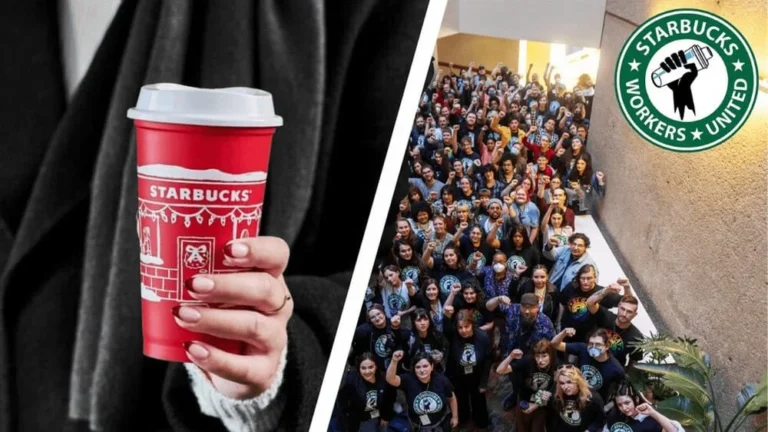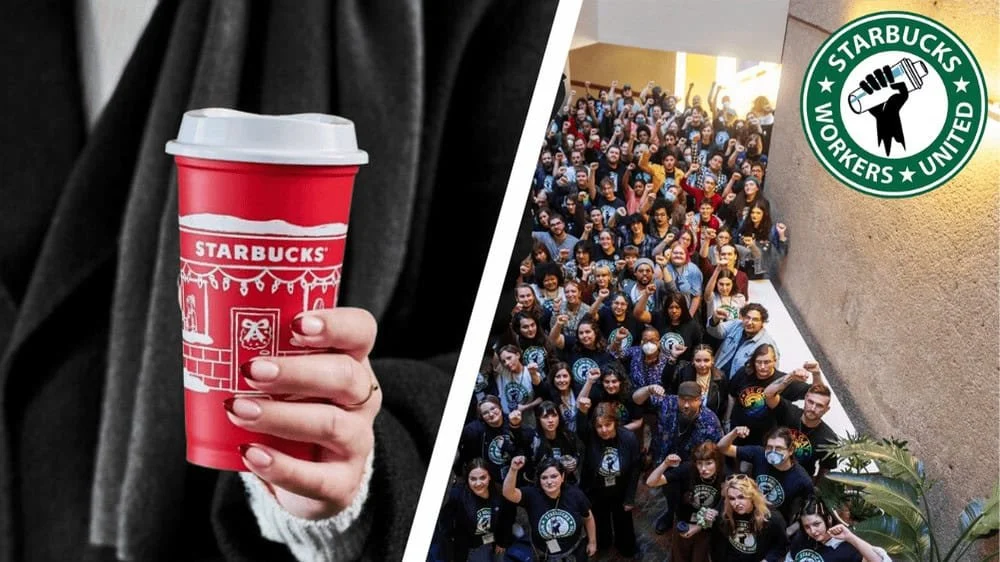
The holiday season, typically a period of record-breaking revenue and brand-building for Starbucks, has been overshadowed by a high-stakes labor confrontation. On November 14, the coffee giant’s most anticipated marketing event—Red Cup Day—was transformed from a celebration of seasonal cheer into a theater of labor protest. Baristas at 65 locations across the United States walked off the job, initiating what the union has dubbed the "Red Cup Rebellion."
This latest wave of industrial action marks a significant escalation in a multi-year labor dispute between Starbucks and Starbucks Workers United. However, the 2024 iteration of this conflict carries a new, potent element: the overt, high-level involvement of elected officials. From the picket lines of Seattle to the legislative chambers of New York City, political figures are increasingly positioning themselves as allies to the union, signaling a tectonic shift in how labor disputes at major corporations are perceived and managed in the modern American political climate.
The Anatomy of the Rebellion: A Chronology of Conflict
To understand the intensity of the "Red Cup Rebellion," one must look at the timeline of the broader labor struggle that has defined Starbucks over the past three years.
- December 2021: The first Starbucks location in Buffalo, New York, votes to unionize, sparking a nationwide movement.
- 2022–2023: Starbucks Workers United successfully organizes over 500 stores across the U.S. Despite this momentum, contract negotiations remain largely stagnant, with workers alleging "bad faith" bargaining practices by corporate leadership.
- September 2024: Brian Niccol assumes the role of CEO, inheriting a company in the midst of persistent litigation and labor unrest.
- November 12, 2024: U.S. Senator Patty Murray issues a formal letter to CEO Brian Niccol, emphasizing the urgency of reaching a fair contract and urging the company to prioritize negotiations ahead of the busy holiday season.
- November 13, 2024: Seattle Mayor-elect Katie Wilson joins picket lines at the Starbucks Reserve Roastery, marking a rare instance of a local executive publicly advocating for a corporate boycott.
- November 14, 2024: The "Red Cup Rebellion" strikes commence at 65 stores nationwide, coinciding with the distribution of free holiday tumblers—one of the company’s most effective foot-traffic drivers.
Supporting Data: Why Red Cup Day Matters
The decision to strike on Red Cup Day is a calculated strategic maneuver. For Starbucks, this event is not merely a promotional gimmick; it is a vital metric for quarterly performance. The promise of a free, reusable holiday-themed cup drives millions of customers into stores during the onset of the holiday season, creating a surge in both beverage sales and mobile app engagement.
By choosing this specific date, Workers United sought to maximize the company’s financial discomfort. Beyond the immediate loss of revenue from 65 closed or understaffed stores, the strike disrupts the "Starbucks experience"—a core component of the brand’s value proposition. When the morning rush is replaced by picket lines and chants, the company’s carefully curated image of a "third place" community hub is shattered.
Furthermore, data suggests that public sympathy is increasingly leaning toward the labor side. Recent polling indicates that in key urban centers, younger demographics—who comprise a significant portion of Starbucks’ customer base—view the lack of a finalized contract after three years as a failure of corporate responsibility.
The Political Calculus: A New Era of Activism
The involvement of elected officials in private sector labor disputes is historically rare, but the current Starbucks situation has become a litmus test for progressive politicians.
Seattle’s Stand
In Seattle, the corporate headquarters of Starbucks, the election of Mayor-elect Katie Wilson has fundamentally changed the landscape. By joining the picket line, Wilson has signaled that the city will no longer act as a passive host to the coffee giant. Her rhetoric centers on the idea that a city’s economic success must be tied to the dignity and compensation of its workforce. Her presence at the Reserve Roastery—a flagship location—sent a clear message: the company’s labor practices are now a matter of municipal concern.
The "No Contract, No Coffee" Movement in New York
New York City Mayor-elect Zohran Mamdani has taken an even more aggressive stance. His rallying cry, "No contract, no coffee," serves as a direct appeal to consumer conscience. By stating he would personally abstain from purchasing Starbucks products, Mamdani is leveraging his platform to encourage a grassroots boycott. For a high-profile politician to actively campaign against a major employer in their own city is a development that corporate boards ignore at their own peril.
Official Responses and Corporate Strategy
The response from Starbucks has been characterized by a cautious, legalistic approach. Since taking the helm, CEO Brian Niccol has faced intense pressure to modernize the company’s relationship with its labor force. While the company has publicly maintained that it is committed to "good faith negotiations," the union’s position remains that these words are not matched by actions.
Starbucks has historically leaned on the argument that the diversity of its thousands of stores makes a standardized national contract difficult to implement. However, critics, including Senator Patty Murray, argue that the company has used the complexity of its operations as a pretext to delay progress and undermine the union’s strength.
The company is currently in a defensive crouch. With the holiday quarter being make-or-break for annual earnings, the prospect of prolonged labor instability is a significant risk to shareholder value. The challenge for Niccol is to navigate a path that satisfies the demands of a mobilized, unionized workforce without alienating the broader investor base that expects operational efficiency.
Implications for the Future of Retail
The Starbucks situation is widely regarded as the most significant labor case study of the decade. The outcome of these negotiations will likely set a precedent for the retail and hospitality industries at large.
1. The Erosion of the "Progressive Brand" Shield
For years, Starbucks utilized its progressive image—offering benefits like college tuition coverage and mental health support—to mitigate criticism. However, the "Red Cup Rebellion" proves that these perks are no longer a substitute for collective bargaining rights. When the brand’s values are perceived to be at odds with the reality of worker treatment, the brand equity is severely diminished.
2. Mainstreaming Labor Support
The active participation of mayors and senators signals that labor organizing has successfully entered the mainstream political discourse. Candidates who run on pro-labor platforms are finding that taking a hard line against major corporations is a winning strategy in urban districts. This means that corporations can no longer expect local governments to remain neutral in the event of strikes or contract disputes.
3. The Contractual Logjam
The core issue remains the three-year delay in finalizing a contract. The frustration among workers is not just about wages; it is about the feeling of being disenfranchised despite having voted for representation. If Starbucks fails to deliver a concrete contract in the coming months, it may face even more severe escalation, including national work stoppages that could threaten the company’s holiday performance on a much larger scale.
Conclusion: A Turning Point for the Coffee Giant
As the holiday season progresses, the "Red Cup Rebellion" stands as a stark reminder of the evolving power dynamic between capital and labor. The coffee giant finds itself at a crossroads: it can continue to resist the demands of its unionized staff, thereby inviting further political intervention and brand degradation, or it can pivot toward a model of true collaboration.
The phrase "No contract, no coffee" has evolved from a picket-line chant into a broader social movement. Whether this slogan will become a permanent fixture of the Starbucks brand experience depends entirely on the willingness of leadership to bridge the gap between their corporate image and their employment reality. As the political and social pressure mounts, the cost of inaction is proving to be far higher than the cost of a fair contract. For Starbucks, the holiday season of 2024 may well be remembered as the moment the company was forced to redefine its social contract for the 21st century.
About the Author