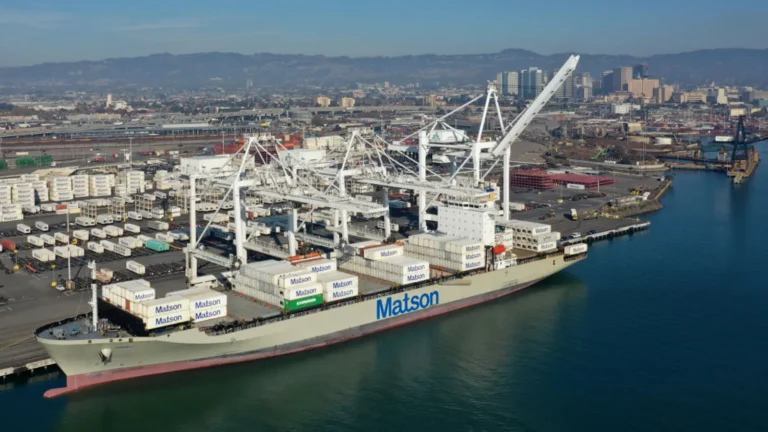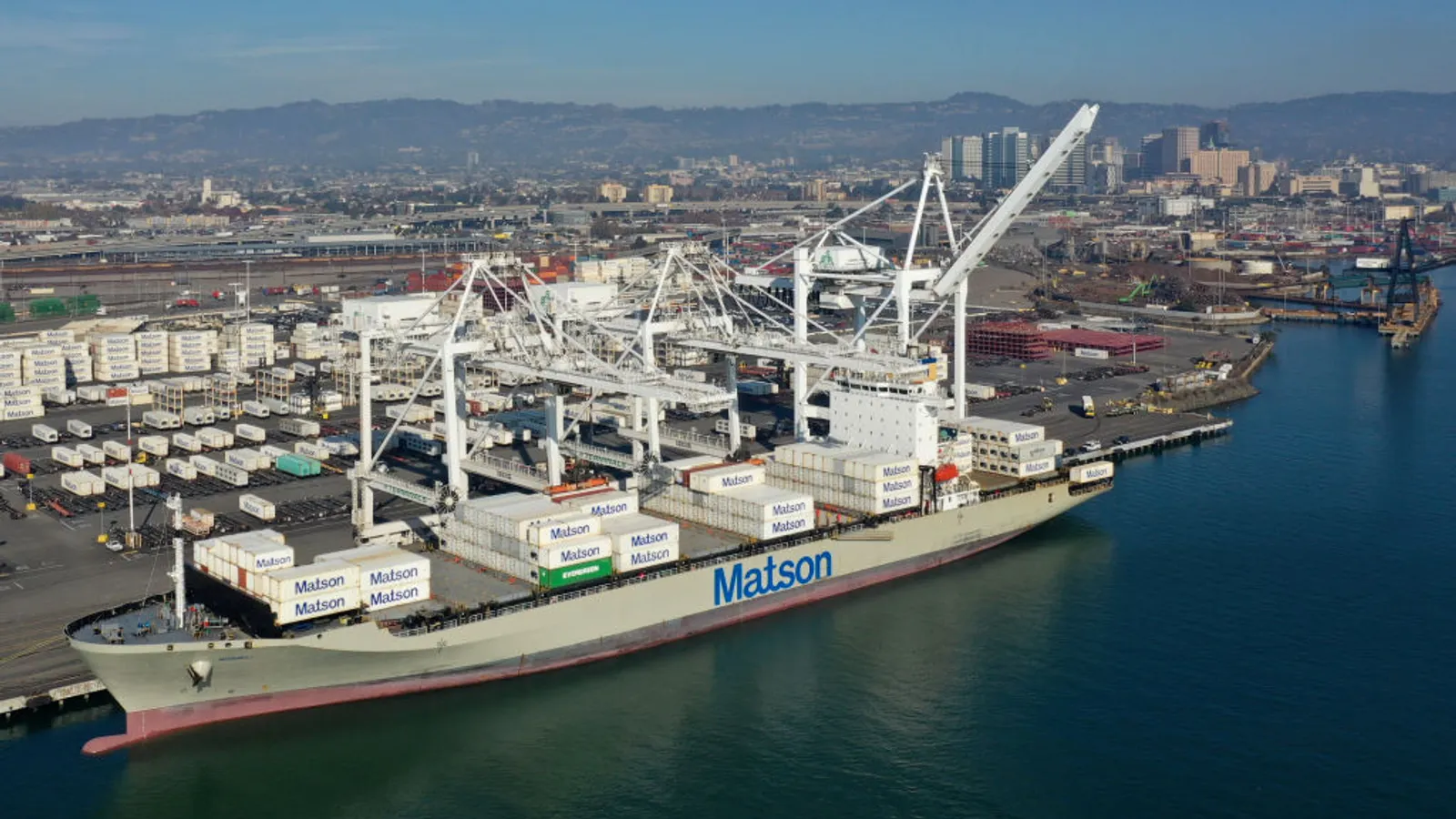
Honolulu, HI – August 6, 2026 – The global shipping landscape is grappling with sustained, elevated demand on key Transpacific routes, with ocean carrier Matson signaling that its China services are expected to remain at or near full capacity throughout the crucial peak season. This forecast comes after the carrier already exceeded its capacity in July, a clear indicator of the intense pressure currently exerted on international logistics networks.
According to Matson CEO Matthew Cox, the surge is driven by a confluence of factors, including robust e-commerce growth, strategic cargo frontloading by shippers eager to circumvent impending tariffs, rising fuel surcharges, and the overarching uncertainty stemming from geopolitical instability, particularly the ongoing Iran war. This proactive stance by shippers is reshaping traditional seasonal patterns, with major U.S. ports reporting strong June cargo volumes that point to an unusually early and extended peak shipping period.
A Season of Unprecedented Flux
The current state of the Transpacific shipping lane reflects a complex interplay of economic forces, consumer behavior, and geopolitical dynamics. What would typically be a gradual ramp-up to the peak shipping season – traditionally spanning from late summer through the autumn holidays – has instead manifested as an accelerated rush to move goods, creating a challenging environment for carriers, ports, and shippers alike.
The Preceding Year: A Baseline of Volatility
To fully appreciate the current situation, it is important to contextualize it against the backdrop of the previous year. As Matthew Cox highlighted, Q2 2025 experienced a notable market decline, primarily attributed to the imposition and fluctuations of various tariffs. This period of contraction, while challenging for carriers, inadvertently provided a stark lesson for shippers on the financial and logistical repercussions of trade policy shifts. The memory of these disruptions, coupled with new uncertainties, appears to be a driving force behind the aggressive frontloading observed in 2026.
Q2 2026: Matson’s Surge and Shipper Strategy
Matson, a key player in the Transpacific trade, has been at the forefront of this surging demand. The company reported a substantial 15.2% year-over-year increase in container volumes during the second quarter of 2026. This impressive growth underscores the sheer volume of cargo being moved and the efficacy of shippers’ strategies to pre-position their goods.
CEO Matthew Cox elaborated on the primary motivations behind this frontloading trend during a recent investor call. Shippers, he explained, are strategically advancing their shipments to mitigate the impact of anticipated general rate increases (GRIs) and higher fuel surcharges, which are often a feature of periods of high demand and geopolitical tension. More significantly, a pervasive sense of uncertainty regarding future tariff discussions and the potential escalation of the Iran war has spurred companies to secure their supply lines well in advance.
“High freight demand is being seen for e-commerce shipments despite tighter supply conditions in the Transpacific lane,” Cox stated, highlighting the dual pressure of consumer purchasing habits and logistical constraints. He further noted that while the carrier anticipates a strong third and fourth quarter, there is an expectation that demand in the fourth quarter might reflect a more traditional seasonality pattern, contrasting sharply with the elevated freight period experienced during the same time last year. This suggests that much of the typical Q4 volume may have already been absorbed into Q2 and Q3, potentially leading to a quieter end to the year than recent historical trends might suggest.
June’s Port Performance: A Collective Rush
The phenomenon of frontloading is not isolated to Matson’s operations but is broadly reflected across the United States’ busiest container ports, spanning both the West and East Coasts. June 2026 cargo volumes serve as compelling evidence of this widespread trend:
- Port of Long Beach: Reported a robust 10.6% year-over-year increase in cargo volumes for June.
- Port of Los Angeles: Experienced an even greater surge, with cargo volumes up 12% year-over-year in June.
- Port of New York and New Jersey: Also saw a significant 12% year-over-year increase in June, with port authorities explicitly noting "indications of an earlier front-loaded peak shipping season driven by changing federal trade policy."
These figures collectively paint a picture of an industry in overdrive, with logistics professionals racing against the clock to ensure their goods reach consumer markets before potential disruptions materialize.
The Tariff Deadline: July 24, 2026
A critical timestamp in this chronology is July 24, 2026, the expiration date for a temporary 10% global tariff, referred to as "Section 122s." This tariff, though temporary, cast a long shadow of uncertainty over international trade, particularly for businesses importing goods into the U.S.
Gene Seroka, Executive Director at the Port of Los Angeles, underscored the profound impact of this policy during a July press briefing. “This is part of the reason why you saw the retail community advance shipments and inventories because they just don’t know what’s going to happen with any level of specificity after these Section 122s expire,” Seroka explained. The lack of clear guidance on whether these tariffs would be extended, modified, or allowed to lapse entirely compelled retailers to take proactive measures, accelerating their import schedules to avoid potentially higher costs or supply chain bottlenecks.
Deep Dive into the Drivers of Demand
The current surge in Transpacific shipping is not merely a transient spike but a symptom of deeper, interconnected forces shaping global commerce.
E-commerce Resilience and Consumer Behavior
Despite persistent inflationary pressures and tighter supply conditions, e-commerce remains a dominant force driving freight demand. The convenience and accessibility of online shopping have fundamentally altered consumer purchasing habits, leading to a sustained need for efficient and reliable last-mile delivery. Even as economies navigate periods of uncertainty, the digital retail landscape continues to expand, demanding a steady flow of goods from manufacturing hubs, predominantly in Asia, to consumer markets worldwide. This consistent underlying demand for online goods provides a baseline of high volume that even significant external pressures struggle to suppress. Retailers, acutely aware of consumer expectations for rapid fulfillment, are prioritizing inventory availability, further fueling the need for timely and robust ocean freight services.
The Looming Specter of Tariffs and Trade Policy
The specter of tariffs has become a recurring nightmare for global supply chain managers. The original article highlights the Section 122 tariffs, but the broader context of trade policy volatility extends beyond this specific instance. Governments increasingly use tariffs as strategic tools, whether for protectionist measures, geopolitical leverage, or to address trade imbalances. This creates an inherently unpredictable environment for businesses that rely on international trade. The risk of sudden tariff imposition or adjustment compels companies to adopt defensive strategies, such as frontloading, to insulate themselves from potential cost increases or market access restrictions. The memory of past tariff wars, and the economic pain they inflicted, serves as a powerful incentive for current anticipatory shipping behaviors. Businesses are essentially betting on the certainty of current shipping costs over the uncertainty of future trade policy, even if it means incurring higher short-term inventory costs.
Economic Pressures: GRIs and Fuel Surcharges
Beyond tariffs, the everyday economics of shipping exert significant pressure on supply chain decisions. General Rate Increases (GRIs) are standard practices in the ocean freight industry, allowing carriers to adjust their base rates, often in response to market demand or operational costs. Similarly, fuel surcharges are a variable cost directly tied to the fluctuating price of bunker fuel. In an environment of high demand and geopolitical instability (which can directly impact oil prices), both GRIs and fuel surcharges tend to trend upwards.
For shippers, these surcharges represent direct hits to their profit margins. By frontloading cargo, companies aim to lock in current, potentially lower rates and avoid the higher costs that are almost certainly expected during peak season or in the event of further fuel price spikes. This financial calculus plays a crucial role in accelerating shipping schedules, transforming a traditional peak season into an extended period of elevated activity.
Geopolitical Instability: The Iran War’s Ripple Effect
The mention of the Iran war, even without extensive detail, serves as a potent reminder of how geopolitical events can send shockwaves through global supply chains. Conflicts in critical maritime regions, such as the Middle East, can disrupt shipping lanes, increase insurance premiums, divert vessels, and create a general atmosphere of risk and uncertainty. While the direct impact on Transpacific routes might seem indirect, such conflicts can strain global vessel capacity, raise fuel prices, and force rerouting decisions that have cascading effects across the entire network.
Shippers, having learned from past disruptions (e.g., Suez Canal blockages, Red Sea attacks), are increasingly risk-averse. The threat of unforeseen delays, cargo damage, or even outright loss due to conflict incentivizes them to move goods quickly and ensure inventory buffers are established. This desire for supply chain resilience in the face of geopolitical instability is a powerful, though often unquantifiable, driver of the current frontloading trend.

Industry Leaders Weigh In
The observations from Matson and the major U.S. ports underscore a shared understanding of the forces at play, revealing a concerted effort by various stakeholders to navigate an increasingly complex trade environment.
Matson’s Strategic Outlook
Matthew Cox’s statements paint a picture of a carrier strategically positioning itself to meet the demand while acknowledging the challenges. "While the carrier expects a strong third and fourth quarter, it also expects demand in the fourth quarter to reflect a more traditional seasonality pattern," Cox reiterated. This indicates Matson’s awareness that the current intensity might be pulling future demand into the present, potentially leading to a relative cooling off later in the year compared to the frantic pace of Q2 and Q3. For Matson, maintaining capacity and operational efficiency in a strained environment is paramount to capitalizing on the current market conditions. The carrier’s ability to manage its fleet and port turnaround times will be critical to its continued success.
Port Authorities Confirming the Trend
The unified message from port leaders across the country reinforces the widespread nature of the frontloading phenomenon.
Noel Hacegaba, CEO at the Port of Long Beach, articulated the shipper’s mindset during a July press briefing: “Shippers don’t want to be caught ‘flat-footed’ so they are advancing their shipments in order to have their goods in the U.S. market before any potential disruption.” This highlights the proactive, defensive posture adopted by businesses. They are prioritizing certainty of delivery over potential cost savings, a significant shift in traditional logistics planning.
Echoing this sentiment, Gene Seroka of the Port of Los Angeles further emphasized the impact of policy uncertainty. The retail community’s decision to advance shipments and inventories was directly linked to the unknown fate of the Section 122 tariffs. This demonstrates how even temporary or potential policy changes can trigger substantial behavioral shifts across an entire industry.
The Port of New York and New Jersey’s press release, noting “indications of an earlier front-loaded peak shipping season driven by changing federal trade policy,” provides further corroboration from the East Coast, illustrating that this isn’t a regional anomaly but a national trend impacting all major gateways. The consistency of these reports from diverse geographical locations underscores the systemic nature of the current supply chain dynamics.
Expert Analysis: Broader Market Perspectives
Beyond the direct stakeholders, supply chain analysts are also weighing in on the implications. Dr. Anya Sharma, a senior logistics economist at Global Trade Insights, offered her perspective: "What we’re witnessing is a profound evolution in supply chain strategy, moving from just-in-time to ‘just-in-case.’ Companies are building resilience by accumulating inventory, even if it means higher carrying costs. The geopolitical risks and trade policy uncertainties are simply too high to ignore."
Dr. Sharma further elaborated, "The e-commerce boom provides a constant baseline of demand, but it’s the external shocks – tariffs, conflicts, rising operational costs – that are dictating the timing of shipments. This ‘pull-forward’ effect creates an artificial peak, potentially flattening out the traditional Q4 surge, but it also places immense strain on port infrastructure and inland logistics for an extended period." Her analysis suggests that while the immediate financial implications for carriers like Matson might be positive, the long-term operational challenges for the entire supply chain ecosystem could be substantial.
The Far-Reaching Consequences
The current environment of aggressive frontloading and sustained high demand carries significant implications for various stakeholders across the global supply chain.

For Shippers: Inventory and Risk Management
For shippers, the decision to frontload cargo is a strategic gamble. While it offers protection against potential tariffs, surcharges, and disruptions, it comes with its own set of challenges. Increased inventory levels mean higher warehousing costs, greater capital tied up in goods, and the risk of obsolescence if market demand shifts unexpectedly. Effective inventory management becomes paramount, requiring sophisticated forecasting and agile distribution networks. Companies must balance the cost of holding extra inventory against the potential costs and risks of supply chain disruptions. Furthermore, the early arrival of goods can strain internal logistics, requiring additional labor and storage solutions to process and house the influx of products.
For Ocean Carriers: Operational Demands and Profitability
Ocean carriers like Matson are experiencing a double-edged sword. On one hand, sustained high demand and near-capacity utilization translate directly into increased revenue and profitability. The ability to fill vessels and potentially command higher freight rates is a boon for their bottom line. On the other hand, this intense operational tempo places immense strain on their fleets, crews, and port operations. Maintaining vessel schedules, managing equipment imbalances (e.g., container availability), and ensuring efficient turnaround times at congested ports become critical operational challenges. The risk of burnout among crews and equipment breakdown increases, requiring robust maintenance and contingency planning.
For Ports: Infrastructure and Efficiency Challenges
Major ports, as the critical gateways for international trade, are feeling the brunt of this accelerated activity. While increased cargo volumes are generally positive for port revenue and local economies, they also stress existing infrastructure. Congestion at berths, in container yards, and on connecting rail and road networks can lead to delays, increased dwell times, and potential backlogs. Port authorities must continuously invest in infrastructure upgrades, technology solutions (like automated gates and real-time tracking), and efficient labor practices to handle the relentless flow of goods. The need for seamless coordination between shipping lines, terminal operators, truckers, and rail providers becomes more acute.
For the Global Economy: Volatility and Adaptability
At a macroeconomic level, the current trends highlight the inherent volatility of the global economy and the need for greater adaptability in international trade. The interplay of trade policy, geopolitical events, and consumer demand creates an unpredictable environment that necessitates agile responses from businesses and governments alike. Sustained elevated shipping costs and the financial burden of carrying additional inventory could contribute to inflationary pressures, as these costs are ultimately passed on to consumers. Moreover, the shift towards "just-in-case" inventory strategies, while increasing resilience, could also lead to less efficient capital allocation globally. The long-term implications for global trade patterns, including potential shifts towards regionalized supply chains or nearshoring, remain to be seen as companies seek to build more robust and less vulnerable systems.
Looking Ahead: A New Normal for Global Trade?
The events of Q2 and Q3 2026 suggest that the traditional rhythms of global trade are undergoing a profound transformation. The concept of a discrete "peak season" may be blurring into an extended period of elevated activity, driven by a complex mix of proactive risk management and persistent consumer demand.
While Matson CEO Matthew Cox anticipates a return to more traditional seasonality in Q4, the underlying factors that have compelled shippers to frontload – geopolitical tensions, evolving trade policies, and the enduring power of e-commerce – are unlikely to dissipate quickly. This suggests that the lessons learned from this period of intense frontloading will likely inform future supply chain strategies, potentially leading to a more continuous flow of goods rather than sharp seasonal spikes.
The coming months will be critical in determining whether the industry can successfully navigate these unprecedented demands. The ability of ocean carriers to maintain capacity, ports to manage throughput, and shippers to optimize their inventory strategies will collectively shape the resilience and efficiency of global supply chains in what increasingly appears to be a new normal for international trade. The imperative for collaboration, data-driven decision-making, and proactive risk assessment has never been more vital.
About the Author