The landscape of industrial design is shifting at an unprecedented pace. From the integration of computational logic into traditional artisanal crafts to the geopolitical tensions reshaping the global robotics market, the week of July 27 to July 31, 2026, has provided a fascinating microcosm of current design trends. This report synthesizes the most impactful developments in consumer goods, transportation, and structural engineering covered by Core77 this week.
Main Facts: The Intersection of Utility and Aesthetics
This week, the design world focused heavily on the "optimization of space." As urbanization continues to drive smaller living quarters, designers are increasingly prioritizing modularity and multi-functionality.

Key innovations include:
- The "Folding" Revolution: Whether it is Flatbike’s modular accessories allowing for space-efficient storage or Second White’s sleek folding electric scooters, the mandate for the modern commuter is clear: if it cannot be stored away, it is a liability.
- Material Fusion: Architect Priyanka Narula’s work demonstrates a growing trend of merging high-tech computational design with ancient materials like wicker, suggesting that the future of sustainability lies in the "high-low" hybrid.
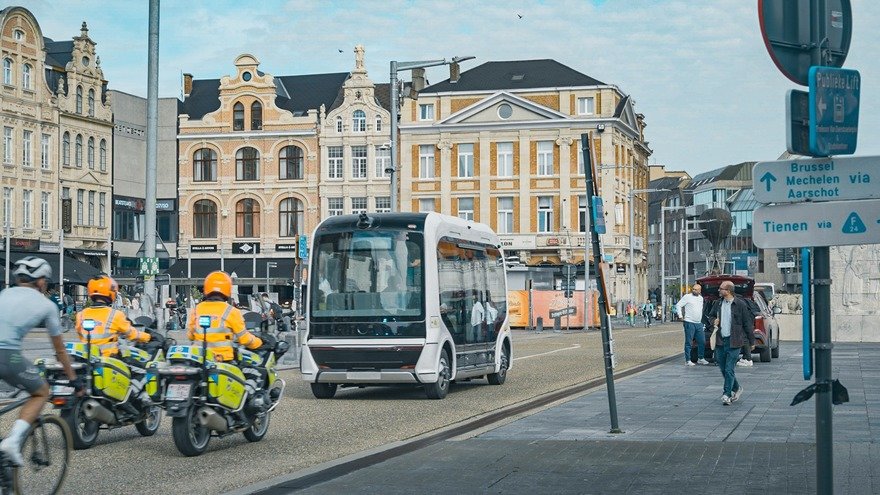
- Robotics Geopolitics: The dichotomy between the proliferation of Chinese autonomous buses globally and the U.S. government’s tightening regulations on foreign-made robots highlights a significant fracture in the global tech supply chain.
Chronology of Weekly Developments
July 27–28: Mobility and Infrastructure
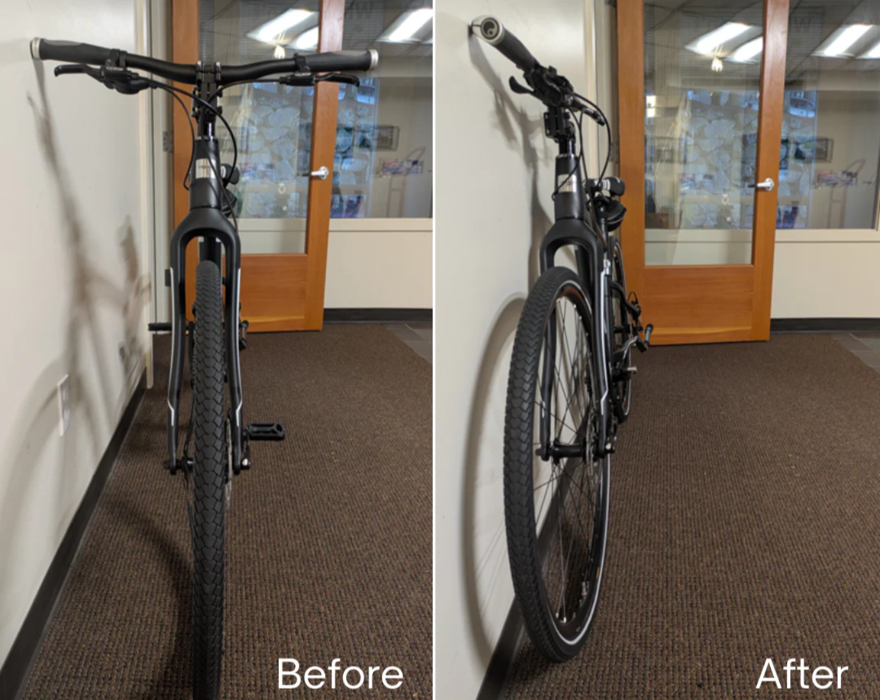
The week opened with a look at ingenious solutions to transportation hurdles. Flatbike’s system for folding bicycles caught the attention of urban commuters, providing a practical answer to the "storage-vs-usage" dilemma. This was complemented by the discovery of Colombian motorcycle-railroad adapters—an ingenious, bottom-up design solution where residents repurposed abandoned rail infrastructure to move goods and people, proving that necessity remains the primary mother of invention.
July 29: Structural Innovation and Nature
Mid-week, focus shifted to architecture and nature-inspired design. The Dutch lake communities offered a case study in living with water rather than against it, while the "seed-inspired" lounge chair sparked a debate on the thin line between high-end furniture design and academic student projects. The emphasis here was on organic form-finding—a departure from the rigid geometry of the early 2020s.
July 30–31: The Robotics and Smart Home Frontier
The latter half of the week was dominated by the high-stakes world of robotics and home automation. Unitree’s "Super Athlete" AS2-W showcased the rapid advancement of quadrupedal "pack mule" bots, while the news of a U.S. government ban on foreign-made robots cast a shadow over international development. The week concluded with a focus on tactile UX, with Sonic’s examination of the humble pencil case proving that even the most mundane objects remain fertile ground for design refinement.

Supporting Data and Technical Highlights
The Robotics Divide
The disparity between the global adoption of Chinese autonomous buses and the restrictive U.S. legislative environment is significant. While Southeast Asian and European markets are actively integrating Chinese-made autonomous mass transit, American policy is trending toward protectionism.
- Unitree AS2-W Specifications: The AS2-W serves as a benchmark for off-road robotics, featuring enhanced stabilization, higher payload capacities, and improved terrain-mapping software. Its capability to act as a "pack mule" suggests that the next generation of robots will be defined by utility in rough terrain rather than just indoor assistance.
Computational Wicker
Priyanka Narula’s work represents a shift in manufacturing. By using algorithms to determine the structural patterns of hand-woven wicker, the design achieves the durability of synthetic materials while retaining the aesthetic warmth and carbon-sequestration benefits of natural fibers. This is a critical data point for firms looking to hit ESG (Environmental, Social, and Governance) targets without sacrificing structural integrity.

Official Responses and Industry Sentiment
The announcement regarding the U.S. government’s ban on foreign-made robots has sent shockwaves through the startup community. Industry analysts suggest that while the move is intended to bolster domestic security and manufacturing, it risks stalling the development of robotics-as-a-service (RaaS) models in the U.S.
"The restriction on hardware imports fundamentally alters the cost-benefit analysis for domestic startups," says one industry observer. "When you force a company to switch from a mature, mass-produced platform like those developed in East Asia to a nascent domestic equivalent, you are effectively introducing a ‘pioneer tax’ on innovation."
Conversely, the success of "low-tech" high-impact design—such as the Colombian rail-bike adapters—has been met with praise from the urban planning community. These projects remind designers that the most successful interventions are often those that require the least amount of capital expenditure, relying instead on creative engineering and the clever repurposing of existing assets.
Implications: The Future of Design
1. The Death of the Fixed-Size Object
The trend toward retractable staircases by Manufactura and the folding scooter by Second White suggests a permanent shift in how we view the physical footprint of our possessions. We are entering an era where "static design" is becoming a luxury that many, particularly those living in dense urban environments, can no longer afford.
2. The Resurgence of Tactile UX
Sonic’s exploration of the pencil case is not merely a nostalgia play. It reflects a broader design movement focused on the "UX of everyday objects." As screens dominate our lives, there is a renewed appreciation for the mechanical feedback, material texture, and ergonomic refinement of analog tools. Designers who ignore this "analog resurgence" risk creating products that feel alienating and disposable.
3. Geopolitics as a Design Constraint
For designers and engineers, the world has become smaller, but more divided. The U.S. robot ban forces a rethink of supply chain architecture. Moving forward, "Design for Compliance" will be just as important as "Design for Manufacturing." Engineers must now consider the legal and political origin of their components as a primary constraint in the early stages of product development.

4. The "Concrete" Aesthetic
The move toward concrete-based electronics, such as the Modhaus wireless charger, signals a shift in consumer sentiment. Consumers are moving away from the "plastic-and-glass" aesthetic of the late 2010s in favor of raw, industrial materials that suggest permanence and weight. This is a direct reaction to the ephemeral nature of modern tech; if a product is going to be obsolete in three years, the user at least wants the object itself to feel substantial and grounded.
Conclusion
The Core77 roundup for the final week of July 2026 paints a picture of a design industry grappling with contradictions. We are simultaneously advancing toward a highly automated, algorithm-driven future while looking back at the utility of simple, mechanical, and artisanal solutions.
Whether it is the elegant simplicity of a gate latch or the complex, terrain-navigating logic of a robot pack-mule, the underlying theme remains the same: the role of the designer is to bridge the gap between human needs and the constraints of the world. As we move into August, the tension between global trade realities and the local need for clever, space-saving design will likely continue to define the products we use and the environments we inhabit. Designers who can navigate this landscape—balancing geopolitical constraints with the fundamental human desire for beauty and efficiency—will be the ones who define the next decade of industrial output.
About the Author