In the rapidly evolving landscape of urban transportation, the "last-mile" problem remains a persistent challenge for city dwellers. While electric scooters have become ubiquitous in metropolitan centers, they are frequently criticized for their bulky frames, susceptibility to theft when left outdoors, and the unsightly mess they create on sidewalks. However, a groundbreaking concept from the South Korean design firm Second White promises to revolutionize this paradigm. By reimagining the electric scooter as a portable, folio-style accessory, the firm has proposed a design that blurs the lines between industrial machinery and high-end fashion.
The Design Philosophy: Merging Mobility with Minimalism
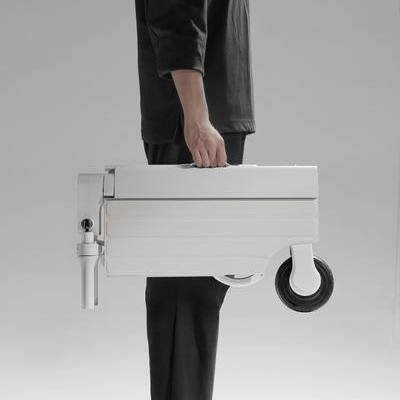
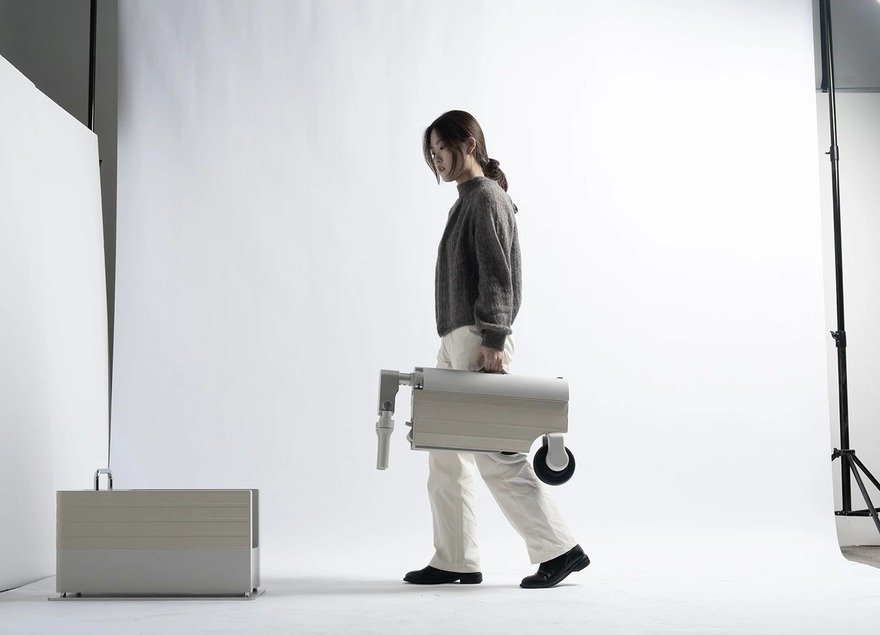
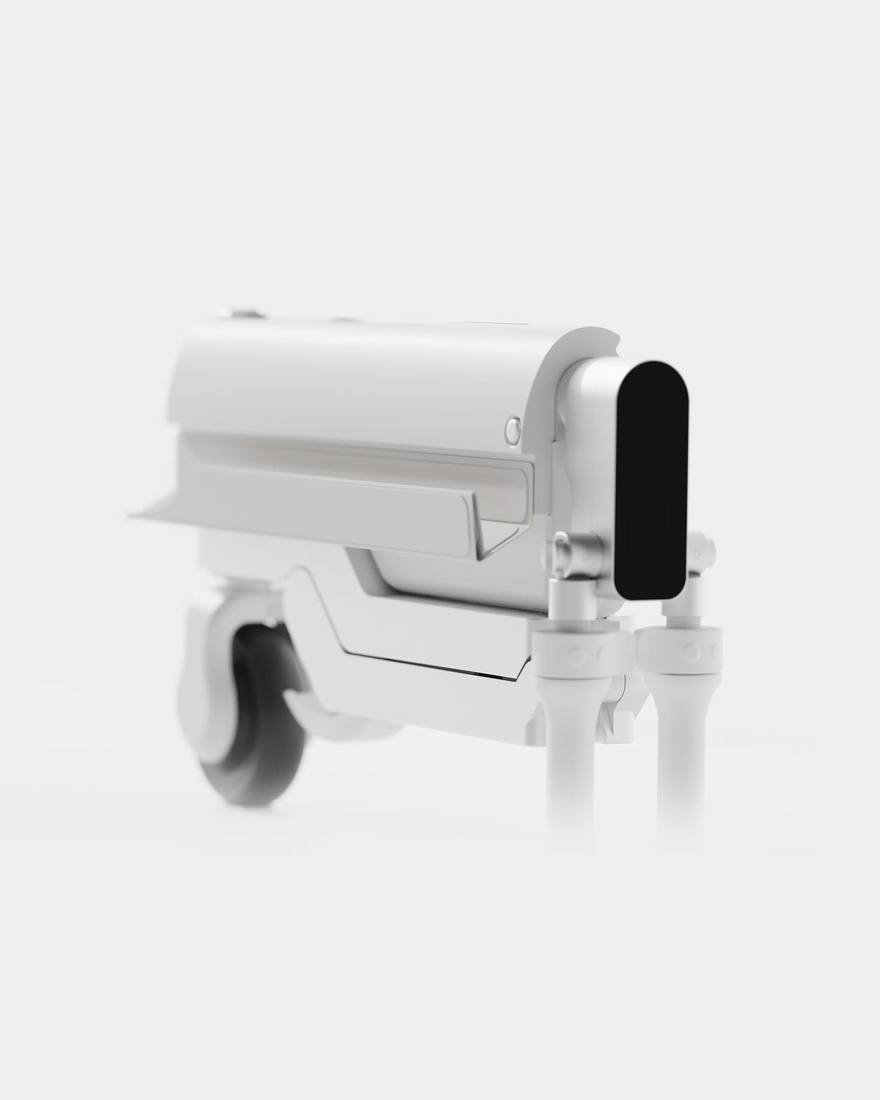
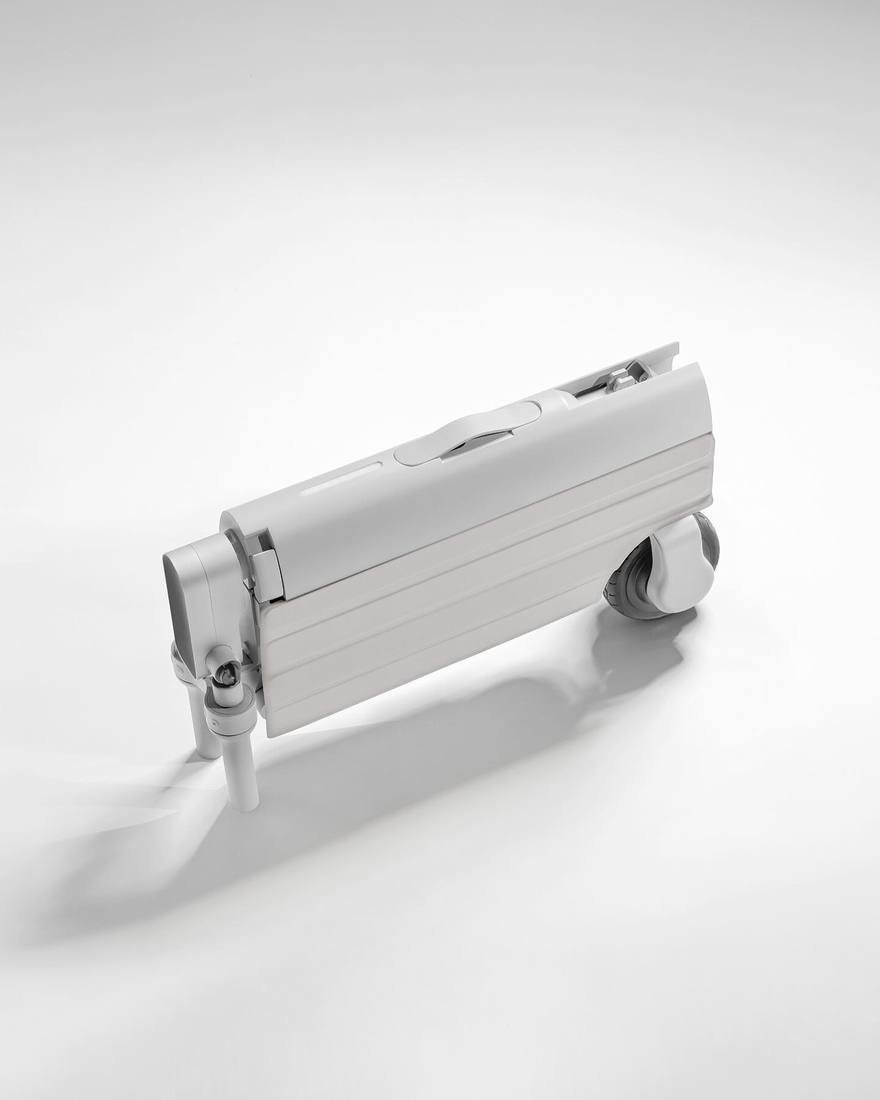
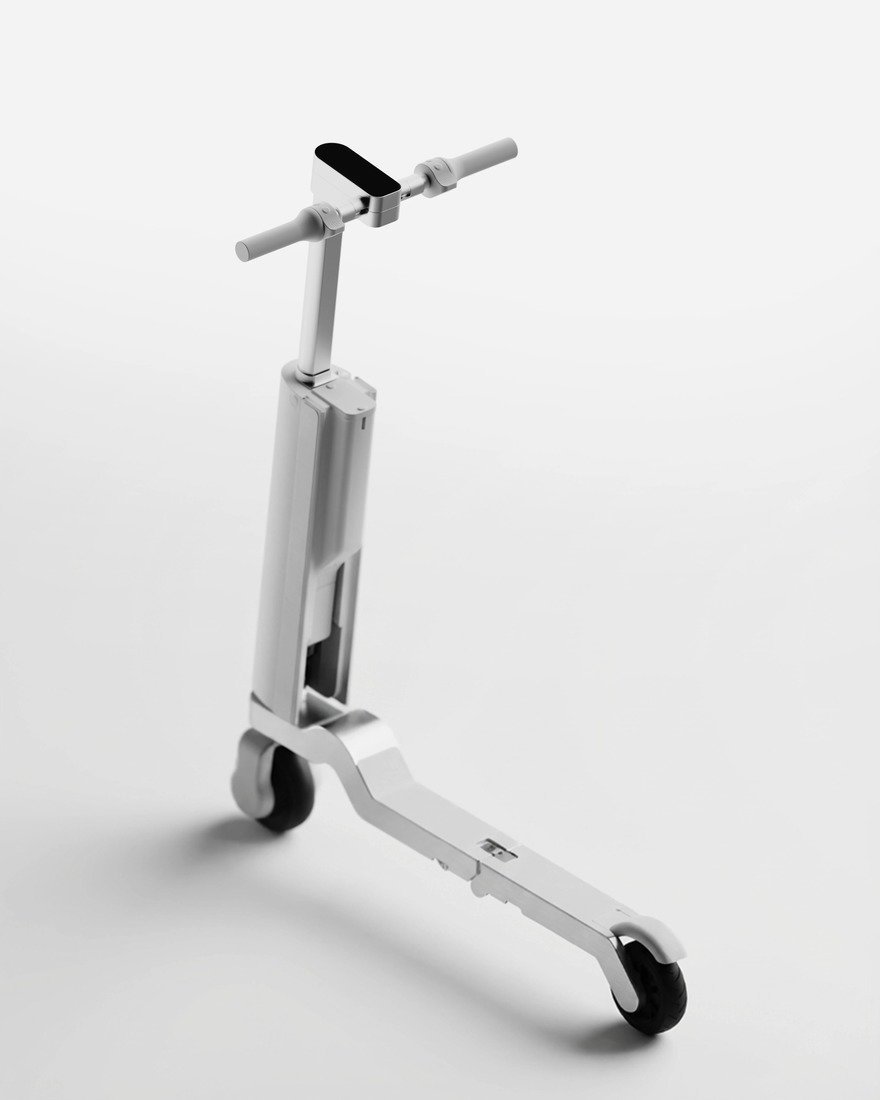
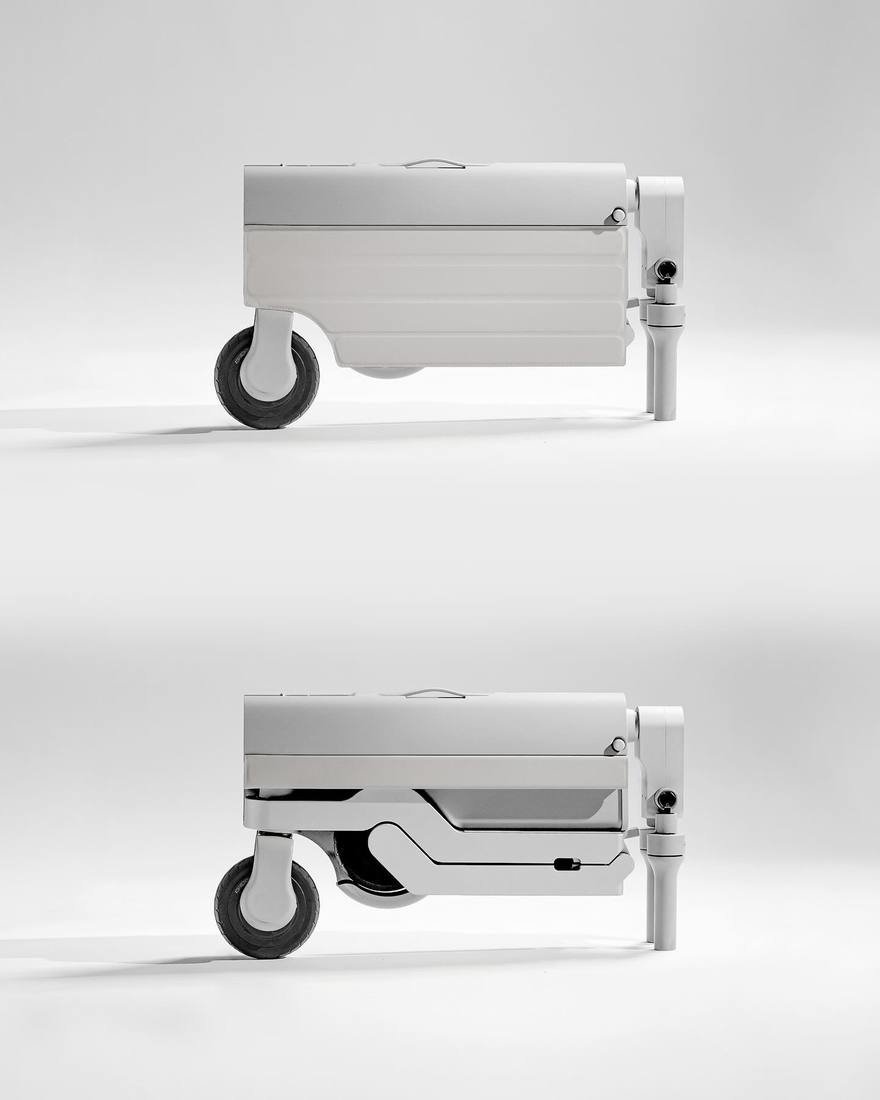
At first glance, the Second White prototype appears to be nothing more than a sleek, minimalist suitcase—a sophisticated piece of luggage one might expect to see in an upscale airport lounge. Upon closer inspection, however, the device reveals itself as a high-performance, three-stage folding electric kickboard.
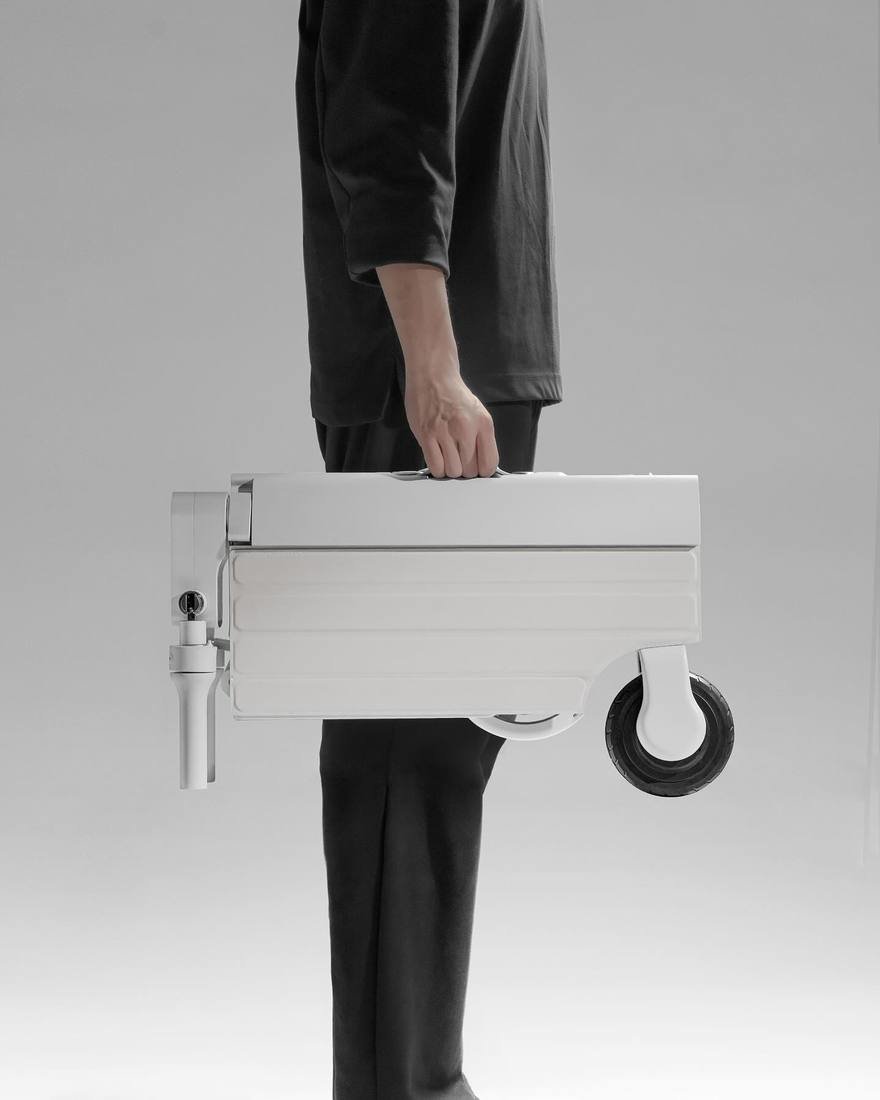
The core of Second White’s design philosophy lies in the synthesis of utility and aesthetics. For years, the personal electric vehicle (PEV) industry has focused primarily on power-to-weight ratios and battery range, often neglecting the ergonomics of the user’s daily life. Second White argues that for a scooter to be truly effective in a modern city, it must be as unobtrusive as a handbag or a briefcase.
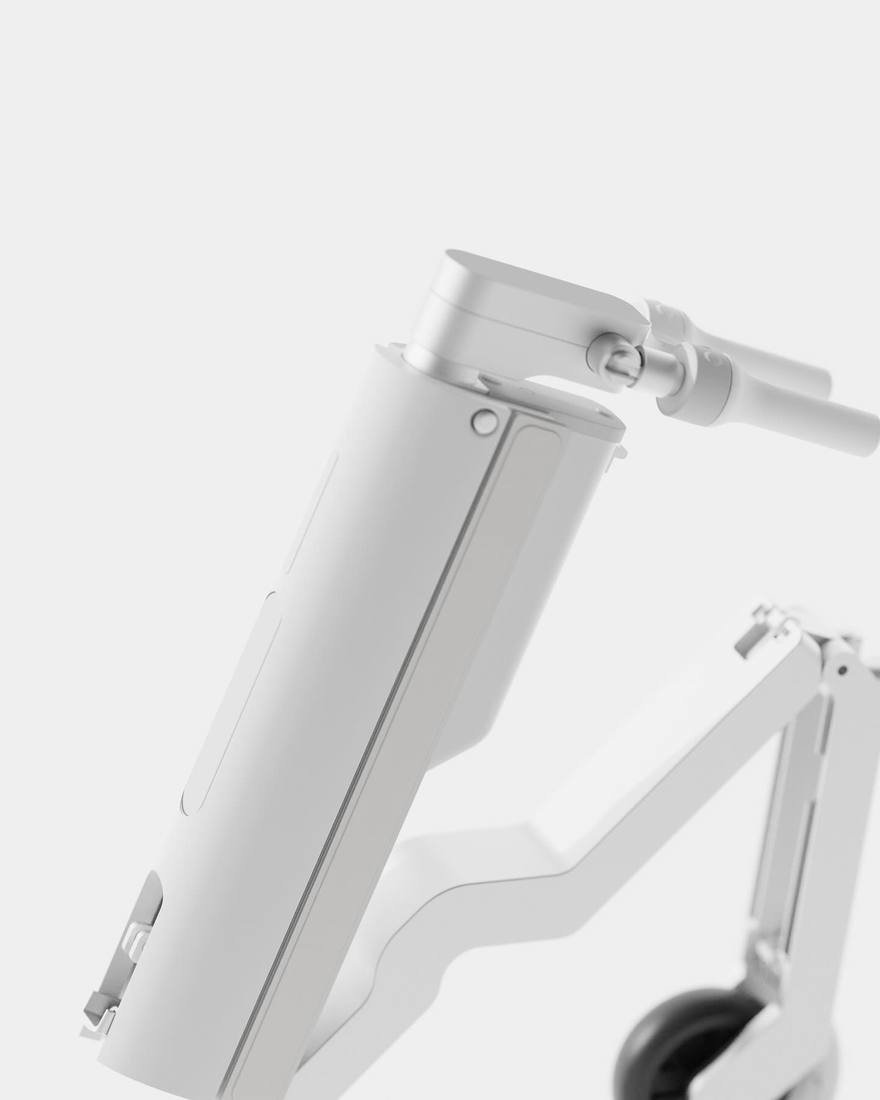
By utilizing a proprietary three-stage folding mechanism, the scooter collapses into a compact, rectangular form factor that can be carried comfortably with a single hand. This design choice addresses a fundamental pain point for commuters who rely on public transit: the inability to seamlessly transition from the street to a subway car or a cramped office environment without lugging around a cumbersome, mud-covered machine.
Chronology of a Design Evolution
The development of the Second White scooter is a testament to the iterative nature of industrial design in South Korea. While the firm has not released a comprehensive timeline of the project, industry insiders note that the prototype represents the culmination of several years of research into material science and mechanical folding hinges.
Conceptualization (Phase I): The initial focus was on the "carry-ability" of the device. Designers identified that standard electric scooters are often too heavy for sustained manual carrying.
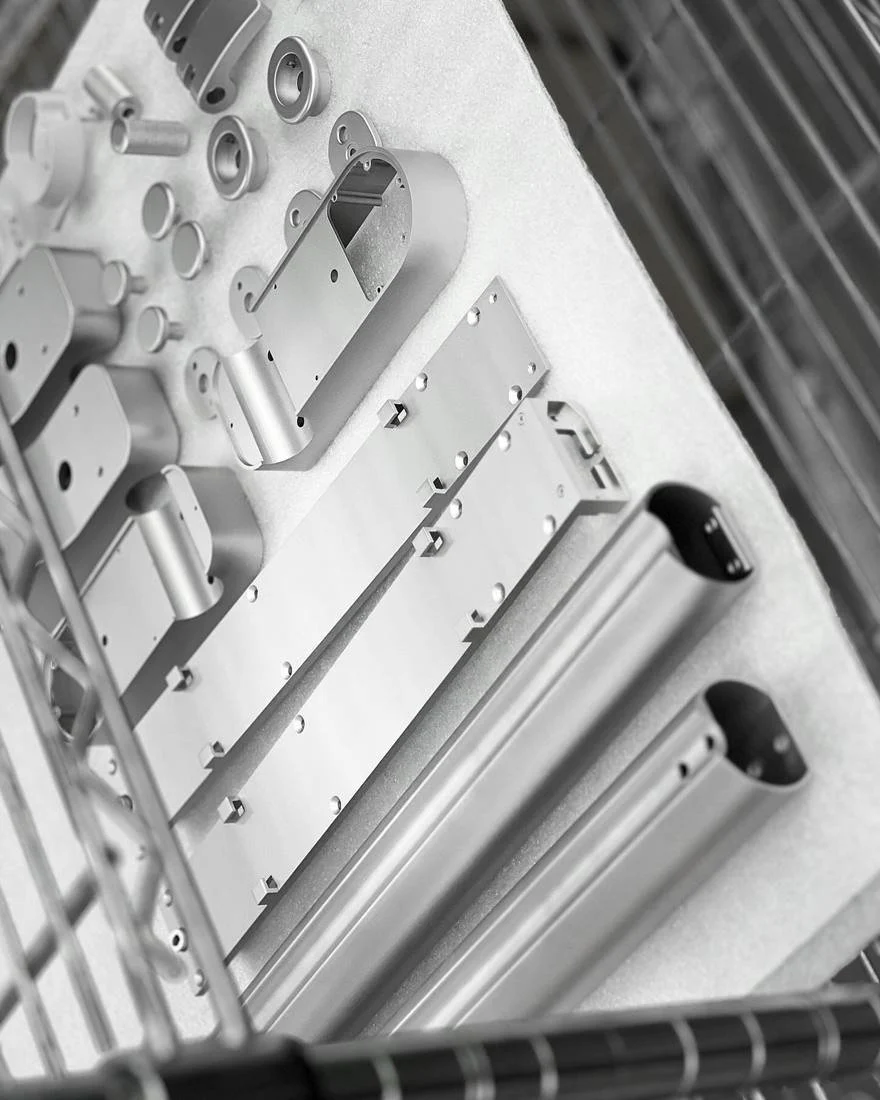
Structural Prototyping (Phase II): The team experimented with various frame geometries to ensure that the folding mechanism would be both durable and intuitive. The transition from a full-sized scooter to a "suitcase" size required custom-engineered joints that could lock securely while remaining lightweight.
Aesthetic Refinement (Phase III): Recognizing that urban commuters are conscious of their appearance, Second White integrated a "folio-style" cover. This layer serves a dual purpose: it acts as a protective shell and provides a clean, tactile surface that ensures the user’s clothing remains free from the grease and debris typically associated with road-traveling vehicles.
Supporting Data and Engineering Considerations
The engineering behind the Second White concept is as much about psychological comfort as it is about physical mobility.
The Contamination Problem: One of the most significant barriers to the adoption of electric scooters is the "dirty-fold" issue. Traditional folding mechanisms often leave the deck, wheels, and suspension exposed. When folded, these parts frequently come into contact with the user’s trousers or coat. Second White’s folio-style encasement effectively "seals" the mechanical components, transforming a utilitarian object into a clean, fashion-forward accessory.
The "Indoor-Friendly" Paradigm: By designing the device to look like a piece of luggage, Second White encourages users to bring their scooters inside. The psychological barrier of leaving a vehicle on the street—where it is subject to vandalism, theft, or exposure to the elements—is entirely removed. This "indoor-parking" capability is the cornerstone of the company’s vision for the future of city transit.
Weight Distribution: Although specific weight metrics for the prototype have not been officially disclosed, the design utilizes lightweight alloy composites, ensuring that the center of gravity remains low when the device is in its folded state, making it feel lighter than its actual physical mass.
Official Stance and Design Justification
In their official communications, Second White emphasized that the scooter is intended to be a "fashion item" rather than a mere utility tool. The firm states:
"The folio-style cover prevents contamination of the user’s clothes when folded, and it is recognized as a fashion item. The aesthetic perfection and compact size encourage users to naturally move it into indoor spaces, and this solves the problem of electric scooters being left outdoors."
This statement highlights a critical shift in urban design. Rather than designing for the street, Second White is designing for the in-between spaces—the lobby, the elevator, the office desk, and the home hallway. By making the scooter a visually appealing object, they have removed the stigma that often follows the bulky, industrial-looking scooters currently dominating the market.
Implications for Urban Infrastructure and Future Markets
The emergence of the Second White concept has sparked a broader conversation regarding the role of micro-mobility in high-density urban environments.
The Death of the Sidewalk Clutter
One of the most persistent complaints against the "scooter-share" model is the chaotic littering of sidewalks with abandoned devices. The Second White model suggests a move away from the "dockless" rental culture toward a "personal ownership" culture. If a scooter is as portable and clean as a laptop bag, there is no need for it to be left on the sidewalk. It is meant to stay with the owner, effectively removing the nuisance factor from city streets.
Integration with Public Transit
Modern transit systems are rarely optimized for bikes or large scooters. However, a device that folds into a briefcase-sized rectangle could theoretically be permitted on buses, trains, and even in ride-share vehicles without special racks or permissions. This creates a seamless multi-modal commuting experience that could significantly reduce the reliance on cars for short-distance travel.
The Challenge of Production
Despite the excitement surrounding the aesthetic and functional design, the reality remains that this is, for the moment, a conceptual prototype. The transition from a sleek design model to a mass-produced, road-safe consumer product is fraught with challenges. Battery safety regulations, structural integrity testing, and the cost of high-end materials are significant hurdles.
Furthermore, the "three-stage" folding mechanism, while elegant, introduces more points of failure than a simpler two-stage system. Second White will need to prove that their hinge technology can withstand the vibrations and stresses of daily commuting over uneven pavement for several years, not just a few test cycles in a studio.
Looking Ahead: A New Standard for Micro-Mobility?
As cities continue to grapple with congestion and carbon emission targets, the demand for compact, efficient, and personal transport will only increase. Second White has successfully identified that the next generation of urban commuters cares as much about the experience of the commute as the efficiency of it.
If the firm can move beyond the prototype phase and bring a production-ready version of this scooter to the market, it could set a new benchmark for the industry. They have effectively challenged the assumption that an electric scooter must look like a piece of industrial hardware. Instead, they have proposed that the future of mobility should be sleek, portable, and above all, dignified.
For now, the world waits to see if Second White will provide further details regarding pricing, battery specs, and manufacturing partnerships. Until then, the design stands as a compelling vision of what is possible when we stop viewing transportation as a burden and start viewing it as an extension of our personal style and daily routine.
In conclusion, the Second White folding electric scooter is more than just a clever bit of engineering; it is a profound commentary on how we interact with our cities. By solving the issues of cleanliness, portability, and theft-prevention through high-end design, Second White has provided a blueprint for the next evolution of urban travel. Whether or not it reaches the mass market, it has undoubtedly shifted the goalposts for what a personal mobility device should be in the 21st century.