Miami, FL – June 18, 2026 – E-commerce, a cornerstone of modern retail, continues its expansive growth, yet the dynamics of consumer sentiment are undergoing a profound transformation. A newly released comprehensive survey by logistics giant Ryder reveals a distinct shift in consumer priorities over the past year, indicating a growing demand for premium experiences and sustainability, even as the pursuit of sheer value takes a backseat. This evolution presents both challenges and strategic opportunities for retailers and logistics providers navigating an increasingly competitive digital landscape.
Executive Summary: A New Paradigm for Online Retail
The 2026 Ryder E-commerce Consumer Study, based on insights from 1,160 consumers surveyed in March 2026, underscores that while economic uncertainties persist, they no longer singularly dictate purchasing decisions. Instead, a more nuanced set of criteria—including the quality of the overall experience and a brand’s commitment to environmental responsibility—are emerging as crucial drivers of consumer behavior and, critically, brand loyalty.
"Price continues to shape consumer behavior, but it is not acting alone," states the Ryder report. "[C]onsumers increasingly weigh additional factors such as ingredients and materials used in products and packaging." This finding signals a maturation of the e-commerce consumer, one who is more informed, more discerning, and more willing to align their purchasing power with their personal values.
The Evolving Consumer Landscape: Beyond Price Sensitivity
For years, the e-commerce narrative was heavily dominated by price competition and the relentless pursuit of discounts. While value remains a consideration, the 2026 Ryder study indicates a significant reordering of priorities. Consumers are now actively seeking out and rewarding brands that deliver a superior end-to-end experience, encompassing everything from product quality and presentation to the environmental footprint of their purchases.
A New Hierarchy of Values
The study highlights a clear trajectory: premium experiences and sustainability have ascended the ladder of consumer importance, outpacing the emphasis on low prices that characterized previous years. This doesn’t mean consumers are indifferent to cost, but rather that they are increasingly factoring in a broader spectrum of value, including intangible benefits and ethical considerations. The convenience and accessibility of e-commerce are now complemented by an expectation of quality and conscientious practices.
Jeff Wolpov, Ryder Senior Vice President of E-commerce and Last Mile, emphasized the strategic imperative for businesses to adapt to these changing tides. "Being able to meet the consumer where they are, and understand what’s important to that consumer, and reward good behavior, it goes a long way today—especially in a very competitive landscape," he commented. This perspective underscores that mere transaction completion is no longer sufficient; fostering a resonant connection with the consumer is paramount for sustained success.
Economic Nuances and Enduring Preferences
Despite ongoing economic uncertainties that have punctuated global markets in recent years, the study suggests a subtle but significant shift in how these concerns translate into purchasing decisions. While consumers remain mindful of their budgets, the data indicates a growing willingness to invest in products and brands that resonate with their desire for quality, reliability, and responsible sourcing. This could be interpreted as a form of "conscious consumerism," where perceived long-term value and alignment with personal ethics outweigh short-term savings. The digital marketplace, once a battleground for the lowest price, is evolving into an arena where brands differentiate themselves through superior service, innovative products, and demonstrable commitment to societal and environmental well-being.
Packaging Preferences: Boxes Reign, Driven by Sustainability and Protection
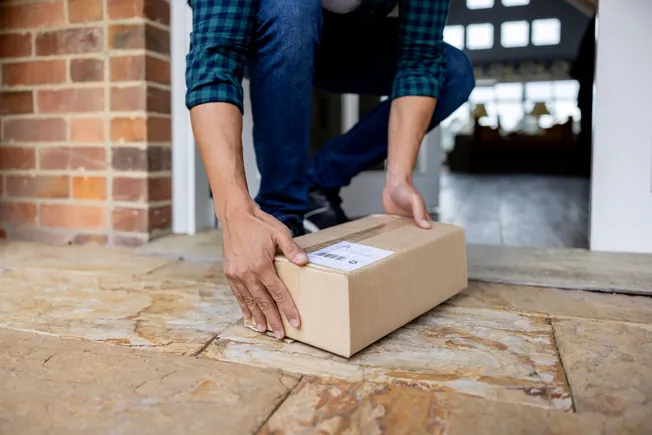
One of the most consistent findings from Ryder’s annual surveys is the overwhelming consumer preference for receiving e-commerce shipments in boxes rather than mailer bags. This preference, reported consistently across 2025 and 2026, speaks volumes about consumer expectations regarding product integrity and packaging utility. However, the underlying reasons for this choice have demonstrably shifted, providing crucial insights for packaging innovation and supply chain strategies.
Enduring Preference for Boxes
In the 2026 study, consumers unequivocally reaffirmed their preference for boxes. This isn’t merely a aesthetic choice; it’s rooted in practical considerations and evolving environmental consciousness. Boxes are often associated with a more substantial, higher-quality delivery, and their structural integrity provides a tangible sense of security for the product within.
Shifting Rationales for Boxes
The motivations behind this preference tell a compelling story of changing priorities.
In 2026:
- Protection during transit was cited by 32% of consumers as the primary reason for preferring boxes. While still the leading factor, this figure represents a four-percentage-point decrease compared to the previous year. This suggests that while product safety remains critical, other factors are gaining ground.
- Reuse of boxes was a significant driver for 29% of respondents, indicating a strong consumer inclination towards circularity and maximizing the utility of packaging materials.
- Eco-friendliness emerged as a powerful motivator, with 20% of consumers choosing boxes for this reason. This marks a substantial six-percentage-point jump from 2025, highlighting the accelerating integration of environmental concerns into purchasing decisions. Consumers increasingly perceive corrugated boxes as more recyclable and therefore more sustainable than other packaging alternatives.
The Case for Mailer Bags
While less preferred overall, mailer bags still serve a niche, and the reasons for their selection also reveal interesting shifts.
In 2026, among those who preferred mailer bags:
- Easier disposal was cited by 10% of respondents, an increase from the previous year, suggesting that for certain items or consumers, the convenience of disposal outweighs other considerations.
- Reuse was reported by 5%, a decrease from 2025, indicating that while some consumers repurpose bags, the trend for bag reuse is not as strong or growing as it is for boxes.
- Taking up less space was a reason for 6% of respondents, a practical consideration for those with limited storage or who value compact deliveries.
Wolpov elaborated on the perceptual differences between the two formats: "Even though bags are fairly durable, they do not provide the same amount of protection in transit as boxes. And then there is the perception that [boxes are] more environmentally friendly, that corrugated can be recycled." This distinction between actual durability and perceived protection, coupled with the growing emphasis on recyclability, underscores the need for brands to align their packaging choices with both functional requirements and consumer perceptions of sustainability.
The Power of the Unboxing Experience: Sustainability as a Loyalty Driver
The "unboxing experience" has evolved from a social media trend into a critical touchpoint in the customer journey, offering brands a unique opportunity to reinforce their value proposition and forge lasting connections. The Ryder study confirms that consumers continue to desire premium unboxing experiences, but the specific elements that drive brand loyalty within this experience are undergoing a significant recalibration.
More Than Just Opening a Package
The act of opening a package is no longer a mere formality; it’s an immersive experience that can significantly influence a consumer’s perception of a brand. Wolpov emphasized this, stating, "That unboxing experience is much more meaningful and impactful than just ripping open that bag that they’re then most likely going to throw away." This highlights the sensory, emotional, and psychological impact of packaging design and presentation. A thoughtfully designed unboxing experience can elevate a product, communicate brand values, and create a memorable moment that encourages repeat purchases.
Loyalty Drivers Reconfigured
Historically, incentives like coupons and discounts have been the primary drivers of brand loyalty within the unboxing experience. While they still lead in 2026, their influence has notably diminished.
- Coupons and discounts led the reasons for brand loyalty at 47% in 2025. While still the top factor in 2026, responses in this category dropped notably compared to the previous year. This suggests that while price incentives are appreciated, they are becoming less of a standalone differentiator.
- Conversely, packaging sustainability as a driver for brand loyalty saw a significant increase, climbing six percentage points from 2025. This surge indicates that environmentally conscious packaging is no longer a peripheral concern but a core expectation that directly impacts a consumer’s willingness to re-engage with a brand.
Wolpov articulated the profound implication of this shift: "When I am opening something, [if] sustainability is important to me, if my retail experience can correspond with my personal preferences, I’m more likely to buy from that brand again in the future." This alignment between personal values and brand practices is a potent catalyst for loyalty. Furthermore, the study reveals that "consumers that we surveyed are more likely to pay more for that sustainability," signaling a tangible economic benefit for brands that invest in eco-friendly packaging solutions. This willingness to pay a premium underscores that sustainability is no longer just a cost center but a value driver that can command higher prices and foster deeper customer relationships.
The Strategic Advantage of Returnless Refunds: Convenience Meets Eco-Consciousness
Beyond the initial delivery and unboxing, the post-purchase experience, particularly regarding returns, plays a pivotal role in shaping consumer loyalty and perception. The Ryder study shines a light on another critical differentiator: the appeal of returnless refunds.
Returnless refunds, where consumers receive a refund without having to send the item back, are gaining significant traction. Ryder found that a striking 67% of survey respondents expressed a desire to shop again with a brand that offers this feature. This high percentage highlights the immense value consumers place on convenience and frictionless post-purchase processes.
Wolpov elaborated on the multifaceted appeal of returnless refunds, connecting them directly to both customer experience and environmental concerns. "They feel as if it’s environmentally friendly, you care more about the environment than shipping again and utilizing the carbon footprint to get goods back in a new box," he explained. This perception is powerful; it positions the brand as not only customer-centric but also environmentally responsible, aligning with the growing eco-conscious sentiment. "This is a way of really leaning in to the eco-friendly consumers’ expectations and their experience," Wolpov added, underscoring its potential as a strategic lever for brands. By minimizing the logistical burden and environmental impact associated with traditional returns, brands can significantly enhance customer satisfaction and build a reputation for sustainability.
Implications for Retailers and Logistics Providers: Navigating the New Consumer Imperatives
The findings from Ryder’s 2026 E-commerce Consumer Study offer a compelling blueprint for retailers, logistics providers, and packaging companies seeking to thrive in a dynamic market. The era of undifferentiated, price-driven e-commerce is rapidly giving way to one where experience, authenticity, and environmental responsibility are paramount.
Adapting Supply Chains and Packaging Strategies
Businesses must critically re-evaluate their entire supply chain, from sourcing materials to last-mile delivery. The preference for boxes and the rising importance of packaging sustainability necessitate a focus on:
- Sustainable Materials: Investing in recyclable, recycled-content, or compostable packaging options.
- Optimized Packaging Design: Ensuring packaging is right-sized to minimize waste and damage, while also enhancing the unboxing experience.
- Clear Communication: Educating consumers about the sustainability features of their packaging and products.
- Operational Efficiency: Streamlining logistics to reduce carbon footprint, from warehouse operations to route optimization.
Enhancing the Customer Journey
The holistic customer journey must be prioritized, moving beyond simply getting a product from point A to point B. This includes:
- Personalized Experiences: Tailoring packaging or delivery options where feasible.
- Transparent Communication: Providing clear updates on order status and delivery times.
- Seamless Post-Purchase Support: Implementing efficient, customer-friendly return policies, with returnless refunds emerging as a significant differentiator.
- Brand Storytelling: Using packaging and communication to convey a brand’s commitment to quality, sustainability, and customer satisfaction.
Investing in Sustainable Practices
Sustainability is no longer a niche marketing tactic but a core business imperative. Brands that genuinely embed sustainable practices into their operations—from product development to packaging and logistics—will garner greater trust and loyalty from consumers increasingly willing to pay a premium for such commitments. This includes exploring innovative solutions for packaging reuse, recycling infrastructure, and carbon offsetting.
The Role of Technology and Data
Leveraging data analytics to understand nuanced consumer preferences and predict future trends will be crucial. Technology can also enable more sustainable logistics, from AI-driven route optimization to automated packaging solutions that minimize material usage. Tracking and reporting on sustainability metrics will also become increasingly important for transparency and accountability.
Competitive Differentiation in a Crowded Market
In an e-commerce landscape teeming with options, these insights offer a potent avenue for differentiation. Brands that successfully marry premium experiences with demonstrable sustainability efforts will stand out, cultivate deeper loyalty, and command a stronger market position. This requires a proactive, strategic approach that anticipates consumer needs rather than merely reacting to them.
Methodology and Future Outlook
The 2026 Ryder E-commerce Consumer Study was conducted by a third party, surveying 1,160 consumers in March 2026. This robust methodology provides a reliable snapshot of current consumer sentiment and year-over-year shifts.
Looking ahead, it is likely that consumer demands for both premium experiences and sustainability will continue to intensify. Regulatory pressures for sustainable packaging and logistics are also expected to grow, further compelling businesses to innovate. The ongoing evolution of e-commerce will undoubtedly bring new challenges and opportunities, but the core message from this study is clear: success in the digital retail sphere will increasingly hinge on a brand’s ability to deliver an exceptional, values-aligned experience that resonates deeply with the modern, discerning consumer.
Conclusion
The latest Ryder E-commerce Consumer Study paints a vivid picture of a retail landscape in flux. While e-commerce maintains its dominant position, the consumer’s calculus for engagement has expanded significantly. The ascendancy of premium experiences and sustainability, coupled with a nuanced approach to value, signals a new era for online retail. Brands that recognize and proactively respond to these evolving priorities—through thoughtful packaging choices, compelling unboxing experiences, and customer-centric return policies—will not only secure immediate sales but also cultivate the deep, enduring loyalty essential for long-term success in the competitive digital marketplace. The future of e-commerce belongs to those who prioritize purpose alongside profit, delivering not just products, but truly meaningful experiences.
About the Author