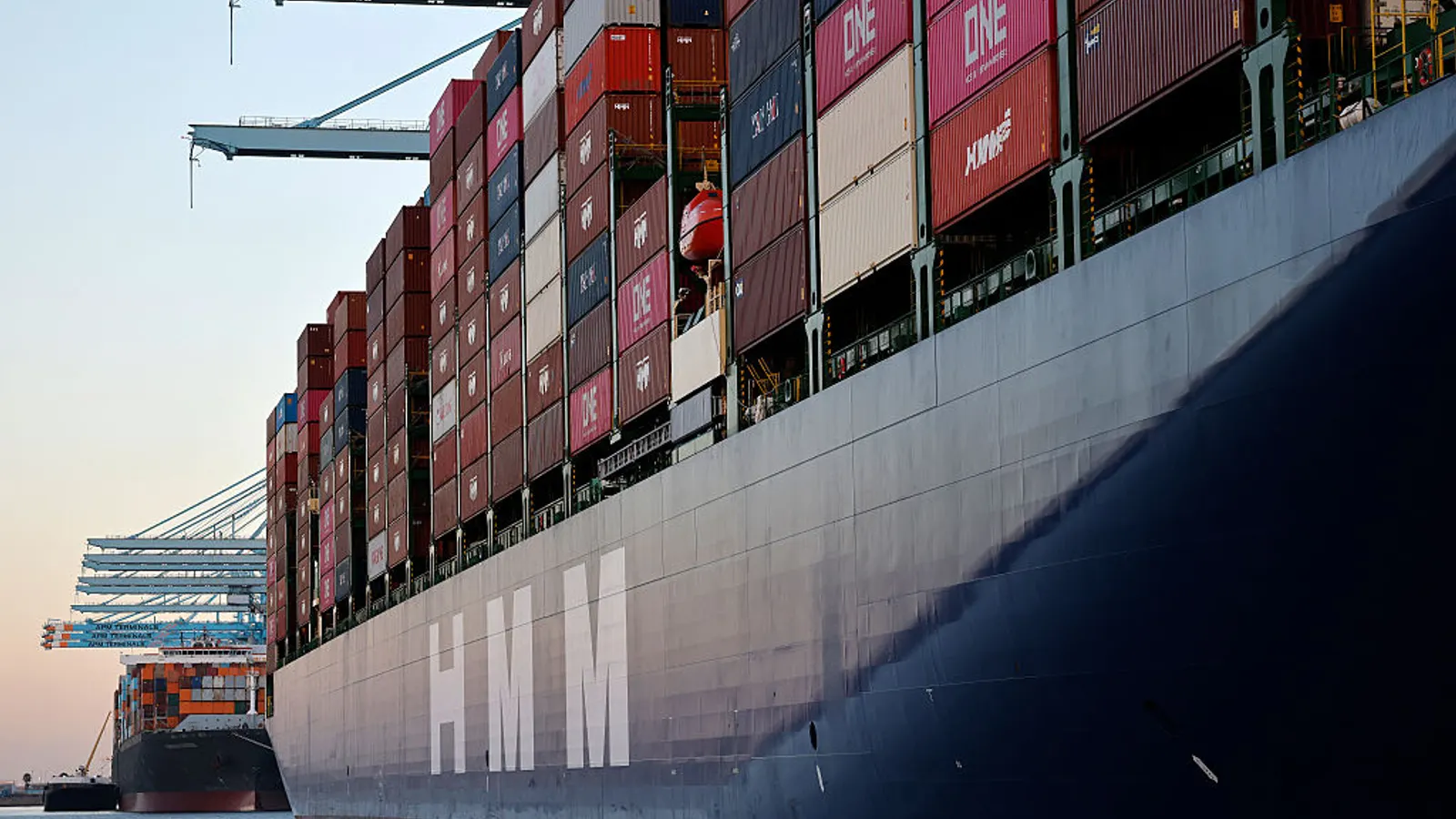
Washington D.C. — As global supply chains continue to grapple with persistent instability and elevated operational costs, a powerful coalition of U.S. shipper associations, trade groups, and logistics providers has issued an urgent plea to U.S. Trade Representative (USTR) Jamieson Greer. The industry stakeholders are calling for a critical extension of the current suspension on Section 301 vessel fees imposed on China-linked shipping, warning that their reintroduction could unleash a fresh wave of economic disruption and exacerbate inflationary pressures.
The fees, initially slated to take effect in October 2025 but suspended just weeks later, are set to expire on November 9, 2026. The impending deadline has ignited widespread concern across sectors ranging from retail and manufacturing to agriculture, all of which rely heavily on efficient and cost-effective ocean transportation to move goods into and out of the United States. In a comprehensive letter dated September 23, 2026, the groups underscored the imperative of maintaining the pause to safeguard American businesses, consumers, and the broader economy from what they describe as immediate and far-reaching consequences.
This critical juncture arrives amidst a backdrop of ongoing geopolitical tensions and an upcoming high-stakes meeting between President Donald Trump and Chinese President Xi Jinping in Washington, D.C. The decision by the USTR will not only shape the immediate future of ocean freight dynamics but also serve as a barometer of the administration’s strategic approach to managing complex trade relations with China.
The Heart of the Matter: Easing Economic Uncertainty
The core argument put forth by the National Retail Federation (NRF), the Retail Industry Leaders Association (RILA), the Agriculture Transportation Coalition (AgTC), and numerous other signatories revolves around the pressing need for stability in an already tumultuous market. Stakeholders contend that the re-imposition of these fees would inject a significant dose of uncertainty into an ocean freight landscape already characterized by fluctuating rates, constrained capacity, and persistent logistical bottlenecks.
"Imposing new or resumed fees on China-built or China-linked vessels would create immediate and far-reaching consequences for U.S. companies that rely on ocean transportation to move goods into and out of the United States," the industry coalition emphatically stated in their letter to Ambassador Greer. This sentiment reflects a shared apprehension that additional costs would inevitably trickle down the supply chain, impacting consumer prices and potentially dampening economic growth.
The proposed fees, which could range from $18 per net ton to an staggering $120 per container, with annual escalations, were designed to target vessels either built in China or owned or operated by entities linked to the country. While exceptions were made, the broad scope of the policy meant a significant portion of the trans-Pacific shipping fleet could fall under its purview.
A Chronology of Policy and Pause
The journey of these controversial fees began over a year ago, stemming from a comprehensive Section 301 investigation launched by the USTR into China’s alleged market-distorting practices within the global logistics, maritime, and shipbuilding sectors. This investigation was a cornerstone of President Donald Trump’s broader strategy to bolster and redefine the United States’ influence in ocean shipping, aiming to restore what his administration termed "maritime dominance."
October 2025: The USTR announced that fees on China-linked vessels would commence, with varying rates based on vessel type and ownership. This announcement was met with mixed reactions, with some industry voices supporting the move as a necessary measure to counter unfair trade practices, while others immediately voiced concerns about the potential for increased costs and retaliatory actions.
November 10, 2025: Citing unforeseen market dynamics and the immediate need to prevent economic shocks, the USTR announced a temporary suspension of the Section 301 vessel fees. This decision provided a temporary reprieve for shippers and carriers, allowing them to navigate the complexities of global trade without the added burden of the new tariffs. The suspension was initially set to last for one year.
September 23, 2026: The coalition of industry groups dispatches its urgent letter to USTR Jamieson Greer, formally requesting an extension of the fee suspension beyond its impending November 9, 2026 expiration date. The letter highlights the continuing challenges faced by the supply chain and warns of the detrimental effects of reintroducing the fees.
November 9, 2026: The current suspension of the Section 301 vessel fees is scheduled to lapse, setting the stage for their potential re-imposition. The decision from the USTR is eagerly awaited by stakeholders worldwide.
The original investigation itself, detailed in a USTR report, painted a picture of China’s extensive state-led efforts to dominate global maritime logistics and shipbuilding. The report highlighted concerns about subsidies, intellectual property theft, and other non-market practices that allegedly undermined fair competition and diminished the U.S. role in critical supply chain infrastructure. The fees were conceived as a retaliatory measure to compel China to address these concerns and level the playing field.
Supporting Data: A Market Under Pressure
The industry’s call for an extension is not merely a reactive measure but a response to concrete and compounding challenges within the global supply chain. The September 23 letter meticulously details the existing pressures that would be exacerbated by the reintroduction of the Section 301 fees:
1. Elevated Transportation Costs: Despite some fluctuations, overall ocean freight rates remain significantly higher than pre-pandemic levels. Factors such as persistent fuel price volatility, labor shortages across the logistics ecosystem (from port workers to truck drivers), and ongoing geopolitical disruptions contribute to a high-cost environment. Adding punitive fees would directly translate to even higher shipping expenses, which retailers and manufacturers would likely pass on to consumers, further fueling inflation.
2. Shifting Carrier Capacity and Blank Sailings: The ocean shipping industry continues to experience dynamic shifts in capacity management. Carriers frequently adjust schedules and implement "blank sailings" (canceled voyages) in response to demand fluctuations, port congestion, and operational challenges. This unpredictability makes long-term planning difficult for shippers and can lead to sudden capacity shortages and rate spikes. Introducing new fees could further incentivize carriers to re-evaluate service routes or even reduce calls to U.S. ports if the cost burden becomes too high.
3. Equipment Availability Challenges: The availability of shipping containers, particularly specialized equipment, remains a recurring headache for shippers. Imbalances in trade flows and logistical inefficiencies often lead to containers being stranded in certain regions, creating shortages elsewhere. New fees could complicate container repositioning strategies, potentially making it more expensive to move empty containers to where they are needed most, thus exacerbating equipment scarcity.

4. Port and Inland Network Constraints: U.S. ports and their interconnected inland transportation networks are still vulnerable to congestion and operational bottlenecks. While some improvements have been made since the height of the pandemic, labor disputes, infrastructure limitations, and surges in cargo volumes can quickly overwhelm existing capacities. The introduction of new fees could add another layer of complexity, potentially leading to increased dwell times for vessels and cargo, further straining an already taut system.
5. Broader Uncertainty in Global Trade Lanes: Beyond the immediate operational concerns, the global trade environment itself is fraught with uncertainty. Geopolitical tensions, trade disputes, and economic slowdowns in key markets contribute to a volatile landscape. The Section 301 fees, viewed by some as a protectionist measure, could invite retaliatory tariffs or trade barriers from China, creating a dangerous cycle of escalation that would destabilize global commerce and disproportionately harm U.S. exporters.
The letter explicitly warns that extending the pause on these fees would not only mitigate immediate cost increases but also help agriculture producers and manufacturers maintain cost-effective access to foreign markets. This, in turn, would reduce the risk of retaliatory measures from China and bolster the competitiveness of U.S.-origin goods abroad, a crucial consideration for a nation aiming to expand its export footprint.
Official Responses and Strategic Dilemmas
As of the publication of the industry’s letter, the USTR has not issued an official response regarding the extension of the fee suspension. However, the decision carries significant weight and will undoubtedly involve complex considerations that balance economic realities with strategic geopolitical objectives.
The initial imposition of the Section 301 fees was deeply rooted in the Trump administration’s "America First" trade agenda, which sought to address perceived unfair trade practices by China and reassert U.S. industrial and maritime strength. The rationale was that by making it more expensive for China-linked vessels to operate in U.S. waters, the policy would incentivize the use of non-Chinese shipping options, stimulate domestic shipbuilding, and ultimately shift the balance of power in global maritime trade.
However, even at the time of their announcement, the fees faced significant opposition from within the U.S. business community. The American Association of Port Authorities, for instance, had cautioned that the fees could lead to a reduction in cargo volumes flowing through U.S. trade gateways, thereby undermining the very economic activity they sought to protect. Similarly, the National Retail Federation had warned that potential tariffs on critical port infrastructure, such as cranes and other cargo handling equipment, would be counterproductive to the administration’s overarching goal of strengthening U.S. logistics capabilities.
Ambassador Jamieson Greer, as the USTR, faces a challenging balancing act. On one hand, maintaining the fees aligns with a stated long-term goal of countering China’s influence and strengthening the U.S. maritime sector. On the other hand, the immediate economic fallout, as articulated by a broad coalition of American industries, presents a compelling case for continued caution. The administration must weigh its strategic ambitions against the tangible economic pain that could be inflicted on domestic businesses and consumers already navigating a precarious global economy.
The timing of the industry letter, just ahead of President Trump’s meeting with Chinese President Xi Jinping in Washington, D.C., is also highly significant. Trade issues, particularly those related to China’s industrial policies and market access, are almost certain to be high on the agenda for these discussions. The USTR’s decision on the vessel fees could either serve as a bargaining chip in these negotiations or be influenced by the broader diplomatic context of the summit. An extension could signal a willingness to de-escalate trade tensions, while allowing the fees to resume could be interpreted as a firm stance on U.S. trade enforcement.

Far-Reaching Implications: Who Pays the Price?
The USTR’s decision on November 9 will have cascading implications across the U.S. economy and beyond.
For Consumers: The most immediate and tangible impact would be on consumer prices. Retailers, already facing thin margins and pressure from elevated operating costs, would likely pass on the increased shipping expenses to shoppers. This could manifest as higher prices for a wide range of imported goods, from electronics and apparel to household staples, further straining household budgets in an inflationary environment.
For Retailers and Manufacturers: Businesses relying on global supply chains would face heightened operational complexity and reduced predictability. Increased shipping costs would erode profitability, potentially forcing companies to absorb losses, scale back expansion plans, or seek alternative, potentially less efficient, sourcing strategies. For manufacturers, particularly those dependent on imported components, the fees could disrupt production schedules and increase the cost of finished goods.
For Agriculture: The U.S. agricultural sector, a significant exporter, stands to lose vital access to cost-effective foreign markets if shipping costs rise. Retaliatory measures from China, a major buyer of U.S. agricultural products, could severely impact farmers’ livelihoods and export volumes, jeopardizing the competitiveness of American agriculture on the global stage.
For Ports and Logistics Providers: While the initial intent was to benefit U.S. maritime interests, the fees could paradoxically harm U.S. ports if they lead to reduced cargo volumes or cause carriers to divert vessels to non-U.S. ports. Logistics providers would face increased administrative burdens and potential shifts in demand patterns, requiring costly adaptations to their operations.
For U.S.-China Trade Relations: The decision will be a critical indicator of the trajectory of U.S.-China trade relations. Re-imposing the fees could escalate tensions, potentially triggering further retaliatory actions from Beijing and complicating efforts to find common ground on other pressing global issues. Conversely, an extension could be seen as a gesture of goodwill, fostering a more constructive environment for dialogue and cooperation.
For Global Supply Chain Resilience: The episode highlights the ongoing vulnerability of global supply chains to policy shifts and geopolitical dynamics. Businesses are increasingly seeking resilience and diversification, and unpredictable tariff regimes only add another layer of risk to their long-term planning. The decision will influence how companies strategize their sourcing, manufacturing, and distribution networks in the years to come.
Ultimately, the USTR’s decision will require a delicate balancing act between strategic long-term objectives and immediate economic realities. The broad coalition of U.S. industries has made its position clear: the current economic climate demands a continued pause on these fees to prevent further disruption and support the recovery and stability of the American economy. As the November 9 deadline fast approaches, all eyes remain on Ambassador Greer and the White House, awaiting a decision that will reverberate across global trade lanes and into the pockets of American consumers.
About the Author