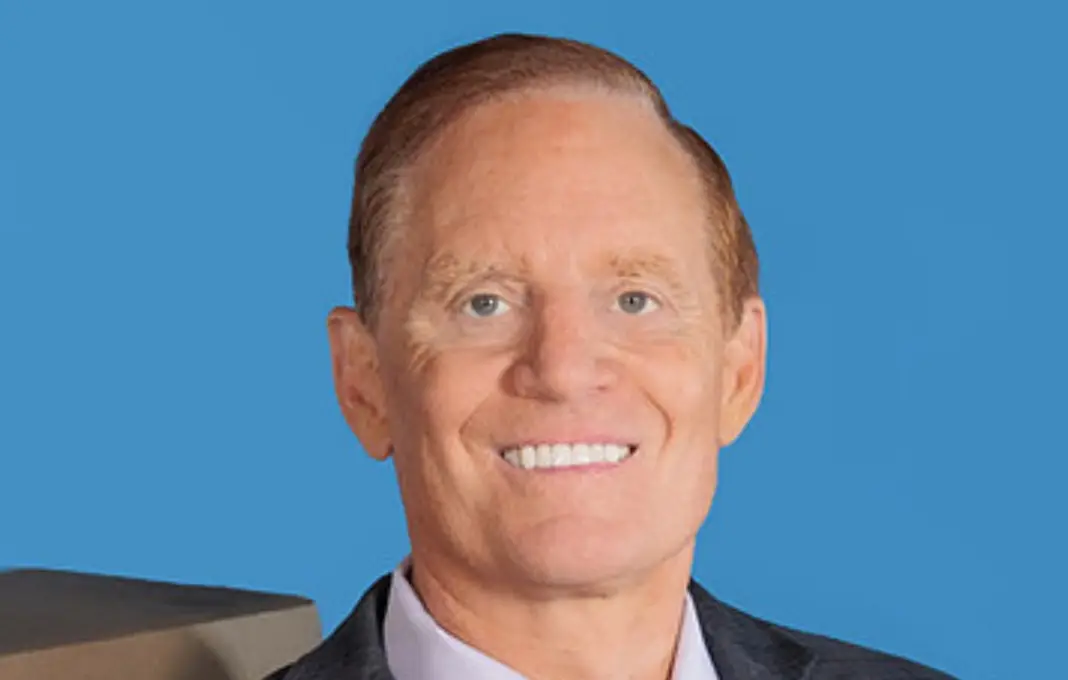
In the high-stakes, physically demanding world of corrugated packaging, the "revolving door" of labor is often accepted as an inevitable operational cost. For decades, manufacturers have struggled to bridge the gap between volatile labor markets and the need for consistent, high-output production. Paul Centenari, the long-time CEO of Atlas Container, has not only navigated these challenges but has fundamentally rewritten the playbook on how to maintain a loyal, high-performing workforce. By eschewing the traditional "command-and-control" leadership model in favor of an radical, empathy-driven strategy, Centenari has steered his company from a $5.5 million operation to one nearing $100 million in annual revenue.
His philosophy is disarmingly simple: "The more you give, the more you get." By treating employees not as line items in a budget, but as essential partners, Centenari has cultivated a culture where, according to his metrics, 85 to 90 percent of the workforce are long-term, committed employees.
The Evolution of a Manufacturing Leader: A Chronology of Change
Centenari’s journey began more than three decades ago when he acquired Atlas Container. At the time, the business was a modest operation with significant room for growth. However, the early years were defined by traditional management styles. It wasn’t until 1996 that a pivotal meeting with Bob Argabright, a plant manager in Maryland, sparked a shift that would define the company’s trajectory.
The 1996 Inflection Point
Argabright introduced Centenari to the concept of "open-book management." At the time, Centenari was looking for ways to improve efficiency without sacrificing morale. The realization that transparency could serve as a catalyst for growth proved transformative. Centenari began to understand that when employees are treated with dignity and provided with the financial literacy to understand the "why" behind their tasks, they stop being mere labor and start becoming stakeholders in the firm’s success.
The Growth Trajectory
Following the implementation of these new cultural pillars, Atlas experienced a period of steady, aggressive growth. By focusing on two core tenets—"always say yes to the customer" and "show appreciation to your people"—Centenari scaled the company significantly. This growth wasn’t merely the result of market forces; it was the result of a deliberate, iterative process of empowering the shop floor to solve problems in real-time.
Supporting Data: The Mechanics of Open-Book Management
For Centenari, open-book management is not a buzzword; it is a granular, day-to-day operational strategy. He argues that most manufacturing workers are already "CPAs when it comes to their own paycheck," and that this financial intuition can be leveraged to benefit the entire organization.
Connecting Effort to Output
The core of this system involves teaching employees to read income statements and tying their daily activities to the company’s financial health through scorecards. These scorecards track:
- Production Speed: Measuring output against historical averages.
- Waste Management: Tracking raw material efficiency.
- Quality Control: Ensuring adherence to standards that satisfy the customer.
- Safety: Prioritizing the well-being of the team.
When a crew sees that their collective effort—such as reducing waste or increasing pieces per hour—directly influences the company’s profitability, their engagement shifts. Centenari notes that this gamification of the workplace, bolstered by performance-based bonuses, creates a competitive drive to "win" rather than just "clock in."
The "Quid Pro Quo" of Efficiency
The system has fostered a culture of mutual accountability. Operators frequently approach management with specific requests—such as fixing a pre-feeder or a printing operation—to hit higher production targets. This dialogue transforms the relationship from a top-down directive to a collaborative negotiation: "If you provide the tools, we will deliver the output."
Official Response: Empathy as a Strategic Asset
Centenari’s approach to human resources extends far beyond the production floor. His commitment to his workforce is rooted in the belief that personal well-being directly impacts professional output.
Investing in Education and Future Generations
One of the most profound aspects of Atlas’s retention strategy is its investment in employee education. The company funds GED programs for employees who never completed high school, celebrating their graduation alongside local community colleges. Furthermore, Centenari has extended this support to the families of his employees, providing tutoring services for their children.
"If their kid is doing better in school, they’re going to appreciate where they work more," Centenari explains. This holistic approach builds a sense of loyalty that financial incentives alone cannot achieve.
The Second Chance Initiative
Perhaps the most unconventional aspect of Atlas’s workforce development is its work-release program with the local prison. Partnering with the Jessup facility, Atlas hires non-violent offenders, providing them with a path to reintegration. Centenari notes that these employees are often the most disciplined, driven by a desire to turn their lives around. While the program presents logistical hurdles—such as transportation issues for formerly incarcerated individuals—Centenari views it as a moral and operational success, occasionally going as far as facilitating vehicle access to ensure reliable attendance.
Implications: Lessons for the Modern CEO
Centenari’s management style offers a stark counter-narrative to the current trend of automation-first solutions. He argues that while infrastructure and technology are important, the human element remains the primary driver of manufacturing excellence.
The Discipline of Headcount
Despite his emphasis on empathy, Centenari maintains a rigorous stance on operational discipline. He warns fellow CEOs about the "natural fantasy" to over-hire during periods of growth. Looking back on a difficult period where he had to reduce his workforce to right-size the company, he stresses that the failure was not in the reduction itself, but in the lack of discipline that led to overstaffing.
"I don’t want to have to send people home because it’s depressing," he says. His current management style involves "watching the headcount hawkishly" to ensure that the business remains lean, agile, and sustainable for the long term.
A Formula for Sustainability
The implications of the Atlas model are clear:
- Transparency Breeds Trust: When employees understand the financial reality of the business, they are more likely to act as partners in its success.
- Investment Returns: Programs that support the personal growth of employees—whether through GEDs or family tutoring—create a stable, loyal workforce that is significantly less susceptible to the "revolving door" phenomenon.
- The "Win" Factor: Humans are naturally competitive. By providing scorecards and clear objectives, leaders can tap into that competitive spirit to drive efficiency.
Final Reflections
As manufacturing continues to face labor shortages and the physical challenges of the plant environment, Centenari’s strategy serves as a blueprint for the future. He proves that "command-and-control" is a relic of the past, and that the future of the industry lies in the empowerment of the individual. By creating a culture where employees feel valued, challenged, and financially invested, Atlas Container has managed to thrive in an industry where many others have faltered.
For the modern CEO, the lesson is simple: If you build a culture that makes your people happy, your customers will naturally follow. It is, in Centenari’s words, a simple, yet powerful, mathematical equation.
About the Author