The landscape of industrial design is in a constant state of flux, oscillating between the revival of nostalgic utility and the aggressive pursuit of high-tech sustainability. This week, the editorial team at Core77 surveyed a broad spectrum of innovation—from the microscopic precision of high-end kitchenware to the macroscopic shifts in international automotive safety standards. As we review the developments between September 14 and September 18, 2026, a clear narrative emerges: designers are increasingly obsessed with longevity, space efficiency, and the re-evaluation of classic forms.
Main Facts: A Diverse Week in Product Development
This week’s design highlights underscore a multidisciplinary approach to problem-solving. We witnessed a convergence of high-fashion industrial aesthetics and practical, everyday utility.

Key takeaways include:
- Material Innovation: The shift toward premium, non-traditional materials—such as titanium for kitchen cooling and cork for sustainable furniture—is redefining consumer expectations for durability.
- Regulatory Shifts: The automotive industry is seeing a pivotal moment as Chinese manufacturers secure 5-star safety ratings in the European market, signaling a global shift in manufacturing quality and compliance standards.
- Minimalist Functionality: Designers like Hirotaka Tako and the firm Big Game are stripping away the "tech-heavy" aesthetic of functional objects, opting instead for clean lines that hide the mechanics of utility.
- The Circular Economy: A focus on "well-worn objects" highlights a growing cultural appreciation for patination and the beauty of long-term product lifecycles.
Chronology of Design Developments
The week was marked by a steady stream of product reveals and cultural critiques:

- Monday (Sept 14): We opened the week with the cooling properties of frozen titanium spheres—a luxury alternative to traditional ice that avoids dilution. This was paired with an examination of the global automotive market, specifically the rising safety standards of Chinese-made vehicles in the EU.
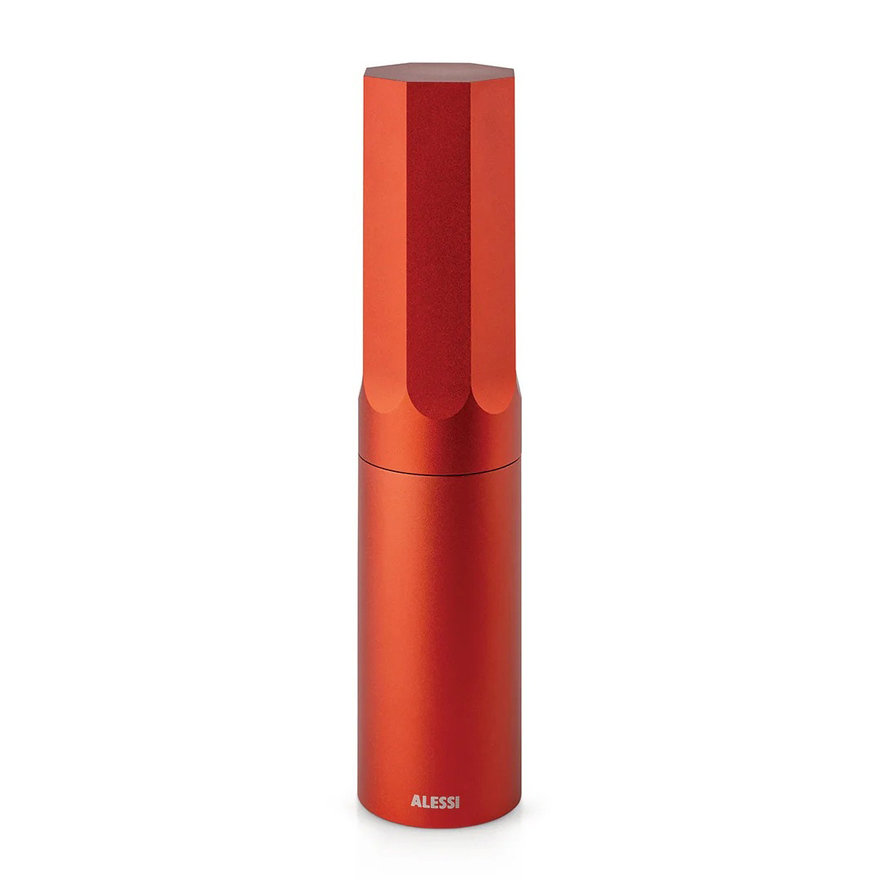
- Tuesday (Sept 15): The focus shifted to kitchen and home aesthetics. Konstantin Grcic’s industrial-leaning grinder for Alessi set a high bar for domestic tools, while Cea Design unveiled a Modernist hideaway toilet, pushing the boundaries of bathroom architecture.
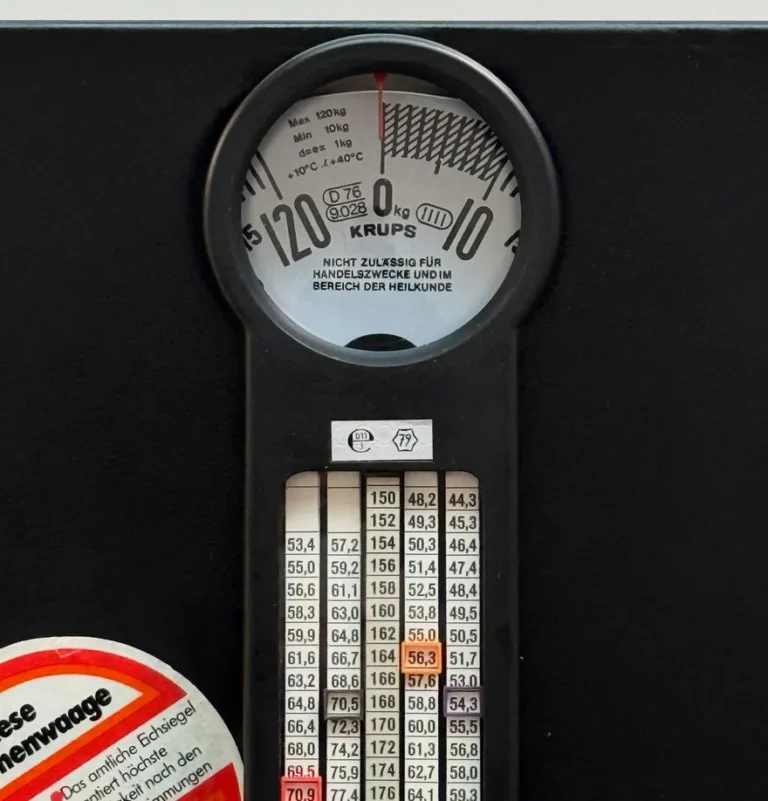
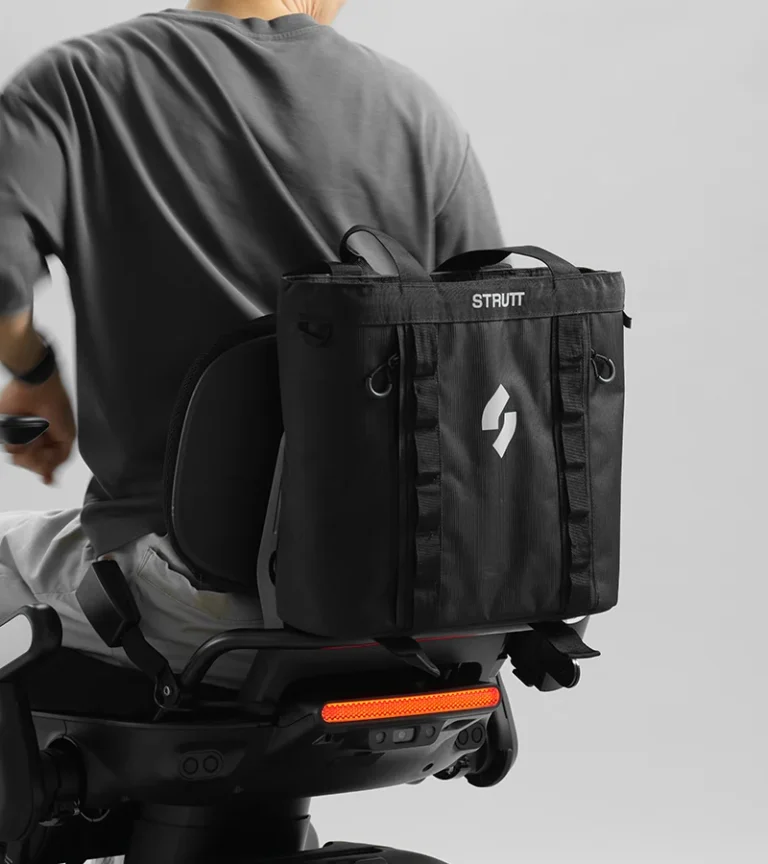
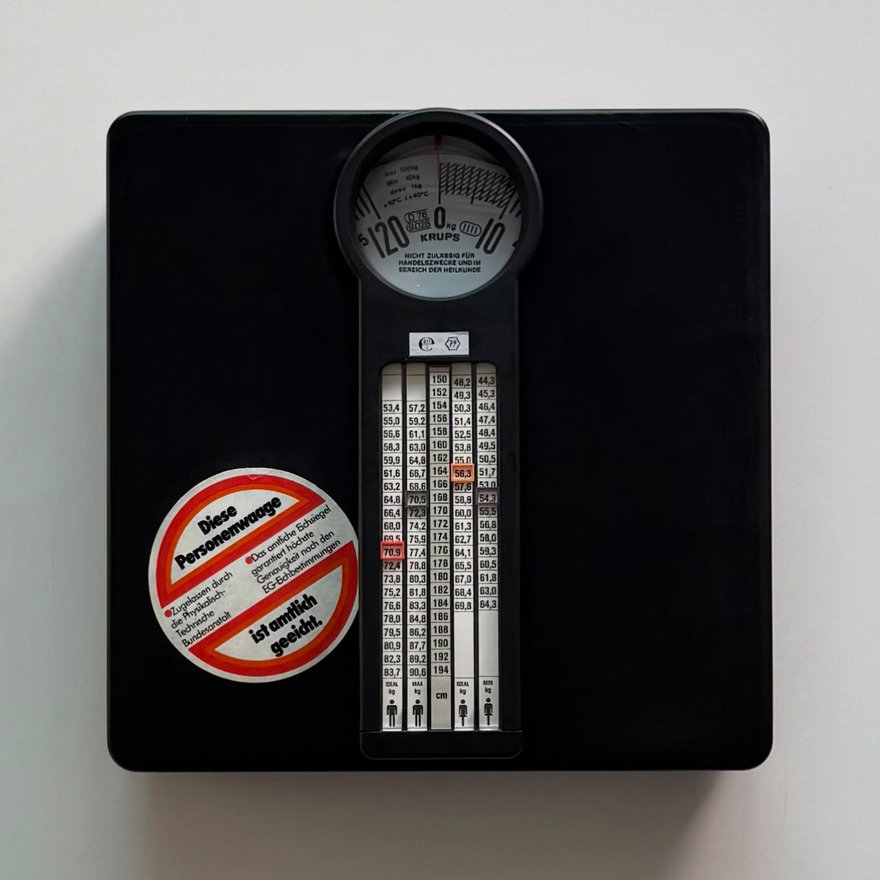
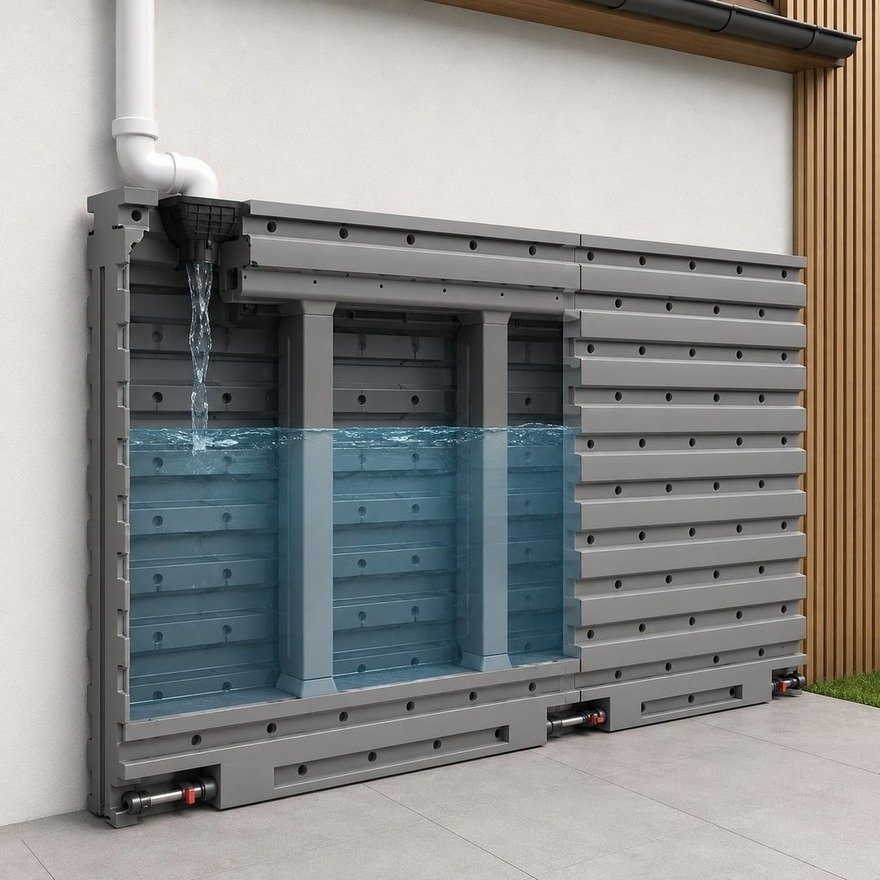
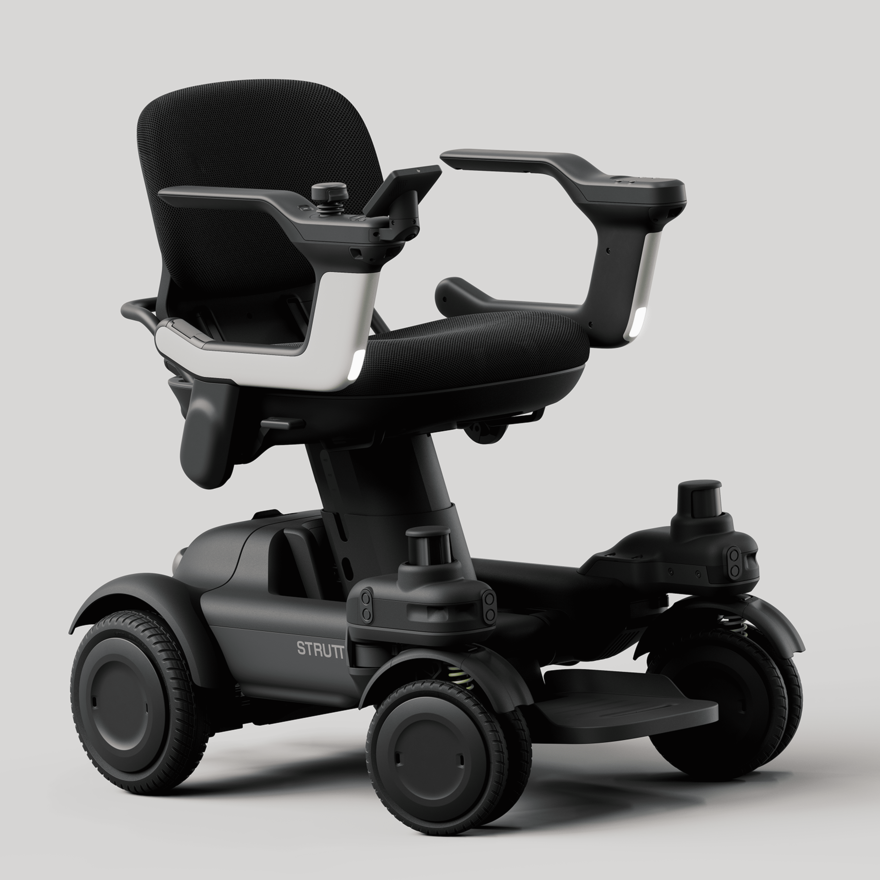
- Wednesday (Sept 16): We explored the history and the future of utility. A 1970s weight scale served as a nostalgic touchpoint, followed by the "Rainwater Wall," a practical, space-saving solution for urban water harvesting. We also debuted Strutt’s powered wheelchair—a design that navigates the legal complexities of "mobility aid" classification.
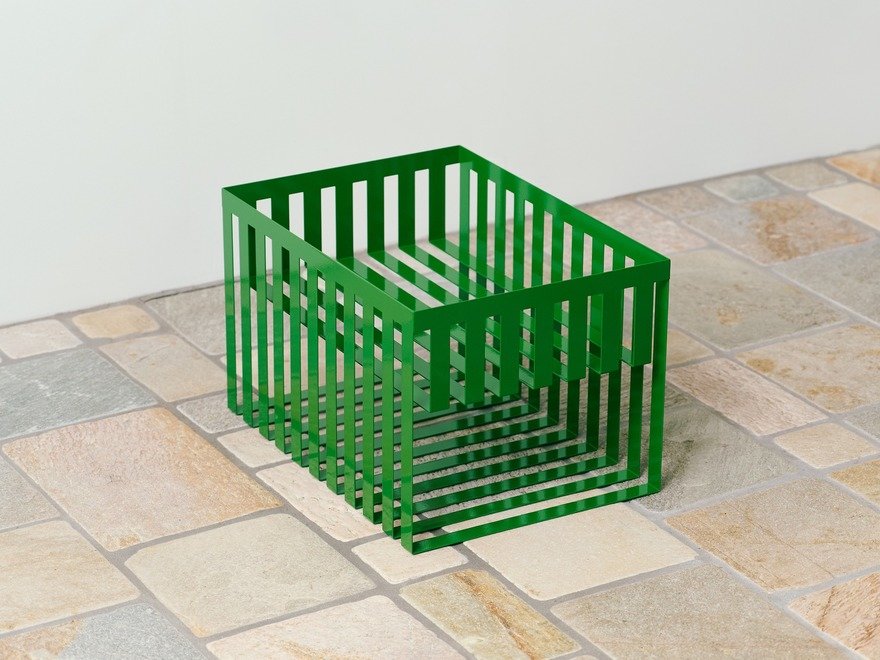
- Thursday (Sept 17): Materiality took center stage. Erina Caldeira’s steel baskets offered a fresh take on traditional weaving, while a visual essay on "well-worn objects" prompted a discussion on the intrinsic value of products that age gracefully.
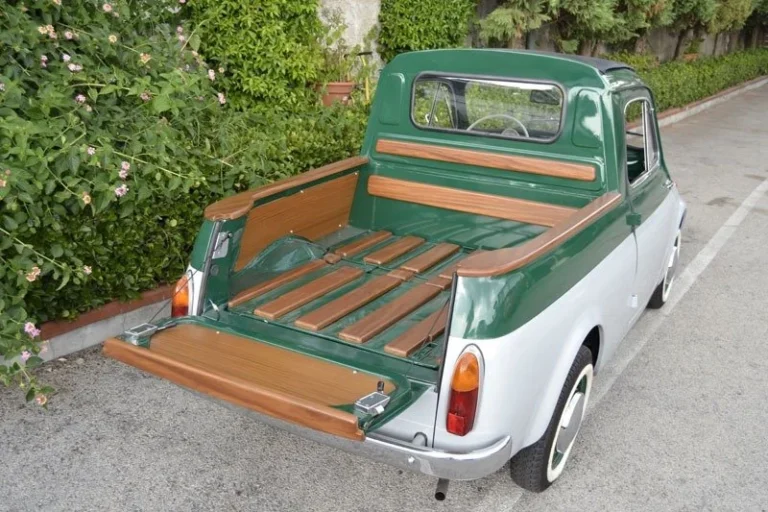
- Friday (Sept 18): The week concluded with a look toward the future of aerodynamics via Volkswagen’s "Mission Efficiency," the sustainable comfort of Chiara Verde’s cork lounge chair, and the clever, minimalist accessories for power strips by Big Game. We capped off the week with a nod to automotive history, featuring a 1973 Fiat pickup truck.
Supporting Data and Technical Analysis
The Automotive Safety Paradigm Shift
The most significant industrial news of the week involves the European New Car Assessment Programme (Euro NCAP). For years, the global perception of non-European vehicle safety was clouded by older testing data. However, 2026 reporting confirms that Chinese manufacturers are now consistently achieving 5-star ratings. This is not merely a marketing triumph; it is a result of rigorous compliance with European safety protocols, which are significantly more stringent than those currently enforced in many U.S. markets. This shift suggests that the "barrier to entry" for global automotive dominance is no longer engineering capacity, but regulatory adaptability.
Ergonomics vs. Aesthetics
In the furniture and domestic product sector, we are seeing a "minimalist trap" being successfully avoided by designers like Hirotaka Tako. His "Allround" wheeled stool is a masterclass in concealing function. By hiding the mechanical components of the wheels, the object retains the visual language of a high-end art piece while maintaining the utility of a workspace tool. This reflects a broader trend: the "smart home" look is being replaced by the "calm home" look, where technology is integrated so seamlessly that it becomes invisible.

Official Responses and Industry Commentary
The discourse surrounding these products has been largely positive, with a focus on the "legal" and "practical" hurdles of design.
Regarding the Strutt powered wheelchair, industry analysts have noted the ongoing struggle between designers and regulators. By creating a device that is technically "not a wheelchair" for legal reasons, the design team is forcing a conversation about how we classify mobility aids. The industry response has been one of cautious optimism; designers are effectively using "regulatory loopholes" to innovate faster than the law can update.
Similarly, the Rainwater Wall has garnered praise from environmental design circles. By flattening the traditional, bulky rain barrel into a modular wall unit, the design addresses the primary obstacle to residential water harvesting: footprint. Urban planning experts have suggested that if such designs were standardized, they could significantly reduce municipal water loads in drought-prone regions.
Implications: The Future of "Well-Worn" Design
The most philosophical contribution of this week’s lineup is the examination of "well-worn objects." In an era of rapid consumption and "planned obsolescence," the editorial staff’s focus on objects that have stood the test of time acts as a manifesto for the future.
1. The Death of the "Disposable" Aesthetic
The success of designers like Chiara Verde (working with sustainable, resilient cork) suggests that the market is moving away from plastics and toward materials that gain character with age. The goal is no longer to make a product look "new" for ten years, but to ensure it functions perfectly for twenty and looks better at the end of its life than it did at the beginning.
2. Aerodynamics as a Sustainability Metric
Volkswagen’s Mission Efficiency project highlights that aerodynamic design is not just a stylistic choice from the 1980s or 90s—it is an essential tool for the EV era. As range anxiety persists, the return of "slipperier" car shapes is inevitable. We anticipate that by 2030, vehicle design will be almost entirely dictated by drag coefficients, leading to a new, uniform "aerodynamic aesthetic" that is both highly efficient and visually distinct.
3. Modular Power Management
The partnership between Pedestal and the design firm Big Game highlights a quiet but vital change in our living spaces. As our reliance on power increases, the "power strip" has moved from a hidden utility to a visible accessory. By designing modular, aesthetically pleasing power solutions, companies are acknowledging that the "home office" is now the "home core."
Conclusion: Designing for Longevity
As we close the book on the week of September 18, 2026, the trajectory of industrial design is clear. The focus is shifting away from "disruptive" tech and toward "enduring" utility.
Whether it is the titanium sphere that cools your drink without diluting it, the cork chair that offers comfort without ecological guilt, or the rainwater system that turns a utility tank into a piece of home architecture, the common thread is intentionality. Designers are no longer just solving for the "now"; they are solving for the "long-term."
The challenge for the coming year will be to see if these high-end, thoughtful designs can be scaled to reach a broader audience. Can we move from artisanal, limited-run "modernist toilets" and "steel baskets" to mass-produced, sustainable goods that maintain the same level of integrity? Based on the trends we’ve observed this week, the industry is not only ready to take on that challenge—it is already well on its way.
We invite our readers to continue engaging with these concepts, to look at the objects in their own homes, and to ask: Is this designed to be used, or is it designed to be replaced? The answer to that question will define the next decade of design.
About the Author