In the high-stakes world of industrial manufacturing, the difference between a facility that hums with consistent, record-breaking uptime and one plagued by "firefighting" maintenance cycles often comes down to a single, frequently overlooked factor: the thin film of oil separating metal components.
Oil does far more than reduce friction in rotating equipment. It is a multi-functional workhorse that seals internal clearances, carries away destructive heat, inhibits corrosion, suspends microscopic contaminants, and acts as a protective barrier for precision bearings. When this lifeblood is compromised, the mechanical integrity of the entire machine begins a rapid, often irreversible, decline.
For plant managers and maintenance engineers, understanding the science of lubrication is not merely a technical necessity; it is a fundamental pillar of operational reliability.
Main Facts: The Four Pillars of Lubrication
The core of effective lubrication management rests on four immutable principles: the right lubricant, the right amount, the right interval, and the absolute elimination of contamination.
When these pillars are maintained, equipment can operate for decades, often far exceeding original design specifications. When they are neglected, catastrophic failure ceases to be a possibility and becomes an inevitability. Most industrial equipment failures—including overheating motors, seized gearboxes, and locked-up compressors—share a common origin: they were entirely preventable, and the first warning signs were almost always present within the lubricant itself.
Chronology of Neglect: How Lubrication Failure Unfolds
Lubricant degradation is rarely instantaneous. It follows a predictable, albeit silent, timeline that, if monitored, can be intercepted by a proactive maintenance team.
- The Introduction of Contamination: Whether through a dusty funnel during an oil top-off or the ingress of moisture in a low-load environment, the lubricant’s protective chemistry begins to falter.
- Chemical Breakdown: As contaminants accumulate, the additive package—designed to neutralize acids and resist oxidation—begins to deplete.
- Physical Manifestation: The oil’s viscosity shifts. It may become too thin to maintain a load-bearing film or too thick due to sludge formation, increasing internal friction and heat.
- Component Distress: Heat accelerates the wear of seals and bearings. Micro-pitting begins to occur on metal surfaces.
- Catastrophic Failure: The "lifeblood" can no longer protect the moving parts, leading to a seizure or total mechanical breakdown that halts production lines.
Supporting Data: Why "Hours of Operation" is a Deceptive Metric
A common misconception in plant maintenance is the reliance on "run hours" as the sole indicator for oil changes. Data indicates that operating conditions—ambient temperature, dust levels, moisture, and duty cycles—frequently exert a greater influence on lubricant health than the number of hours the machine has been powered on.
The Myth of Low Load
Operators often assume that machines running at light loads or in "unload" mode put less strain on their lubricant. In reality, these machines often fail to reach the sustained operating temperatures required to evaporate internal moisture. This trapped moisture promotes acid formation and sludge, effectively "killing" the oil long before the manufacturer’s recommended hour limit is reached.
Mineral vs. Synthetic Performance
Comparative studies show that while mineral oils remain a cost-effective standard for intermittent-duty equipment, their reliance on base stocks makes them prone to oxidation under high-heat, high-pressure environments. Synthetic lubricants, such as polyalphaolefin (PAO) and polyalkylene glycol (PAG) formulations, are engineered for thermal stability. They provide consistent viscosity across wider temperature ranges and can extend service intervals from 2,000–4,000 hours to 8,000+ hours, significantly lowering the total cost of ownership.
Official Insights: The 10 Worst Practices in Lubrication
Industry experts and equipment manufacturers have identified ten recurring "worst practices" that erode the lifespan of rotating assets.
1. The "Little Bit of Dirt" Fallacy
Cleanliness is next to godliness in lubrication. Even microscopic particles can act as an abrasive paste. The fix is strictly procedural: clean funnels, sealed containers, and filtered transfers.
2. Ignoring Operating Temperatures
If a compressor isn’t running hot enough to drive off moisture, you have a problem. Low operating temperatures can be just as damaging as overheating.
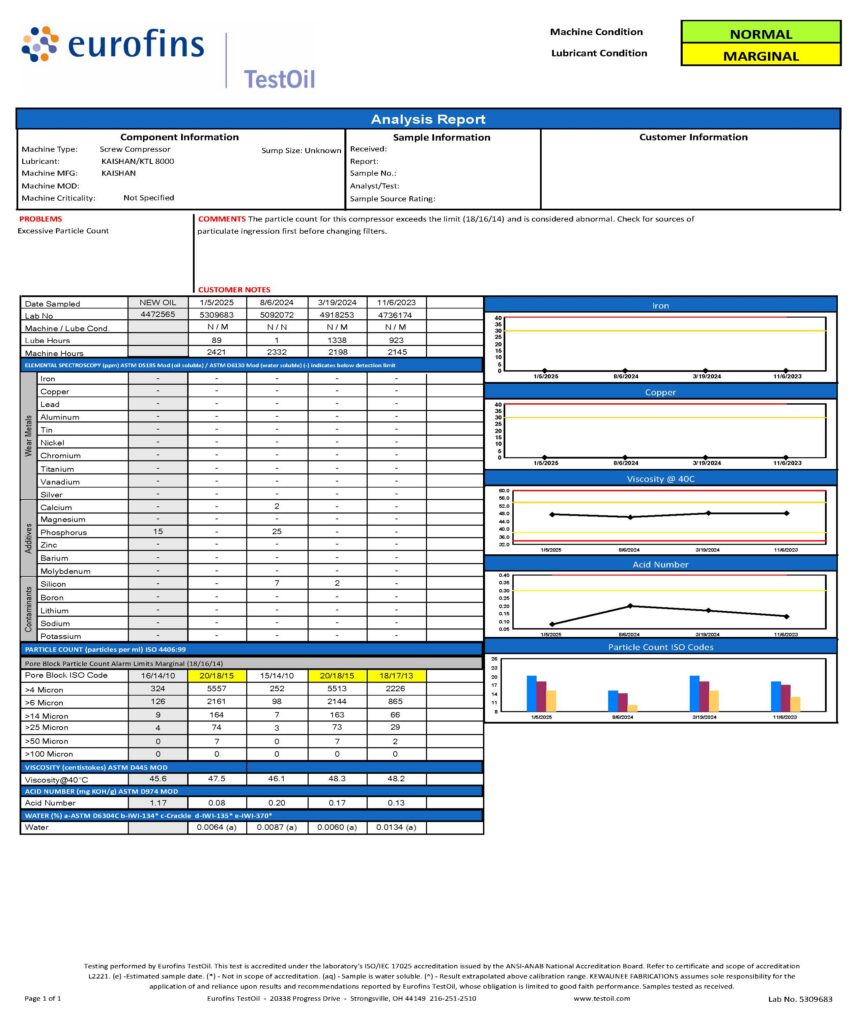
3. Neglecting Oil Analysis
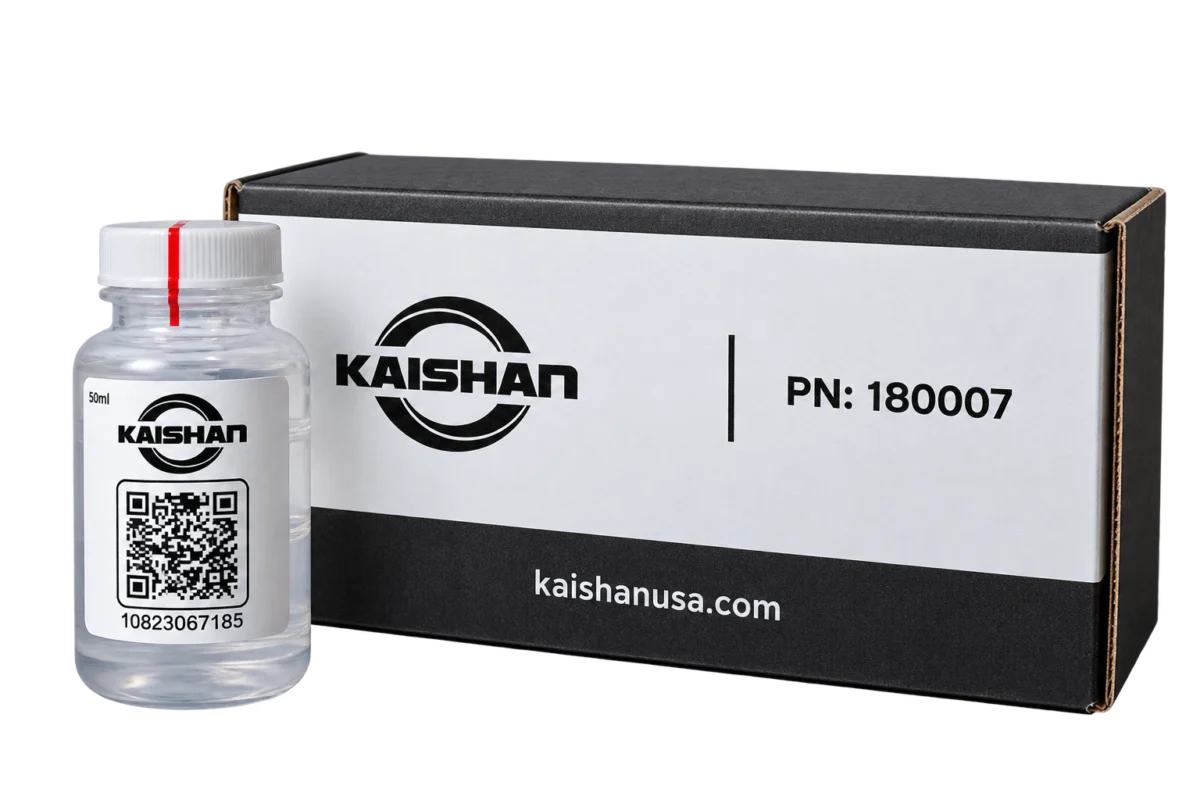
Routine oil analysis is the "blood test" for your machine. It reveals bearing wear, coolant intrusion, and viscosity degradation long before a catastrophic event occurs.
4. The "All Oils are Equal" Myth
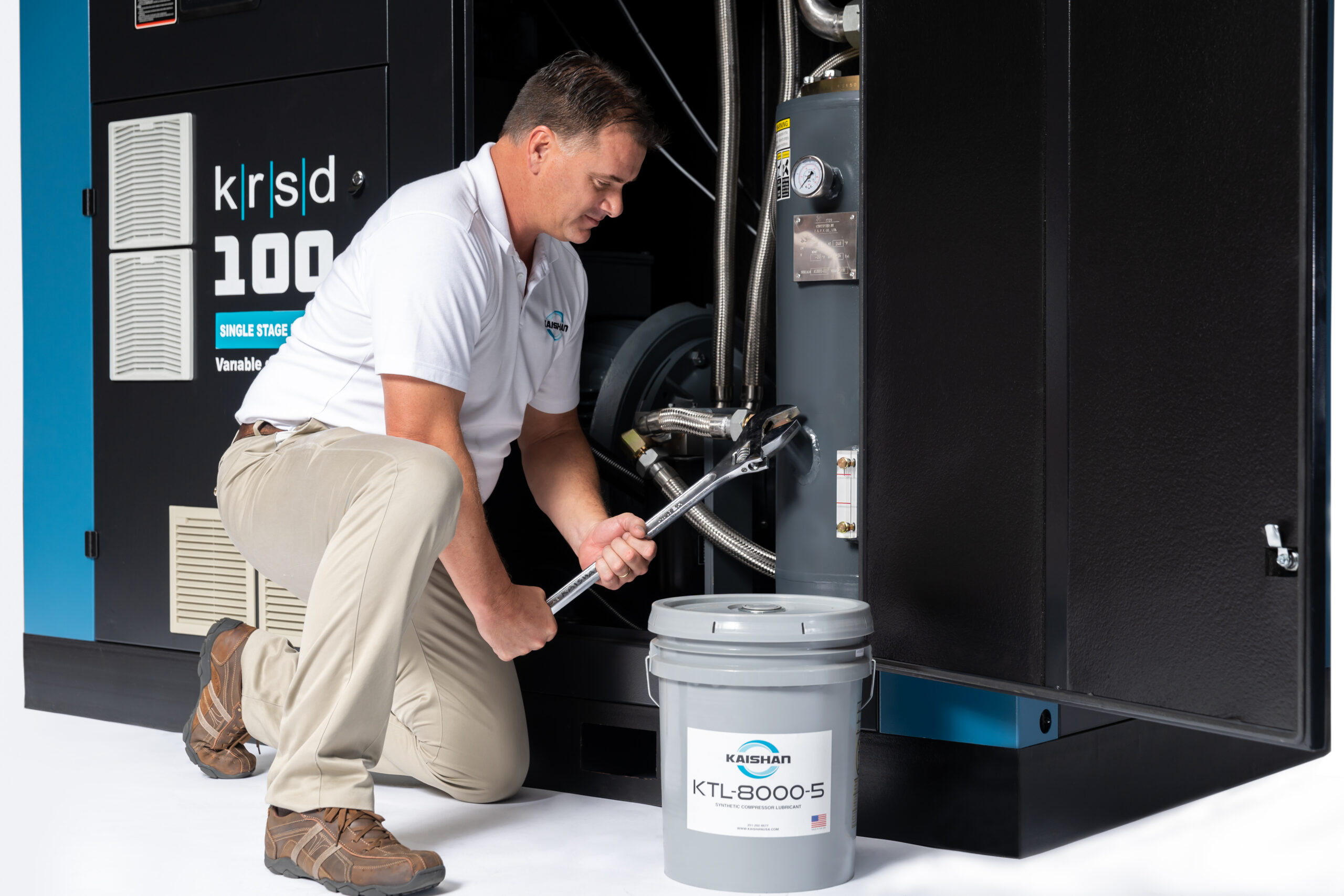
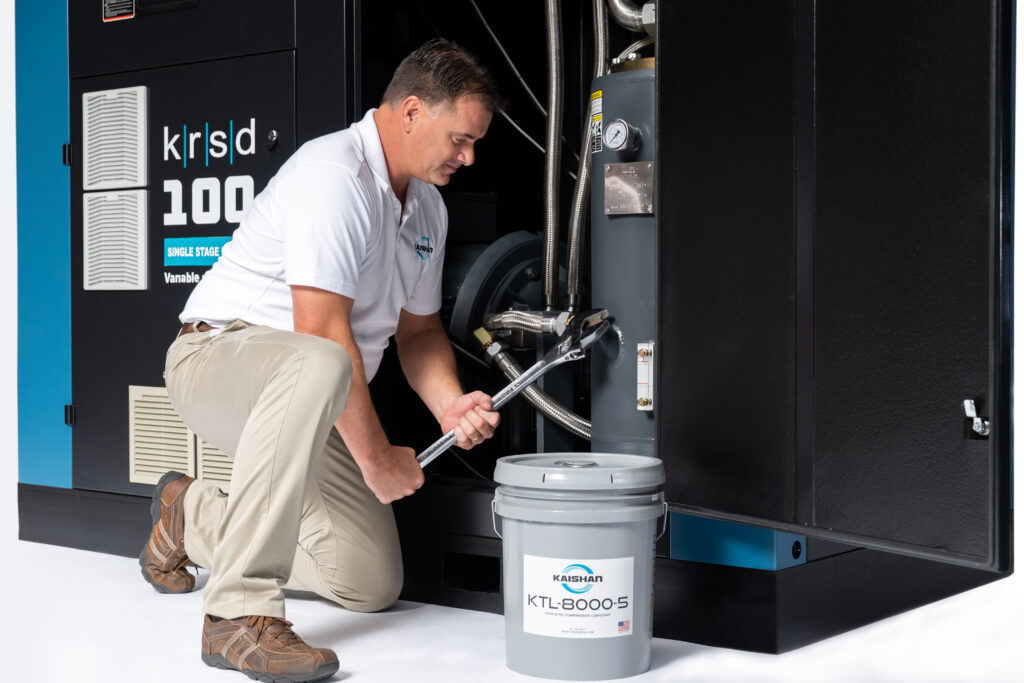
Different equipment requires specific additive packages. Using the wrong oil to save a few dollars today can lead to a $20,000 airend repair tomorrow.
5. Reactive Maintenance
Treating oil changes as a "when we get to it" task is a recipe for disaster. Lubrication must be integrated into a predictive, not reactive, schedule.
6. The Over-Greasing Trap
There is a limit to how much grease a bearing can hold. Excess grease causes internal churning, which generates excessive heat and forces lubricant into sensitive areas where it can cause damage.
7. Time vs. Load
Lubricants age due to time and environment, not just mechanical work. Even in low-use equipment, oxidation and moisture ingress are constant threats.
8. VSD Misconceptions
Variable-speed drive (VSD) compressors are highly efficient, but because they run at varying speeds and loads, their lubrication needs are more complex. Oil sampling is non-negotiable for VSD-equipped units.
9. The Dangers of Mixing
Mixing greases with incompatible thickener systems can lead to sludge or complete loss of lubrication. Always verify compatibility before switching brands or types.
10. The "Oil is Oil" Generalization
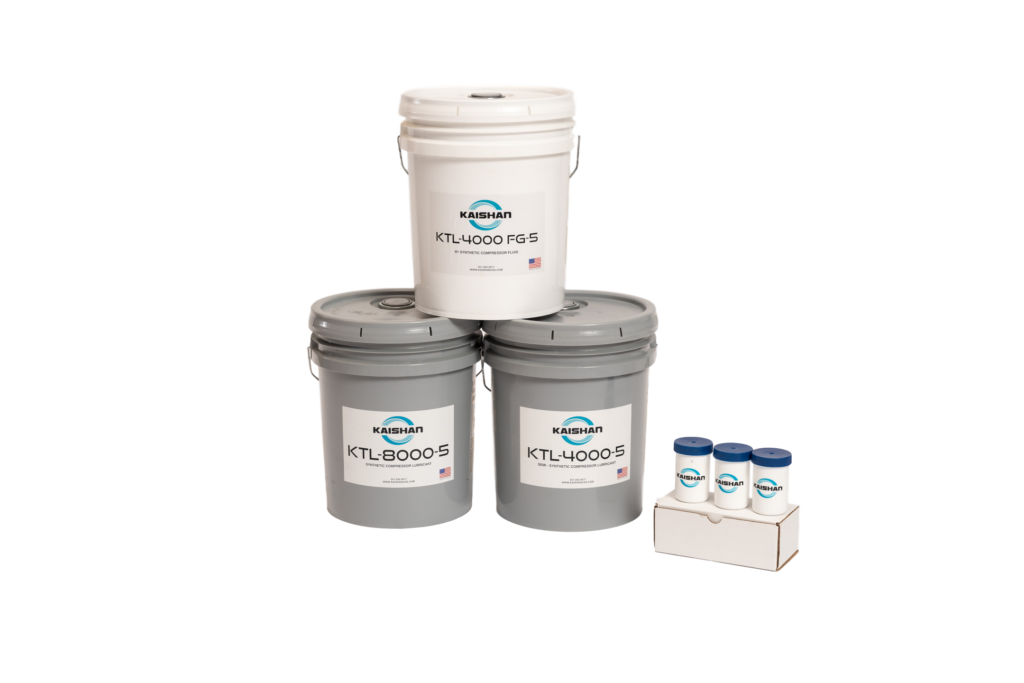
Choosing between mineral and synthetic is a strategic decision based on duty cycle and environment. Never assume a "one-size-fits-all" approach to lubricant selection.
Implications: A Strategic Shift in Reliability
The implications for industry are clear: lubrication is not a maintenance chore; it is a strategic reliability asset.
When a plant treats lubrication as a predictive maintenance tool rather than a calendar task, the results are measurable. Facilities that implement rigorous oil analysis programs, adhere to strict cleanliness protocols, and select lubricants based on scientific application requirements report fewer unexpected failures and lower overall maintenance expenditures.
Ultimately, the goal is to stop viewing the lubricant as a consumable and start viewing it as an information source. The oil tells the story of the machine’s health long before the machine itself begins to fail. By listening to the data provided by oil analysis—and by respecting the chemistry of the fluids we use—operators can ensure their rotating equipment functions at peak efficiency for the duration of its lifecycle.
Key Takeaways for Maintenance Excellence:
- Establish a Baseline: Perform routine oil analysis to understand the "normal" operating condition of your equipment.
- Standardize Cleanliness: Implement strict storage and handling procedures to prevent contamination.
- Respect Compatibility: Never mix lubricants without verifying chemical compatibility.
- Integrate Data: Treat oil analysis reports as a "north star" for your maintenance scheduling, adjusting intervals based on actual health rather than arbitrary calendar dates.
- Train the Team: Ensure that the personnel performing lubrication tasks understand the "why" behind the process, not just the "how."
By shifting the culture from one of routine oil changes to one of precision lubrication, organizations can secure their assets against the most common, yet most preventable, causes of mechanical failure.
About the Author