Introduction
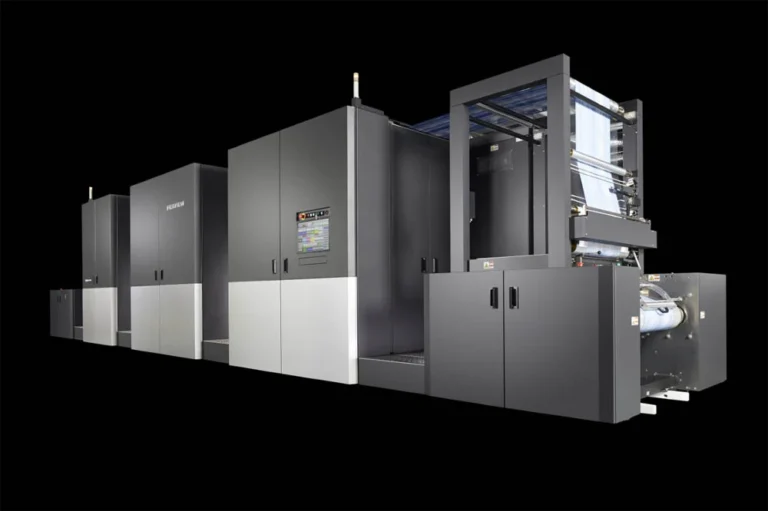
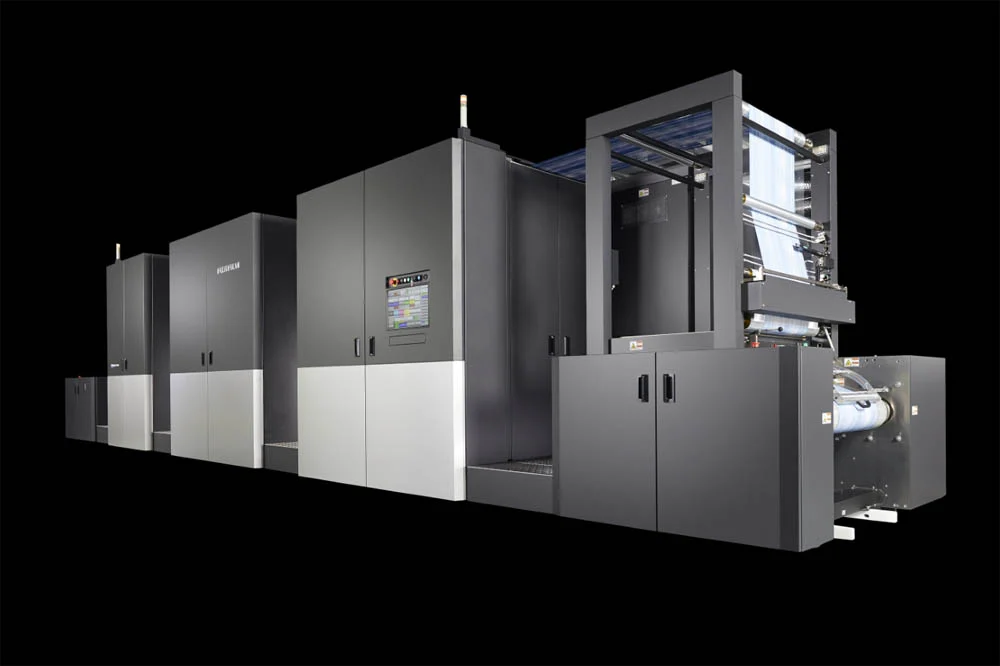
In a strategic move set to redefine the landscape of flexible packaging, Fujifilm and ePac Flexible Packaging have announced a groundbreaking global partnership. This collaboration signifies a pivotal moment for the industry, focusing on the comprehensive implementation and scaling of Fujifilm’s cutting-edge water-based digital inkjet technology across ePac’s expansive global operations. At the heart of this alliance is the Fujifilm Jet Press FP790, a revolutionary digital inkjet press specifically engineered for flexible packaging applications, promising to unlock unprecedented levels of speed, volume, and customization for brands worldwide.
This partnership is more than just a technological deployment; it represents a shared vision between two industry leaders committed to accelerating the digital transformation of the global packaging sector. By integrating the FP790 into its production ecosystem, ePac, a pioneer in digitally printed flexible packaging, aims to set new benchmarks for efficiency, sustainability, and market responsiveness. Fujifilm, on its part, solidifies its ambition to establish digital solutions for flexible packaging as a mainstream and indispensable market offering.
A Landmark Alliance Reshaping Flexible Packaging
The alliance between Fujifilm and ePac Flexible Packaging is poised to be a transformative force, marrying advanced inkjet technology with an innovative, customer-centric business model. This collaboration is designed to address the escalating demands for faster turnaround times, shorter print runs, enhanced customization, and improved sustainability within the flexible packaging market.
The Core of the Partnership
The essence of this partnership lies in the mutual commitment to leverage digital technology to solve contemporary packaging challenges. Fujifilm brings to the table its proprietary Jet Press FP790, a sophisticated digital inkjet press that stands out for its water-based ink technology. This innovation is particularly significant given the increasing regulatory scrutiny and consumer preference for more environmentally benign printing solutions, especially for food contact applications. The water-based inks used in the FP790 offer superior safety profiles and reduced environmental impact compared to traditional solvent-based or even some UV-curable inks.
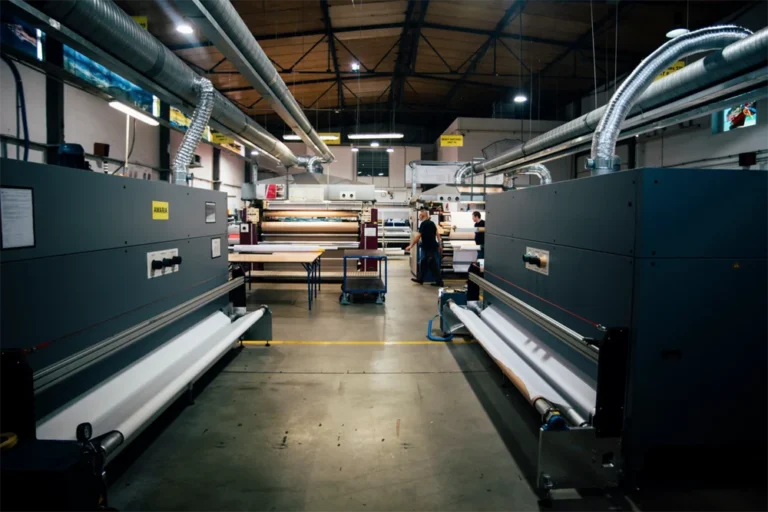
ePac Flexible Packaging, renowned for its disruptive approach to the packaging industry, provides the ideal platform for the global rollout of this technology. Founded on the principle that digital printing would fundamentally redefine the flexible packaging market, ePac has built a global network of localized production facilities. This decentralized model allows ePac to serve a diverse client base, from small and medium-sized enterprises (SMEs) to large corporations, with unparalleled agility and responsiveness. The integration of the FP790 will significantly enhance ePac’s capacity, speed, and capabilities, enabling it to handle larger volumes and more complex projects while maintaining the inherent flexibility of digital printing.
Driving Digital Transformation Globally
This partnership is a clear indicator of a broader industry shift towards digital solutions. Traditional printing methods, while still dominant for very long runs, often struggle to meet the modern market’s need for flexibility, rapid design iterations, and supply chain efficiency. Digital printing, by eliminating the need for plates and reducing setup times, offers a nimble alternative that supports just-in-time production, variable data printing, and cost-effective short to medium runs.
Fujifilm’s objective is to make digital flexible packaging solutions widely accessible and established. Partnering with ePac, a company that has already demonstrated the viability and success of a fully digital packaging model, provides a powerful endorsement and an accelerated pathway to achieving this goal. The collaboration will not only validate the technical prowess of the FP790 but also showcase the commercial benefits of a digitally-driven flexible packaging supply chain on a global scale. This strategic alliance is expected to inspire further digital adoption across the industry, driving innovation and fostering a more responsive and sustainable packaging ecosystem.
The Strategic Timeline: From Concept to Global Rollout
The journey towards this significant partnership is marked by key milestones, encompassing technological innovation and strategic business development. Understanding this timeline provides context for the profound impact this collaboration is expected to have.
The Genesis of Innovation: Fujifilm Jet Press FP790
The Fujifilm Jet Press FP790, a cornerstone of this alliance, was officially launched in 2022. Its development was a culmination of Fujifilm’s extensive expertise in inkjet technology, digital imaging, and materials science. Recognizing the burgeoning potential and specific requirements of the flexible packaging market, Fujifilm dedicated considerable resources to engineer a press that could meet the industry’s rigorous demands for quality, speed, and safety.
The FP790 was designed from the ground up to address the unique challenges of printing on flexible film substrates, which differ significantly from paper or rigid materials. This involved developing specialized ink formulations, advanced printhead technology, and sophisticated transport systems capable of handling delicate and extensible films at high speeds. The decision to utilize water-based inks was a deliberate strategic choice, aligning with global trends towards greater environmental responsibility and increasingly stringent food safety regulations.
ePac’s Visionary Journey and the Partnership’s Inception
ePac Flexible Packaging was founded in 2016 with a revolutionary vision: to leverage digital printing technology to transform the flexible packaging industry. At a time when digital solutions were still nascent in this sector, ePac boldly established a business model centered on speed, customization, and local service. By deploying digital presses in regional facilities, ePac could offer small and medium-sized brands the same high-quality packaging previously only accessible to large corporations, with significantly shorter lead times and no minimum order quantities. This model rapidly gained traction, propelling ePac into a position of global leadership in digitally printed flexible packaging.
The partnership with Fujifilm is a natural evolution for ePac. As the company has grown and its client base has expanded, the need for enhanced capacity and even greater speed for larger print jobs has become apparent. The FP790, with its high-speed and high-volume capabilities specifically for flexible packaging, perfectly complements ePac’s existing digital infrastructure and strategic goals. The collaboration reflects a shared understanding of the market’s trajectory and a mutual commitment to staying at the forefront of technological advancement.
Phased Implementation: A Global Blueprint
The rollout of the Fujifilm Jet Press FP790 within ePac’s network will commence with a strategic, phased approach, ensuring optimal integration and performance. The initial phase will see the installation of the first FP790 press in ePac’s new, state-of-the-art facility in Phoenix, Arizona, in North America. This location serves as a crucial hub for ePac’s expanding operations in the Western United States, making it an ideal proving ground for the new technology.
Following successful implementation and optimization in Phoenix, subsequent phases will involve the systematic expansion of the FP790 fleet across ePac’s extensive global network. This phased deployment underscores the scalability and ambition of the partnership. It allows for continuous learning and refinement, ensuring that each new installation benefits from the insights gained from previous deployments. The global rollout will solidify ePac’s position as a dominant player in digitally printed flexible packaging, while simultaneously establishing the FP790 as the industry standard for high-volume, high-quality digital production.
Deep Dive into the Technology and Market Dynamics
The significance of the Fujifilm-ePac partnership cannot be fully appreciated without a closer look at the underlying technology and the evolving market forces that make this collaboration so timely and impactful.
The Fujifilm Jet Press FP790: A Technical Marvel
The Fujifilm Jet Press FP790 is not just another digital printer; it represents a significant leap forward in inkjet technology tailored for flexible packaging. Its design and capabilities are specifically engineered to meet the stringent demands of this sector.
Water-based Inkjet: Advantages and Sustainability
A defining feature of the FP790 is its use of water-based inkjet inks. This choice offers multiple critical advantages:
- Environmental Profile: Water-based inks have a significantly lower environmental footprint compared to solvent-based alternatives. They typically contain fewer volatile organic compounds (VOCs), reducing air pollution and workplace exposure. This aligns with global sustainability initiatives and corporate social responsibility goals.
- Food Safety: For flexible packaging, a large portion of which is used for food products, ink safety is paramount. Water-based inks are generally considered safer for food contact applications, offering low migration properties that help brand owners comply with strict food packaging regulations worldwide. This opens up new possibilities for brands that require robust safety assurances.
- Odor Neutrality: Unlike some other ink chemistries, water-based inks are virtually odorless, a crucial factor for packaging that will house food, beverages, and personal care products, where odor transfer can be a significant concern for consumers.
Performance and Versatility
Beyond its sustainable attributes, the FP790 delivers exceptional performance:
- High Resolution and Quality: The press is capable of producing stunning graphics with vibrant colors and sharp details, rivaling or even exceeding the quality of traditional flexographic printing. This ensures brand integrity and shelf appeal.
- High Speed and Volume: Engineered for high-speed production, the FP790 enables ePac to significantly increase its throughput, handling larger print jobs more efficiently than ever before. This addresses a key challenge for digital printing in the past – its perceived limitations for higher volumes.
- Substrate Versatility: The FP790 is designed to print on a wide range of flexible film substrates, including PET, PP, PE, and others, without the need for extensive pre-treatment in many cases. This versatility allows ePac to cater to diverse packaging requirements across various industries.
The ePac Business Model: Disrupting the Status Quo
ePac’s success is not just about adopting digital technology; it’s about pioneering a business model that capitalizes on its strengths.
Agility and Localized Service
ePac’s decentralized network of production facilities allows it to provide highly localized service. This means shorter shipping distances, faster delivery times, and a more responsive customer experience. For brands, this translates into greater agility in responding to market trends, launching new products, and managing inventory.
Empowering Brands of All Sizes
By eliminating plate costs and minimum order quantities, ePac has democratized access to high-quality flexible packaging. Small startups can now afford professionally printed pouches and rollstock, enabling them to compete more effectively with larger brands. As these brands grow, ePac’s scalable digital solutions, now bolstered by the FP790, ensure they can maintain the flexibility and speed they value, even as their volume requirements increase. This focus on customer growth and adaptability is a core tenet of ePac’s philosophy.
The Broader Market Context: Why Digital Now?
The timing of this partnership aligns perfectly with several major shifts occurring in the global packaging market.
Demand for Customization and Personalization
Consumers today expect more personalized products. Brands are increasingly using packaging to connect with consumers through variable data printing, regionalized designs, and limited-edition runs. Digital printing is uniquely positioned to deliver this level of customization economically and efficiently.
Sustainability Imperatives
The global push for sustainability is reshaping every industry, and packaging is no exception. Brand owners are under pressure from consumers, regulators, and investors to reduce their environmental footprint. Digital printing contributes to sustainability by reducing waste (no plate making, less setup waste), enabling lighter-weight packaging, and supporting the use of more sustainable substrates. The FP790’s water-based inks further enhance this sustainability profile.
Supply Chain Resilience and Efficiency
Recent global events have highlighted the fragility of extended supply chains. Brands are seeking ways to build more resilient and efficient supply chains. Digital printing, with its faster turnaround times and localized production capabilities, offers a powerful tool for achieving this, allowing brands to respond quickly to market fluctuations and reduce lead times.
Official Voices on a Transformative Collaboration
The leadership of both Fujifilm and ePac Flexible Packaging have expressed profound optimism regarding the potential of this strategic alliance, underscoring its significance for their respective organizations and the broader industry.
ePac’s Perspective: Redefining the Future of Packaging
Parag Patel, Head of Shared Services at ePac Flexible Packaging, articulated the foundational belief that underpins ePac’s existence and its ongoing strategic decisions. "ePac was founded out of the conviction that digital printing would redefine the global market for flexible packaging," Patel stated in a press release. This sentiment highlights ePac’s pioneering spirit and its role as an early adopter and evangelist for digital solutions in a traditionally analog industry.
Patel further elaborated on the immediate and long-term benefits of integrating the latest technology, such as the Fujifilm Jet Press FP790, into ePac’s operational framework. "By continuously integrating the latest technology into our production apparatus, we significantly increase our capacity and our ability to efficiently handle larger print jobs," he explained. This emphasizes the critical role of continuous innovation in maintaining ePac’s competitive edge and its commitment to meeting evolving customer demands.
He also reiterated ePac’s core mission: "ePac has always focused on helping brands grow through professional-quality packaging – and as these brands evolve, their needs also change." This customer-centric philosophy is central to ePac’s success. The partnership with Fujifilm and the deployment of the FP790 are seen as crucial steps in enabling ePac to continue supporting its diverse client base. "With this technology, brand owners of any size can maintain the flexibility that digital printing offers, while also gaining a comprehensive and scalable solution for flexible packaging," Patel concluded, emphasizing the enhanced capabilities and expanded solutions that the collaboration brings to brand owners across the spectrum.
Fujifilm’s Vision: Pioneering Digital Solutions
Fujifilm, a global leader in imaging and information technology, views this alliance as a pivotal step in realizing its strategic focus on digital packaging solutions. Osamu Nakashima, Corporate Vice President at Fujifilm Business Innovation Corp., underscored this commitment. "We have placed great emphasis on digital packaging solutions in the latest development of our product portfolio," Nakashima remarked. This statement positions the FP790 not as an isolated product but as a key component of Fujifilm’s broader strategy to innovate and lead in the industrial printing sector.
Nakashima specifically highlighted the purpose-built nature of the flagship Jet Press FP790: "Our flagship, Jet Press FP790, is specifically designed to transform the production of flexible packaging." This reiterates the meticulous engineering and strategic intent behind the press, developed to address the unique demands and opportunities within this market segment.
The choice of ePac as a global strategic partner was deliberate and well-considered. "ePac’s forward-thinking business model makes the company the ideal global strategic partner when it comes to demonstrating the potential of this technology," Nakashima affirmed. This acknowledgement speaks volumes about ePac’s reputation as an innovator and a successful implementer of digital printing, making it the perfect collaborator to showcase the full capabilities and market viability of the FP790. The alliance, in Fujifilm’s view, unites two formidable entities dedicated to the digital transformation of the global packaging industry.
Industry Resonance: Expert Views
While the article doesn’t include direct quotes from external industry analysts, the sentiment within the packaging community is generally positive towards such collaborations. Experts often highlight that strategic partnerships between technology providers and agile service providers are crucial for accelerating innovation and market adoption. Such alliances validate new technologies, reduce perceived risks for other potential adopters, and demonstrate clear pathways to commercial success. The combination of Fujifilm’s technological prowess and ePac’s proven business model is likely to be viewed as a powerful catalyst for change, inspiring others to invest in and explore digital solutions for flexible packaging.
Far-Reaching Implications for the Packaging Ecosystem
The partnership between Fujifilm and ePac is not merely a corporate announcement; it carries significant implications that will ripple through various facets of the packaging industry, impacting manufacturers, brand owners, and ultimately, consumers.
For ePac: Bolstering Market Leadership and Capacity
For ePac Flexible Packaging, this collaboration represents a substantial upgrade to its already impressive capabilities. The integration of the Fujifilm Jet Press FP790 will:
- Enhance Production Capacity: The FP790’s high-speed and high-volume capabilities will allow ePac to significantly increase its throughput, enabling it to take on larger and more complex orders without compromising its renowned agility.
- Strengthen Competitive Advantage: By leveraging the most advanced water-based inkjet technology, ePac will further differentiate itself in the market, offering unparalleled quality, speed, and sustainable options.
- Expand Global Reach: The phased global rollout of the FP790 will standardize and elevate ePac’s offerings across its international network, ensuring consistent, top-tier service delivery worldwide. This solidifies ePac’s position as a global leader in digitally printed flexible packaging.
For Fujifilm: Solidifying Innovation and Market Reach
For Fujifilm, this partnership is a critical validation of its investment in digital packaging solutions and its strategic direction:
- Market Penetration and Validation: Partnering with a recognized industry leader like ePac provides a powerful endorsement for the FP790, demonstrating its real-world effectiveness and commercial viability on a global scale. This will accelerate its adoption by other packaging converters.
- Leadership in Digital Flexible Packaging: This alliance firmly establishes Fujifilm as a frontrunner in providing advanced digital printing solutions for the flexible packaging sector, a market segment poised for significant growth.
- Feedback Loop for Future Innovation: The extensive deployment and real-world usage of the FP790 within ePac’s diverse operations will provide invaluable feedback, informing future research and development for Fujifilm’s next generation of printing technologies.
For Brand Owners: Unprecedented Flexibility and Growth
The ultimate beneficiaries of this partnership are the brand owners, who will experience a new paradigm of packaging capabilities:
- Unrivaled Flexibility: Brands, regardless of size, will have access to even greater flexibility in terms of order quantities, design iterations, and rapid market responsiveness. This empowers them to launch new products faster, adapt to seasonal demands, and conduct targeted marketing campaigns with customized packaging.
- Enhanced Sustainability Options: The widespread availability of water-based inkjet printing will provide brands with a more environmentally friendly packaging solution, helping them meet their sustainability goals and appeal to eco-conscious consumers.
- Scalable Solutions for Growth: As brands evolve from startups to established enterprises, ePac’s enhanced capacity ensures they can continue to rely on digital printing for their growing volume needs, maintaining the benefits of digital without needing to switch to traditional methods prematurely.
- Superior Quality and Consistency: The advanced capabilities of the FP790 will ensure consistent, high-quality graphics across all print runs, maintaining brand integrity and shelf appeal.
A Catalyst for Industry-Wide Change
Beyond the direct participants, this partnership serves as a potent catalyst for broader industry transformation:
- Acceleration of Digital Adoption: The success of this large-scale deployment is expected to encourage more traditional packaging converters to explore and invest in digital printing technologies, thereby accelerating the industry’s digital shift.
- Innovation in Material Science: The demands of high-speed digital printing on flexible films, coupled with the focus on water-based inks, will drive further innovation in substrate development and ink chemistry, leading to more advanced and sustainable packaging materials.
- Evolution of Business Models: The continued success of ePac’s decentralized, digitally-driven model will inspire new business models within the packaging sector, emphasizing agility, localization, and customer-centricity.
The Road Ahead: Future Prospects and Challenges
While the partnership between Fujifilm and ePac marks a significant milestone, the journey of digital transformation in flexible packaging is ongoing, presenting both exciting prospects and inherent challenges.
Continued Innovation and Expansion
The initial rollout in North America is just the beginning. The global expansion of the FP790 fleet across ePac’s network will be a continuous process, requiring careful planning, execution, and localized support. This expansion will be critical to fully realize the partnership’s global vision and to establish the FP790 as a truly ubiquitous solution. Furthermore, both companies will likely continue to collaborate on future innovations, exploring enhancements to the technology, new ink formulations, and expanded substrate compatibility to meet evolving market demands. The rapid pace of technological advancement means that continuous R&D will be essential to maintain their leadership positions.
Addressing Market Evolution
The flexible packaging market is dynamic, influenced by consumer trends, regulatory changes, and economic shifts. Future challenges may include:
- Competition: As digital flexible packaging gains traction, more players are likely to enter the market, intensifying competition and driving the need for continuous differentiation.
- Sustainability Demands: While water-based inks are a significant step, the industry faces increasing pressure for fully recyclable, compostable, or biodegradable packaging solutions. Future innovations will need to address these evolving sustainability mandates.
- Supply Chain Optimization: As digital printing becomes more widespread, optimizing the digital supply chain, from design to delivery, will be crucial for maximizing efficiency and responsiveness.
- Talent Development: The adoption of advanced digital technologies requires a skilled workforce. Investing in training and education will be vital to ensure a talent pipeline capable of operating and maintaining these sophisticated systems.
Conclusion
The strategic alliance between Fujifilm and ePac Flexible Packaging is a powerful testament to the transformative potential of digital technology in the flexible packaging industry. By combining Fujifilm’s cutting-edge Jet Press FP790 with ePac’s innovative, globally scaled business model, this partnership is set to redefine benchmarks for quality, speed, sustainability, and flexibility. From empowering small brands to accelerating the industry’s environmental agenda, the implications of this collaboration are far-reaching. As the global rollout commences, this alliance is poised not only to solidify the leadership of both companies but also to serve as a beacon, guiding the entire packaging ecosystem towards a more agile, responsive, and digitally-driven future. The era of truly flexible and sustainable digital packaging has arrived, and Fujifilm and ePac are leading the charge.
About the Author