For Print Service Providers (PSPs) operating in an increasingly competitive landscape, diversification is no longer a luxury—it is a necessity. As traditional print volumes fluctuate, the $27.7 billion North American promotional products industry stands as a beacon of stability and growth. For firms looking to expand their service offerings or enter the merchandise space, understanding the market’s hierarchy of demand is the first step toward strategic success.
Data from the 2026 Counselor State of the Industry report, published by the Advertising Specialty Institute (ASI), provides a roadmap for PSPs. By aligning production capabilities with the categories that command the highest volume, print shops can transform from simple document or signage providers into comprehensive brand-experience partners.
The Landscape: Why Promo Matters for PSPs
The convergence of the printing and promotional products industries is a natural evolution. PSPs already possess the digital workflow, finishing equipment, and client relationships necessary to manage branded merchandise.
"The promotional products market isn’t just about ‘swag’; it’s about tangible marketing assets that foster brand loyalty," says Theresa Hegel, executive editor at ASI. For a print shop, adding items like apparel or drinkware to their repertoire allows for "one-stop-shop" convenience, significantly increasing the average order value per client.
Chronology of Market Shifts: From Commodities to Strategy
To understand the current dominance of certain categories, one must look at how the promotional industry has evolved over the last decade.
- 2016–2020: The Era of Mass Distribution. Promotional products were largely viewed as disposable items. Plastic pens and low-cost stress balls dominated volume, with little regard for sustainability or quality.
- 2021–2023: The Supply Chain Disruption. Global logistics challenges forced a shift toward domestic sourcing and higher-quality, longer-lasting products. Clients became more selective, opting for items that were genuinely useful to the end-user.
- 2024–2026: The Rise of the "Retail-Brand" Aesthetic. Today, the market prioritizes products that feel like retail goods. Quality, aesthetic appeal, and sustainability have become the primary drivers of purchase decisions. This shift has favored PSPs, who are accustomed to high-quality output and brand-consistency requirements.
Supporting Data: The Top Categories
According to the Counselor State of the Industry report, specific categories continue to outperform others in terms of annual sales. For PSPs, these represent the lowest barrier to entry and the highest volume of opportunity.
1. Apparel: The King of Promo
Leading the market by a significant margin, T-shirts and wearable apparel remain the most effective vehicles for brand promotion. Whether through screen printing, direct-to-garment (DTG), or heat transfer, PSPs often have the infrastructure to enter this space with minimal capital expenditure. The emotional connection of a high-quality, branded hoodie or shirt ensures that the product remains in circulation for years, providing maximum ROI for the end client.
2. Drinkware: Utility Meets Longevity
High-quality drinkware—specifically vacuum-insulated tumblers and branded water bottles—has seen a massive surge in demand. As consumers prioritize health and sustainability (moving away from single-use plastics), drinkware has become a "must-have" for corporate gifting and internal employee recognition programs.
3. Writing Instruments: The Foundation
While often considered a "low-tech" category, pens remain a staple of the industry. The opportunity for PSPs lies in the customization of premium writing instruments—laser-engraved metal pens or full-color wrapped pens—that serve as high-end promotional assets rather than disposable handouts.
4. Bags and Totes
As environmental regulations tighten and plastic bag bans increase, the demand for high-quality, branded tote bags has skyrocketed. These items serve as mobile billboards, providing extensive brand exposure in public spaces.
5. Technology Accessories
From power banks to branded webcam covers, tech accessories represent the fastest-growing segment for younger, tech-savvy audiences. For PSPs with UV-curing technology, printing on these non-traditional substrates is a high-margin service that differentiates them from standard offset printers.

Official Perspectives: The Expert View
Theresa Hegel, whose work focuses on the intersection of apparel, technology, and sustainability, emphasizes that the key to success in promo is not just selling a product, but selling a solution.
"When a print provider approaches a client, they shouldn’t just ask, ‘Do you need shirts?’ They should ask, ‘What is your goal for this campaign?’" Hegel notes. By acting as a consultant, the PSP moves up the value chain.
Sustainability, in particular, is no longer a niche preference; it is a corporate mandate. ASI’s Promo for the Planet initiative underscores that modern buyers are vetting suppliers based on their environmental impact. PSPs who utilize eco-friendly inks, recycled substrates, or waste-reduction production methods have a significant competitive advantage in today’s market.
Strategic Implications: How PSPs Should Pivot
Investing in New Technology
To capitalize on these top-tier categories, PSPs must evaluate their current equipment. DTG printers are essential for short-run apparel, while UV-LED flatbed printers are necessary for customizing hard goods like drinkware and tech accessories.
Leveraging Existing Client Bases
The most effective way to grow promo sales is to leverage existing relationships. A client already ordering business cards and brochures is a "warm lead." By offering a branded company store or a seasonal kit of promotional items, a print provider can capture budget that is currently being spent with external promotional firms.
Prioritizing Sustainability
The market is moving toward transparency. Documenting the supply chain—where the shirts are sourced, how the ink is produced—is becoming as important as the print quality itself. PSPs that prioritize these values will win the loyalty of corporate marketing departments that have their own ESG (Environmental, Social, and Governance) targets to meet.
The Road Ahead: Overcoming Challenges
Despite the clear opportunities, the promotional products space is not without its hurdles.
- Supply Chain Management: Unlike traditional paper stock, promotional inventory fluctuates wildly. Building relationships with reliable domestic suppliers is crucial to avoiding the stock-out issues that plagued the industry during the early 2020s.
- Inventory Management: For PSPs entering the merchandise space, the shift from "print-on-demand" to "warehousing" can be daunting. Exploring e-commerce solutions or "on-demand" fulfillment models can mitigate the risks associated with holding large amounts of inventory.
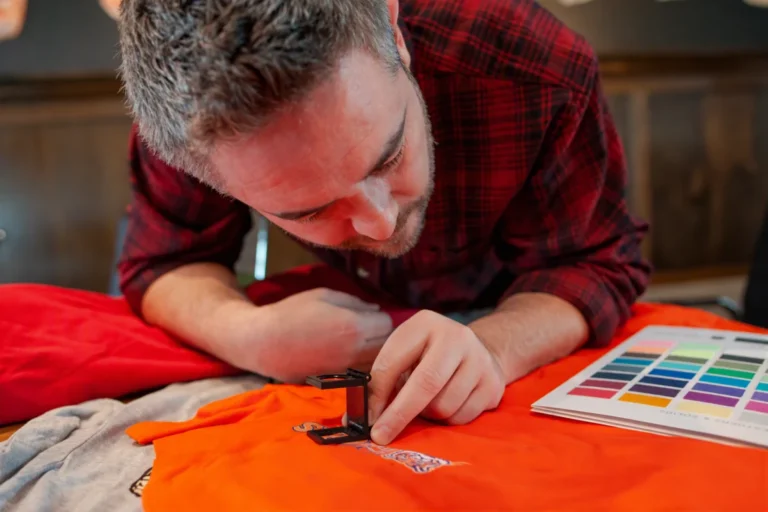
- Color Consistency: When moving from paper to fabric or plastic, color profiles change. PSPs must invest in proper color management software to ensure the client’s brand identity remains consistent across every medium.
Conclusion: A Synergy of Skills
The integration of promotional products into the print service provider’s portfolio is not just an expansion of services; it is a defensive and offensive move. Defensively, it protects the PSP from the volatility of traditional print markets. Offensively, it positions the firm as a full-service marketing partner capable of executing complex, multi-channel campaigns.
As the industry continues to evolve, the distinction between a "printer" and a "promotional products distributor" will continue to blur. Those who act now to adopt the technologies and strategies outlined by the Counselor State of the Industry report will find themselves at the forefront of a $27.7 billion opportunity. The infrastructure exists, the demand is proven, and the time for Print Service Providers to claim their stake in the promotional sector has never been more opportune.
Disclaimer: The preceding content was provided by a contributor unaffiliated with Printing Impressions. The views expressed within may not directly reflect the thoughts or opinions of the staff of Printing Impressions. Artificial Intelligence was used in the structure and synthesis of this report.
About the Author