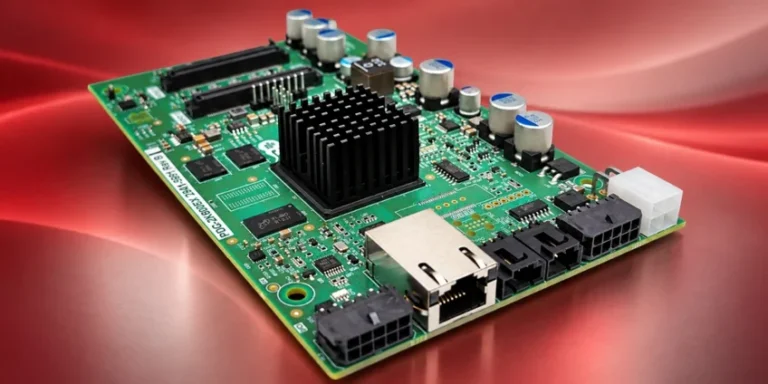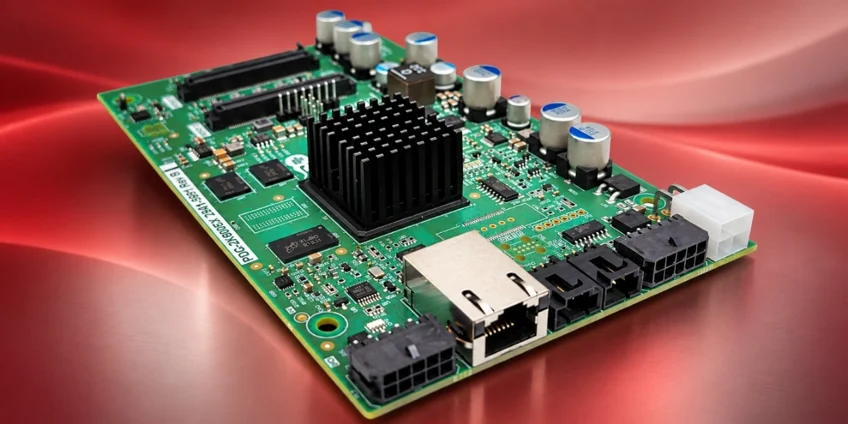
The landscape of digital label and packaging production is shifting rapidly, with a pronounced surge in the demand for tactile, high-impact embellishments. Recognizing the technical hurdles manufacturers face when adopting advanced inkjet technologies, Meteor Inkjet has officially announced that its flagship PDC-2K600EX printhead drive electronics will provide seamless support for Kyocera’s upcoming KJ4A-EX600RC-HX recirculating printhead.
This strategic integration, slated for arrival alongside the printhead’s commercial release in November 2026, promises to lower the barrier to entry for OEMs and print system integrators. By leveraging the existing Meteor ecosystem—including established hardware, software, and APIs—manufacturers can significantly mitigate the risk, development time, and overhead costs typically associated with launching high-performance industrial printing systems.
The Core Innovation: Bridging the Gap in Digital Embellishment
In the competitive world of label and packaging, "embellishment" is no longer a luxury—it is a primary market driver. Brands are increasingly turning to digital foil adhesives, high-opacity white inks, and dimensional varnishes to elevate shelf presence. However, these fluids are notoriously difficult to jet. They are often highly viscous, heavily pigmented, or prone to rapid settling, which can wreak havoc on standard printhead architecture.
Kyocera’s KJ4A-EX600RC-HX has been engineered specifically to solve these challenges. Its primary innovation lies in its sophisticated internal recirculation technology. By maintaining continuous fluid flow in the immediate proximity of the nozzles, the printhead prevents the two greatest enemies of inkjet reliability: pigment settling and nozzle drying. Furthermore, this circulation system ensures a consistent thermal environment within the head, which is critical for maintaining the precise viscosity required for consistent jetting of complex fluids.
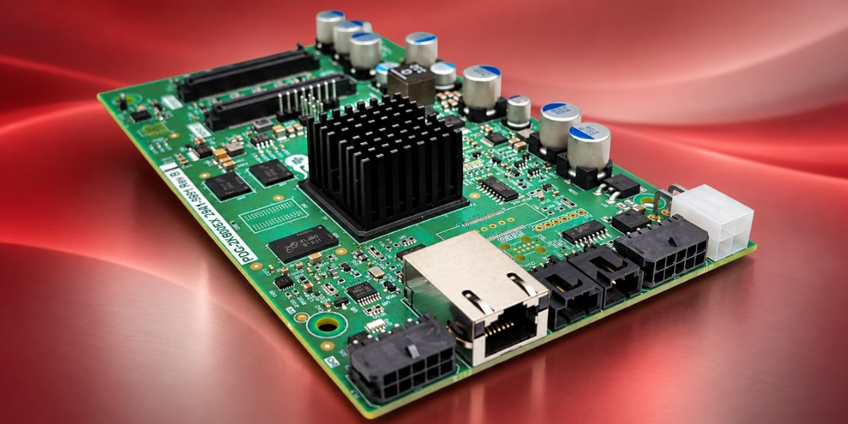
Meteor Inkjet’s PDC-2K600EX acts as the sophisticated nervous system for this hardware. As an established leader in the printhead driver space, Meteor provides the digital signaling and control logic that allows the Kyocera printhead to operate at its full potential. For the integrator, this means that the transition to this new, more capable printhead does not require an overhaul of their existing software infrastructure.
Chronology: From Concept to Commercialization
The roadmap for the KJ4A-EX600RC-HX represents a deliberate progression in Kyocera’s industrial inkjet strategy.
- Early 2026: Kyocera identifies the growing gap in the market for a high-volume, high-viscosity-capable printhead, leading to the development of the KJ4A-EX600RC-HX.
- Mid-2026: Meteor Inkjet initiates the development of firmware and software drivers to ensure compatibility with the new hardware’s unique recirculation and jetting requirements.
- October 2026: Formal announcement of the partnership. Meteor confirms that the PDC-2K600EX is currently in stock and ready for immediate adoption by OEMs.
- November 2026: Scheduled commercial release of the Kyocera KJ4A-EX600RC-HX. This timeline aligns with the broader push to get next-generation embellishment systems onto factory floors before the end of the year.
This compressed development cycle is made possible largely because of the pre-existing, mature relationship between Meteor and Kyocera. By synchronizing their product development lifecycles, the two companies are ensuring that when the hardware hits the market, the software ecosystem is not merely "compatible," but fully optimized.
Supporting Data: Technical Advancements in the KJ4A-EX600RC-HX
The transition from the legacy KJ4A-AL to the new EX600RC-HX is marked by significant performance benchmarks that illustrate the evolution of industrial inkjet capabilities.
Increased Drop Volume
For applications such as tactile varnish or high-opacity white ink, the ability to deposit a larger amount of fluid in a single pass is paramount. The new printhead offers a maximum drop volume of 21 picolitres—an increase of 23% over its predecessor. This expansion allows printers to achieve the "thicker" feel of premium foil adhesives and the depth of color required for packaging on metallic or dark substrates without needing multiple passes, which would otherwise slow down production.
Enhanced Operating Frequency
Speed is the currency of the printing industry. The KJ4A-EX600RC-HX doubles the operating frequency of the previous generation, reaching 40 kHz. In practical terms, this enables production speeds of up to 100 meters per minute. For an industry accustomed to trade-offs between quality (high-viscosity fluids) and quantity (high-speed throughput), this printhead represents a significant removal of the "speed ceiling."
Fluid Management
The recirculation technology is the backbone of these performance metrics. By ensuring that the ink/fluid is in constant motion, the printhead mitigates the risk of downtime caused by maintenance. Traditional printheads often require frequent cleaning cycles when using white inks (which are notoriously heavy) or metallic varnishes. The KJ4A-EX600RC-HX minimizes these cycles, directly impacting the Total Cost of Ownership (TCO) for end-users.
Official Responses: A Strategic View
Jonathan Wilson, Sales Director at Meteor Inkjet, emphasized the strategic importance of this announcement during the recent industry briefing.
"Embellishment is one of the fastest-moving areas of label and packaging print," Wilson stated. "It puts real demands on a printhead, requiring a delicate balance between power and precision. The KJ4A-EX600RC-HX handles thick, heavily loaded fluids at production speeds, and with the PDC-2K600EX, our customers can put it to work straight away on the Meteor platform they already know. That means less engineering effort, reduced testing cycles, and, ultimately, a faster route to market."
This sentiment is echoed by systems integrators who have long relied on Meteor’s "plug-and-play" ethos. By reducing the engineering overhead, Meteor is effectively allowing OEMs to focus on their unique value proposition—such as custom machine frames, drying systems, and finishing modules—rather than spending months debugging printhead drive electronics.
Implications for the Printing Industry
1. Shortening the Innovation Cycle
The primary implication of this collaboration is the compression of the R&D cycle for machine builders. In the past, introducing a new printhead meant rewriting software drivers, re-tuning wave-forms, and performing extensive hardware verification. Meteor’s support for the KJ4A-EX600RC-HX removes these barriers, allowing manufacturers to integrate the latest technology into their existing machine designs with minimal disruption.
2. Democratization of High-End Embellishment
By making it easier to integrate high-viscosity printheads, this announcement effectively democratizes high-end digital embellishment. Smaller or mid-sized OEMs who might have been intimidated by the technical challenges of handling white inks or foil adhesives now have a clear, supported path forward. This will likely lead to a surge in affordable, high-performance digital label presses hitting the market in 2027.
3. Sustainability and Waste Reduction
Reliable jetting and reduced maintenance cycles are not just efficiency gains—they are sustainability gains. Every time a printhead requires a purge cycle due to clogged nozzles, ink is wasted and production time is lost. By stabilizing the fluid environment within the printhead, Kyocera and Meteor are helping printers reduce their fluid waste, aligning with the broader industry trend toward more environmentally responsible manufacturing.
4. Competitive Dynamics in the Packaging Sector
The retail packaging sector is currently obsessed with "premiumization." As brands fight for attention in crowded grocery and retail environments, the ability to produce embossed-effect packaging at high speeds becomes a competitive differentiator for printers. With the KJ4A-EX600RC-HX, printers will be able to offer their clients tactile experiences that were previously only possible through slow, expensive analog processes like rotary screen or hot foil stamping.
Conclusion
The partnership between Meteor Inkjet and Kyocera is a testament to the maturation of the digital printing industry. As the technology moves beyond mere "ink-on-paper" toward sophisticated fluid deposition, the ecosystem supporting that technology must become more robust and accessible.
With the PDC-2K600EX already in stock and the KJ4A-EX600RC-HX set for a November launch, the industry is entering a new phase of production capability. For OEMs, the message is clear: the tools to build the next generation of high-speed, high-quality embellishment systems are ready. The challenge now shifts from "can we do it?" to "how quickly can we bring it to market?"
As the calendar turns toward the end of 2026, the collaboration between these two industry stalwarts serves as a vital enabler for the future of digital packaging—a future that is faster, more tactile, and more efficient than ever before.
About the Author