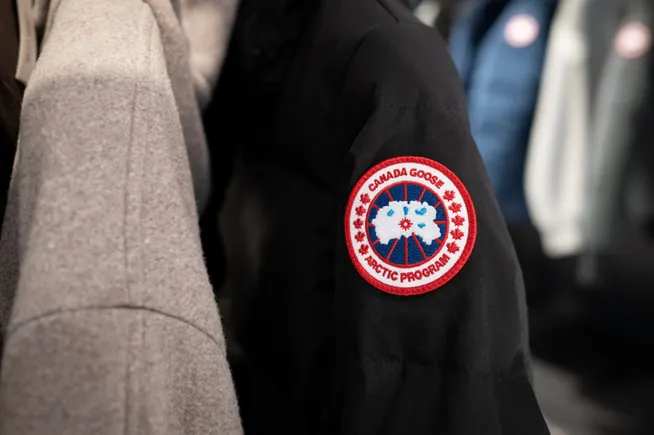
Toronto, ON – In an era marked by shifting global trade policies and dynamic consumer landscapes, luxury apparel giant Canada Goose has demonstrated remarkable agility in confronting new economic headwinds. The iconic Canadian brand, renowned for its premium parkas, faced an unexpected challenge in July when the United States imposed significant 50% tariffs on various Canadian imports. This move, set to take effect just a month later, necessitated a rapid strategic response from the Toronto-based company, highlighting the increasing importance of flexible supply chain management in today’s unpredictable international market.
The company’s swift actions to pre-empt these duties not only mitigated a substantial financial blow but also underscored a broader strategic imperative: to navigate external pressures while continuing its ambitious expansion beyond its traditional winter wear dominance. As luxury brands grapple with economic uncertainties, evolving consumer tastes, and geopolitical shifts, Canada Goose’s experience offers a compelling case study in corporate resilience and adaptive leadership.
Main Facts: A Swift Countermeasure to Trade Barriers
Immediate Tariff Shock and Proactive Mitigation
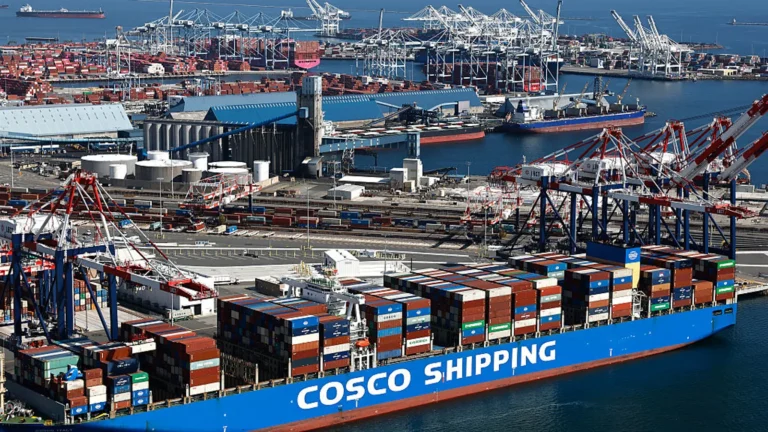
The announcement of a 50% tariff by the U.S. on a range of key imports from Canada in July sent ripples through affected industries, with an effective date looming just a month later in mid-August. For Canada Goose, a prominent Canadian exporter of high-value goods to the lucrative American market, the implications were immediate and potentially severe. However, the company, known globally for its iconic luxury parkas, wasted no time in devising and executing a proactive strategy.
According to Neil Bowden, CFO of Canada Goose, the company’s teams sprang into action, working diligently to accelerate the shipment of their products into the U.S. before the new duties came into force. This intensive effort, a race against the clock, allowed a significant volume of goods to cross the border duty-free, effectively sidestepping the impending tax burden for a crucial period. Bowden lauded the responsiveness of his teams, remarking, "The supply chain and logistics teams are pretty agile." This agility proved to be a critical asset, transforming a potential crisis into a manageable challenge.
The success of this pre-emptive strike was evident in the revised financial outlook provided by the company. Initial estimates had projected a considerable impact on the company’s Earnings Before Interest and Taxes (EBIT) margin, potentially nearing 200 basis points. Thanks to the sophisticated logistical maneuvers, this anticipated hit was effectively halved, reducing the expected impact to approximately 100 basis points, translating to an estimated CAD $15 million (or USD $10.6 million) for the current fiscal year. This strategic mitigation showcases how proactive supply chain management can directly influence a company’s bottom line in the face of unforeseen trade policy changes.
For the immediate future, Canada Goose has opted to absorb the full financial impact of these tariffs. The company adheres to an annual pricing adjustment cycle, typically implemented at the start of its fiscal year in April. Consequently, current prices for its luxury apparel have remained "intact," as Bowden stated. This decision reflects a careful balance between maintaining market competitiveness and preserving brand perception, while also buying time to assess the long-term viability and stickiness of the new trade policies. The company is closely monitoring the economic landscape and consumer sentiment as it prepares to revisit its pricing strategy for the upcoming fiscal year.
Chronology: A Timeline of Trade Tensions and Corporate Adaptation
The Escalation of U.S.-Canada Trade Friction and Canada Goose’s Response
The imposition of a 50% tariff by the United States on various Canadian imports in July marked a significant escalation in cross-border trade tensions, particularly affecting sectors deemed strategically important or those targeted in broader economic disputes. While the specific genesis of these particular tariffs was multi-faceted, often stemming from ongoing bilateral trade negotiations or responses to perceived unfair trade practices, their impact on businesses like Canada Goose was immediate and tangible. The announcement, delivered in July, signaled a profound shift, with the duties slated to become effective just weeks later in mid-August, leaving a narrow window for companies to adapt.
Upon the tariff announcement, Canada Goose’s leadership, guided by Neil Bowden and his team, initiated a rapid assessment of the potential ramifications. The critical timeline—a mere month between announcement and implementation—demanded an accelerated decision-making process. The primary objective was clear: minimize the financial exposure to the new duties by maximizing shipments into the U.S. before the August deadline. This phase involved intensive internal communication, cross-departmental collaboration, and swift executive approvals to greenlight the logistical surge.
The execution phase was a testament to the company’s operational prowess and the dedication of its supply chain and logistics teams. Warehouses and distribution centers on both sides of the border worked around the clock. Freight forwarders were engaged, shipping routes optimized, and customs procedures streamlined to ensure the fastest possible transit. This involved allocating additional resources, potentially incurring overtime costs, and re-prioritizing inventory flows to ensure that high-demand products destined for the U.S. market were prioritized. The goal was to flood U.S. distribution channels with duty-free inventory, building a buffer against the impending tariffs.
Following the mid-August implementation, the company transitioned into a phase of ongoing monitoring and financial recalculation. The initial success in mitigating the tariff impact through pre-emptive shipping provided a crucial breathing room, but the long-term effects still needed to be understood. This involved detailed analysis of inventory levels, sales performance, and the actual cost implications of any goods that did cross the border post-tariff. The "fancy footwork" performed by Canada Goose’s teams during this critical period allowed the company to navigate the immediate shock, providing a foundation for more considered long-term strategic adjustments, including future pricing decisions and potential diversification of manufacturing or sourcing to reduce reliance on tariff-affected routes.
Supporting Data: Financial Resilience Amidst Operational Challenges
Quantifying the Tariff Impact and Pricing Strategy
The U.S. tariffs, while swiftly mitigated, still presented a measurable financial headwind for Canada Goose. Neil Bowden confirmed that the company successfully reduced the expected impact on its Earnings Before Interest and Taxes (EBIT) margin to 100 basis points. This figure represents a significant improvement from the initial internal estimate of nearly 200 basis points, directly attributable to the accelerated shipping strategy. In absolute terms, this 100-basis-point impact translates to approximately CAD $15 million, or roughly USD $10.6 million, for the current fiscal year.
For a luxury brand like Canada Goose, which operates with premium pricing and aims for strong profitability, every basis point of margin is critical. A 100-basis-point reduction means that for every $100 of revenue, the company’s operating profit is $1 less than it would have been without the tariff. While CAD $15 million represents a notable expense, the successful reduction from a potentially higher figure underscores the efficacy of the company’s proactive measures. This amount, though significant, was absorbed by the company, preventing it from immediately impacting consumer prices.
Canada Goose’s decision to absorb the tariff costs rather than implementing an immediate price hike is rooted in its established annual pricing cycle. The company typically adjusts its prices only once a year, at the beginning of its fiscal year in April. This deliberate approach is common among luxury brands, aiming to maintain price stability, reinforce brand value, and avoid frequent adjustments that could confuse consumers or dilute the brand’s premium perception. For the remainder of the current fiscal year, Bowden confirmed that prices would remain "intact."
However, the long-term sustainability of absorbing such costs is a key consideration. Bowden indicated that the company would "revisit pricing next year," taking into account both the prevailing consumer environment and the likelihood of these tariffs persisting. The challenge lies in determining how much higher Canada Goose can push its prices. Some models of its luxury down coats for women already command premium prices, ranging from approximately $950 to $1,700 on platforms like Nordstrom. Any further significant price increases could test the price elasticity of demand for luxury outerwear, potentially impacting sales volume, especially in a market grappling with broader economic uncertainties and inflationary pressures. The delicate balance involves preserving brand exclusivity and profitability without alienating a discerning customer base.
Broader Financial Performance: Q2 FY2027 Review
Beyond the immediate concerns of tariffs, Canada Goose’s recent financial results reveal a mixed picture, reflecting both growth and ongoing operational challenges. For the second quarter of fiscal year 2027, which concluded on September 27, the company reported a revenue increase of 5.9% compared to the same period last year, reaching CAD $274 million. This growth signals continued demand for its products and the effectiveness of its market expansion strategies.
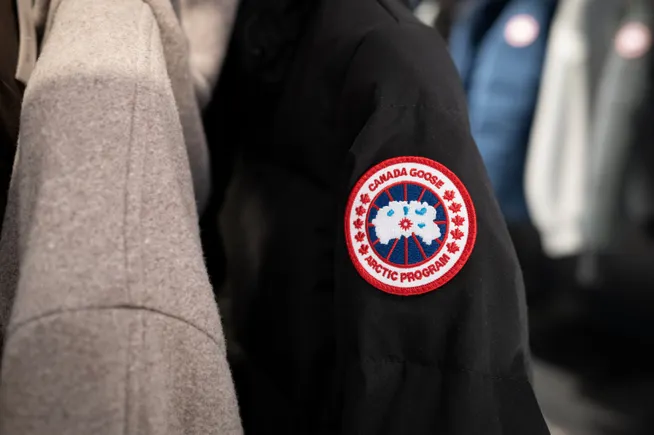
However, the revenue growth was overshadowed by a widening operating loss. The company reported an operating loss of CAD $21.6 million, a notable increase from the CAD $17.6 million loss recorded in the prior-year period. This deterioration in operating profitability was primarily attributed to higher Selling, General, and Administrative (SG&A) expenses. For a luxury brand, SG&A typically encompasses a wide array of costs crucial for brand building and market reach, including marketing and advertising campaigns, salaries for retail staff, store operational costs, administrative overheads, and investments in e-commerce infrastructure. The increase suggests ongoing investments in these areas, perhaps related to new store openings, enhanced digital marketing, or increased personnel to support global expansion, which, while vital for long-term growth, can weigh on short-term profitability. While these expenses were partially offset by an increase in gross profit, the overall flow-through to operating income was negative.
Industry analysts have taken note of these mixed results. Wells Fargo analysts, led by Ike Boruchow, characterized Canada Goose’s Q2 performance as "mixed." They highlighted that while management reiterated its full-year plan, continued softness into October—exacerbated by unseasonably warmer weather delaying seasonal purchases—places increased pressure on execution during the critical holiday season. This period is historically vital for winter apparel brands, and any delays in consumer buying due to weather can significantly impact quarterly performance.
Furthermore, the analysts pointed out that while gross margin gains provided some support, "flow-through remains a key risk against softer sales and rising tariff exposures." "Flow-through" refers to the percentage of revenue that converts into profit. If sales are softer than anticipated, and SG&A expenses remain elevated or rise further, a smaller portion of each sales dollar contributes to operating profit. Combined with the ongoing "rising tariff exposures" (even with the initial mitigation, the tariffs are still an added cost), the company faces a challenging environment where maintaining profitability requires precise cost management and robust sales performance, particularly during the crucial winter selling period.
Official Responses: Leadership’s Vision and Strategic Diversification
Neil Bowden’s Leadership and Strategic Imperatives
At the helm of Canada Goose’s financial operations since 2024, and having been with the company for over a decade, Neil Bowden brings a wealth of experience and a distinct leadership philosophy to his role as CFO. An alumnus of the Big Four firm KPMG, Bowden describes his approach as leading with "both data and heart." This dual perspective is particularly crucial in the luxury retail sector, where analytical rigor must be balanced with an understanding of brand emotional appeal and consumer aspirations. His long tenure has given him an intimate understanding of the company’s evolution, from a niche Canadian brand to a global luxury powerhouse.
Bowden expresses profound gratitude for being part of Canada Goose’s journey, yet he acknowledges the inherent challenges that come with managing a rapidly expanding global brand. His central challenge, he notes, is "finding the path to realize the potential of the powerful brand." This goes beyond mere financial oversight; it involves strategic foresight, capital allocation decisions that support innovation, and fostering a culture that can adapt to both market opportunities and unforeseen obstacles like tariffs. His leadership has been instrumental in navigating the complex financial landscape, ensuring that the company’s growth ambitions are underpinned by sound financial management and operational resilience. He embodies the strategic shift the company has undergone, moving from purely reactive financial management to a proactive stance that integrates supply chain, market dynamics, and brand perception.
Beyond the Parka: Product and Channel Expansion
Under Bowden’s financial stewardship and the broader corporate strategy, Canada Goose has embarked on a significant diversification journey, consciously moving "beyond the parka." While the brand’s signature luxury down parkas remain a core offering and a key identifier, the company recognized the need to expand its product portfolio to sustain year-round relevance and appeal to a broader customer base. Bowden highlighted this evolution, noting that while there is strong awareness around their parkas, lightweight down, and vests, the company is now actively selling T-shirts, knitwear, and rain gear. This strategic expansion aims to transform consumer perception, making people "think of Canada Goose year-round," thereby reducing the seasonality inherent in a brand primarily known for extreme weather outerwear. This product diversification not only broadens revenue streams but also enhances customer lifetime value by offering products suitable for various climates and occasions.
Complementing its product diversification, Canada Goose has also dramatically reshaped its sales channels. Bowden reflected on the company’s past, stating, "When I got here 10 years ago we were all wholesale, mostly North American and a narrow product category, primarily parkas." This traditional model, while effective for initial growth, offered limited control over brand presentation and customer experience. The company has since made a significant strategic pivot towards a direct-to-consumer (D2C) model. Its own network of retail stores and a robust e-commerce channel now account for a substantial portion of its revenue.
This shift to D2C is critical for luxury brands. It provides greater control over the brand narrative, allows for a curated customer experience, and offers higher profit margins by cutting out intermediary retailers. Furthermore, D2C channels provide invaluable direct customer data, enabling more targeted marketing, product development, and inventory management. This dual strategy of product and channel expansion is a cornerstone of Canada Goose’s long-term growth plan, aiming to build a more resilient, diversified, and globally integrated luxury lifestyle brand capable of weathering various economic and geopolitical storms.
Implications: Future Outlook and Industry Dynamics
The Enduring Challenge of Trade Policy
The recent U.S. tariffs on Canadian imports, while successfully mitigated in the short term by Canada Goose, serve as a stark reminder that trade policy volatility is an "industry reality" that companies must continuously manage. Neil Bowden is pragmatic about the future, stating that he is "not banking on any easing of the tariffs." This perspective reflects a cautious approach, recognizing that geopolitical and economic factors often dictate trade relations, making long-term predictions fraught with uncertainty.
However, Bowden did acknowledge the potential for shifts in the political landscape, particularly citing the U.S. midterm elections on November 3 as a possible "opening for an easing of the duties." Changes in congressional control or shifts in administrative priorities could lead to a re-evaluation of existing trade policies, potentially benefiting Canadian exporters. Despite this glimmer of hope, the company’s primary focus remains firmly on what it can control: its internal operations. As Bowden articulated, "Our focus is on what we can control, which is inside the walls of our business with our people, and our perspective is we need to run the best business possible and the politicians will do their thing and we’ll respond to that as they impact us." This philosophy underscores a commitment to operational excellence and adaptability, regardless of external political currents.
For the luxury goods sector globally, the Canada Goose experience highlights the broader challenges posed by protectionist trade measures, supply chain disruptions, and the increasing complexity of international commerce. Companies must increasingly invest in robust supply chain analytics, diversified sourcing strategies, and agile logistics to navigate an environment where tariffs can be imposed swiftly and with significant financial implications. The ability to pivot quickly, as Canada Goose demonstrated, is becoming a non-negotiable aspect of competitive advantage.
Navigating Economic Headwinds and Consumer Shifts
Beyond trade policy, Canada Goose, like many luxury brands, is navigating a complex landscape of economic headwinds and evolving consumer behaviors. Global inflation, rising interest rates, and generalized economic uncertainty are exerting pressure on discretionary spending, particularly in the high-end market. While luxury consumers are often more insulated from economic downturns than their mass-market counterparts, prolonged uncertainty can lead to more cautious spending habits, even among the affluent. This makes the company’s pricing strategy for the next fiscal year particularly critical, as it must balance increased costs with market appetite.
In such an environment, the importance of brand loyalty, perceived value, and unique selling propositions becomes paramount. Canada Goose’s strong brand heritage, reputation for quality and durability, and its increasing emphasis on year-round lifestyle products position it favorably. However, maintaining its premium pricing—with coats already ranging from $950 to $1,700—requires a continuous reinforcement of its value proposition to justify the cost in a potentially contracting luxury market. Consumers are increasingly scrutinizing the sustainability practices and ethical sourcing of luxury brands, adding another layer of complexity to brand management.
The company’s outlook for the critical holiday season, as noted by Wells Fargo analysts, remains a key area of focus. Unseasonably warm weather has already delayed seasonal purchases, placing added pressure on execution during this vital period. Success during the holidays will hinge on effective marketing, efficient inventory management, and the ability to convert consumer interest into sales amidst a challenging economic backdrop. Canada Goose’s strategic expansion beyond parkas and its robust D2C channels are intended to build a more resilient business model capable of weathering these storms, ensuring its continued growth and iconic status in the ever-evolving luxury apparel market.
Editor’s note: Retail Dive Lead Reporter Daphne Howland contributed reporting for this story.
About the Author