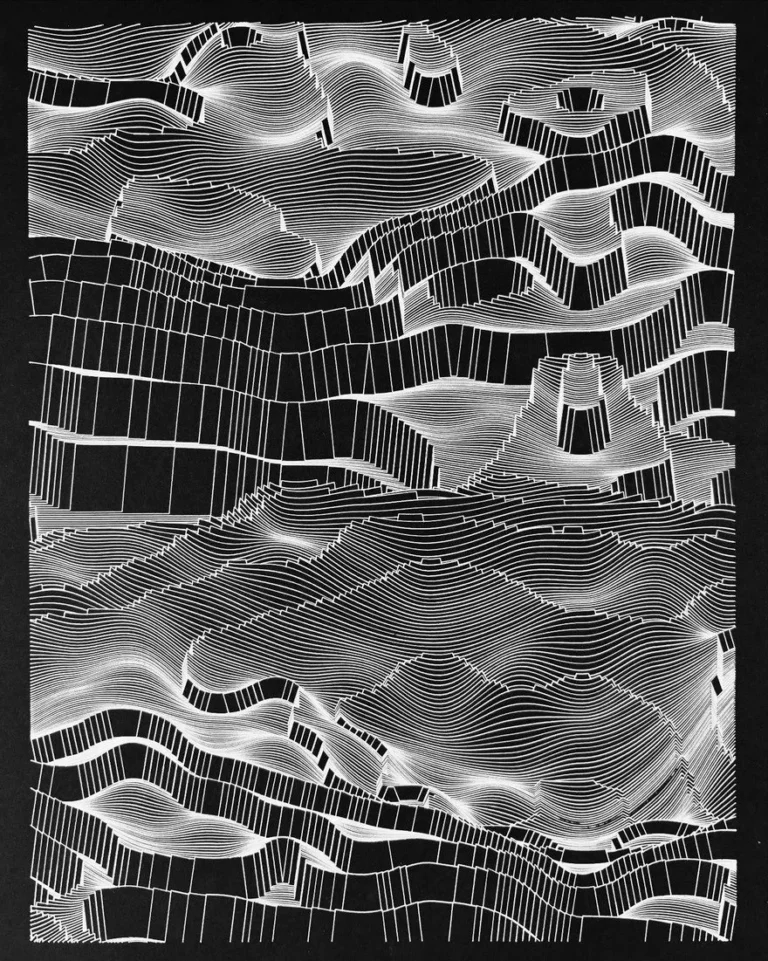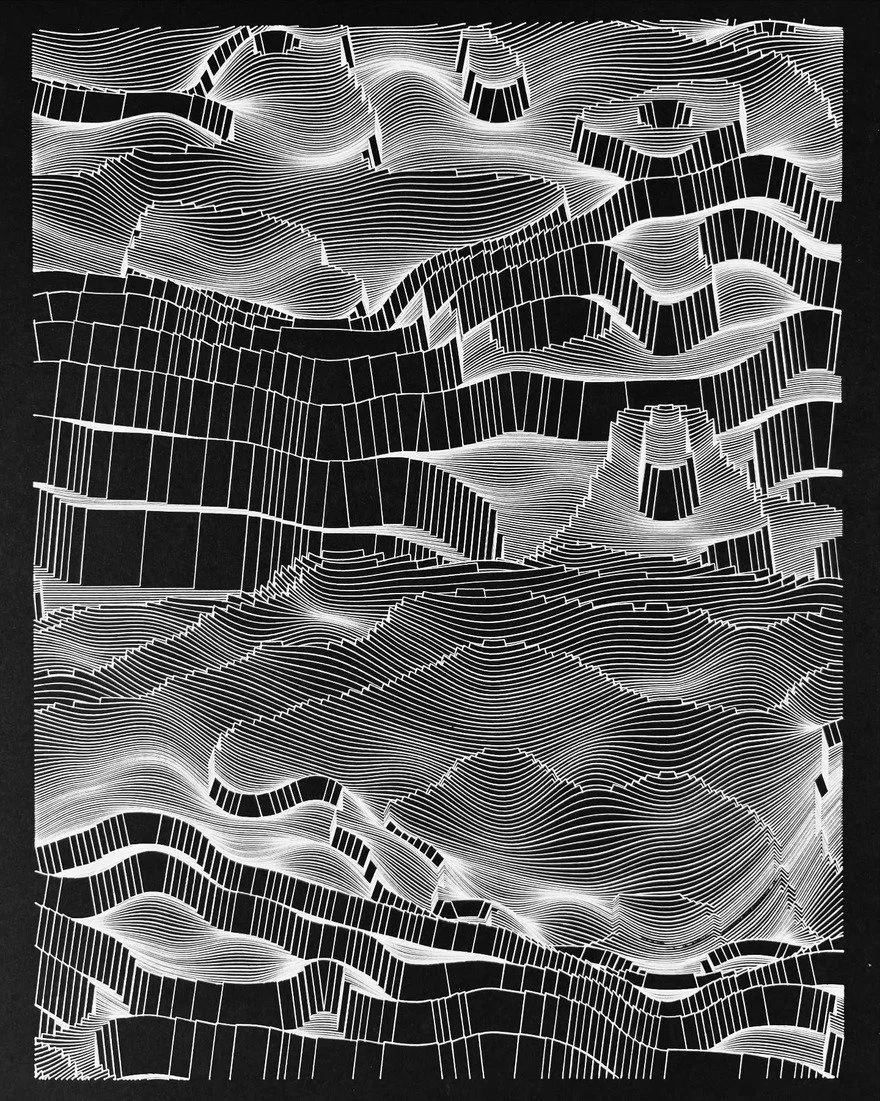
In the contemporary art world, the intersection of technology and creativity has often been dominated by the rapid rise of Generative AI. However, amidst the clamor of machine-learning models and neural networks, a quieter, more tactile revolution is taking place. Portland-based artist Chris Bly is at the forefront of this movement, utilizing pen plotters—robotic drawing machines—to bridge the gap between cold, calculated mathematics and the visceral beauty of physical ink on paper. Bly’s work represents a profound "collaborative effort" between human intent and machine execution, proving that the most compelling digital art often finds its final form in the real world.
The Evolution of an Artist: From Architecture to Code
To understand the complexity of Chris Bly’s current practice, one must look back at the trajectory of his intellectual life. Bly’s engagement with visual art began early, nurtured by a childhood interest in drawing. However, like many creative minds, he sought to reconcile his aesthetic sensibilities with the rigor of technical fields.
His academic journey began in architecture, a discipline that serves as a bridge between structural engineering and aesthetic design. Yet, the allure of pure logic soon took hold, leading him to pivot toward mathematics and computer science. For a time, the pencil was set aside in favor of the compiler. It would take a global crisis to bring these two disparate paths—the artistic and the analytical—into alignment.
During the COVID-19 pandemic, as the world retreated into isolation and job markets shifted, Bly found himself with an abundance of time and a desire for creative output. In an effort to fill the void, he purchased a pen plotter—a device that translates digital files into physical movements via a robotic arm holding a pen. What began as a simple diversion quickly morphed into a profound obsession. Bly discovered the burgeoning "creative coding" community, a digital ecosystem where artists write custom scripts to generate visual patterns. For Bly, this was the "perfect marriage" of his lifelong passions: math, art, design, and programming.
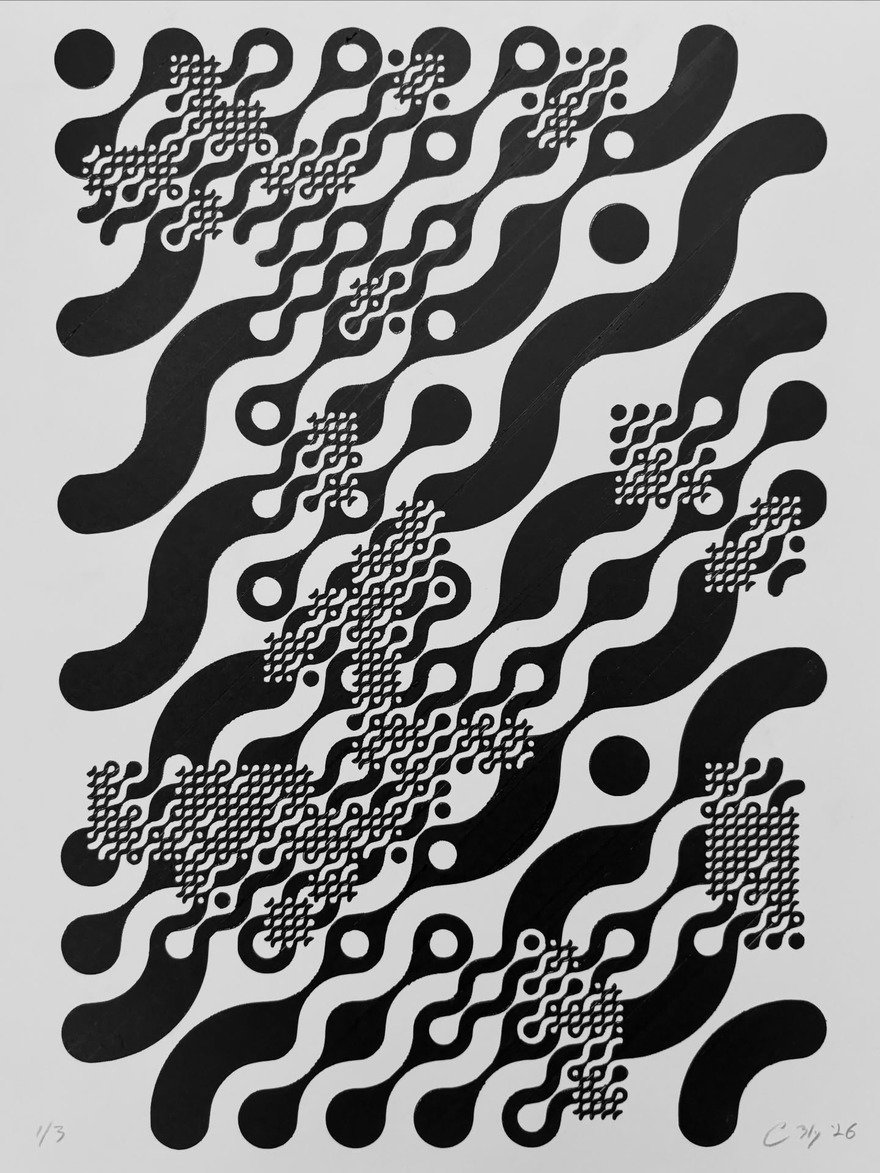
The Mechanics of Collaboration: The Creative Process
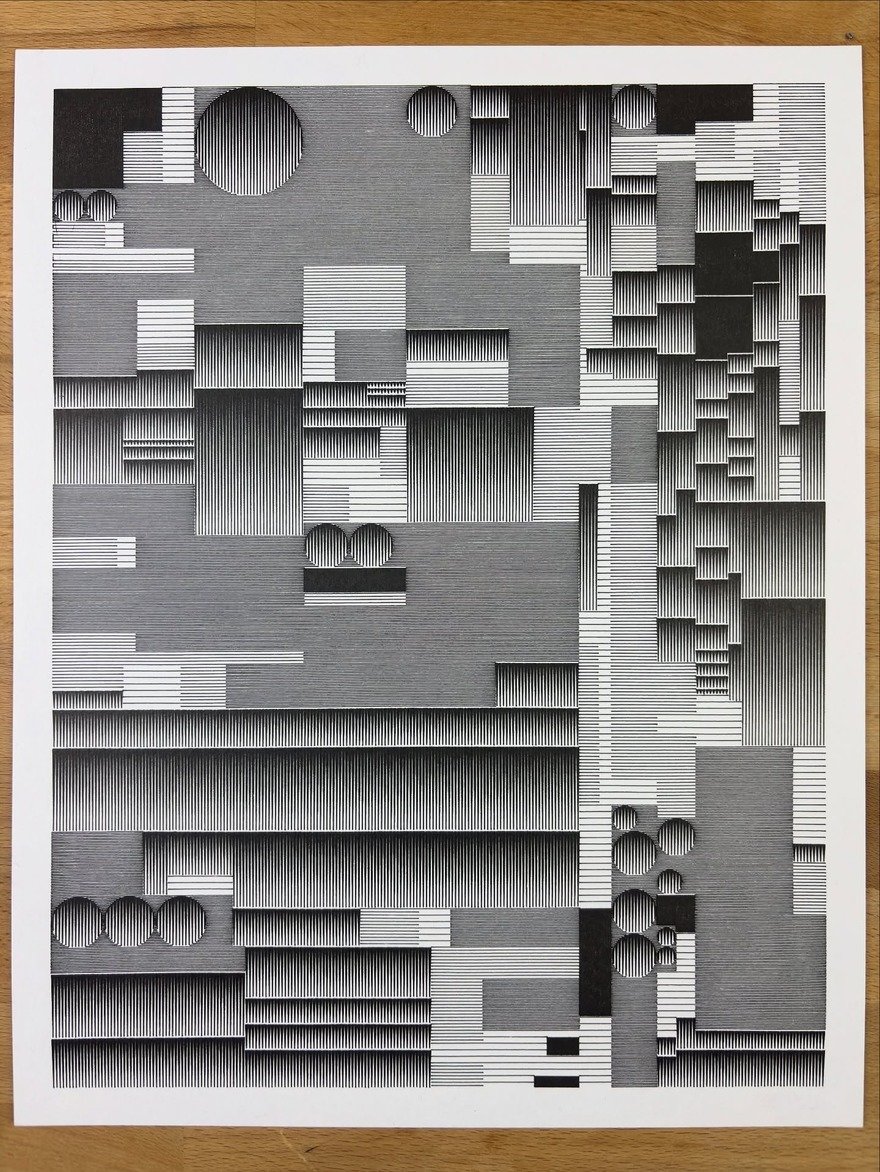
Unlike generative AI, which functions as a "black box" that ingests vast amounts of data to produce an output, Bly’s process is entirely transparent and authored. He writes the code himself, defining the rules of the system, the geometry of the forms, and the constraints of the composition.
The Role of Noise and Randomness
A central tenet of Bly’s philosophy is the strategic use of stochastic processes. His programs are infused with elements of noise and randomness, which allow the computer to make "decisions" within a predefined framework.
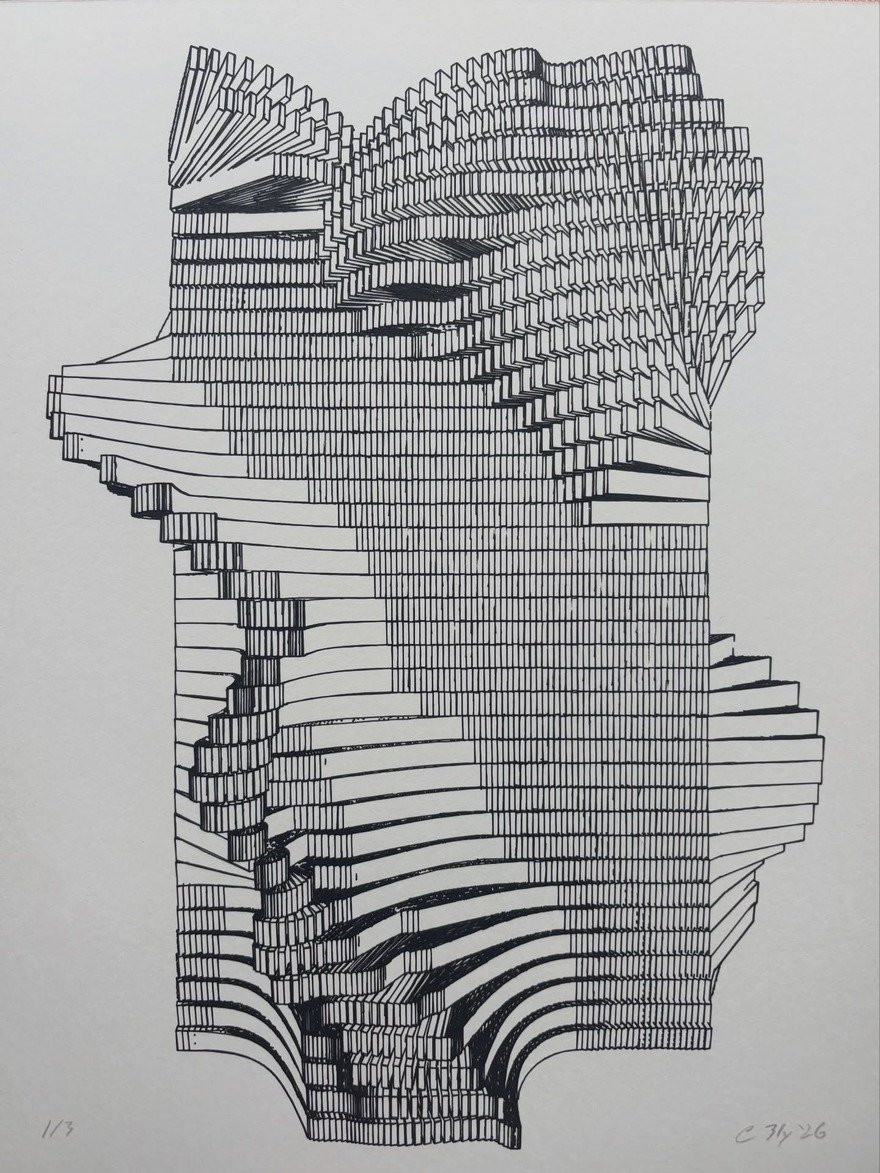
"I call it a collaborative effort," Bly explains. The human provides the logic, the constraints, and the curatorial eye, while the machine provides the unpredictability and the execution. This dynamic mimics the way a jazz musician might operate: the artist sets the key, the tempo, and the chord progression, but allows for improvisational flourishes that breathe life into the composition. By introducing these variables, Bly ensures that no two plots are identical, granting each piece a unique character that is fundamentally "machine-made" yet "human-curated."
Technical Challenges: Beyond the Screen
The transition from a digital file to a physical artifact is where Bly faces his most significant challenges. While the code determines the path, the physical reality of the plotter introduces variables that the computer cannot fully anticipate.
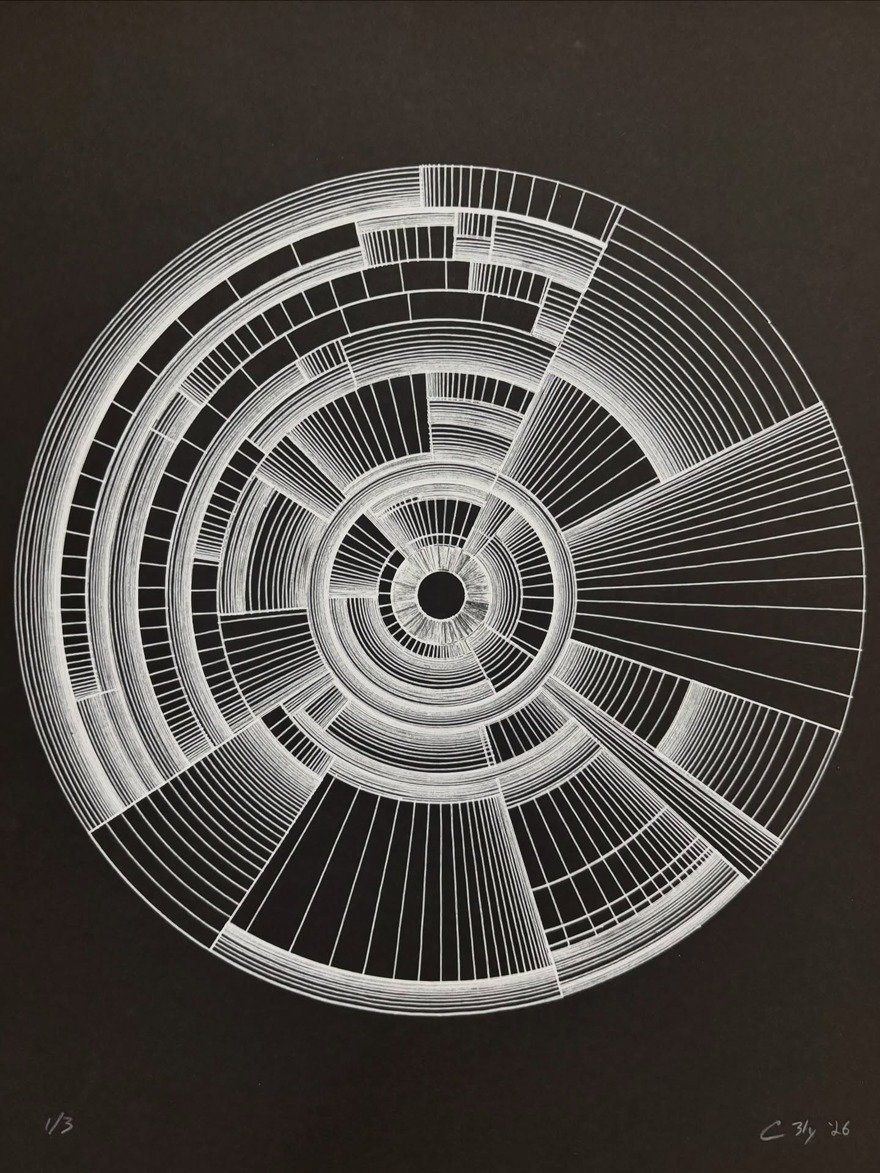
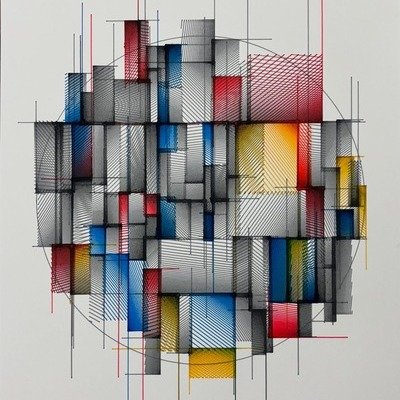
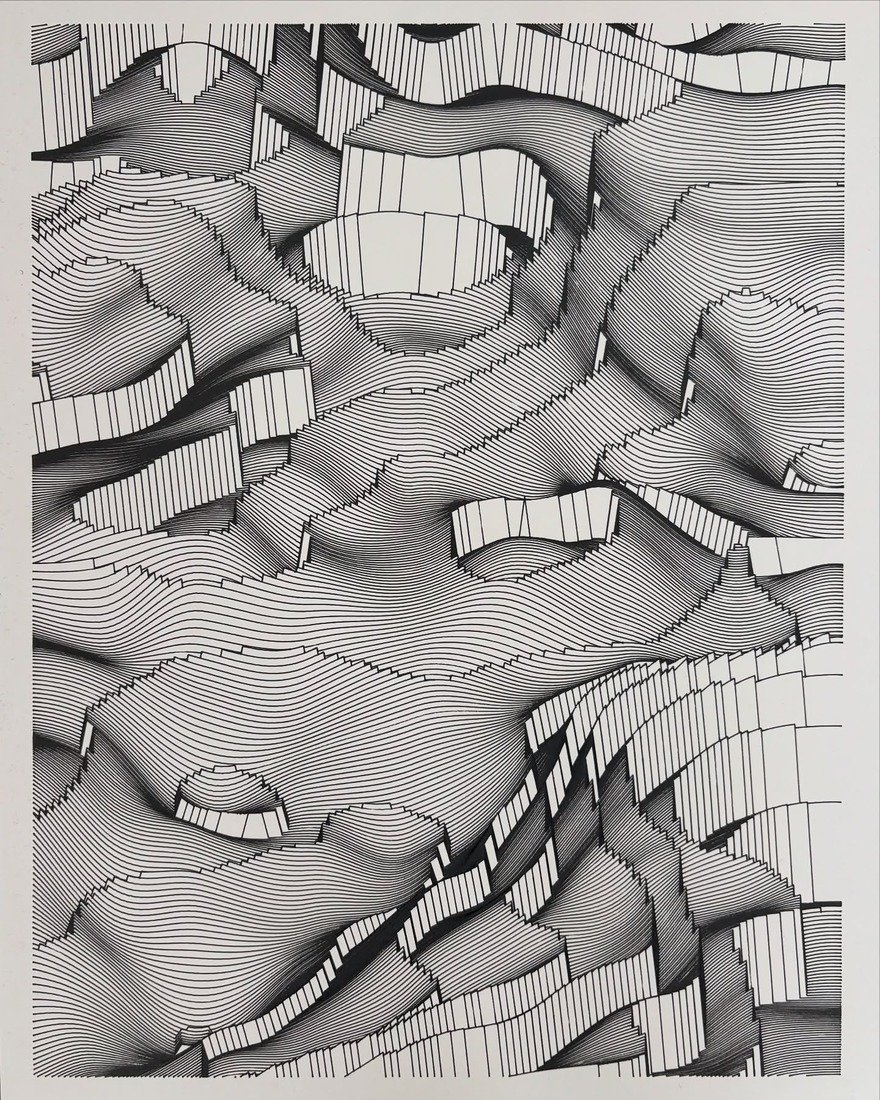
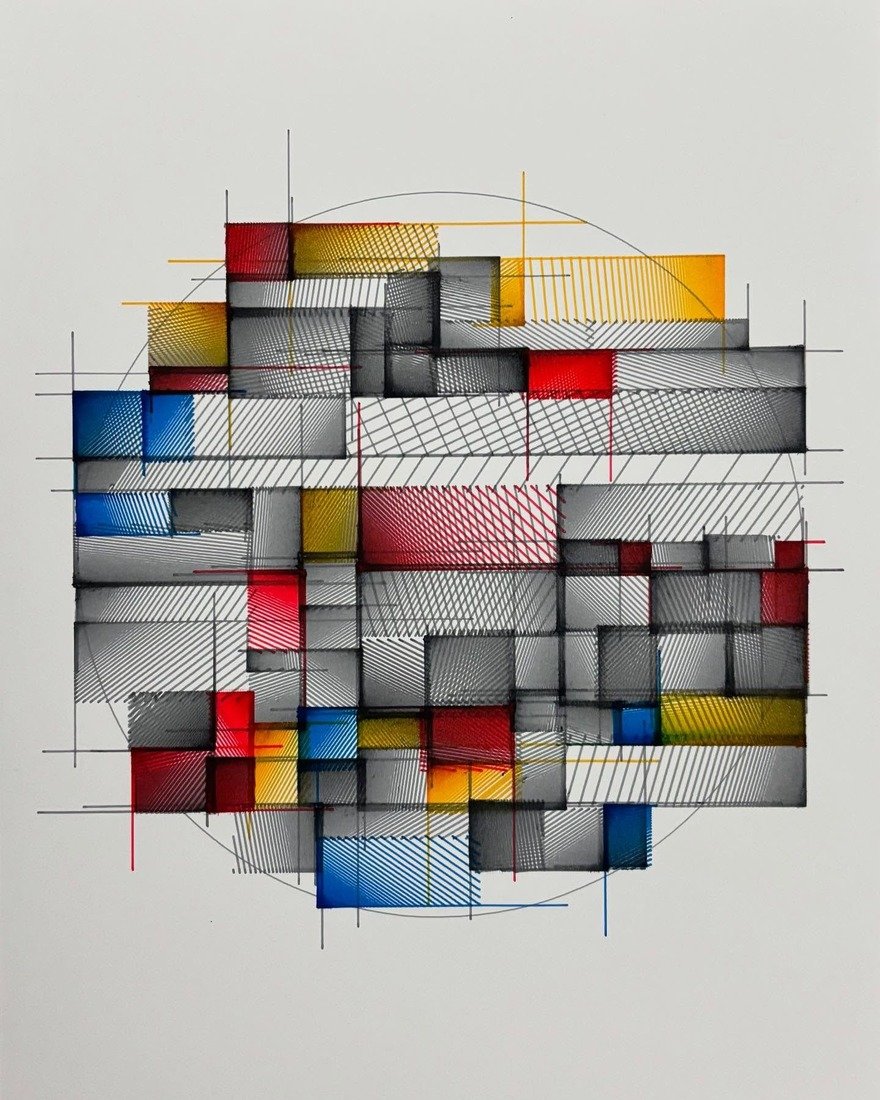
Surface tension, ink flow, paper texture, and the mechanical tolerances of the plotter arm all play a role in the final result. Bly is constantly forced to consider the physical substrate of his work. Every piece involves a deliberate choice of tool—whether a fine-liner, a felt-tip, or a fountain pen—and a careful selection of paper. While his body of work has leaned heavily into monochromatic, high-contrast aesthetics, he is currently moving toward exploring more diverse color palettes and experimental materials, pushing the boundaries of what a plotter can achieve.
The "Not-AI" Distinction: Authenticity in the Digital Age
One of the most frequent misconceptions in the modern art space is the conflation of generative art with Artificial Intelligence. It is a distinction that Bly is keen to emphasize. His work is not the result of a prompt fed into a large language model; it is the result of thousands of lines of manual code, written by a human hand to guide a machine.
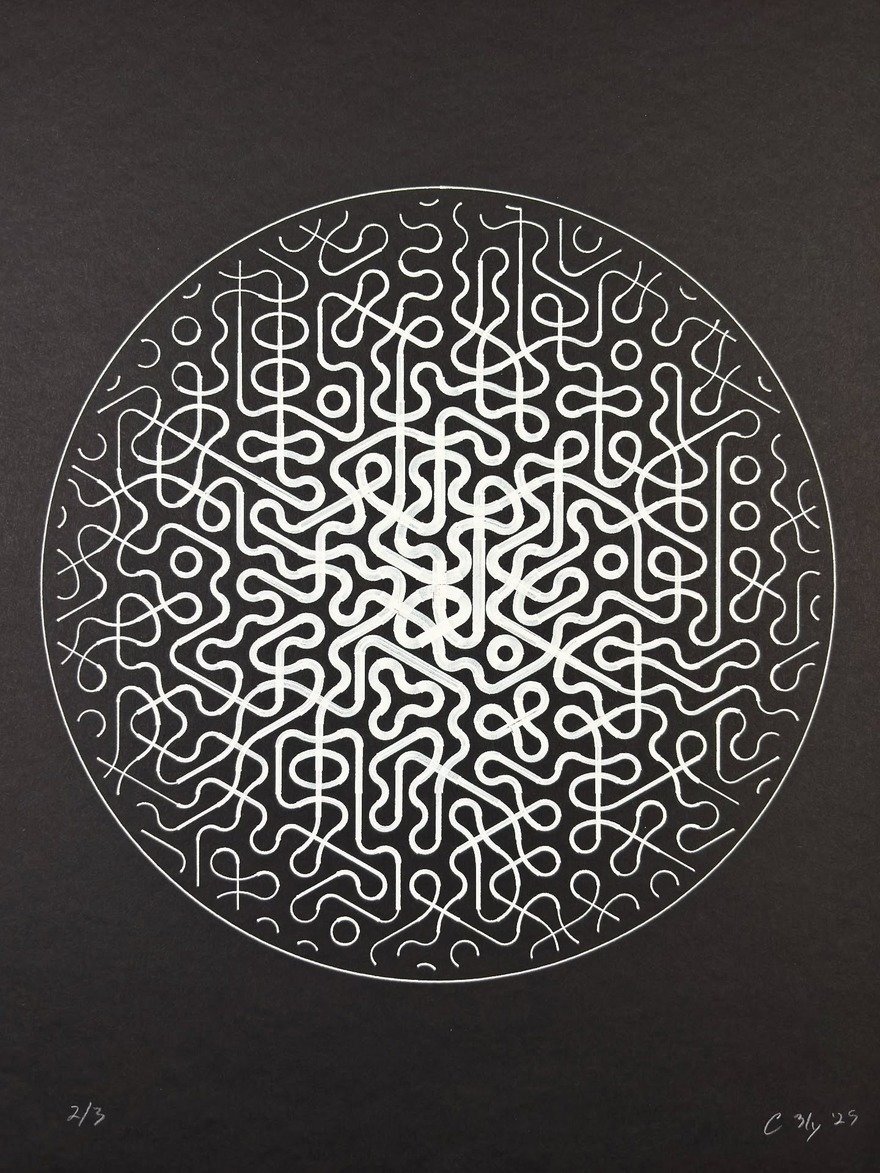
This distinction is vital for understanding the provenance of his art. In AI-generated work, the machine functions as a surrogate creator, often mimicking established styles through statistical probability. In Bly’s work, the machine functions as a tool—a sophisticated, robotic brush. The "artist’s hand" is present in the underlying logic, the specific parameters of the algorithms, and the rigorous process of filtering and selecting the most compelling outputs from the machine’s production.
By grounding his practice in mathematics, Bly restores a sense of intentionality to the digital medium. He is not "prompting" an image; he is engineering a visual system.
Implications for the Future of Generative Art
The work of Chris Bly serves as a case study for the future of the creative industry. As digital tools become more accessible, the value of the "physical finish" is rising. Bly’s success suggests a shift in how we perceive the role of the artist in an automated age.
1. The Revival of Physicality
We are currently witnessing a counter-movement to the digital-only trend. Collectors and critics are increasingly drawn to works that possess a physical presence—textures that can be felt and lines that have been physically laid down by a robotic arm. Bly’s integration of digital code with the analog tradition of drawing satisfies this craving for tangibility.
2. The Democratization of Complex Systems
Bly’s path—from student to hobbyist to professional artist—highlights how the democratization of hardware (like affordable, high-quality plotters) and software (creative coding languages like Processing or p5.js) allows for a new class of artist to emerge. One does not need to attend a traditional art academy to master these systems; one needs only the curiosity to learn the math and the discipline to write the code.
3. The Curator-Artist Hybrid
Bly’s role is increasingly that of a curator. Because he can generate hundreds of iterations of a single algorithm, the "art" resides as much in the selection of the best output as it does in the writing of the code. This implies that the future of artistic practice involves managing and refining automated systems rather than just "painting" in the traditional sense.
Conclusion: A New Frontier of Expression
Chris Bly’s work is a testament to the enduring power of curiosity. By circling back to his early love of drawing and augmenting it with the sophisticated tools of computer science, he has carved out a unique space in the contemporary art scene. His pieces, characterized by intricate geometries and a delicate, mechanical precision, stand as a bridge between the rigid, binary world of computing and the fluid, unpredictable world of human experience.
As he continues to explore new palettes and materials, Bly remains a vital voice in the generative art community. He reminds us that even in an era of rapid technological advancement, the most profound art is that which is built upon a solid foundation of logic, curiosity, and the courage to experiment. For those interested in the future of the intersection between the human spirit and the machine, Chris Bly’s plotter-based art is not just a destination—it is a map for what is possible when we embrace the collaborative potential of the tools we create.
About the Author