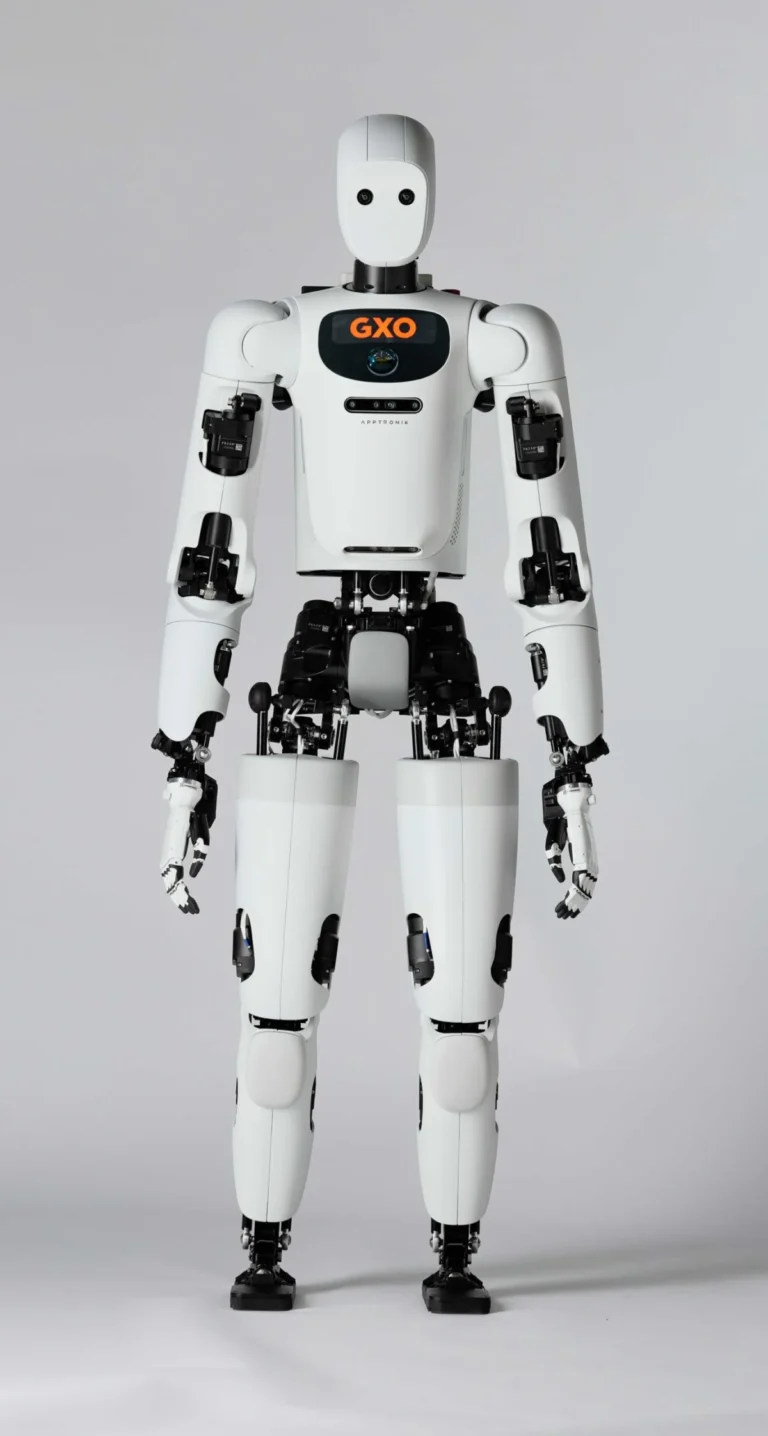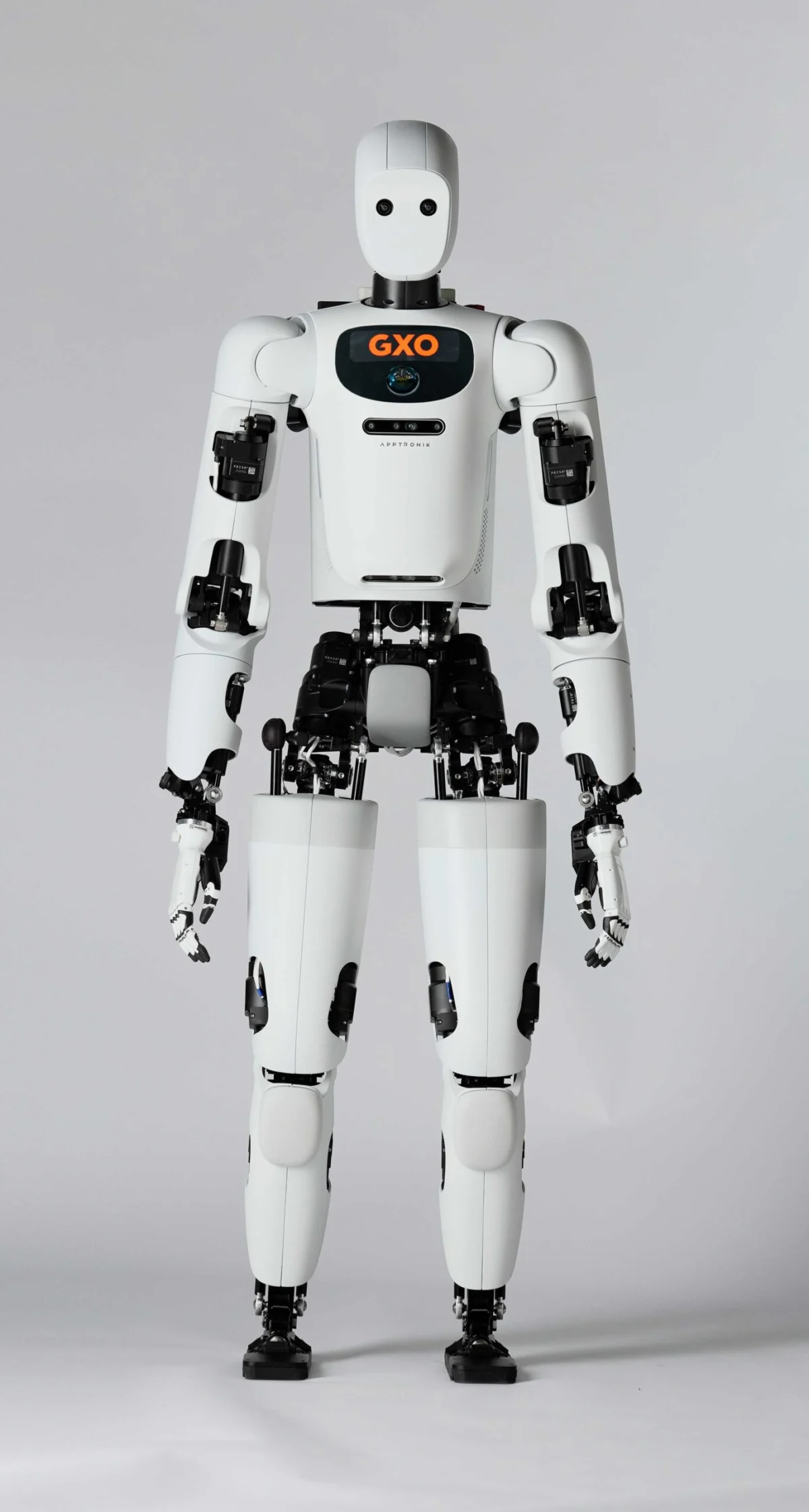
The logistics industry stands on the precipice of a seismic shift. GXO Logistics, the world’s largest pure-play contract logistics provider, has signaled a transformative expansion in its robotics strategy. In a landmark development, the company has signed a letter of intent (LOI) with Austin-based robotics firm Apptronik to potentially deploy up to 1,000 "Apollo" humanoid robots across its global network over the next four years.
This agreement marks a departure from experimental pilot programs toward a formal, scalable integration of general-purpose humanoid labor in complex warehouse environments. By leveraging a "Robotics-as-a-Service" (RaaS) model, GXO aims to address labor volatility, optimize throughput, and redefine the ergonomics of the modern supply chain.
The Strategic Vision: Scaling Humanoid Autonomy
The core of this partnership centers on Apptronik’s flagship robot, "Apollo." Unlike traditional stationary automation or automated guided vehicles (AGVs) confined to specific tracks, Apollo is designed to operate in human-centric environments. Its bipedal form factor allows it to navigate existing warehouse infrastructure—aisles, loading docks, and workstations—originally designed for human personnel.
The potential deployment of 1,000 units is not merely a hardware acquisition; it is a long-term strategic commitment to integrating artificial intelligence and physical dexterity into the logistics workflow. The robots are expected to undertake tasks that are often repetitive, physically taxing, or ergonomically challenging, including:
- Goods-to-Person and Person-to-Goods picking: Enhancing the speed and accuracy of order fulfillment.
- Case and Tote Movement: Streamlining the internal flow of inventory.
- Packing and Sortation: Automating the final stages of the outbound process.
The success of this deployment rests on a rigorous validation process. Starting in late 2027, the companies will initiate comprehensive trials in North American facilities. These trials will serve as the crucible for the technology, ensuring that each unit meets stringent safety, security, and technical requirements before moving to the next stage of the rollout.
A Chronology of Collaboration: From Concept to Scale
The journey toward this massive deployment did not happen overnight. It is the result of a multi-year, iterative R&D partnership designed to move humanoid technology from the laboratory to the warehouse floor.
2024: The Proof-of-Concept
GXO first initiated a proof-of-concept trial with Apptronik in 2024. The objective was modest but critical: determine if a humanoid robot could actually function in a high-velocity, real-world warehouse environment. During this phase, engineers focused on basic navigation, stability, and the ability of the robot to interact with standard warehouse totes and shelves.
2026: Expansion and Validation
Following the success of the initial proof-of-concept, GXO expanded its scope. In 2026, the partnership moved beyond a single testing site in Georgia, integrating Apollo units into additional distribution centers across North Carolina and Tennessee. This expansion allowed the teams to stress-test the robots against varying warehouse layouts and diverse product profiles, providing the necessary data to refine Apollo’s AI models and physical endurance.
2027 and Beyond: The Path to 1,000
The current LOI represents the third chapter of this relationship. Beginning in late 2027, the focus will shift to high-volume operational KPIs. If these trials satisfy the productivity and safety metrics established by the two firms, the rollout will scale to 1,000 units, creating one of the largest deployments of humanoid labor in history.
Supporting Data: Why Humanoids?
The logistics sector is currently grappling with a "triple threat": rising consumer expectations for rapid delivery, chronic labor shortages, and the inherent difficulty of retrofitting existing warehouses with rigid, expensive fixed automation.
The Human-Centric Advantage
Humanoid robots offer a unique value proposition: they are "infrastructure-agnostic." While traditional conveyors or heavy-duty robotic cells require significant facility modifications—such as floor reinforcement or the installation of proprietary racking—humanoids like Apollo work alongside human workers using existing equipment.
The RaaS Economic Model
By utilizing a Robotics-as-a-Service model, GXO avoids the massive capital expenditure (CAPEX) usually associated with large-scale automation projects. Instead, they shift toward an operational expenditure (OPEX) model, paying for the robot’s performance and availability. This allows GXO to scale up or down based on seasonal demand, a critical requirement for a logistics giant that manages massive fluctuations during the holiday peak season.
Official Perspectives: Bridging Tech and Logistics
The collaboration has drawn significant attention from industry leaders. Jeff Cardenas, CEO and co-founder of Apptronik, emphasized the importance of real-world operational discipline in the maturation of his company’s technology.
"We started working with GXO in 2024, and through our partnership, we’re defining what it takes to put humanoid robots to work in logistics—measured against real operational KPIs in live facilities, and delivering real value," Cardenas stated. "GXO has the network and the operating discipline to take this technology to real scale, across one of the largest logistics footprints in the world."
For GXO, the move is an expression of their broader strategy to lead the industry in "intelligent automation." By acting as a proving ground for emerging tech, GXO not only optimizes its own operations but also positions itself as a partner of choice for retailers and manufacturers who demand cutting-edge efficiency.
Implications: The Future of the Warehouse Workforce
The potential deployment of 1,000 humanoid robots carries significant implications for the future of work, technology integration, and the global supply chain.
1. Augmentation vs. Replacement
A common concern surrounding humanoid robotics is the displacement of human labor. However, industry analysts point out that the logistics sector currently faces a persistent labor deficit. Robots like Apollo are primarily intended to handle the "dull, dirty, and dangerous" tasks, thereby freeing human workers to handle more complex decision-making, exception management, and quality control roles. The goal is augmentation: a "cobot" environment where humans and robots work in a complementary, safe, and collaborative fashion.
2. The Standardization of Warehouse AI
As GXO and Apptronik iterate on their KPIs, they are essentially writing the "rulebook" for human-robot interaction in industrial settings. These learnings will likely influence safety standards, cybersecurity protocols for industrial bots, and the development of universal software interfaces for robotics.
3. Resilience and Operational Velocity
By integrating mobile humanoid units, GXO increases the resilience of its network. If a facility needs to pivot from one product type to another, humanoids can be reprogrammed or relocated with significantly less downtime than fixed, legacy automation. This agility is a competitive advantage in a market where supply chain disruptions have become the new normal.
Conclusion: A New Era of Logistics
The GXO-Apptronik partnership is a litmus test for the viability of humanoid robots in commercial applications. While 1,000 robots may seem like a large number, it is merely the starting point for a shift that could eventually see thousands of such units populating the global supply chain.
The success of this deployment will hinge on the technical stability of the Apollo model, the ability of the AI to handle real-time warehouse anomalies, and the seamless integration into GXO’s existing digital ecosystems. If these milestones are met, the next four years will mark the transition of humanoid robotics from a futuristic concept into the backbone of the modern global warehouse.
As GXO continues its rigorous, multi-phase testing, the logistics world watches closely. The outcome of this partnership will likely determine whether the future of the warehouse is one of human-led operations supported by silicon, or a future where the distinction between the two begins to blur in the service of absolute efficiency.
About the Author