In a sweeping law enforcement crackdown that highlights the persistent vulnerabilities in the nation’s logistics and supply chain networks, authorities have dismantled a sophisticated, multi-state drug trafficking organization. "Operation Hall of Fame," a three-year investigation led by the Pinellas County Sheriff’s Office in coordination with the Florida Department of Law Enforcement (FDLE), culminated in the arrest of nine individuals and the seizure of 132 pounds (60 kilograms) of cocaine.
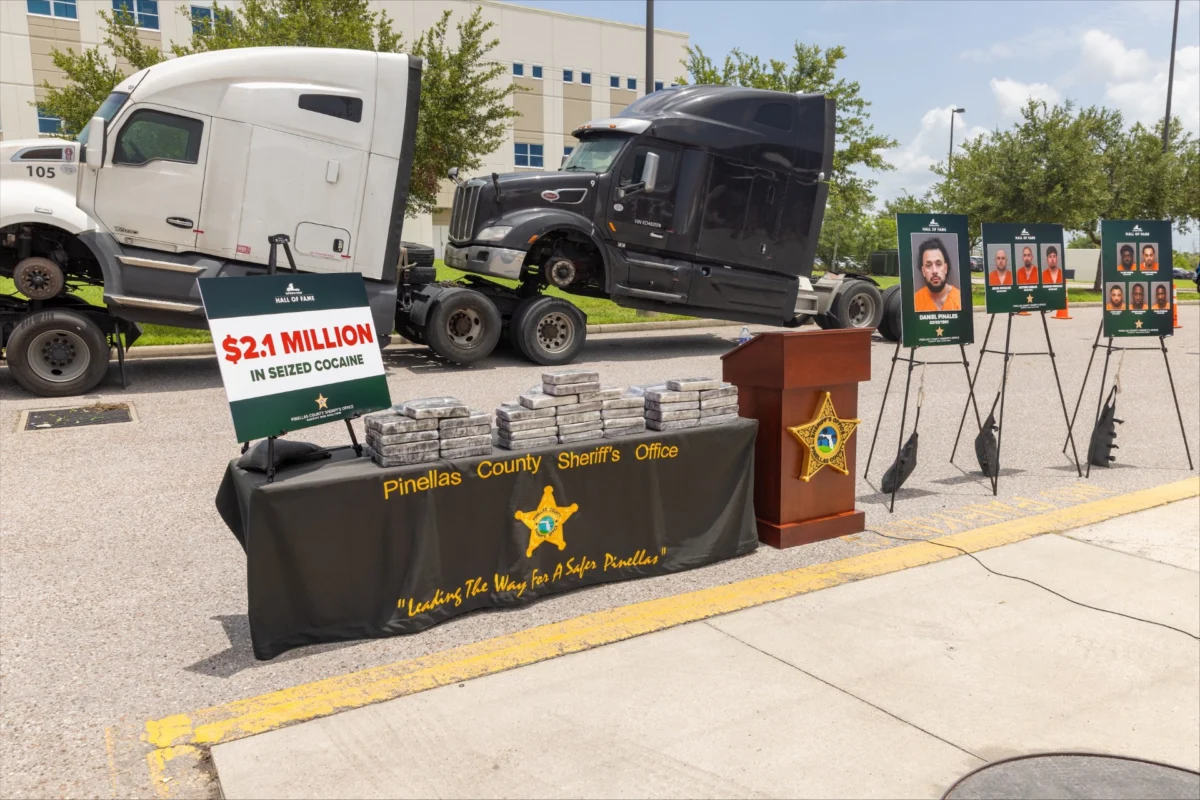
The operation revealed a calculated, high-volume smuggling pipeline that utilized the facade of the legitimate trucking industry to move narcotics from El Paso, Texas, into the heart of Florida. Sheriff Bob Gualtieri, who announced the results of the investigation on July 14, estimated the street value of the single seized shipment at $2.1 million, underscoring the massive scale of an illicit enterprise that authorities believe was operating on a monthly basis.
The Mechanics of the Pipeline: A "Complete Facade"
At the center of the investigation was a methodical, routine logistics operation that sought to exploit the anonymity of long-haul trucking. According to Sheriff Gualtieri, the trafficking organization, allegedly led by Daniel Pinales, utilized a "complete facade" to move contraband across state lines.
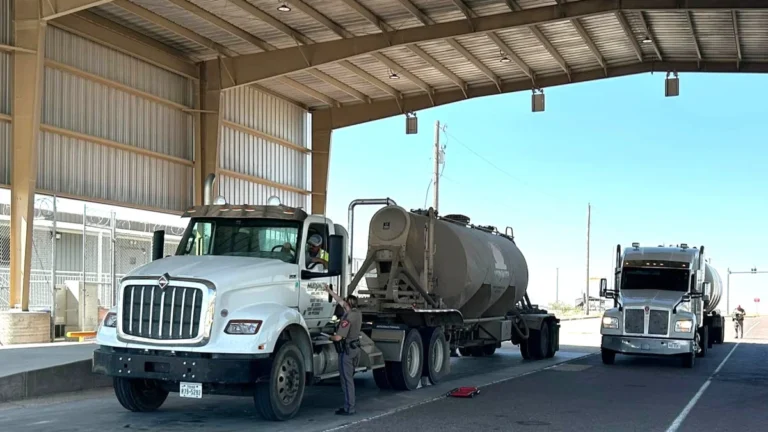
The group’s modus operandi involved a convoy of truck tractors traveling between Texas and Florida. To maintain the appearance of standard commercial activity, the traffickers frequently used one operable tractor to tow two disabled vehicles. This configuration served a dual purpose: it provided a plausible explanation for the convoy’s presence on the road while offering additional compartments to hide illicit cargo.
Investigators identified the primary storage point for the cocaine as the sleeper compartment of a black truck tractor. By stowing the drugs in the elevated cab, the traffickers hoped to evade detection by roadside canine units, as the scent would be dispersed high above the roadway, complicating the efforts of drug-sniffing dogs during routine traffic stops.
"Somebody sees this, you’re just thinking this trucker is going about their business," Gualtieri remarked during the press conference. The routine was clockwork: three men would travel from Texas to the vicinity of Interstate 75 in Wesley Chapel, Florida, where they would check into a local hotel. They were consistently accompanied by a rented SUV, which served as a support vehicle for the final transfer of the contraband.
Chronology of the July Shipment
The final act of Operation Hall of Fame played out over several days in early July. Detectives, who had been monitoring Pinales and his associates for three years through a series of complex wiretap investigations, caught the organization in the midst of its July shipment.
On July 10, investigators tracked the convoy as it moved south toward Lake City, Florida. The drivers, identified as Arturo Carlos, Jesus Morales, and Joaquin Enriquez, followed their established pattern, arriving at a hotel in Wesley Chapel to spend the weekend.
As night fell on the evening of the transaction, the operation shifted into its high-stakes phase. Surveillance teams observed Morales and Enriquez removing three duffel bags from the sleeper compartment of the black tractor. Simultaneously, detectives monitored Pinales as he departed Brandon, Florida, in a rented Honda minivan.
The two parties converged in a dark parking lot near Fletcher Avenue in Tampa. Under the cover of darkness, Morales and Enriquez transferred the duffel bags—each packed with kilograms of cocaine—into Pinales’ vehicle. While Pinales attempted to flee the scene, law enforcement officers were waiting. Deputies intercepted the vehicle, recovering the 60 kilograms of narcotics and effectively ending the organization’s ability to flood Pinellas County with illicit substances.
Supporting Data and Financial Scope
The scale of the operation is staggering when analyzed through the lens of long-term frequency. Sheriff Gualtieri noted that this was not an isolated incident; rather, it was a monthly occurrence that had been perfected over time.
If the organization successfully moved approximately 60 kilograms of cocaine each month, the annual volume would exceed 700 kilograms. At a valuation of $2.1 million per shipment, the total annual value of the drugs moving through this specific pipeline would reach into the tens of millions of dollars.
The financial incentive for those involved was immense. Gualtieri stated that the Texas-based suspects involved in the transport were typically compensated with approximately $1 million per trip. These figures highlight the immense profitability of cross-country drug smuggling and explain the elaborate, high-effort concealment strategies employed by the syndicate to ensure the cargo reached its destination.
Official Responses and Legal Implications
The arrests resulting from Operation Hall of Fame represent a significant victory for regional law enforcement, but the legal battle is only beginning.
Daniel Pinales, the alleged architect of the Florida distribution network, faces one count of cocaine trafficking. Due to the quantity involved, he is subject to a 15-year mandatory minimum prison sentence. A judge has set his bail at $2.25 million, reflecting the severity of the charges and the flight risk associated with such a high-level operator.
The co-conspirators face a variety of charges, indicating a wide range of involvement within the organization:
- Arturo Carlos: Two counts of trafficking.
- Tyler Green: Four counts of trafficking.
- Marice Higgins: Eight cocaine-related charges, along with allegations of marijuana distribution and firearm possession.
- Brian Varner: Eight cocaine-related charges.
- Jesus Morales, Joaquin Enriquez, Cody Dent, and Ryan Sturgis: One count of trafficking apiece.
Sheriff Gualtieri emphasized that the investigation is far from over. By analyzing the data gathered through wiretaps and surveillance, authorities have identified similar delivery patterns occurring across other regions of the country. "This investigation is ongoing, and it’s not over with," Gualtieri said.
As the legal proceedings move forward, the defense teams for the accused will hold the state to the burden of proof, requiring prosecutors to prove every count beyond a reasonable doubt. For now, however, the arrests have successfully disrupted a major pipeline that was funneling astronomical amounts of cocaine into the streets of Florida.
Implications for the Logistics Industry
Operation Hall of Fame serves as a stark reminder of how criminal enterprises attempt to weaponize the legitimate freight and logistics industry. By utilizing tractor-trailers and professional-looking convoys, traffickers aim to hide in plain sight, blending in with the thousands of commercial vehicles that cross the United States daily.
The use of "prop" vehicles and the exploitation of sleeper cabs represent a sophisticated evolution in smuggling tactics. This case provides several key takeaways for the transportation and law enforcement sectors:
- Supply Chain Vulnerability: The ease with which these individuals moved between Texas and Florida highlights the need for better integration between state law enforcement agencies and commercial motor vehicle inspectors.
- Detection Challenges: The creative use of vehicle configurations—such as towing disabled units—complicates the ability of law enforcement to perform effective inspections without disrupting commerce.
- The Role of Technology: The success of this operation was largely driven by long-term wiretap investigations. This suggests that while roadside inspections are critical, the most effective way to dismantle these networks is through deep-dive investigative intelligence.
As the industry faces increased scrutiny regarding cargo theft and freight fraud, the intersection of drug trafficking and logistics remains a high-priority concern. Industry events, such as the upcoming Brokerage Compliance Symposium in Chattanooga, are increasingly focusing on these issues, highlighting the need for better carrier vetting, insurance oversight, and compliance with Federal Motor Carrier Safety Administration (FMCSA) rules.
Ultimately, the dismantling of Pinales’ organization is a testament to the persistent and quiet work of detectives who spent years mapping out a network that thought it was invisible. While the streets of Pinellas County are temporarily safer, the case remains a sobering example of the ongoing battle to prevent the abuse of the nation’s highways for illicit gain.
About the Author