The global energy landscape is undergoing its most profound transformation in over a century. As the world’s appetite for electricity reaches record highs, the fundamental mechanisms of how we generate that power are shifting away from the coal-reliant model that defined the 20th century. A comprehensive analysis of data from the independent energy think tank Ember and the research organization Our World in Data reveals a world in flux: while fossil fuels remain the dominant source of global electricity, their grip is loosening, replaced by a surge in wind and solar power that is reshaping geopolitical influence and economic development.
Main Facts: The Shift Away from Fossil Fuels
The global transition is not happening overnight, but the trajectory is unmistakable. In 2025, 57% of the world’s electricity was generated by burning coal, natural gas, or other fossil fuels. While this remains a majority, it represents a significant decline from the 65% share held in 2000.
The most striking development in recent years is the rise of renewables—specifically wind and solar—which are increasingly competing with coal on equal footing. In 2025, for the first time in history, the combined output of all renewable sources (including wind, solar, bioenergy, and hydropower) accounted for a slightly larger share of global electricity generation (34%) than coal (33%).
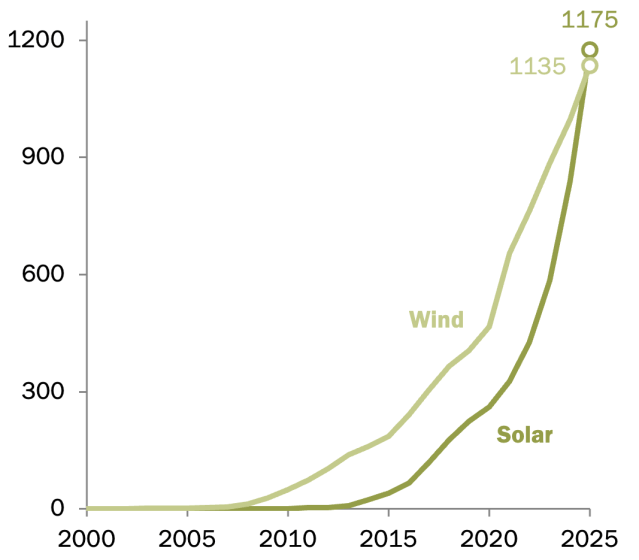
Coal, the bedrock of industrialization, has seen its share of the global power mix decline from a peak of 41% in 2013 to roughly one-third in 2025. Simultaneously, wind and solar power have exploded in popularity. These two sources alone accounted for 17% of all global electricity in 2025, a dramatic leap from less than 5% in 2015.
Chronology: A Quarter-Century of Change
To understand the current energy state, one must look at the timeline of the last 25 years. At the turn of the millennium, the global energy mix was heavily tethered to traditional sources. In 2000, coal provided 38% of global electricity, while nuclear energy sat at 17% and hydropower at 17%. Solar energy was effectively non-existent on the global stage, contributing a mere 0.01% to the total supply.
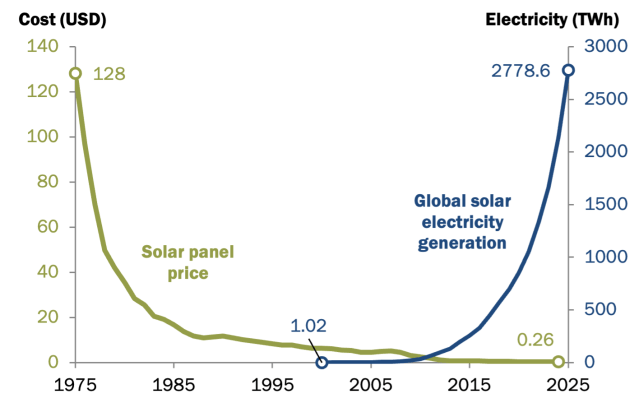
Between 2000 and 2010, the global reliance on coal actually increased, peaking as emerging economies in Asia ramped up industrial capacity. However, the 2010s marked the "tipping point" for clean energy technology. The cost of solar panels, which averaged $128 per watt in 1975, plummeted to under $0.30 by the mid-2020s. This 99% cost reduction, driven by economies of scale and manufacturing breakthroughs, allowed solar to shift from a niche scientific curiosity to a primary utility-scale power source.
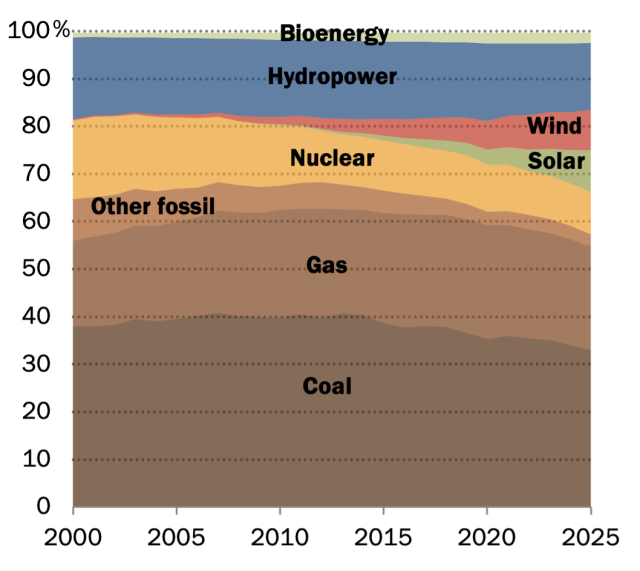
By 2020, solar had reached 3% of global generation. By 2025, that figure tripled to 9%. This period also saw the decline of nuclear energy as a percentage of the total mix—falling from 17% in 2000 to just 9% in 2025—largely due to aging infrastructure in the West and the lingering impacts of the 2011 Fukushima accident in Japan.
Supporting Data: Regional Divergences
The global average tells only part of the story; regional data highlights a deep divide in how nations are approaching their energy security.
Europe’s Renewable Lead
The European Union has positioned itself at the forefront of the green transition. In 2025, nearly half (48%) of all electricity in the EU was generated by renewable sources. Fossil fuels have been relegated to 29% of the mix, while nuclear provides 23%. This is a stark contrast to nations like Saudi Arabia, where 98% of electricity is still derived from fossil fuels, though the kingdom is now aggressively pursuing its "Vision 2030" plan to diversify into nuclear and renewables.
The Asian Surge
The most dramatic story in energy, however, is Asia. Electricity generation in Asia has surged by 298% since 2000, accounting for 76% of the world’s total growth in demand. China is the primary driver of this shift. As of 2025, China produces more electricity from wind and solar combined than the entire 38-nation OECD bloc. Notably, China has become the world’s primary exporter of clean-tech components, including batteries and electric vehicles, effectively monopolizing the supply chain for the energy transition.
North America and Africa: The Shift to Gas
In North America and several African nations, the transition has not been a direct jump to renewables, but rather a "bridge" to natural gas. As coal plants have been shuttered, natural gas has emerged as the preferred alternative, often justified by its lower carbon footprint compared to coal. In North America, natural gas generation rose from 15% in 2000 to 37% in 2025, while coal fell from 47% to 15% in the same timeframe.
Official Responses and Strategic Shifts
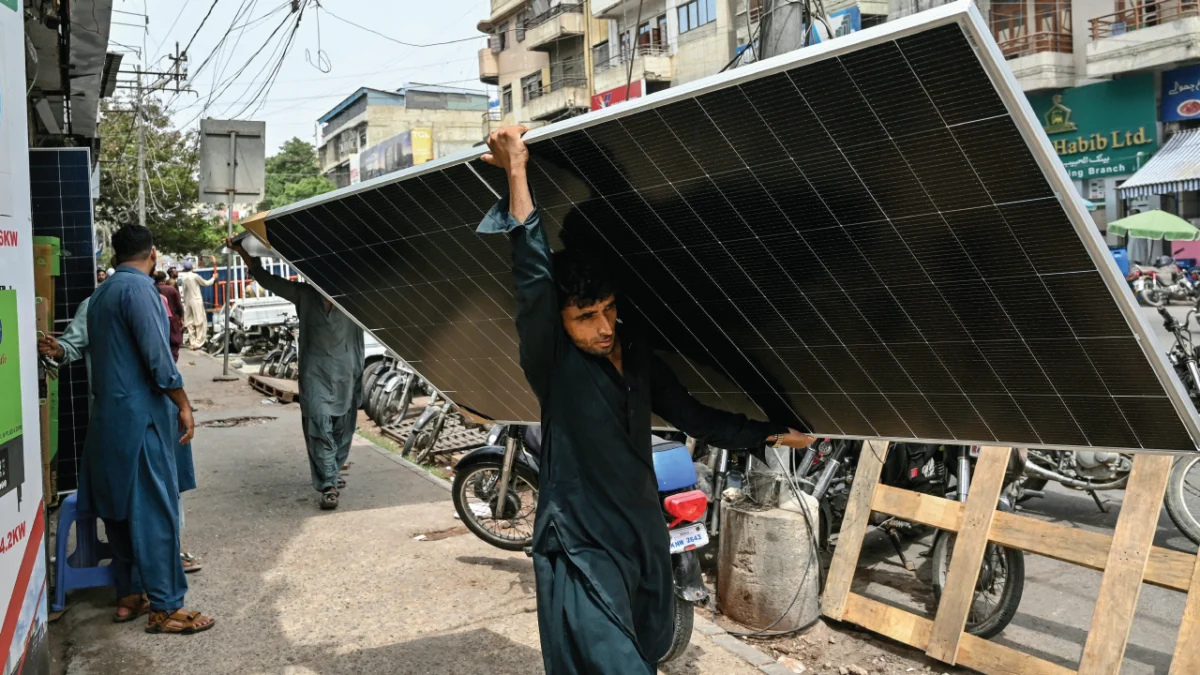
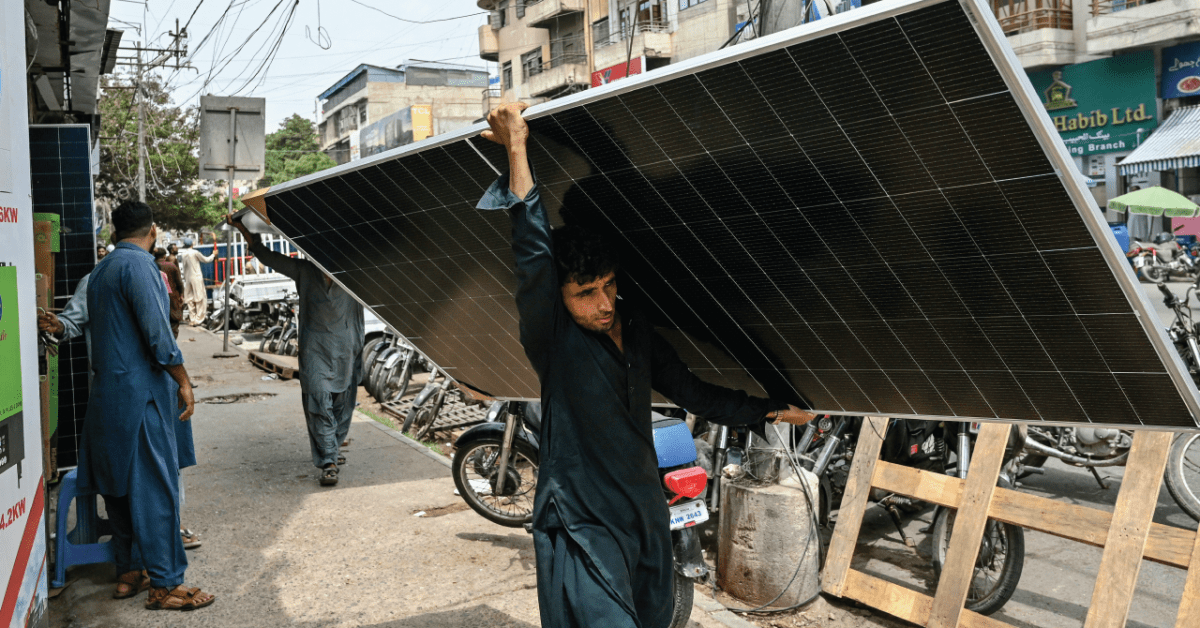
Governments around the world are navigating these changes with vastly different policy responses. In Pakistan, a massive, grassroots-led solar adoption movement has caused renewables to overtake fossil fuels as a primary source of electricity—a rare example of a developing nation leapfrogging traditional fossil-fuel-heavy infrastructure.
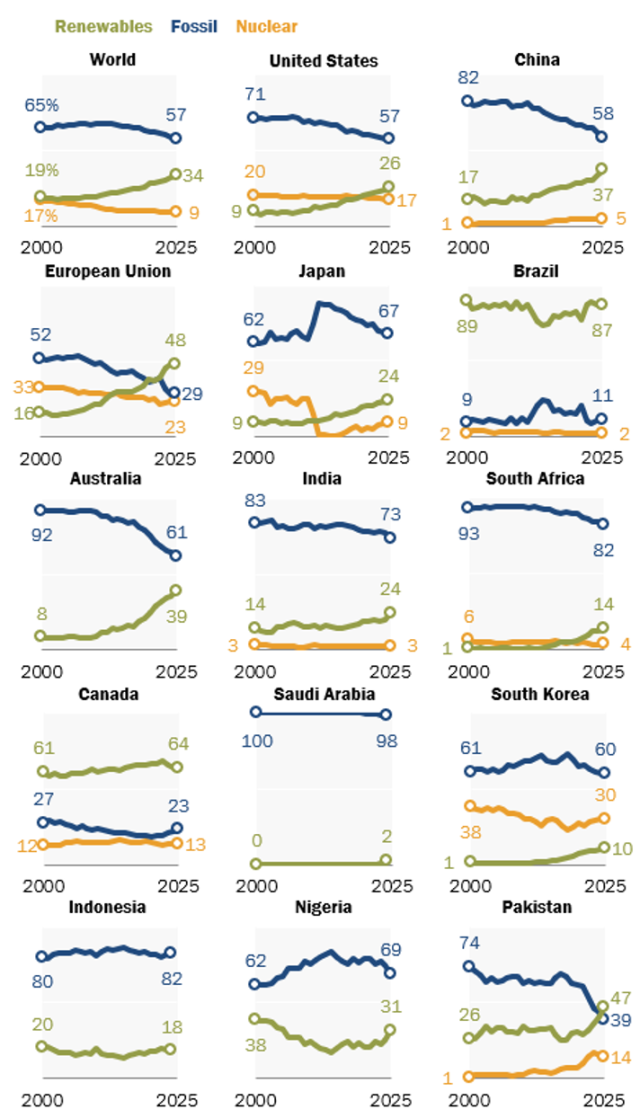
In Japan, the government is executing a nuanced strategy: after the post-Fukushima hiatus, the country has begun a steady, cautious return to nuclear power, while simultaneously integrating higher levels of renewables to stabilize a grid that previously relied on imported fossil fuels.
Meanwhile, in Australia, the debate remains polarized. Despite having immense potential for solar and wind, the country has maintained a strict legislative ban on nuclear energy since 1998, forcing a reliance on coal and gas that is currently being tested by the rapid emergence of wind and solar capacity in the regional market.
Implications: The Challenge of Demand
While the share of renewables is rising, it is critical to acknowledge that global electricity demand has increased sharply. The world generated 108% more electricity in 2025 than in 2000. This means that even as coal’s percentage of the total mix drops, the absolute volume of coal being burned has remained stubbornly high in certain regions, particularly in Southeast Asia, where ASEAN countries have more than doubled their reliance on coal over the last 25 years.
This creates a dual challenge for global policymakers. First, they must continue to decarbonize the grid to meet international climate goals. Second, they must ensure that this transition does not compromise the energy security of developing nations that are currently experiencing the same explosive demand for electricity that China saw two decades ago.
The shift to renewable energy is not just a technological change; it is an economic and geopolitical realignment. As solar and wind become the cheapest forms of electricity generation, the nations that lead in the manufacturing of these technologies—or those that can best integrate them into their grids—will dictate the economic landscape of the next fifty years. The data from 2025 suggests that the transition is no longer a matter of "if," but a matter of "how fast," and for now, the pace is being set in the massive, surging markets of Asia.
Methodological Note: The research presented here utilizes data from Ember’s "Yearly Electricity Data" and analysis from Our World in Data, a collaborative project between the University of Oxford and the Global Change Data Lab. Note that figures for 2025 are based on reported data as of June 2026. "Other fossil" fuels include oil, petroleum products, and manufactured gases. "Other renewables" includes tidal, wave, and geothermal power, each accounting for less than 1% of total global generation.
About the Author