In an era defined by increasing climate volatility and the rising cost of municipal utilities, rainwater harvesting has transitioned from a rustic survival skill to a sophisticated architectural necessity. While rural homeowners have long relied on traditional collection methods, urban dwellers—constrained by limited square footage—have historically struggled to find viable solutions. This gap in the market has spurred a wave of innovation, culminating in the development of modular, space-saving systems like the "Rainwater Wall."
The Traditional Landscape: Barrels and IBCs
For decades, the standard approach to water conservation in non-urban environments has been dominated by two primary, albeit bulky, solutions: the classic rain barrel and the Industrial Bulk Container (IBC).
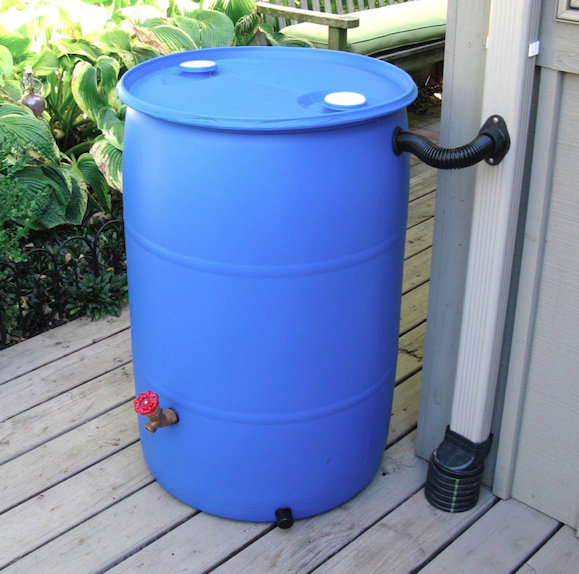
The Rain Barrel: A Fixed Asset
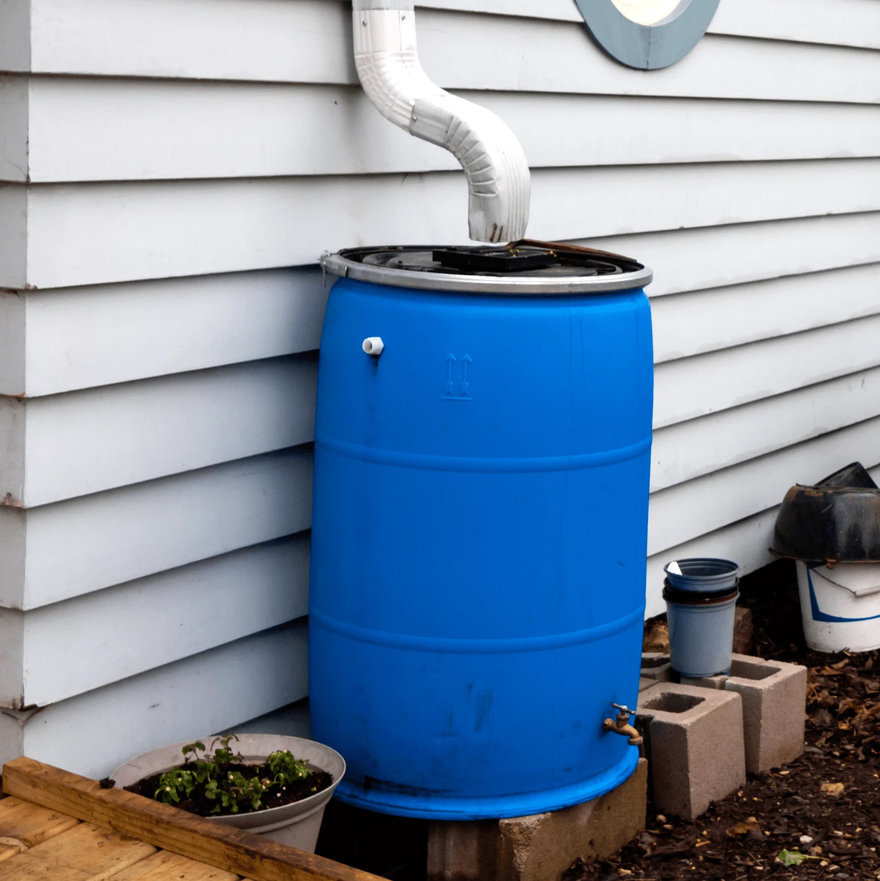
The standard rain barrel is the quintessential icon of home water conservation. Typically offering a capacity of 55 gallons, these units are ubiquitous in rural and suburban gardens. However, they are fundamentally limited by their stationary nature. Once filled, a 55-gallon drum holds approximately 450 pounds of water. This weight renders the units effectively permanent; once positioned, they are rarely moved without significant labor or specialized equipment. This "set-it-and-forget-it" model works well for large acreage but fails in environments where spatial efficiency is paramount.
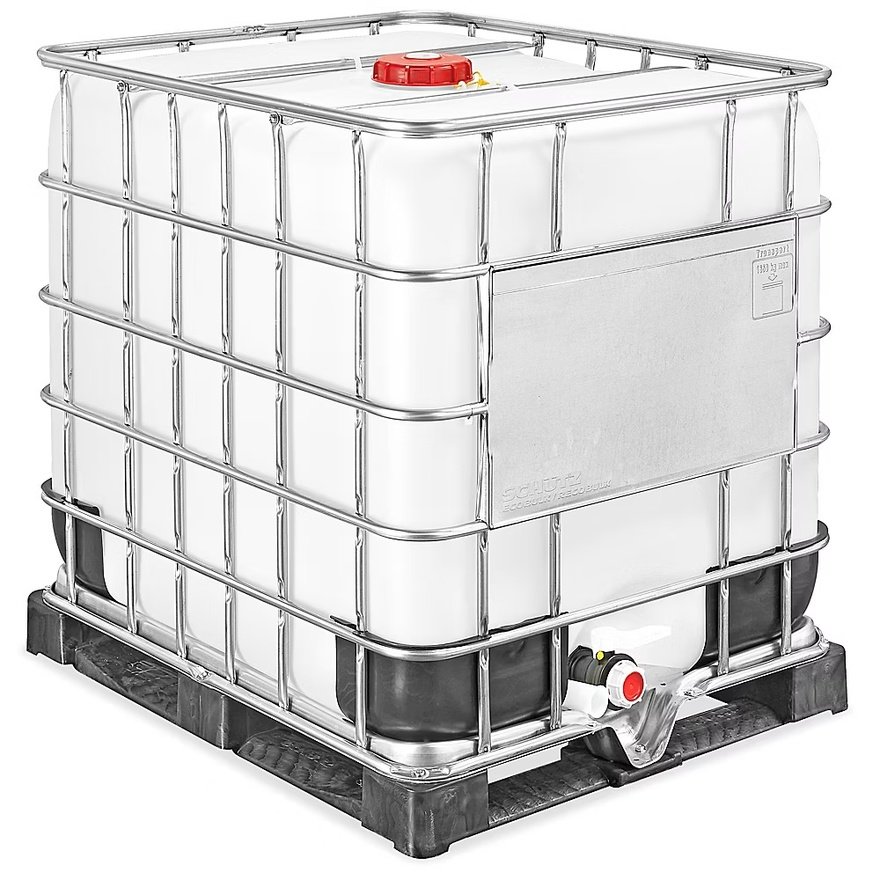
The IBC Solution: Industrial Utility
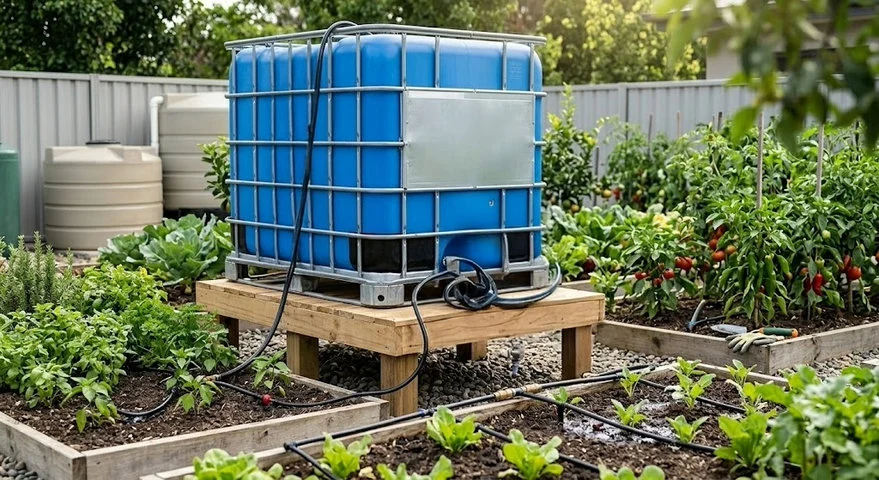
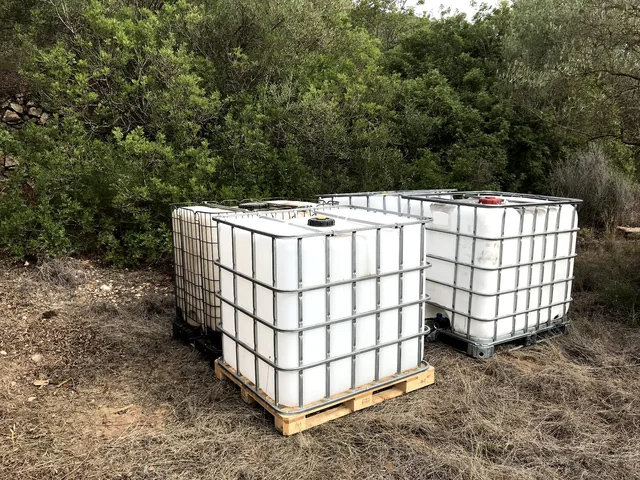
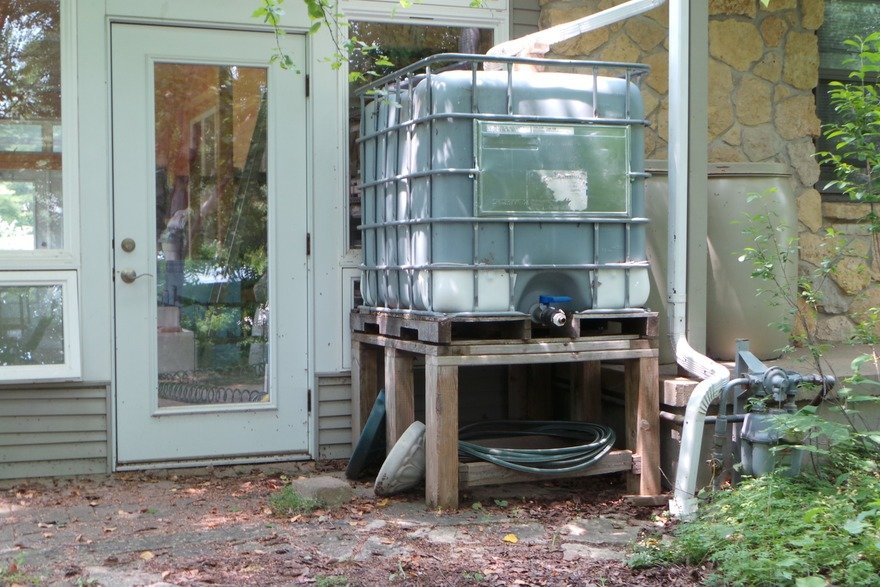
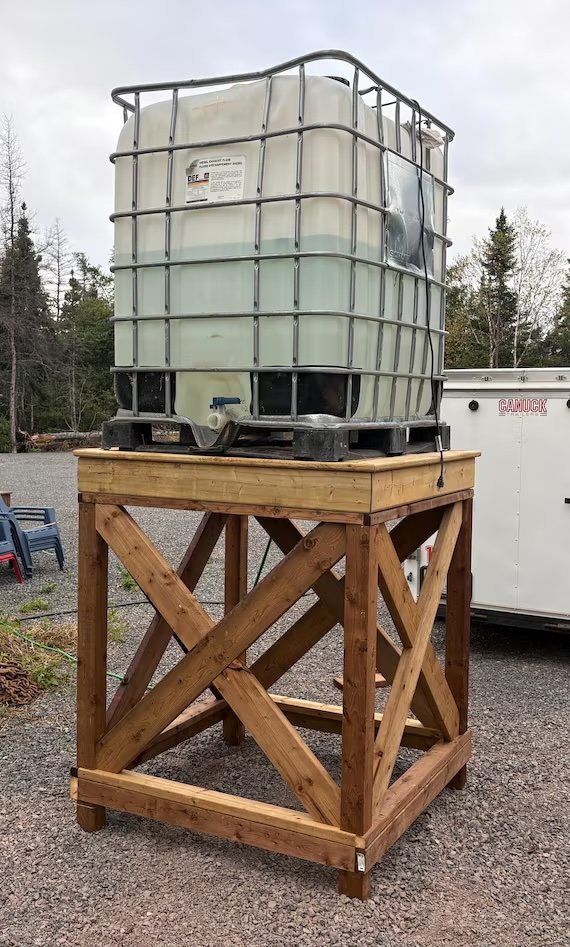
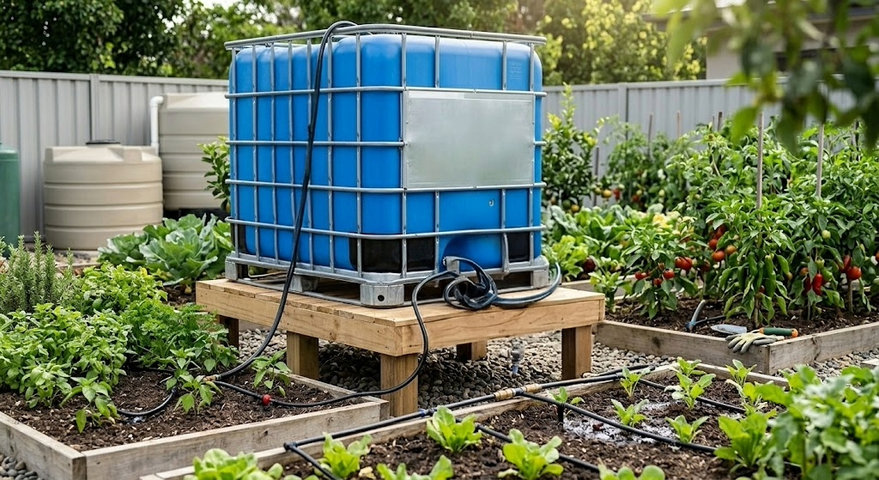
For those requiring higher volumes, the Industrial Bulk Container (IBC) has become the gold standard. A standard 275-gallon IBC holds roughly five times the capacity of a traditional rain barrel. Designed for the logistics industry, these containers sit on sturdy pallets, allowing them to be easily maneuvered by tractors or forklifts.
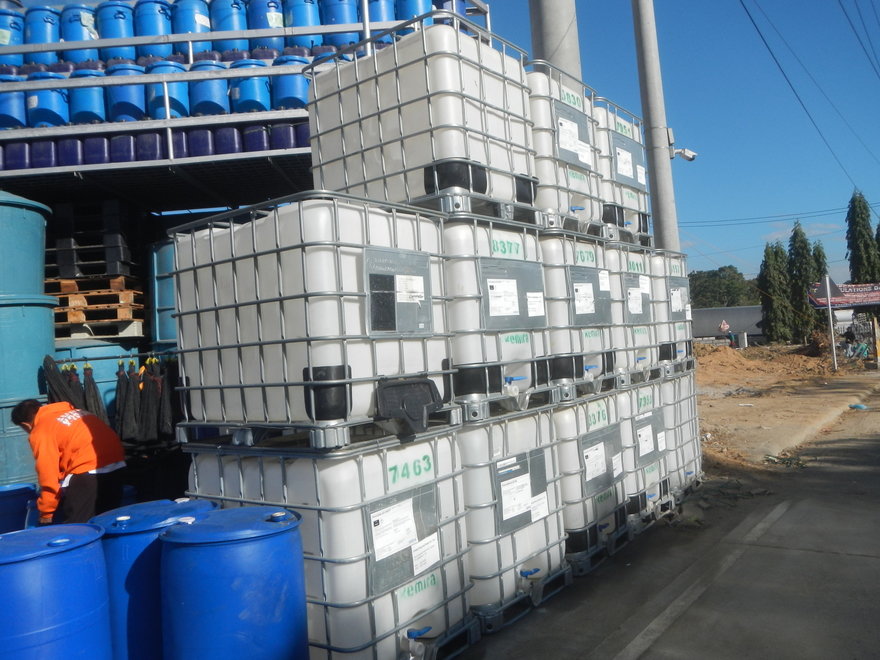
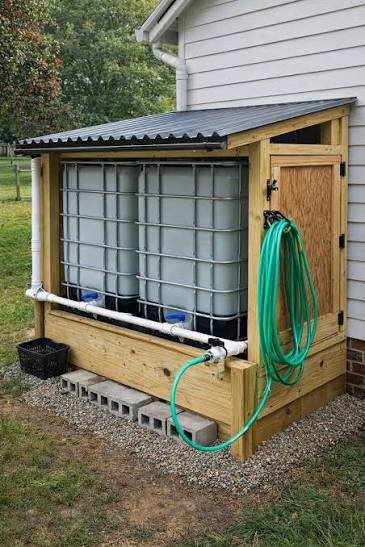
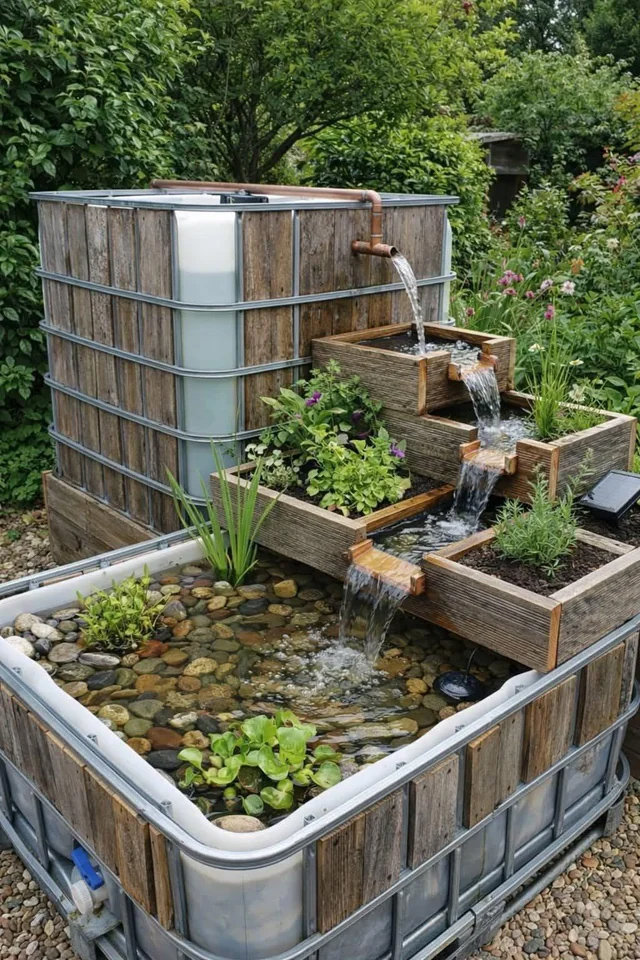
While highly functional, IBCs present an aesthetic and spatial challenge. They are strictly utilitarian, often appearing as industrial eyesores when placed in a residential backyard. While some homeowners have attempted to "camouflage" or creatively modify these containers, they remain cumbersome, requiring a substantial footprint that is simply unavailable to city dwellers or those with tight property lines.
The Paradigm Shift: The Rainwater Wall
As urbanization continues to compress living spaces, the demand for "low-profile" infrastructure has grown. Recognizing that traditional round or cubic tanks are incompatible with modern urban density, the Turkish engineering firm Harves Technology has introduced the "Rainwater Wall."
Bridging the Gap Between Capacity and Footprint
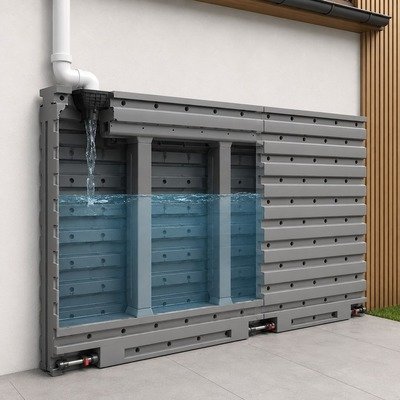
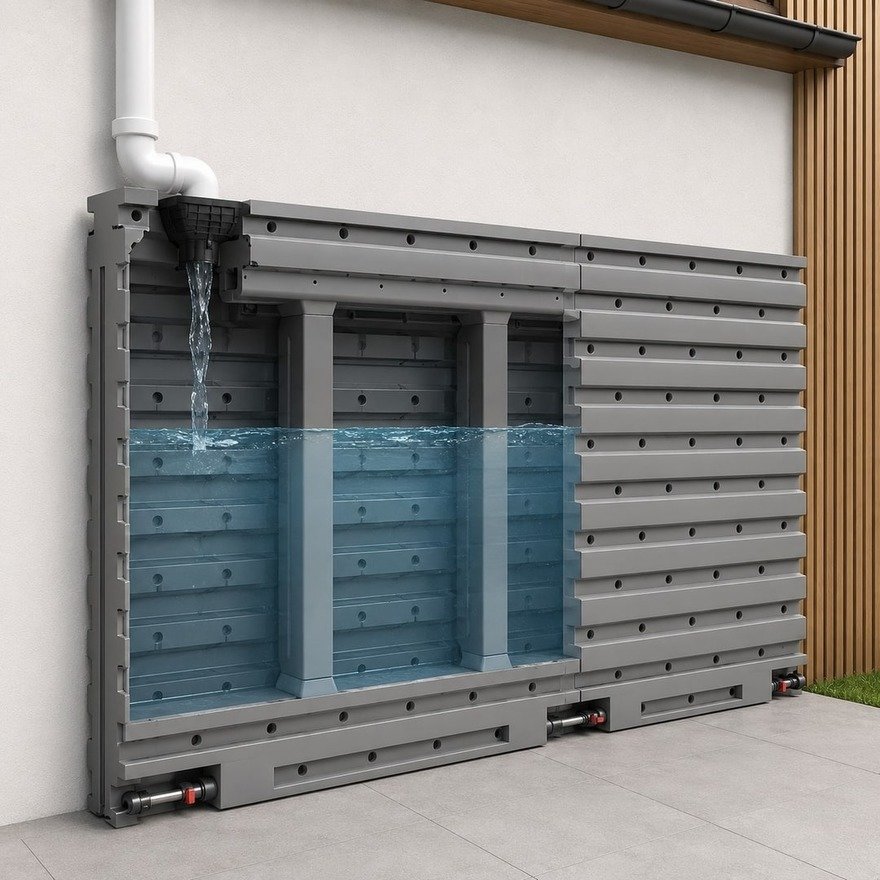
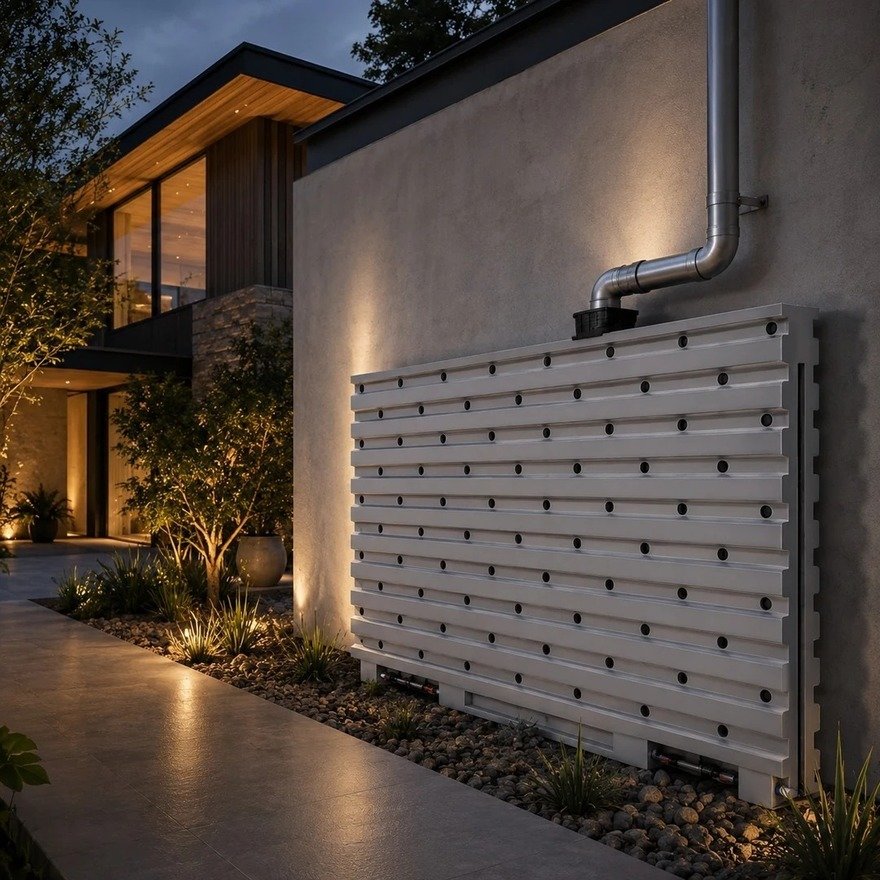
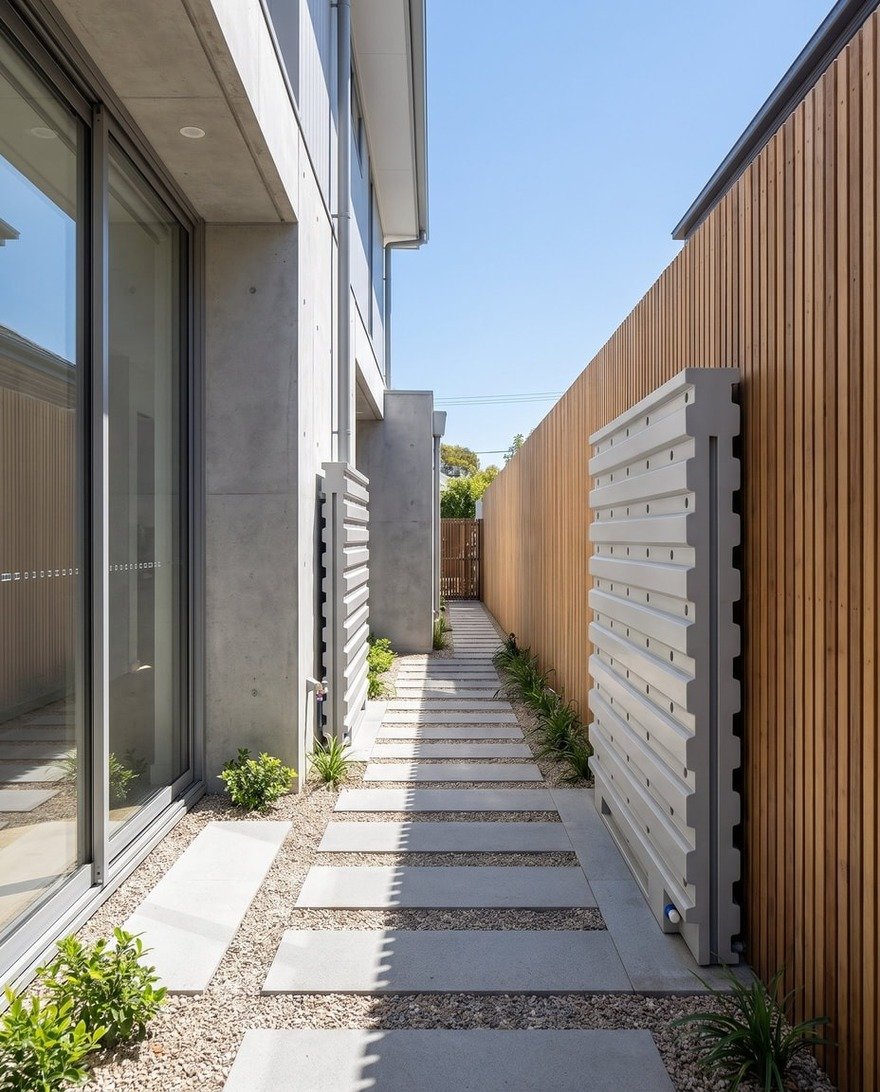
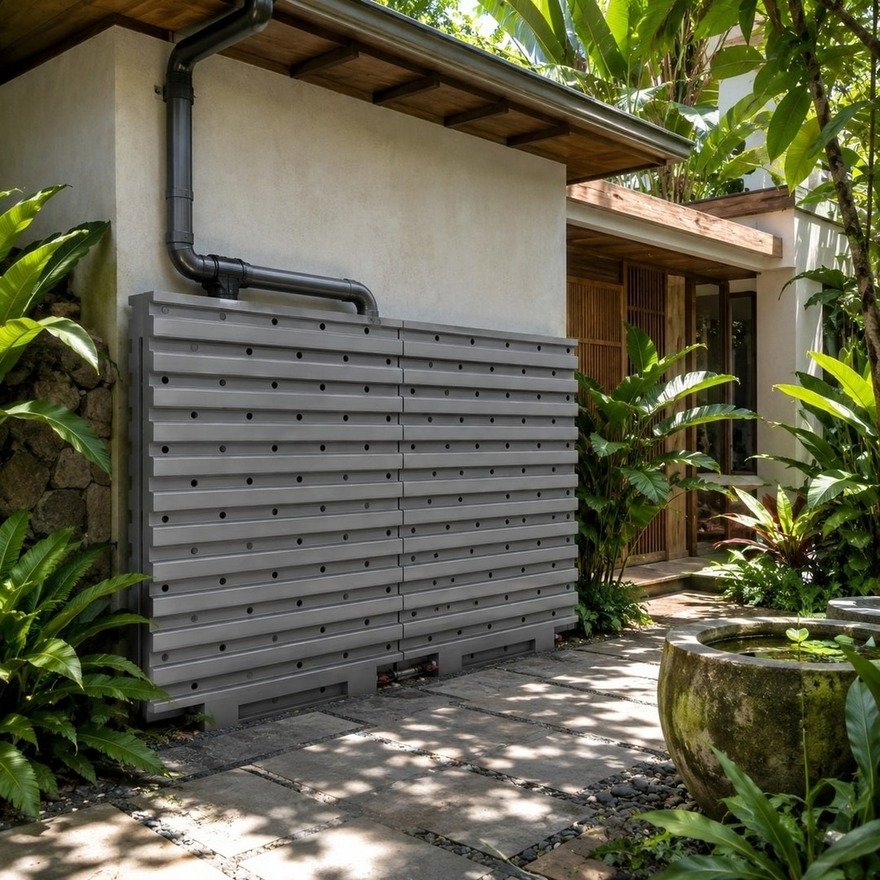
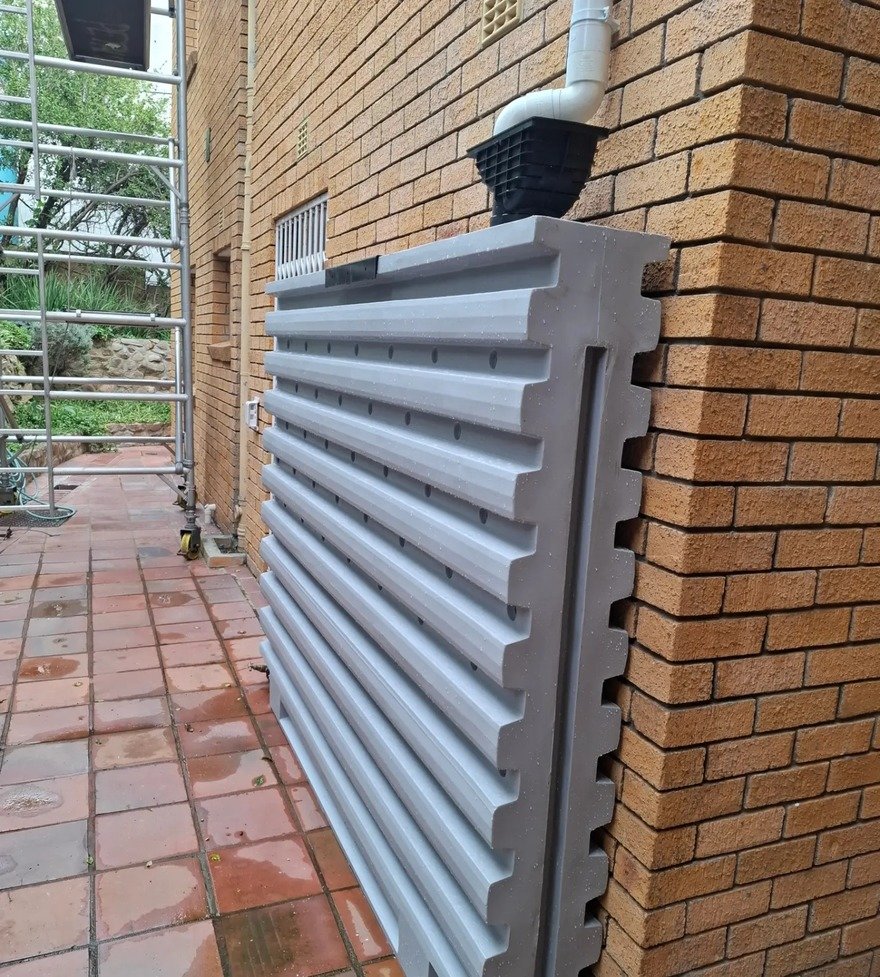
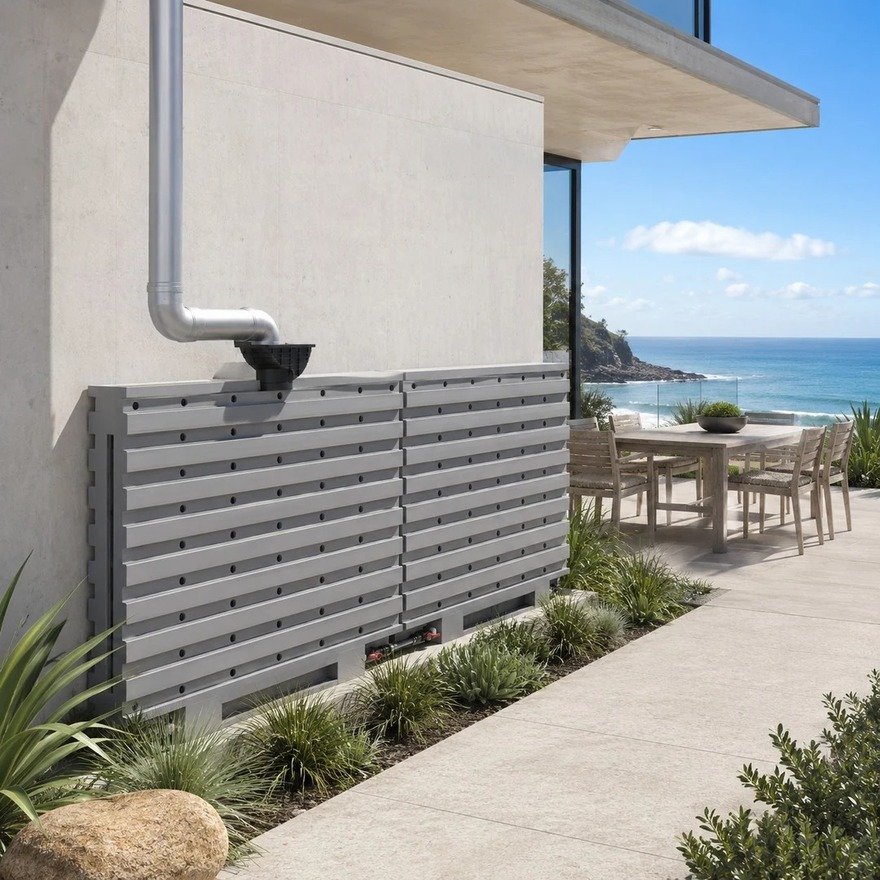
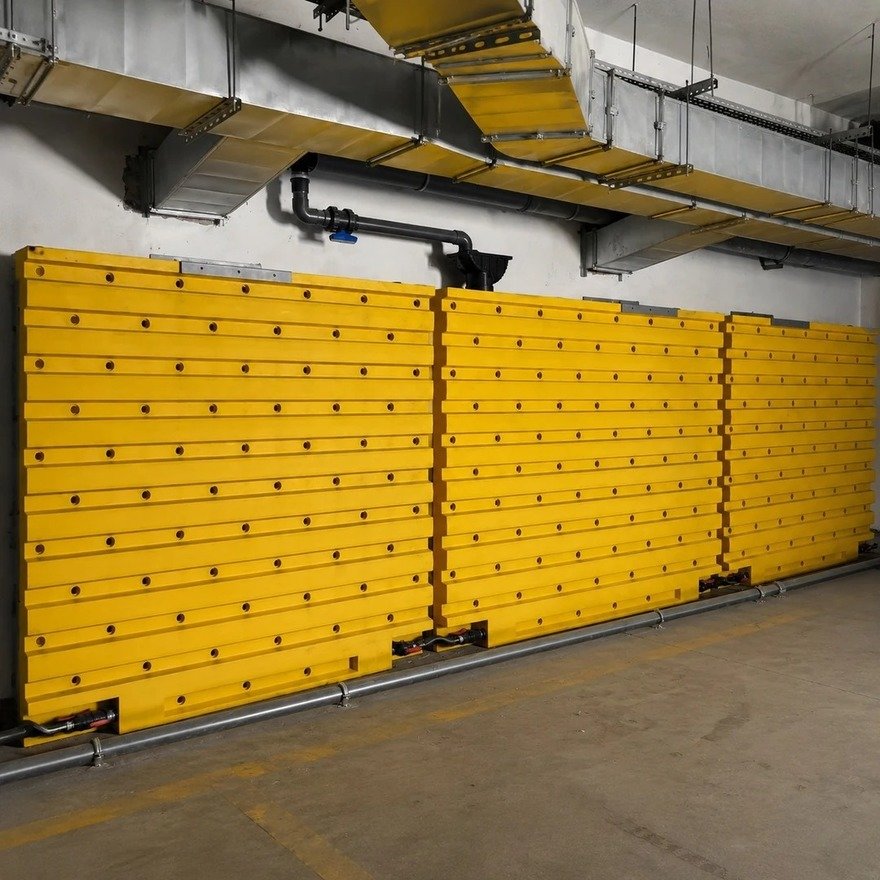
The Rainwater Wall represents a departure from traditional tank geometry. By re-engineering the vessel into a slim, vertical form factor, Harves Technology has managed to pack a staggering 264 gallons (1,000 liters) of storage into a footprint that measures just 12 inches in depth. Standing at approximately 89 inches high and 69 inches wide, the unit is designed to function as an architectural element rather than a storage obstacle.
Modular Flexibility
One of the most significant advantages of the Rainwater Wall is its modularity. Rather than being forced to choose a single, massive tank, homeowners can "daisy-chain" multiple units together. This allows for a scalable system that can expand based on the available length of a perimeter wall or fence line. This modularity transforms water collection from a static task into a flexible design element, allowing the wall to wrap around corners or run the length of a courtyard without obstructing pathways.
Chronology: The Journey Toward Modern Harvesting
The history of water storage is a testament to human adaptation.
- Pre-20th Century: The era of the cistern. Large, subterranean stone or brick tanks were the standard, requiring significant excavation and masonry work.
- 1950s–1980s: The democratization of plastic. The introduction of high-density polyethylene (HDPE) allowed for the mass production of the 55-gallon drum, making rainwater collection accessible to the average middle-class household.
- 1990s–2010s: The industrial transition. Increased interest in sustainability led homeowners to repurpose industrial IBC totes—designed for shipping chemicals and food—for residential water storage.
- 2020s–Present: The design-forward era. Companies like Harves Technology are now prioritizing the aesthetics and spatial constraints of the modern urban environment, moving away from "industrial" designs toward "integrated" systems.
Supporting Data: Why Water Harvesting Matters
The shift toward innovative storage solutions is not merely aesthetic; it is driven by urgent environmental and economic factors.
The Math of Conservation
A single inch of rainfall on a 1,000-square-foot roof yields approximately 600 gallons of water. In a region experiencing consistent moderate rainfall, a homeowner could potentially collect thousands of gallons per year. Without adequate storage, this resource is lost to runoff, which in turn contributes to soil erosion and storm-sewer strain.
The Rainwater Wall’s 264-gallon capacity is strategically chosen. It is large enough to sustain a vegetable garden through a dry spell, yet compact enough to fit against a garage wall or side-yard fence, solving the "storage vs. space" dilemma that has prevented widespread adoption in cities.
The Environmental Impact
- Stormwater Mitigation: By capturing runoff, homeowners reduce the burden on municipal storm drains, which are often overwhelmed during heavy downpours.
- Chemical Reduction: Municipal water is often treated with chlorine or chloramine, which can be detrimental to sensitive plants. Harvested rainwater is naturally soft and free of these additives, promoting healthier soil biology.
- Energy Efficiency: Reducing reliance on municipal water lowers the energy footprint associated with pumping, treating, and delivering water to residential taps.
Official Responses and Market Feedback
While Harves Technology has garnered attention for their sleek design, the company maintains a tight-lipped approach to the commercial side of their business. As of the latest industry reports, the company has not published standardized pricing for the Rainwater Wall.
Industry analysts suggest that this lack of transparency is common in the modular architectural products sector, where pricing is often project-specific and dependent on shipping, installation requirements, and the number of daisy-chained units requested. Feedback from early adopters in the European and Middle Eastern markets has been largely positive regarding the ease of installation, though there is ongoing discourse regarding the longevity of the polymers when exposed to extreme UV radiation in sun-drenched climates.
Future Implications: The "Green" Infrastructure of the Future
The emergence of products like the Rainwater Wall signals a broader trend in residential construction. As "green" building codes become more stringent, architects and developers are looking for ways to integrate sustainability without sacrificing salable square footage.
The Aesthetic Integration of Utility
We are entering a phase where "utility" no longer needs to be hidden. If the Rainwater Wall can be successfully marketed as a design feature—perhaps even doubling as a privacy screen or a vertical garden trellis—it could shift the perception of water conservation from a chore to a luxury.
Policy and Urban Planning
For municipalities, the challenge lies in incentivizing the installation of such systems. Many cities have outdated zoning laws that view large containers as potential breeding grounds for mosquitoes or structural hazards. To encourage widespread adoption of wall-based storage, local governments will need to update building codes to facilitate the installation of thin-profile, modular water systems.
Conclusion
The evolution of the rainwater tank from the humble 55-gallon drum to the sleek, modular Rainwater Wall reflects a maturing relationship between humans and their resources. While rural residents may continue to rely on the heavy-duty utility of IBCs and stationary barrels, the urban market has finally been provided with a solution that respects the constraints of modern architecture.
Whether these systems will become a standard feature in the "net-zero" homes of the future remains to be seen. However, as the global climate continues to shift and the pressure on municipal water supplies intensifies, the ability to store water in the vertical spaces we already inhabit will likely become a critical component of resilient, independent living. Harves Technology’s contribution is a significant step toward making that vision a reality, turning every fence line and exterior wall into a potential reservoir.
About the Author