The Return of Maritime Volatility
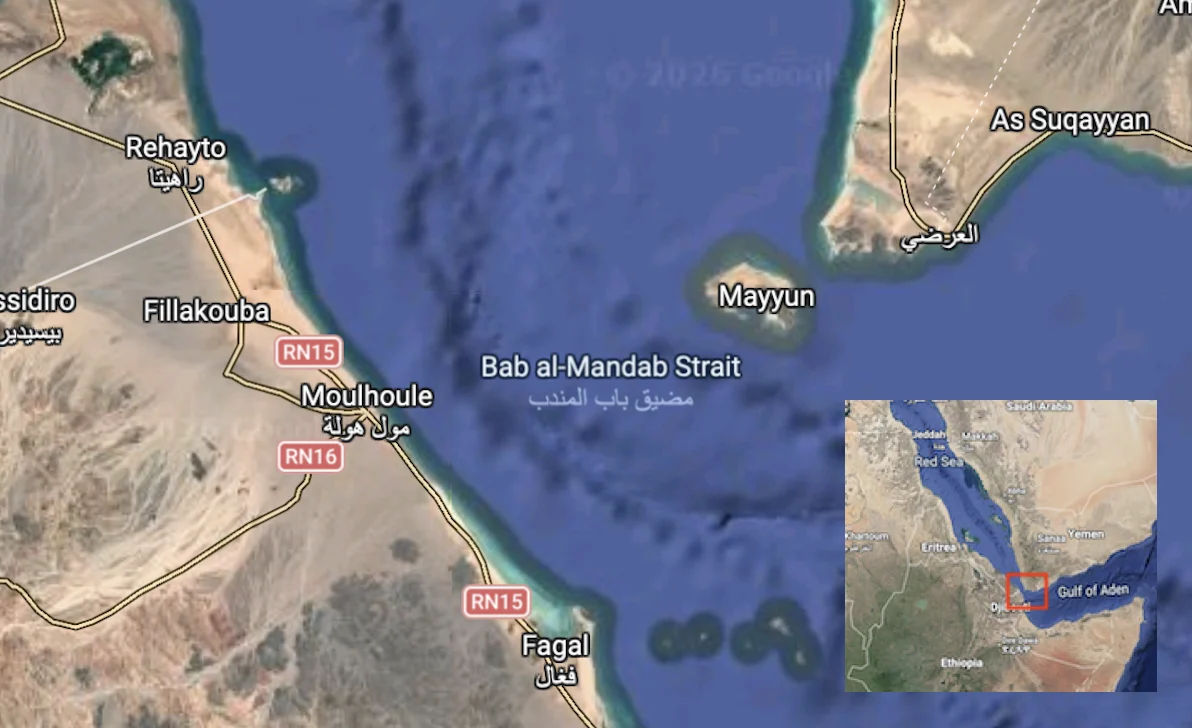
The fragile stability that had begun to return to the Red Sea’s critical shipping corridors was shattered this week as Houthi rebels in Yemen officially declared a naval blockade against Saudi Arabia. This provocative move, announced via social media on Monday, marks a significant escalation in a long-standing regional conflict that has historically served as a choke point for global trade. By targeting the Bab al-Mandab Strait—the southern gateway to the Red Sea and a vital artery for energy and containerized goods—the Houthis have once again placed international supply chains in the crosshairs.
The announcement was framed by the Houthi leadership as a direct retaliation for what they described as an “unjust and oppressive siege” imposed by Riyadh. They further warned that any “foolish act” or military retaliation from the Saudi government would be met with a “comprehensive and decisive” response. This rhetoric, while familiar to regional observers, carries new weight as the global shipping industry had only recently begun to normalize operations in the region following the severe disruptions that defined 2024.
Chronology: From 2023 Chaos to Renewed Hostility
To understand the gravity of the current situation, it is necessary to examine the timeline of Houthi-led maritime disruptions:
- Late 2023: The Houthis launched a sustained campaign of terror attacks against merchant shipping in the Red Sea, citing solidarity with Gaza. The intensity of these strikes effectively shuttered the Suez Canal-Red Sea route, forcing major global container lines to divert vessels around the Cape of Good Hope.
- 2024: The maritime sector grappled with increased operational costs, extended transit times, and insurance premiums reaching unprecedented highs as the region became a de facto war zone.
- 2025: Activity began to wane. Analysts noted a marked decrease in Houthi maritime aggression, largely attributed to the group’s primary sponsor, Iran, becoming preoccupied with significant domestic economic and political crises. This reprieve allowed major carriers to tentatively restore scheduled services through the region.
- Mid-2026: The current period marks a return to volatility. Following a series of regional strikes and fluctuating diplomatic tensions, the Houthis have abandoned their period of relative dormancy, reasserting their military reach to apply pressure on the Saudi state.
Supporting Data: The Strategic Importance of the Bab al-Mandab
The Bab al-Mandab Strait is not merely a geographic waypoint; it is one of the world’s most critical maritime "choke points." Approximately 12% of global trade passes through this narrow passage, which separates the Arabian Peninsula from the Horn of Africa.
For Saudi Arabia, the region is central to its energy export strategy. As a major global oil supplier, any threat to the maritime freedom of movement within this corridor has immediate consequences for global energy prices. During the peak of the 2024 crisis, the shift toward longer, more expensive voyages around Africa served as a massive "hidden tax" on the global economy, as carriers passed on the costs of fuel, crew, and insurance to consumers.
Data from the first half of 2026 had shown a positive trend in maritime security, with a sharp decrease in armed robbery and piracy incidents across Asia and the Middle East. However, this state-sponsored or quasi-military blockade by the Houthis threatens to undo these gains. While the commercial shipping industry has become more resilient in its planning, the return of a formal blockade declaration forces a return to risk-averse behavior, likely resulting in the immediate suspension of transit schedules by major carriers if the threat is perceived as credible.
Implications for Global Logistics
The political and military threat posed to Saudi-linked maritime traffic is being interpreted by geopolitical analysts as a calculated signal. The Houthis are not necessarily seeking a full-scale naval engagement with the Saudi military; rather, they are using the threat of disruption to shape regional behavior and force concessions from Riyadh.
The Economic Ripple Effect
If shipping lines once again divert traffic away from the Red Sea, the global supply chain will feel the impact almost immediately. Key impacts include:
- Increased Transit Times: Diversions around the Cape of Good Hope add roughly 10–14 days to a voyage between Asia and Europe.
- Container Capacity Squeeze: Longer transit times effectively remove capacity from the market, as ships spend more time at sea, leading to an artificial shortage of equipment and space.
- Inflationary Pressure: Higher fuel consumption and increased insurance premiums for "war-risk" zones are invariably passed on to the end consumer, threatening to stall the cooling of global inflation.
The Security Dilemma
For the Saudi government, the dilemma is acute. A failure to respond could be viewed as a sign of weakness, potentially emboldening further Houthi encroachment. Conversely, a direct military response risks triggering the "comprehensive" escalation the Houthis have promised, which could draw in broader regional actors and further destabilize the Persian Gulf and the Red Sea.
Official Responses and Regional Outlook
As of this writing, international maritime organizations are monitoring the situation closely. While formal diplomatic responses from Riyadh remain measured, military analysts note that the Saudi-led coalition is likely increasing surveillance in the southern Red Sea.
The Houthis, for their part, have signaled that they are prepared for "all options," urging further mobilization of their forces. This suggests that the blockade is not a fleeting threat but a sustained component of their current strategic posture. The international community, led by major naval powers that prioritize the freedom of navigation, faces the difficult task of deterring the Houthis without igniting a wider regional conflagration.
Looking Ahead: Resilience in an Unstable Era
The events of the past few days underscore a harsh reality for the global logistics sector: the era of "just-in-time" supply chains is being fundamentally challenged by geopolitical instability. Companies that spent the last two years building contingency plans—securing alternative routes, diversifying suppliers, and hedging against freight rate volatility—are now being forced to test these systems once again.
Industry leaders attending upcoming events, such as the Brokerage Compliance Symposium and the Future of Freight Festival in October 2026, will undoubtedly have these security concerns at the top of their agendas. As attorneys and operators gather to define best practices in a changing industry, the primary focus will be on navigating a landscape where maritime security can no longer be taken for granted.
Ultimately, the Houthi declaration serves as a reminder that the world’s oceans remain deeply connected to the political frictions of the land. Until a sustainable diplomatic solution is reached between the warring factions in Yemen and the broader region, the Red Sea will remain a volatile corridor, subject to the whims of those who view the obstruction of trade as a legitimate tool of statecraft. For the global merchant marine, the coming weeks will be defined by caution, as they wait to see if the Houthi rhetoric translates into kinetic action on the water.
About the Author