In a move that signals a definitive consolidation of the global gig economy, ride-share pioneer Uber Technologies has announced a monumental $14.8 billion offer to acquire Berlin-based Delivery Hero. This acquisition, revealed on Thursday, represents one of the most significant shifts in the history of the food delivery and mobility sector. By integrating the multinational online food ordering powerhouse into its existing ecosystem, Uber is positioning itself to cement its dominance across 99 global markets, fundamentally altering the competitive landscape of the last-mile delivery industry.
Main Facts: The Anatomy of a Mega-Deal
The proposed transaction is designed to reshape Uber’s operational footprint on a global scale. Under the terms of the offer, Uber aims to absorb Delivery Hero’s extensive international operations, effectively doubling the number of markets where it offers a dual-modality service—providing both ride-hailing and food delivery—from 34 to 58.
The $14.8 billion valuation reflects the high premium Uber places on Delivery Hero’s established local brands, deep-rooted merchant relationships, and sophisticated delivery infrastructure. For investors and industry analysts, the deal is a clear play for market density. By combining two of the most recognizable names in logistics technology, Uber intends to create a "super-platform" that achieves the economies of scale necessary to turn low-margin food delivery into a sustainable, high-growth profit center.
Chronology: The Road to Consolidation
The path to this acquisition did not happen overnight; it is the culmination of years of strategic posturing within the volatile food-tech sector.
- Pre-2024 Market Fragmentation: For nearly a decade, the food delivery industry was characterized by fierce, localized competition. Uber Eats and Delivery Hero frequently battled for market share through aggressive discounting and driver incentives.
- The Pivot to Profitability: As investors shifted their focus from "growth at all costs" to "path to profitability" following the 2022 market downturn, both firms began looking for ways to reduce customer acquisition costs and increase operational efficiency.
- Early 2026 Preliminary Discussions: Reports surfaced in early 2026 that Delivery Hero was seeking to streamline its portfolio to focus on high-growth regions. Confidential talks with Uber began shortly thereafter.
- The Thursday Announcement: On Thursday, the formal offer was made public, signaling the end of the speculation phase and the beginning of the complex regulatory and integration process.
- The SSW Partners carve-out: Simultaneously, it was revealed that New York-based investment firm SSW Partners would acquire Delivery Hero operations in 14 specific markets for $1.6 billion. This segment of the deal is designed to appease antitrust concerns in regions where Uber and Delivery Hero have significant overlap.
Supporting Data: By the Numbers
To understand the magnitude of this acquisition, one must look at the metrics defining the deal. The expansion to 99 markets is not merely a geographic milestone; it is a structural transformation.
Market Penetration and Density
Prior to this announcement, Uber’s delivery business was strong in North America and Western Europe, while Delivery Hero held dominant positions in parts of the Middle East, Asia, and Latin America. The acquisition bridges these gaps. By increasing the number of dual-service markets from 34 to 58, Uber is effectively ensuring that its app becomes the default utility for consumers in these regions.
Financial Considerations
- Total Deal Value: $14.8 billion.
- Divestiture Value: $1.6 billion (The SSW Partners transaction).
- Market Reach: From a footprint covering dozens of nations to a consolidated global network spanning 99 distinct markets.
- Operational Efficiency: The expectation is that by pooling driver networks, the "wait time" for customers will decrease, and the "idle time" for couriers will be reduced, theoretically raising the average hourly earnings for the gig workforce.
Official Responses and Corporate Strategy
In official statements, Uber’s leadership emphasized that the rationale for the merger transcends mere market share. The company is betting that the synergy between its global tech stack and Delivery Hero’s local expertise will unlock innovation that neither could achieve independently.
"By bringing together our global technology platform with Delivery Hero’s strong local brands, we are not just expanding our reach; we are accelerating our ability to deliver for our stakeholders," an Uber spokesperson noted.
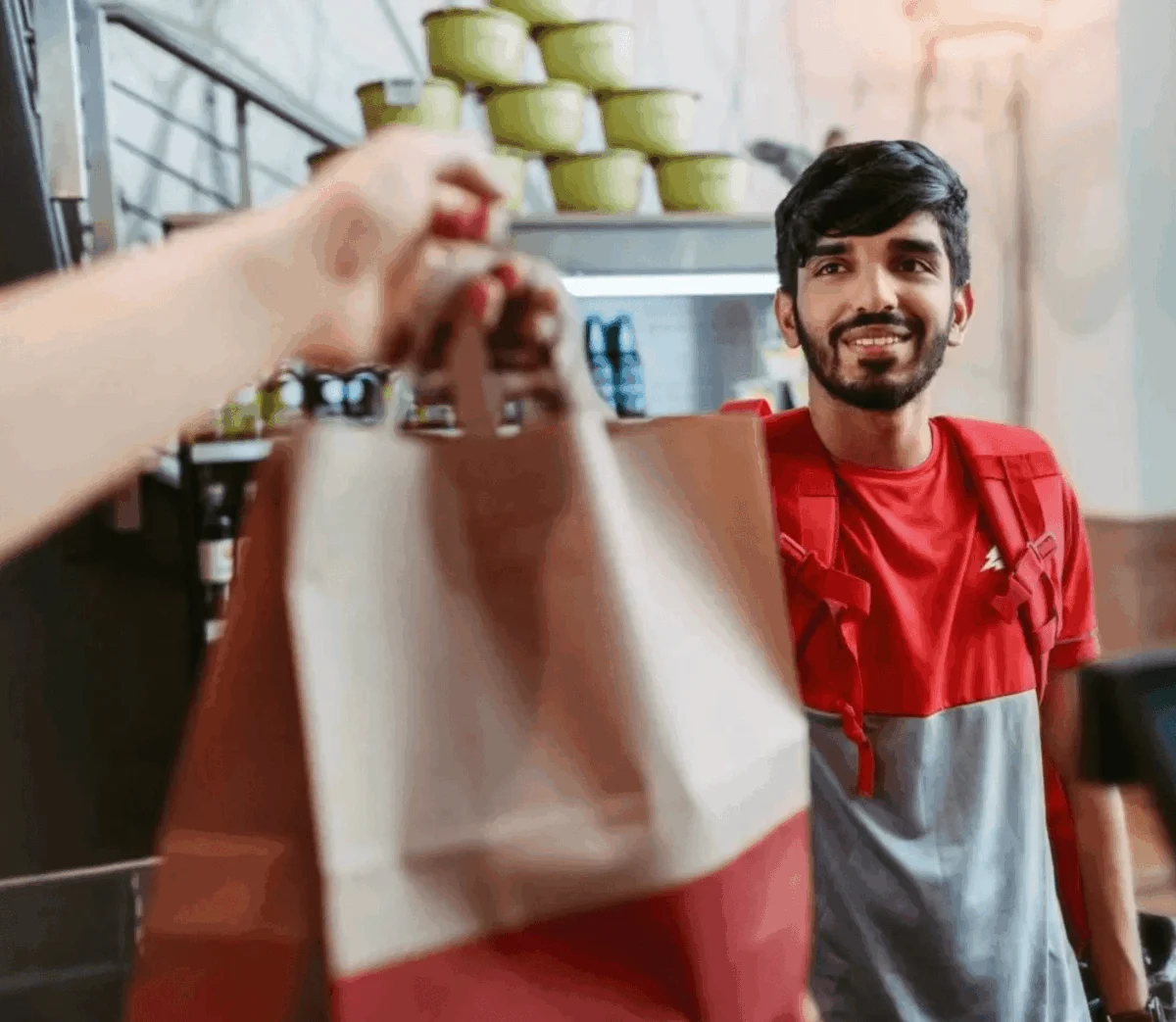
For merchants, the promise is one of increased demand. By tapping into a larger, more dense delivery network, restaurants and grocery partners can expect higher order volumes. For couriers and drivers, the promise is one of "improved utilization." In the gig economy, the biggest friction point is the gap between trips; by creating a larger, more efficient, and more frequently used network, Uber aims to maximize the earning potential of every hour a driver spends on the road.
Delivery Hero, for its part, has framed the deal as a logical evolution. In a joint release, the company noted that the merger with Uber would provide a superior, long-term home for its technology and its people, ensuring that their local brands continue to thrive under the backing of a larger, more stable entity.
Implications: A New Era for the Gig Economy
The ramifications of this deal will be felt throughout the global economy, from the corner restaurant to the halls of antitrust regulators.
1. Regulatory Hurdles and Antitrust Scrutiny
The $1.6 billion sale to SSW Partners is a strategic maneuver to prevent monopoly accusations. Regulators in the European Union, the United Kingdom, and various Asian markets will undoubtedly subject this deal to rigorous scrutiny. The primary concern will be the potential for "price gouging" if the merged entity effectively eliminates competition in specific urban centers. The divestiture to SSW Partners acts as a preemptive concession, but it may not be enough to satisfy regulators in countries where the combined Uber-Delivery Hero market share would exceed 70-80%.
2. The Impact on Couriers and Labor Markets
The "gig economy" model has long been under fire regarding worker rights and compensation. Uber’s argument—that a denser network leads to higher earnings—will be tested. Critics argue that consolidation reduces the power of workers to "multiapp" (using multiple delivery platforms simultaneously to compare pay). If Uber becomes the sole provider in a region, it may gain undue leverage over driver pay rates, potentially triggering labor strikes or further legislative action aimed at classifying gig workers as full-time employees.
3. Innovation and the "Super-App" Model
This acquisition brings Uber one step closer to becoming a global "super-app." With mobility, food delivery, and potentially grocery and retail logistics under one umbrella, Uber is moving away from being a ride-hailing company and toward becoming an infrastructure layer for urban commerce. This shift could spark a new wave of innovation in autonomous delivery, AI-driven demand forecasting, and inventory management for small-to-medium enterprises that currently rely on these platforms to survive.
4. Competitive Pressure on Rivals
Competitors like DoorDash, Just Eat Takeaway, and regional players in the Middle East and Asia will face immense pressure to consolidate or pivot. The scale that Uber is achieving through this deal creates a "moat" that is difficult for smaller, regional startups to cross. This will likely lead to a wave of mergers and acquisitions in the coming 18 to 24 months as the industry undergoes a "survival of the fittest" consolidation phase.
Conclusion: A Turning Point
The $14.8 billion acquisition of Delivery Hero is a definitive statement that the experimental phase of the food delivery industry has ended. We have entered the era of the industrial-scale delivery network. For Uber, the risk is high: integrating two massive, multinational technology stacks is an operational nightmare that has crippled many companies in the past.
However, if successful, the merger will create a global logistics giant with a reach and data-gathering capacity that is unparalleled. As the deal moves through regulatory checkpoints, the world will be watching to see if the promise of "increased demand and improved utilization" truly translates into a better experience for the consumer, or if the lack of competition will lead to the very pitfalls regulators are currently bracing against. One thing is certain: the landscape of how we move, how we eat, and how we work in cities around the world has been permanently altered by this Thursday morning announcement.
About the Author