The federal crackdown on a sprawling, multi-layered insurance fraud scheme in Louisiana—infamously dubbed "Operation Sideswipe"—continues to generate seismic tremors within the New Orleans legal community. As the dust settles on the high-profile conviction of attorney Vanessa Motta, a federal judge has firmly shut the door on her request for a new trial, signaling that the judicial process for the ringleaders of this elaborate criminal enterprise is entering its final, albeit agonizingly slow, phase.
While the primary architects of the scheme face the grim reality of their impending prison sentences, the court system is simultaneously pivoting toward a violent, parallel chapter of the investigation: the murder trial of two men accused of silencing a key witness. This convergence of white-collar fraud and brutal violence serves as a stark reminder of the lengths to which the conspirators were allegedly willing to go to protect their illicit financial gains.
The Denial of Motta’s Bid for Freedom
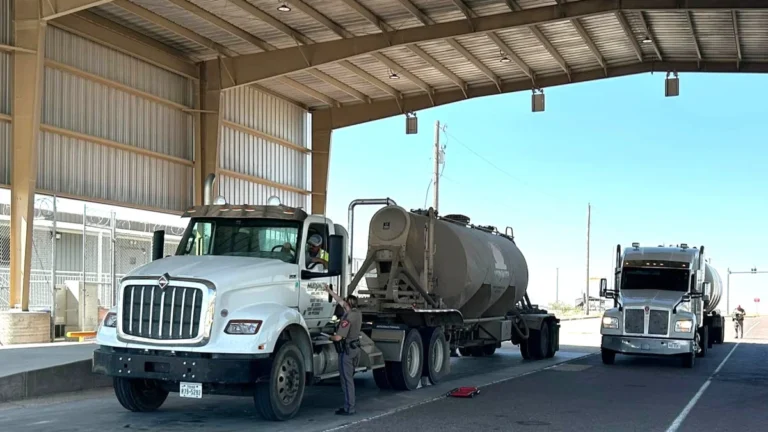
Vanessa Motta, once a prominent New Orleans attorney, was convicted in March alongside co-conspirator Jason Giles for their central roles in orchestrating a series of staged vehicular accidents. These crashes were not merely traffic incidents; they were precision-engineered events where smaller vehicles were deliberately slammed into commercial trucks. The goal was to generate exorbitant insurance payouts through fraudulent legal claims filed by firms like the King Law Firm, where Giles was employed.
Following her conviction, Motta’s legal team filed a vigorous petition for a new trial, arguing that the proceedings were marred by judicial error and procedural prejudice. U.S. District Court Judge Wendy Vitter, who oversaw the initial trial, denied the motion in a definitive ruling last week.
Motta’s arguments for a new trial were wide-ranging. She contended that the jury instructions regarding witness tampering were flawed, that closing arguments by Giles’ legal team unfairly prejudiced her defense, and that the prosecution was granted an inequitable amount of time to present their case. Furthermore, she raised concerns regarding the mention of the 2020 murder of Cornelius Garrison—a co-conspirator turned government witness—during her trial.
Motta had argued that the government’s threat to introduce evidence of her alleged "acquiescence" or involvement in Garrison’s murder prevented her from taking the stand, as she feared such evidence would be used to unfairly characterize her to the jury. Judge Vitter, however, remained unmoved, noting that the court had provided clear, explicit instructions to the jury that the defendants on trial were not charged with Garrison’s murder and that the topic should not influence their verdict on the fraud charges.
Chronology of a Criminal Enterprise
The "Operation Sideswipe" investigation, which has ensnared more than 60 individuals, began as a targeted effort to dismantle a sophisticated network that treated Louisiana’s highways as a theater for staged insurance claims. The timeline of the collapse of this network is as follows:
- 2020: The murder of Cornelius Garrison, a cooperating witness, sent shockwaves through the federal investigation. Garrison had previously pleaded guilty to his role in the scheme and was providing intelligence to federal authorities.
- 2021: Danny Keating, an attorney and early architect of the scam, became the first legal professional to plead guilty, setting off a chain reaction of plea deals and indictments.
- March 2024: Following a lengthy investigation, Vanessa Motta and Jason Giles were convicted by a jury on multiple counts of wire and mail fraud, marking the first time the ringleaders of the scheme faced trial.
- Summer 2024: Post-trial motions filed by Motta were systematically rejected by Judge Vitter, confirming the validity of the convictions.
- August 10, 2024: The scheduled commencement of the murder trial for Sean Alfortish and Leon Parker, defendants accused of orchestrating the death of Cornelius Garrison.
The Violent Undercurrent: The Garrison Murder Trial
The legal drama shifts focus in August to the U.S. District Court for the Eastern District of Louisiana, where Sean Alfortish—who was Motta’s romantic partner during the height of the insurance scam—and Leon Parker are set to stand trial for the murder of Cornelius Garrison.
The connection between the insurance fraud scheme and the murder of a witness is a grim inflection point for the case. Prosecutors allege that Garrison’s decision to cooperate with federal agents made him a liability, leading to his execution in September 2020. The upcoming trial is expected to last approximately three weeks, with a rigorous voir dire process designed to vet jurors for any conflicts of interest, given the widespread nature of the insurance industry and its impact on the local Louisiana economy.
Potential jurors are being screened for connections to industries intimately affected by the fraud, including trucking, transportation, insurance, and the legal profession. The sensitivity of the case cannot be overstated; it represents a rare instance where a large-scale white-collar investigation escalated into a capital offense, forcing the court to navigate the delicate intersection of organized crime and corporate litigation.
Sentencing Delays: A Lingering Legal Limbo
The sentencing phase for the convicted parties has been characterized by repeated, frustrating delays. The legal community in New Orleans has been watching the docket with mounting impatience, as sentencing dates for key players continue to shift further into the future.
Vanessa Motta and Jason Giles, initially slated for sentencing in July, are currently looking toward a September 8 date, though motions to continue are already circulating. Even more notable is the case of Danny Keating. As the first attorney to plead guilty, his sentencing has been postponed more times than observers care to count. Currently rescheduled for October 8, Keating’s case has become emblematic of the systemic backlog plaguing the aftermath of the trial.
Similarly, Damian Labeaud—a central figure in the physical execution of the staged crashes—remains in a state of suspended animation. Labeaud, who frequently drove the target vehicles and performed the dangerous maneuver of jumping out of the car before impact, had his sentencing set for August 20. However, like Keating, his date is subject to the same patterns of delay that have become the hallmark of this sprawling legal saga.
Implications for the Trucking and Legal Industries
The implications of "Operation Sideswipe" extend far beyond the courtroom walls. For the trucking industry, the constant threat of "nuclear verdicts" and staged accidents has created an environment of extreme operational risk. The fraudulent activities exposed by the investigation cost insurance companies and logistics firms millions of dollars, leading to increased premiums and a climate of distrust on the roads.
For the legal profession, the conviction of attorneys like Motta and Keating is a deep, structural embarrassment. The case has sparked a wider conversation within the Louisiana Bar Association regarding the ethical oversight of personal injury firms and the necessity of preventing "ambulance chasing" tactics from devolving into criminal racketeering.
As the judicial system prepares for the murder trial of Alfortish and Parker, the broader "Operation Sideswipe" investigation continues to serve as a cautionary tale. While the ringleaders are finally nearing their day of reckoning, the legacy of the scheme—in the form of destroyed reputations, lost lives, and a severely strained judicial docket—will continue to be felt for years to come. The upcoming trials and sentencings are not just final acts in a criminal drama; they are the necessary steps toward restoring a semblance of integrity to the Louisiana legal system.
About the Author