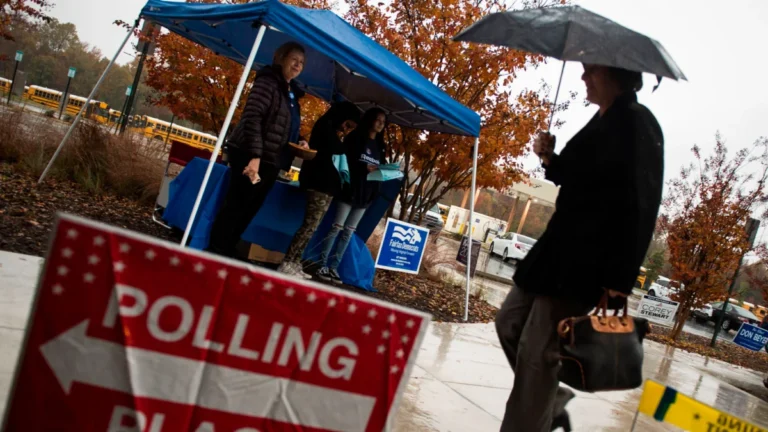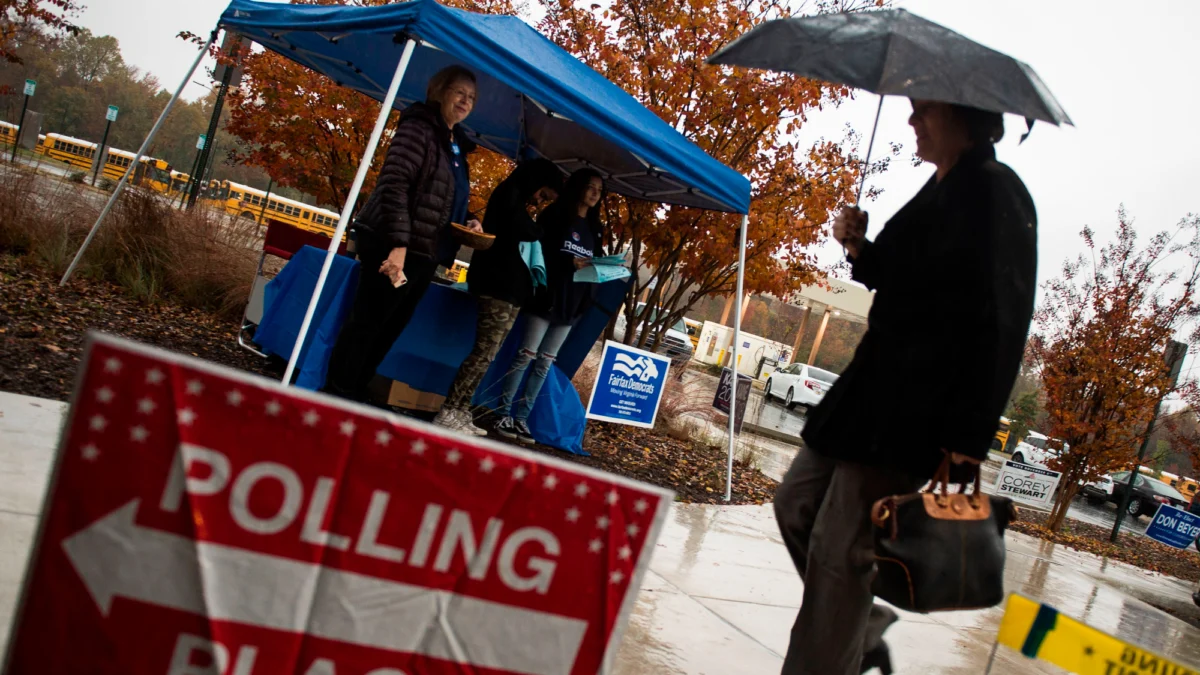
As the United States barrels toward the 2026 midterm elections, a paradoxical trend has taken hold of the American political landscape. Despite a year defined by record-breaking heat, devastating flash floods, and an escalating sense of national anxiety over the cost of living, the issue of climate change has become a phantom on the campaign trail. In the eight battleground states that will ultimately determine the balance of power in the U.S. Senate—Alaska, Georgia, Maine, Iowa, Michigan, North Carolina, Ohio, and Texas—the word "climate" has been effectively scrubbed from the digital platforms of nearly every major candidate.
This phenomenon, dubbed "climate hushing," marks a stark retreat for both parties. Even as voters face household energy and mortgage costs inflated by nearly $2,000 annually—a direct consequence of a fossil fuel market destabilized by the Trump administration’s aggressive geopolitical posturing against Iran—candidates are choosing to focus on narrow, poll-tested soundbites rather than the existential and economic realities of the climate crisis.
The Chronology of Retreat: From Green New Deal to Omertà
The shift in political rhetoric is not merely a tactical pivot; it is a profound realignment of what candidates believe is "electable." Historically, climate change was a polarizing but frequently debated topic. In recent years, however, the Democratic Party has seen a widespread adoption of a climate omertà.
In August, Michigan Senate candidate Abdul El-Sayed, who previously built his reputation on a platform of 100% renewable energy, publicly distanced himself from the Green New Deal during an interview with Fox News. He is not alone. In Georgia, incumbent Senator Jon Ossoff has largely sidelined environmental advocacy, opting instead to anchor his campaign on inflation and the ongoing war with Iran. In Texas, the shift is even more dramatic. James Talarico, once a vocal critic who famously compared the fossil fuel industry to outdated 1980s cassette tapes, has recently pivoted to a pro-oil and gas stance, citing his family’s ties to the industry and the importance of energy funding for public schools.
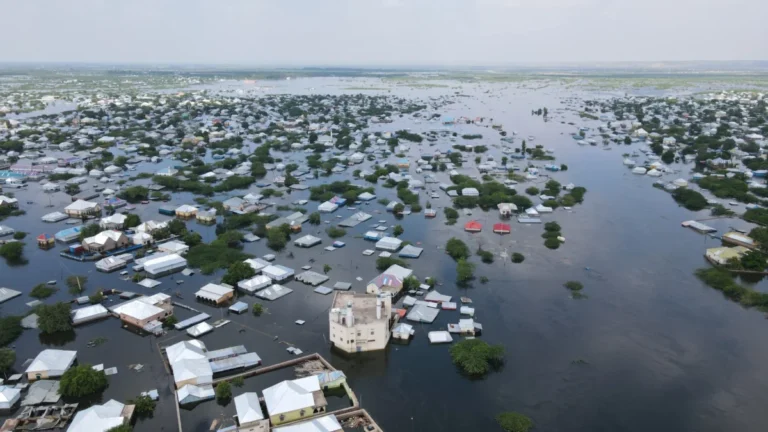
This silence stands in sharp contrast to the lived experience of the American public. In 2026, the nation endured one of its hottest summers on record. The physical reality of the climate crisis—from the scorching temperatures to the catastrophic flooding in regions like Kerrville, Texas—has left many citizens feeling abandoned by the political class.
Supporting Data: The Disconnect Between Voters and Candidates
The "climate hushing" strategy appears to be built on a faulty premise. Comprehensive polling from the Environmental Voter Project suggests that the American electorate is far more concerned about the climate than their representatives seem to believe.
Across the eight critical battleground states, data shows that voters are three times more likely to want their representatives to prioritize climate change than to avoid the topic. Moreover, there is a clear appetite for a transition to clean energy. Even in conservative-leaning states, independents favor aggressive climate action by a margin of four to one.
Anthony Leiserowitz, a leading expert in climate communication at Yale University, notes that politicians are operating under an outdated mental model. "The norm has shifted, yet so many politicians seem stuck in a 1990s world where clean energy and climate change are radical, fringe things that only environmentalists think about," Leiserowitz explains. The data bears this out: in Texas, a state synonymous with oil, 54% of voters say they would be more likely to support a pro-renewables candidate, with support for wind and solar energy currently outpacing support for oil.
Official Responses and Political Maneuvering
The current administration has taken the lack of climate discourse as a validation of its own agenda. Interior Secretary Doug Burgum recently remarked that the "legs have been knocked out" from under the climate movement, attributing the quiet on the campaign trail to the successful deregulation of the fossil fuel sector.
On the campaign trail, the rhetoric has devolved into personal attacks rather than policy debate. In Texas, Republican candidate Ken Paxton has attempted to brand his opponent, Talarico, as an "eco-extremist," even resorting to bizarre at-the-rally anecdotes about Talarico’s dietary habits to paint him as out of touch with the average Texan.
Conversely, some candidates are attempting to thread a needle between climate action and regional economic realities. In Alaska, Democratic Senate candidate Mary Peltola has championed a "fish, family, freedom" platform. While she advocates for the restoration of clean energy tax credits, she simultaneously pushes for expanded oil refining and the approval of major Arctic drilling projects. Her office argues that "increasing Alaska energy production is critical to addressing the affordability crisis," framing oil as a necessary component of a transition-heavy energy strategy.
The Human Cost: A Crisis of Indifference
For those who have lost homes, livelihoods, and loved ones to climate-fueled disasters, the political silence is more than just frustrating—it is infuriating. At a recent gathering of disaster survivors in Kerrville, Texas, the grief was palpable. Following a series of flash floods last year that claimed 136 lives, including 28 individuals at a youth camp, survivors expressed a deep sense of betrayal.
"They see it, they know it, they’ve heard us scream to the rooftops about it," said 18-year-old Georgia Bishop, who lost her best friend in the floods. "But it just seems to be: ‘Well, this is weather, this is life.’"
As a record-breaking "Super El Niño" event begins to take hold, experts warn that the risk of extreme heat and flooding will only intensify in the coming months. For Bishop and others like her, the political indifference in the face of this acceleration is a moral failure.
Implications for the Future of American Democracy
The strategic decision to ignore the climate crisis has profound implications for the future of the American political system. Senator Sheldon Whitehouse has been one of the few voices within the Democratic Party to argue against the strategy of silence. He suggests that by failing to "weaponize" the issue—by failing to identify and target the fossil fuel companies that are profiting from environmental degradation—Democrats are missing an opportunity to connect with frustrated voters.
"This is a story with villains—the greedy fossil fuel companies wrecking the planet and sticking Americans with the bill for the damage," Whitehouse noted in a recent address. He argues that voters are hungry for politicians who are willing to fight for them, and that climate change is the ultimate "fight" that demonstrates such commitment.
However, as long as media coverage of the climate crisis continues to decline and candidates view the topic as a liability, the disconnect will likely persist. The 2026 midterms are shaping up to be a test of whether political survival can continue to coexist with a fundamental disregard for the most significant challenge of the century.
As the election approaches, the candidates in the eight key battleground states remain largely unmoved by the pleas of climate advocates. With the climate crisis accelerating and the public’s anxiety rising, the "Great Silence" may prove to be the most significant—and most dangerous—feature of the 2026 election cycle. Whether this silence will result in the electoral success the candidates crave or a profound alienation of the voting base remains the defining question of the year.
About the Author