Amazon (NASDAQ: AMZN) continues to rewrite the playbook for global e-commerce, revealing in its second-quarter earnings report that it has entered a new era of logistical efficiency. By weaponizing supply chain speed and integrating cutting-edge robotics, the tech giant is not only outpacing its competitors but fundamentally altering consumer expectations regarding delivery timelines. With a 20% surge in net sales to $200.6 billion and a 43% year-over-year jump in operating income to $27.5 billion, Amazon’s financial performance underscores the immense value created by its relentless optimization of the "last mile."
The Core Statistics: A Velocity Milestone
The most striking figure emerging from Amazon’s Q2 report is the company’s delivery speed. During the first half of the year, Amazon successfully delivered over 40% of all items to customers either same-day or overnight—a significant improvement over the same period in the previous year.
This, however, is only the tip of the spear. The company has aggressively expanded its "Amazon Now" ultra-fast delivery service. Now operating in nine countries and over 250 cities and towns—including major hubs like Atlanta, Houston, and Denver—the service promises the delivery of thousands of daily essentials in 30 minutes or less. The expansion has even reached international markets, including several major cities in Egypt.
CEO Andy Jassy highlighted the consumer response to this speed, noting that Amazon Now has seen over 80% growth in gross sales and units sold quarter-over-quarter. Furthermore, the platform served 60% more customers than in the prior quarter. According to Jassy, the synergy between near-instant delivery and an ever-expanding product catalog is creating a virtuous cycle: faster speeds lead to higher purchase frequency, which in turn justifies further investment in local fulfillment infrastructure.
Chronology of an Operational Overhaul
Amazon’s current dominance in logistics is the culmination of years of deliberate, often capital-intensive, operational shifts.
Pre-2023: The Foundation of Scale
For over a decade, Amazon has been building a sprawling network of fulfillment centers, sorting facilities, and specialized air-cargo hubs. The goal was always to place inventory as close to the consumer as possible, effectively decentralizing the supply chain to eliminate the "long-haul" wait time.
April 2024: Navigating Inflationary Pressures
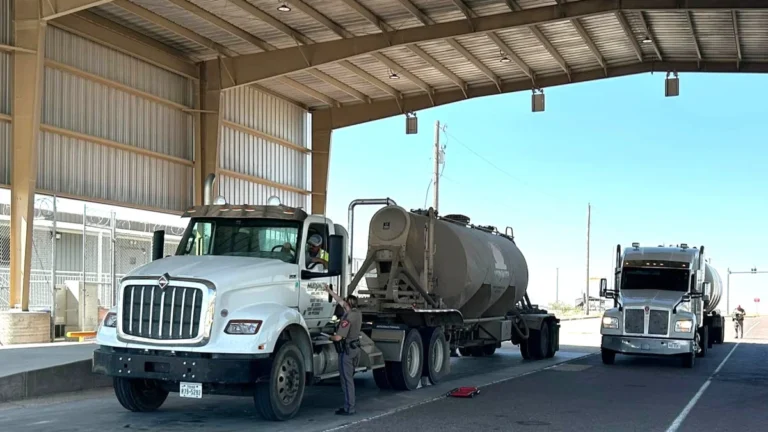
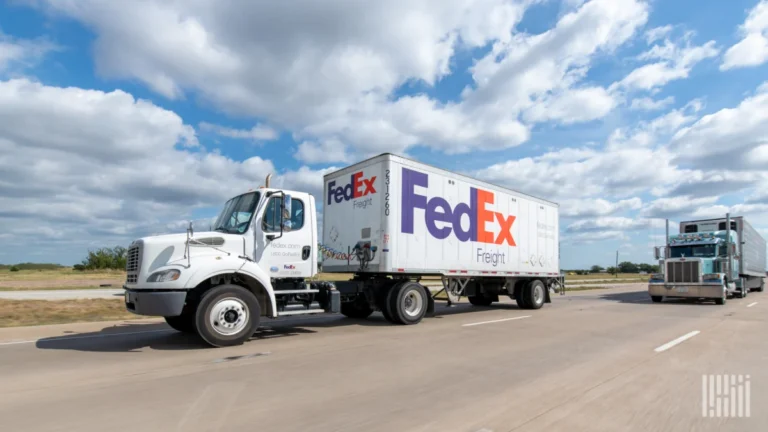
The journey to this quarter’s efficiency was not without its hurdles. In April, Amazon implemented a fuel and logistics surcharge for merchants using Fulfillment by Amazon (FBA). This move was a strategic response to external economic pressures, specifically the rise in transportation costs spurred by fuel inflation—exacerbated by geopolitical instability—and climbing trucking rates. By passing a portion of these costs to the marketplace, Amazon protected its own operating margins while maintaining its aggressive delivery schedule.
Mid-2024: The Robotic Pivot
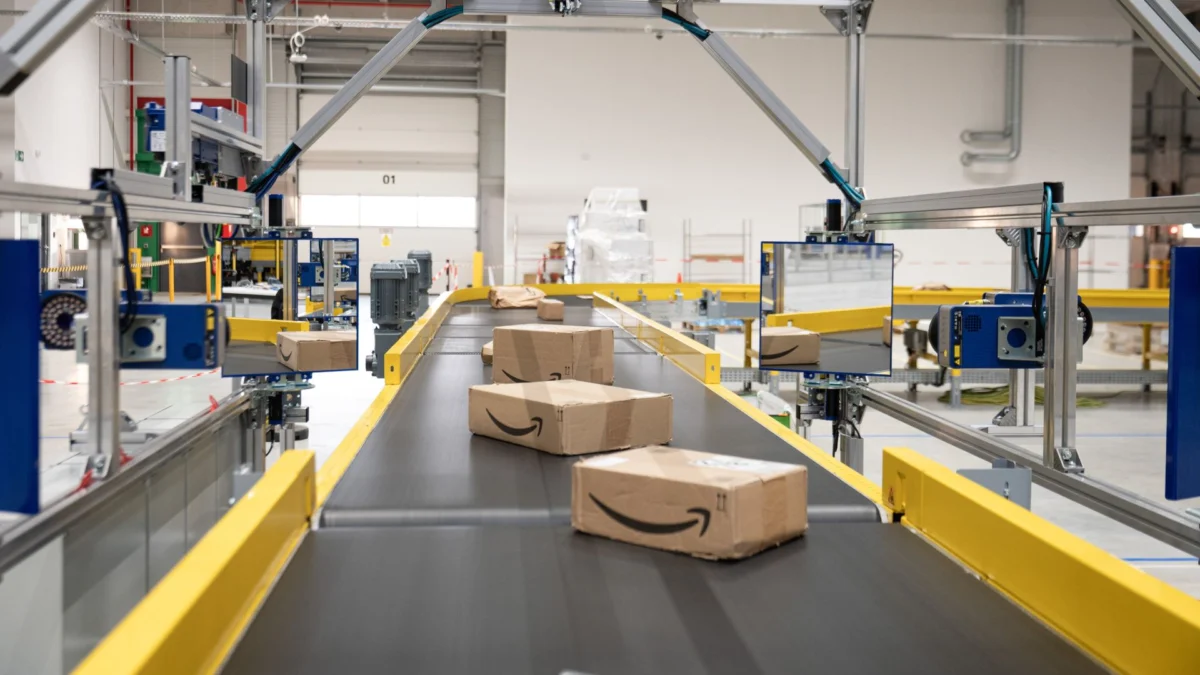
In June, Amazon made headlines with a $10 billion investment plan aimed at modernizing its European fulfillment centers. This commitment marked a clear shift toward total automation. By mid-year, the company reached a significant milestone: the deployment of over 1 million robots across its global network. This transition represents a departure from traditional labor-heavy models toward a hybrid environment where human ingenuity is augmented by sophisticated AI and mechanical precision.
The Robotic Workforce: Cardinal and Sparrow
At the heart of Amazon’s operational gains is its proprietary robotics fleet. During the earnings call, CFO Brian Olsavsky detailed how the company is "retrofitting" existing facilities with the latest generation of technology. Specifically, Amazon plans to more than double its fleet of advanced robotic arms—Cardinal and Sparrow—by 2026.
The Role of Cardinal
Cardinal is a master of spatial efficiency. It is a robotic arm designed to sort and load packages weighing up to 50 pounds into carts. Its defining feature is its ability to arrange these parcels in a "Tetris-like" manner, maximizing the volume of every cart and ensuring that transport vehicles are utilized to their full capacity. This reduces the number of trips required and lowers the carbon footprint per package.
The Role of Sparrow
Sparrow serves as the intelligent backbone of the picking process. It is a robotic system that assists employees by aggregating items for customer orders. Using computer vision and artificial intelligence, Sparrow identifies individual products within a bin, picks them up—handling items weighing up to 12 pounds—and places them into specific totes destined for final packaging. By automating the most repetitive tasks, Sparrow reduces the physical strain on human workers and significantly increases the speed of order assembly.
Official Responses and Strategic Outlook
The management team at Amazon remains steadfast in its belief that logistics is a primary competitive moat. CFO Brian Olsavsky emphasized that the company is currently focused on four key pillars: optimizing inventory levels, shortening shipping distances, reducing the number of "touches" per package, and improving consolidation rates.
"Looking ahead, we see meaningful opportunities to further enhance productivity across our global fulfillment network, all while continuing to raise the bar in delivery speed," Olsavsky stated. He acknowledged that the path to these improvements may not always be linear and that operating margins may fluctuate as the company invests in new technology. However, he reaffirmed the company’s commitment to a "deliberate approach" to achieving sustained, long-term improvements in the cost-to-serve.
Implications for the Broader Retail Landscape
Amazon’s push toward near-instant delivery is forcing a reckoning among traditional retailers. For years, the industry attempted to keep pace with Amazon by prioritizing speed above all else. However, as fulfillment costs rise and logistics networks become increasingly fragmented, this strategy has become financially unsustainable for smaller players.
The "Speed Equation" Debate
Industry experts suggest that the future of retail may be defined by predictability rather than pure speed. Eric Kobe, CEO of the post-purchase tech platform Route, notes that brands do not necessarily need to mirror Amazon’s logistical infrastructure to survive.
"For years, retailers have treated faster shipping as the way to compete with Amazon. That’s becoming a harder strategy to justify," Kobe observed. He argues that while Amazon has the scale to absorb the massive overhead required for one-hour delivery, most retailers lack that luxury. "Brands don’t need to match the delivery speed of industry giants; they need to focus on giving customers a reason to come back after the package ships."
This shift in perspective suggests that while Amazon continues to dominate the "speed" category, the rest of the market is beginning to pivot toward building brand loyalty, enhancing the unboxing experience, and improving communication.
Economic Impact and Stock Performance
The market’s reaction to these results was emphatic. Amazon’s stock leaped 15% following the earnings release, a surge fueled by both the operational efficiencies in logistics and a stellar performance from Amazon Web Services (AWS), which brought in $42 billion in revenue during the quarter.
The success of the second quarter confirms that Amazon’s dual-engine strategy—leveraging high-margin cloud services to fund low-margin but high-volume logistical innovation—is functioning as intended. As the company continues to deploy its fleet of robots and further optimize its fulfillment network, it is setting a standard that, for the foreseeable future, remains largely out of reach for the rest of the retail world.
For the logistics industry, the message is clear: the future is automated, the geography of the supply chain is becoming hyper-local, and the cost of entry into the "speed race" is higher than it has ever been. As Amazon charges forward, it is not just delivering packages; it is setting the pace for the entire global economy.
About the Author