In an era where global research and development (R&D) and manufacturing capital expenditures are hurtling toward a $3 trillion milestone by 2026, the industrial sector finds itself at a critical crossroads. As organizations race to bring next-generation products to market, the physical facilities housing these innovations are becoming increasingly complex. Yet, a persistent, costly myth continues to haunt project management: the assumption that advanced hardware and sophisticated software will naturally synchronize once the building shell is complete.
This "outside-in" approach—where equipment is squeezed into a pre-defined architectural footprint—is rapidly becoming an obsolete model. Today’s industrial landscape demands a "process-centric" methodology, where the core operational requirements dictate the facility’s DNA from the foundation up. By prioritizing the "unit under test" or the production line, engineers can prevent the misalignments that lead to catastrophic budget overruns, suboptimal workflows, and compromised data integrity.
The Shift Toward Process-Centric Design
Historically, industrial facility development followed a rigid, linear, and siloed project management model. In this traditional framework, architects designed the building, mechanical engineers handled the HVAC, and equipment vendors delivered hardware—often with little to no "technical crosstalk." The client, usually an overburdened operational leader, was forced to act as the primary translator between these fragmented parties.
This lack of integration frequently led to expensive field changes. If a piece of high-precision equipment required a vibration-dampened foundation or a massive electrical draw that the building’s power grid couldn’t support, the oversight was often discovered only during the construction phase.
Modern systems integration (SI) has evolved to bridge these gaps. It is no longer merely a contractor-level implementation task; it is a strategic, vertically integrated discipline. By placing the process at the heart of the design, firms can ensure that every aspect of the facility—from structural steel and utility distribution to data acquisition software—serves the ultimate goal: the reliable, repeatable generation of high-quality data and product throughput.
Chronology of a Process-Driven Project
For a project to succeed in today’s volatile market, the systems integrator must be involved across the entire project life cycle. This five-phase roadmap ensures that technical objectives remain the primary driver of development:

Phase 1: Planning and Front-End Planning (FEP)
The most crucial stage is the discovery process. Here, the systems integrator facilitates a deep dive into "acceptance criteria." By engaging stakeholders—ranging from end-users and data analysts to executive leadership—the team defines what success looks like. This phase identifies constraints early, ensuring the budget is aligned with the technical reality of the project.
Phase 2: Design and Engineering Coordination
This is where the "inside-out" philosophy takes shape. The integrator maps the relationship between the process systems and the facility design. Early procurement of long-lead-time process equipment is essential here. By "freezing" the design based on specific equipment needs, the team avoids the scope creep that traditionally derails project timelines.
Phase 3: Technical Execution (Build)
During construction, the systems integrator acts as the steward of the technical vision. They ensure that the skilled trades are executing work that aligns with the complex requirements of the process. In fast-tracked projects, where construction begins before the design is fully finalized, the integrator manages the technical data needed to build foundational packages that remain flexible enough to accommodate final equipment specifications.
Phase 4: Commissioning and Startup
Bringing a facility to life is a team effort that culminates in rigorous acceptance testing. The integrator verifies that the facility’s performance metrics match the design intent established in the FEP phase. This is the moment where theory meets reality; a successful commissioning ensures the facility is ready for full-scale operational use.
Phase 5: Handover and Training
A project is not complete until the client’s team is fully empowered. This final phase focuses on comprehensive documentation and training, ensuring that operators can maintain the equipment and extract the necessary data to meet their R&D or production goals safely and efficiently.
Supporting Data: The Case for Integration
The need for this rigorous, integrated approach is supported by alarming industry trends. According to recent data, the manufacturing sector has been the most targeted industry for cyberattacks for five consecutive years, accounting for nearly 28% of all global incidents in 2025. A process-centric integrator addresses this by ensuring that automation systems are not only interoperable but also inherently secure, protecting the facility’s digital and mechanical assets from the ground up.

Furthermore, the "cost of quality" remains a primary driver for budget deviations. Studies consistently show that design changes and deviations are the primary contributors to cost overruns in construction. By utilizing "design freezes" and data-driven budgeting—often referred to as a "Rough Order of Magnitude" (ROM)—integrators minimize the financial risk before significant capital is committed.
Strategic investment in Front-End Planning (FEP) has been shown to significantly improve budget adherence. When an organization facilitates strategic decision-making early, the ability to influence the final cost of the project is at its peak. As the design progresses, that influence wanes, making the early involvement of an integrator a high-ROI decision.
Official Industry Perspectives
Industry leaders and systems integration experts emphasize that the role of the integrator is shifting from a tactical role to a "corporate standard." As noted in recent project management studies, high-performing projects are defined by their ability to facilitate strategic decision-making.
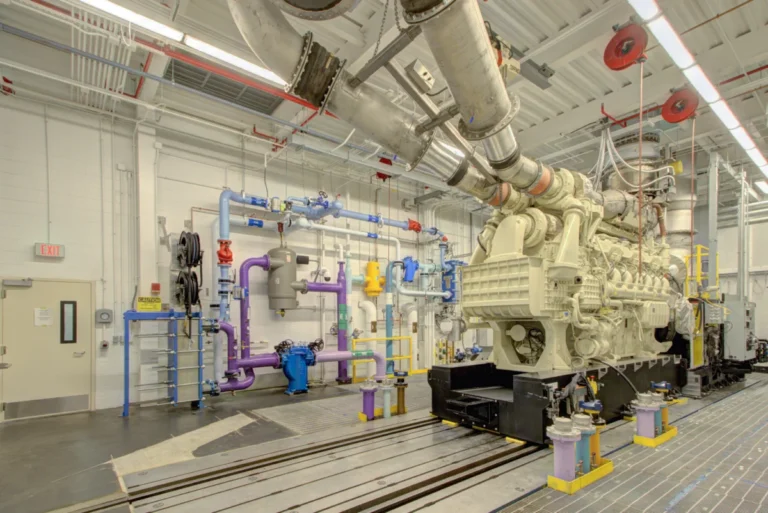
"When internal resources are spread thin, clients simply do not have the time to dive deep into complex SI engineering requirements," notes industry experts. By offloading this burden to a specialist, organizations expedite their own learning curves. This is particularly vital in specialized sectors like battery testing or automotive R&D, where the technical requirements—such as temperature control, large-scale electrical load, and vibration mitigation—are too complex for general contractors to manage in isolation.
The focus must remain on the data. For an R&D facility, the ultimate product is information. Early specification of data acquisition channels is not just a technical preference; it is a strategic requirement. If a facility cannot support the data throughput required by the equipment, the entire facility fails in its core mission.
Implications for the Future: Scalability and Resilience
The most forward-thinking organizations are now designing for "futureproofing." They recognize that the R&D throughput needs of today will likely double or triple within a decade.

Scalability is a fundamental pillar of process-centric integration. Whether it is reserving electrical capacity for future high-voltage testing or designing data storage architectures that can handle exponential growth, the integrator ensures that the facility can evolve without requiring massive structural renovations.
Avoiding the Pitfalls of Disjointed Planning
The cost of ignoring integration is clear: disjointed connections between equipment and infrastructure. A classic example is a test cell where the test stand layout does not align with facility access points, resulting in inefficient, manual maneuvering of test articles. Such errors, while seemingly small on paper, lead to recurring, daily operational inefficiencies that compound over the life of the facility.
The Path Forward
As industrial plants become more interconnected, the "siloed" approach is becoming a liability that shareholders can no longer afford. The transition to a process-centric model is not merely a design trend; it is a competitive necessity.
Organizations that embrace this holistic approach are gaining a distinct advantage. They are not just building structures; they are building highly specialized, flexible, and efficient ecosystems for innovation. As we move toward a future defined by AI, increased automation, and the rapid pace of technological change, the systems integrator stands as the essential architect of the modern industrial age.
By aligning mechanical, electrical, and data-driven requirements with the primary business objective, manufacturers can ensure their facilities are as capable as the products they create. In this new landscape, those who integrate well, win.
About the Author