In the high-stakes environment of industrial manufacturing, the humble lubricant is often the most undervalued asset on the plant floor. Operators frequently view oil changes and greasing as calendar-driven chores—line items on a maintenance checklist to be completed as quickly as possible. However, seasoned reliability engineers know that oil does far more than reduce friction in rotating equipment. It is the lifeblood of the machine: it seals clearances, carries away destructive heat, inhibits corrosion, suspends contaminants, and protects sensitive bearing surfaces.
When any one of these functions is compromised, the failure of the machine is not a matter of "if," but "when." Across the spectrum of pumps, gearboxes, motors, fans, and compressors, the integrity of the thin film of lubricant standing between expensive metal components dictates the operational lifespan of the entire facility.
The Core Principles of Lubrication Management
The hierarchy of lubrication reliability is built on four fundamental pillars: using the right lubricant, applying the right amount, adhering to the right interval, and ensuring zero contamination. When these principles are neglected, the facility moves from a proactive maintenance posture to a reactive, "firefighting" mode. Understanding the ten most common "worst practices" is the first step toward shifting from mere maintenance to a robust, data-driven reliability strategy.
1. The Fallacy of "A Little Bit of Dirt"
Contamination is the silent assassin of rotating equipment. A common, dangerous misconception is that a trace amount of dust or a minor particle count increase is inconsequential. In reality, dirt, moisture, and metallic debris act as grinding compounds, turning a protective lubricant into a slurry that accelerates wear. Many premature failures are attributed to "bad oil" when, in fact, the oil was high-quality, but the handling process was flawed.
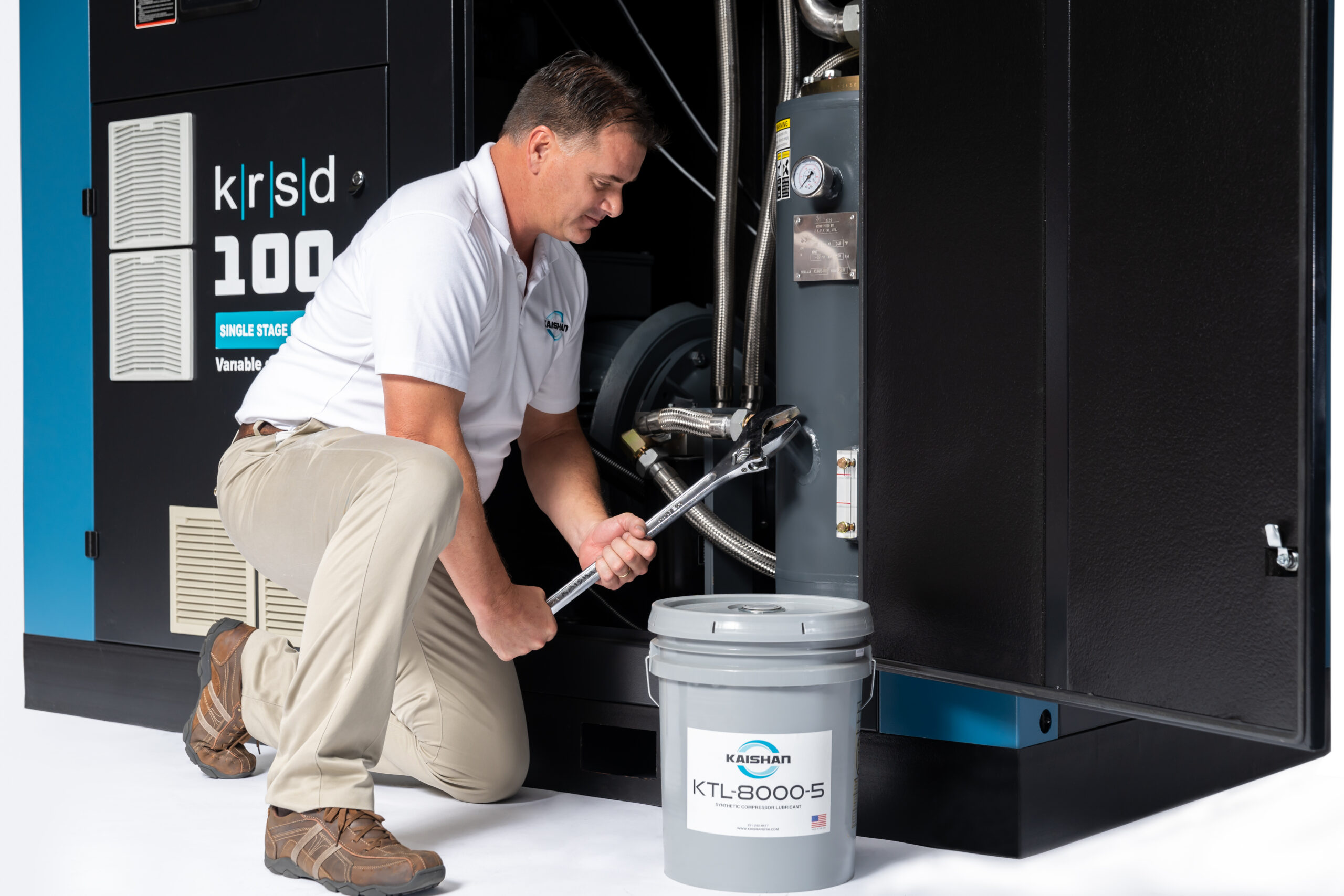
- The Fix: Implement rigorous cleanliness protocols. Utilize dedicated, filtered transfer containers and ensure that funnels, caps, and ports are kept in pristine condition.
2. The Danger of Under-Temperature Operation
Lubricants are engineered to operate within specific thermal windows. Compressors that run at consistently light loads often fail to reach the temperature necessary to evaporate moisture. This trapped water leads to oxidation, sludge formation, and acidic degradation. If your oil is not getting hot enough, you have a serious reliability problem long before you have a lubrication problem.
3. Ignoring the Power of Oil Analysis
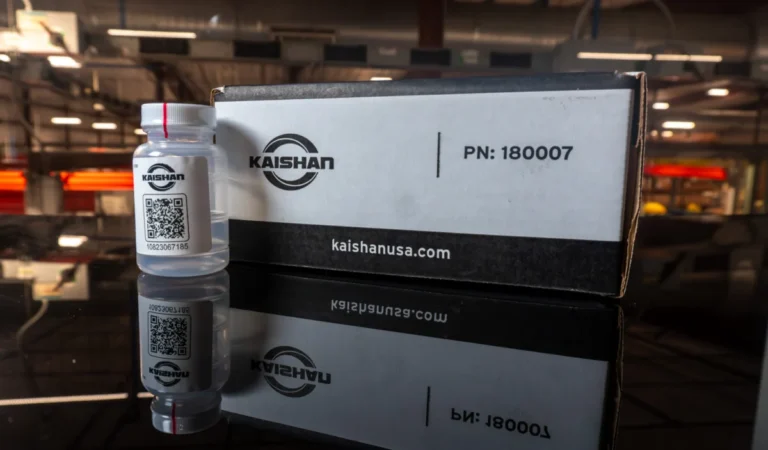
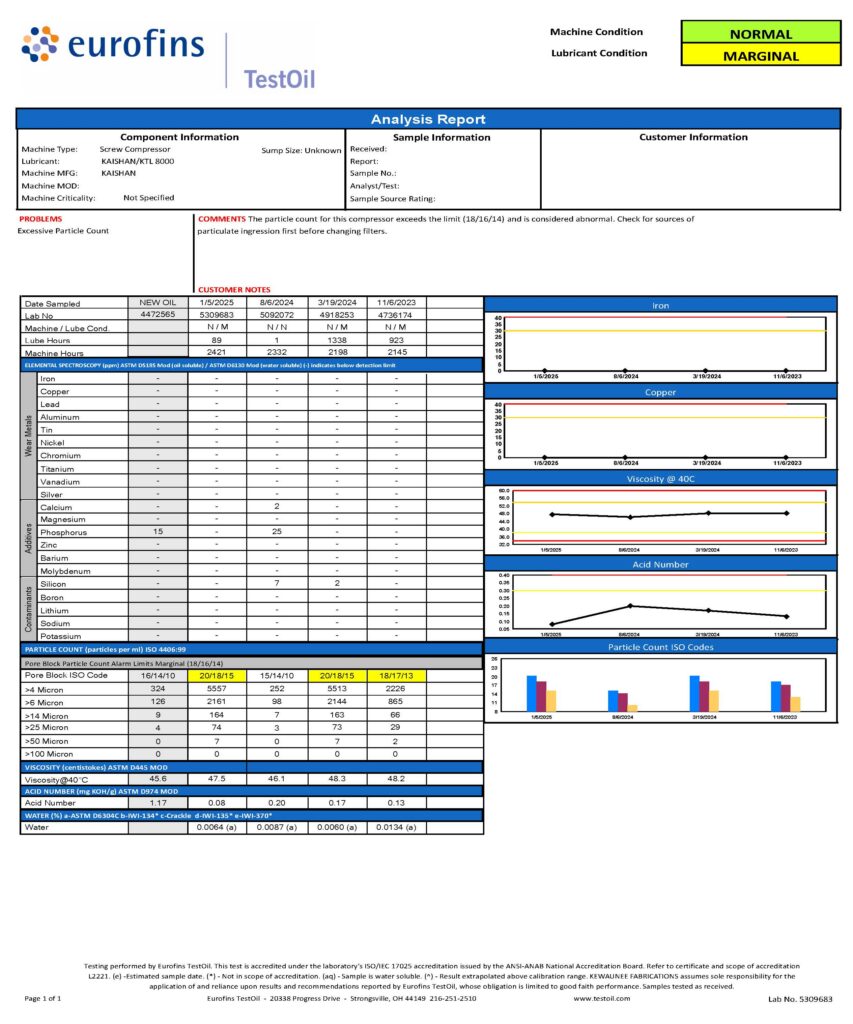
If there is one tool that distinguishes top-tier maintenance programs, it is routine oil analysis. A standard sample provides a forensic snapshot of the internal health of the machine—revealing viscosity shifts, bearing wear, coolant leaks, and filtration efficiency. Viewing this as an optional or "too time-consuming" task is a strategic error. It is the single most effective way to detect failures before they cause catastrophic damage.
4. The "All Oils Are Equal" Myth
The assumption that any lubricant of the same viscosity will suffice is a recipe for disaster. Additive packages and base stocks are tailored to specific mechanical stresses. Putting the wrong oil in a high-performance air end might save a few dollars today, but it often leads to a $20,000 repair bill tomorrow. Always adhere to manufacturer specifications, which are based on extensive validation testing.
5. Calendar-Based vs. Condition-Based Maintenance
Treating lubrication as a static calendar task ignores the reality of environmental variables. Ambient dust, humidity, duty cycles, and operating temperatures vary significantly across different areas of a plant. Teams that achieve the longest equipment life treat operating hours as one data point, using oil analysis as their "North Star" to determine when a change is actually required.
6. The Over-Greasing Trap
There is a prevailing belief that "if a little is good, a lot is better." In bearing lubrication, this is false. Over-greasing creates excessive heat through internal friction and forces lubricant into areas where it can cause damage. Always follow the manufacturer’s recommendations for grease volume rather than relying on the "feel" of the technician.
7. Variable Load and Duty Cycle Realities
A common misconception suggests that fewer loaded hours equate to longer oil life. However, variable speed drive (VSD) compressors or intermittently loaded units often experience more moisture buildup because they never stabilize at operating temperature. Furthermore, lubricants degrade through time—oxidation and chemical breakdown occur even when a machine is idle, making calendar limits and sample intervals equally critical.
8. The Compatibility Crisis
Mixing greases is a frequent and often catastrophic mistake. Different thickener systems—such as lithium, polyurea, or calcium—can be chemically incompatible. When mixed, they may result in a "soap" that either turns to liquid (starving the bearing) or hardens into a solid mass (gumming up the machine). Never switch grease types without consulting a manufacturer to verify compatibility.
9. The Mineral vs. Synthetic Divide
While mineral oils are standard, cost-effective options, they often struggle under high-pressure and high-heat conditions. Synthetics, such as PAOs and PAGs, are engineered to resist oxidation and varnish, often extending drain intervals significantly. For high-duty-cycle environments, the total cost of ownership (TCO) almost always favors synthetics, provided the transition is managed with a proper system flush.
10. Neglecting the "Reliability Strategy" Mindset
The final and most dangerous worst practice is viewing lubrication as a chore rather than a strategy. A compressor running 80,000 hours on its original airend is not a matter of luck; it is a matter of managed lubrication.
Supporting Data: The Cost of Neglect
Industry data consistently shows that up to 70% of mechanical failures are related to lubrication issues. When a bearing fails, the bearing itself is rarely the root cause; it is merely the component that failed first because the lubricant film was breached.
For instance, in a study of rotary screw air compressors, units that moved from a standard maintenance schedule to a predictive, oil-analysis-driven schedule saw a 30% reduction in unscheduled downtime. These facilities were able to identify coolant intrusion through oil samples months before the equipment showed signs of vibration or heat, allowing for planned, inexpensive repairs instead of emergency shutdowns.
Official Industry Perspectives
Leading lubrication experts and OEM representatives emphasize that the "language" of the machine is written in its oil. Eurofins TestOil and other accredited laboratories frequently report that the most common findings in failed samples are high moisture content and particle contamination.
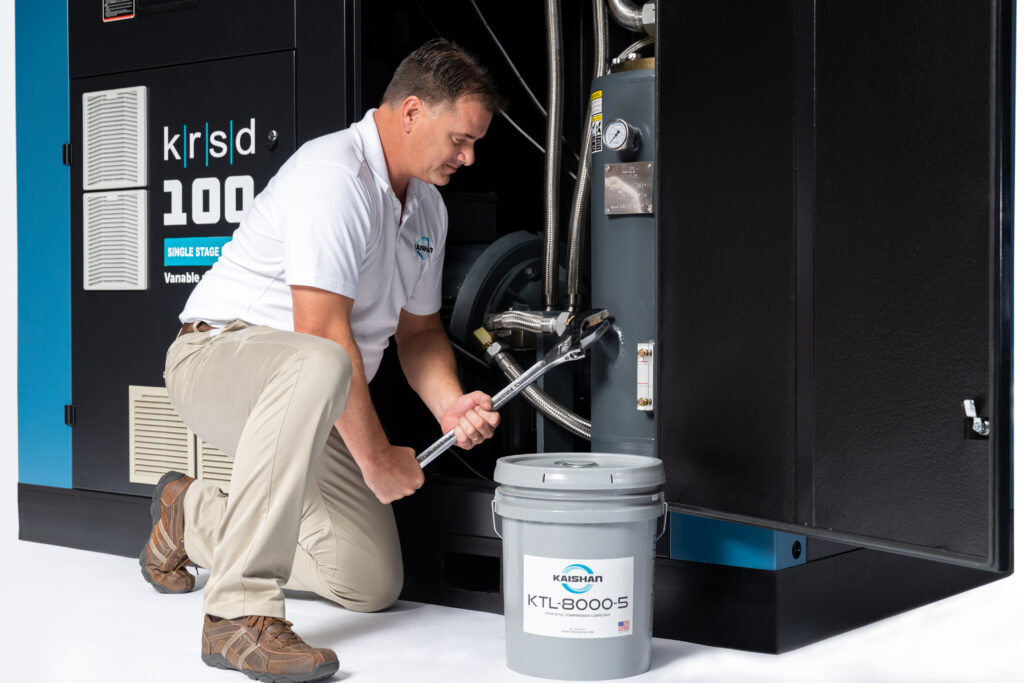
"The best teams stop treating lubrication as a calendar task and start treating it as a predictive maintenance tool," says a representative from Kaishan USA. The consensus among reliability professionals is clear: the lubricant is a diagnostic window into the machine. If a facility ignores that window, they are effectively flying blind.
Implications for Plant Operations
The implications of poor lubrication extend far beyond the maintenance department. They touch the bottom line through:
- Energy Consumption: Proper lubrication reduces friction, which directly lowers the power consumption of motors and pumps.
- Asset Longevity: By maintaining a healthy fluid film, the lifecycle of capital equipment can be extended by years.
- Production Continuity: Avoiding a single catastrophic failure during peak production can save millions in lost output and shipping penalties.
Conclusion: The Path Forward
Lubrication is not merely about changing oil—it is about protecting the multi-million dollar assets that drive your business. It is a disciplined, technical, and strategic endeavor.
To transform your plant’s reliability, you must move beyond the "if it ain’t broke, don’t fix it" mentality. Implement a rigorous sampling program, train staff on proper grease application, verify lubricant compatibility, and treat your fluids as the diagnostic data source they are. The lubricant tells the story long before the machine does; if you learn to listen, you will ensure your facility operates with the efficiency and reliability required in today’s competitive global market. The countdown to failure starts the moment you stop paying attention—or, it stops entirely the moment you start practicing proactive lubrication.
About the Author