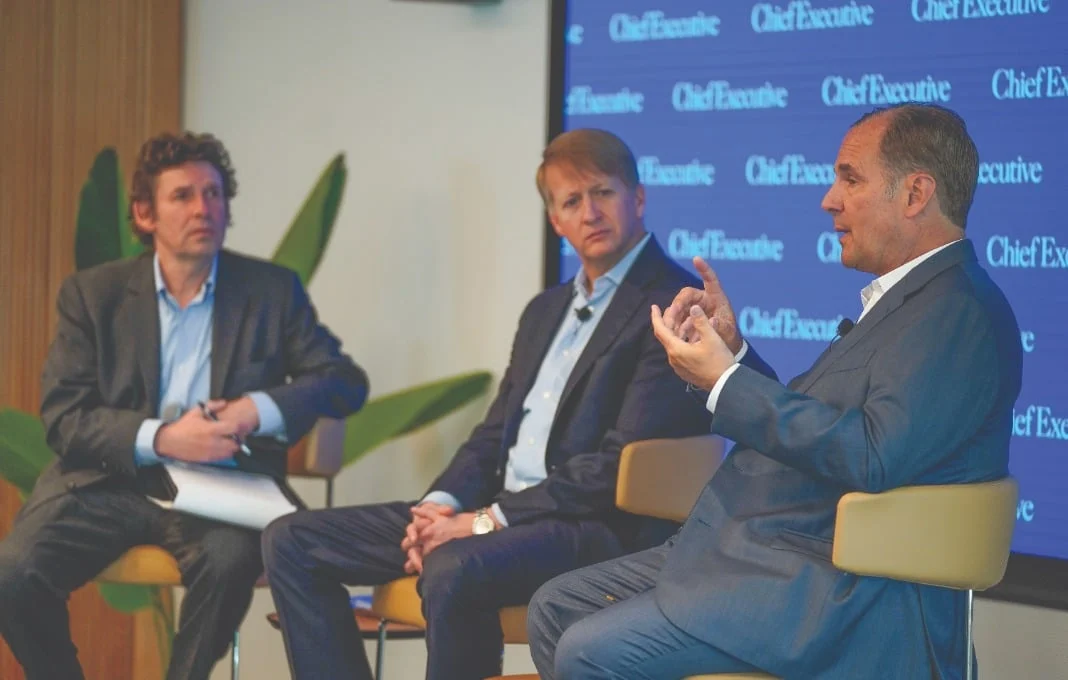
In an era defined by volatility, the traditional playbook for executive leadership has been rendered obsolete. The ability to pivot is no longer a competitive advantage—it is the baseline for survival. At the recent Chief Executive CEO Summit, a consensus emerged among some of the world’s most effective leaders: the path to organizational longevity lies not in reacting to change, but in building internal structures, cultures, and team dynamics that can withstand—and thrive in—any environment.
The Marriott Legacy: Scaling Culture in a Global Market
The narrative of Marriott International serves as the ultimate case study for enduring success. What began in 1927 as a humble nine-cent root beer stand in Washington, D.C., has blossomed into a global hospitality titan spanning 10,000 hotels across 143 countries. Yet, as Marriott International Chairman David S. Marriott and CEO Anthony Capuano noted during the summit, the core philosophy remains anchored in the founding vision: "Take care of your people, and they’ll take care of your guests."
For a company with 700,000 associates, maintaining a cohesive culture is an immense challenge. The solution, according to the leadership team, is a focus on the General Manager (GM) as the “keystone” of the organization.
The Role of the General Manager
Most guests will never interface with the C-suite. Their perception of the brand is entirely formed by frontline associates. Consequently, the GM is the primary architect of the guest experience. David Marriott shared that during his tenure as COO, he deliberately blocked every Monday to personally interview GM candidates. The selection criteria were clear: hire for character and cultural alignment first, then train for technical proficiency. By ensuring the “keystone” roles are occupied by those who embody the company’s values, the culture becomes self-reinforcing.
Evolving Culture vs. Fixed Values
A critical distinction made by Capuano is the difference between core values and culture. While Marriott’s five core values—put people first, embrace change, pursue excellence, act with integrity, and serve your world—are immutable, the culture must remain fluid. As the organization scales, it must evolve to meet the needs of the time while remaining anchored to its foundational principles.
Decentralization as Infrastructure
The company’s shift toward decentralization was born from necessity rather than theory. Capuano recalled a pivotal moment involving a disagreement over room depths in Hong Kong that escalated to the desk of Bill Marriott. The realization was stark: if a senior leader in Bethesda, Maryland, is making granular operational decisions in Hong Kong, the company has a structural flaw. Today, Marriott’s continent presidents operate as CEOs of their respective regions, empowered to make growth and operating decisions. The message from the top is simple: "Run your business."
The Science of High-Performance Teams
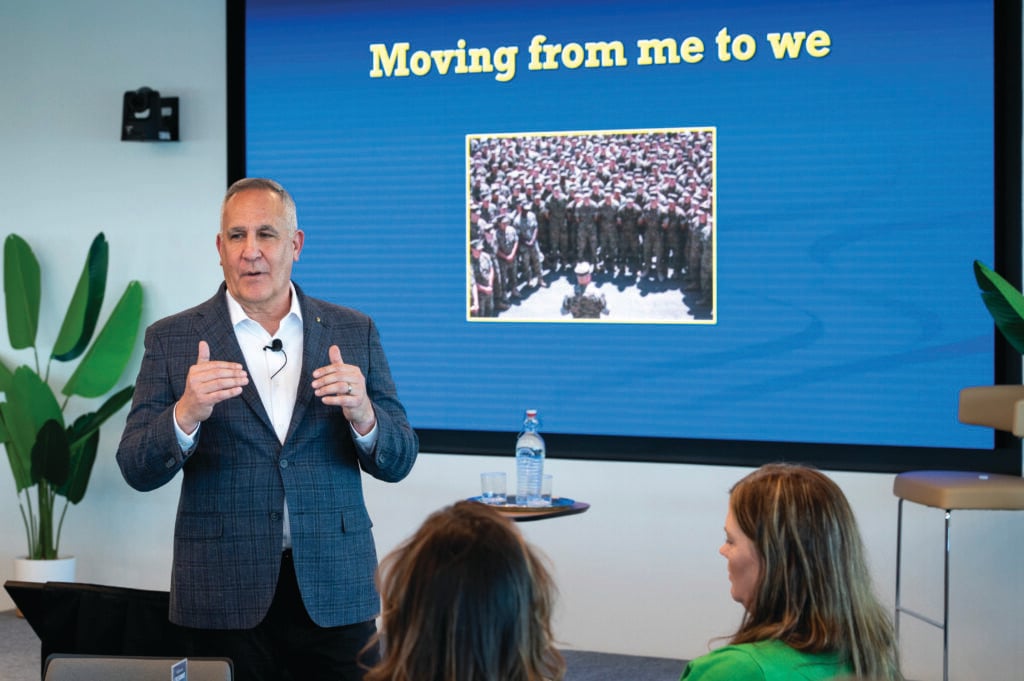
While culture provides the bedrock, team structure provides the scaffolding for execution. Colin Fisher, a professor at University College London and author of The Collective Edge, challenged the prevailing wisdom on team management.
The Structural Imperative
Fisher’s research presents a sobering reality for modern management: when teams struggle, 84 percent of leaders attempt to intervene in "process" elements like trust-building or communication. However, evidence suggests that only 5 percent—those who address the team’s structure—achieve success.
Structure, which includes clear goals, proper composition, defined tasks, and explicit norms, accounts for roughly 60 percent of the variation in team effectiveness. Coaching and process interventions, while popular, account for only 10 percent of success, and they are largely ineffective if the underlying structure is flawed. As Fisher noted, "If you have a poorly structured team, trying to coach them is basically playing a rigged game."
The Optimal Team Size
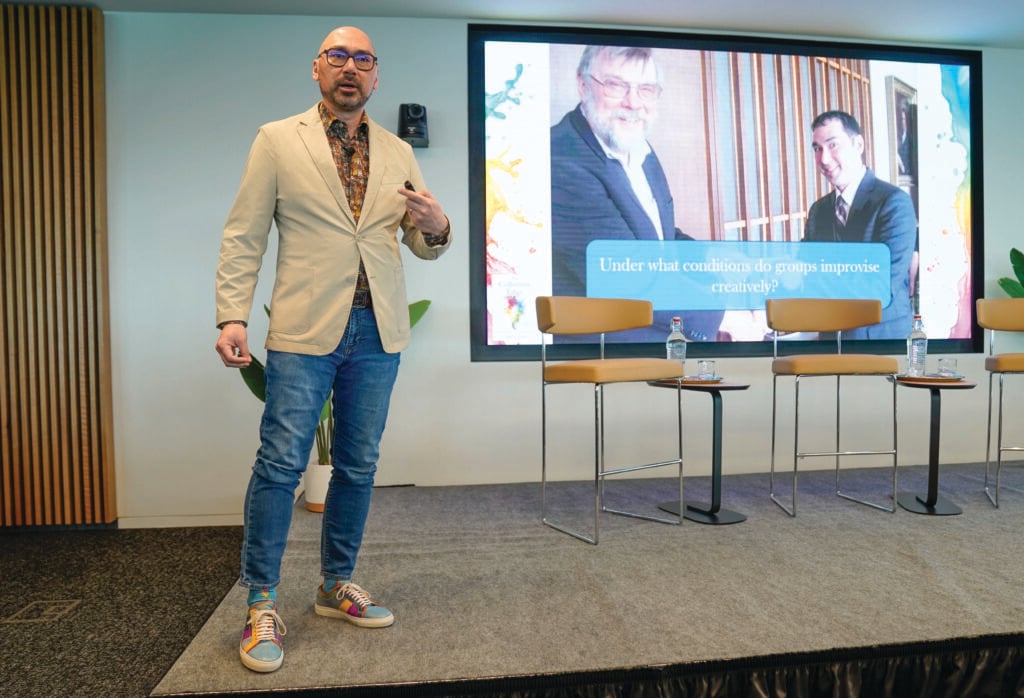
The math of team dynamics is unforgiving. Fisher points to the "optimal" team size of 4.5 members, with a functional upper limit of seven. Beyond this, the number of distinct relationships grows exponentially, leading to a collapse in coordination. A "management team" of 20 or 30 people is, by definition, a small organization, not a functional unit.
Designing Culture: From Accident to Architecture
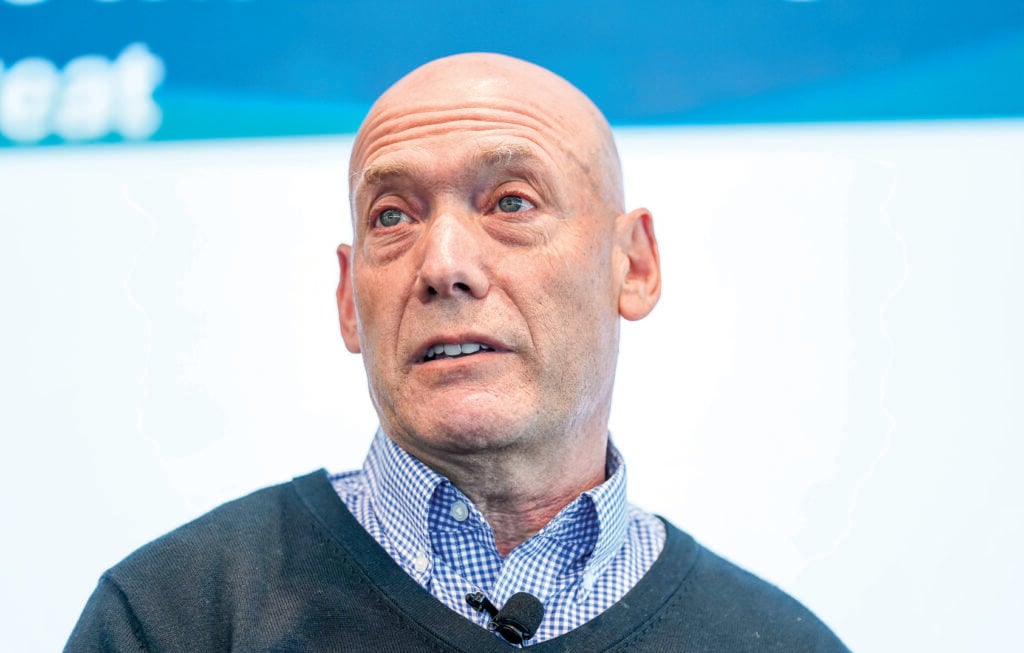
David Friedman, founder of CultureWise, argues that most companies possess a culture by accident rather than by design. To move from accidental to world-class, leaders must shift their focus from abstract values to actionable behaviors.
Defining Behavior over Values
"Respect" and "integrity" are noble but subjective. By defining specific, actionable behaviors—such as "get clear on expectations" by confirming understanding through repetition—leaders remove ambiguity. "It is very difficult to coach somebody about their values," Friedman noted. "But I can coach them all day long about what I see them doing or not doing."
The Power of Rituals
Culture is sustained through ritual. Borrowing from the Ritz-Carlton playbook, successful organizations integrate short, daily discussions about specific behaviors into every meeting. This keeps cultural expectations top-of-mind and provides a recurring framework for feedback. Ultimately, culture is a CEO function, not an HR function. It requires direct sponsorship from the top, and it is defined by the behavior that leadership is willing to tolerate.
AI and the Execution Gap
As organizations rush to integrate Artificial Intelligence, Amy Ankrum, CEO of Rhythm Systems, warns against a common trap: attempting to automate a broken system. With 67 percent of corporate strategies failing during execution, AI serves only to accelerate existing dysfunction if the operational foundation is not already sound.
The Operating System First
AI requires context and business rules to be effective. Before deploying sophisticated models, companies must ensure they have clear priorities, consistent leadership cadences, and meaningful KPIs.
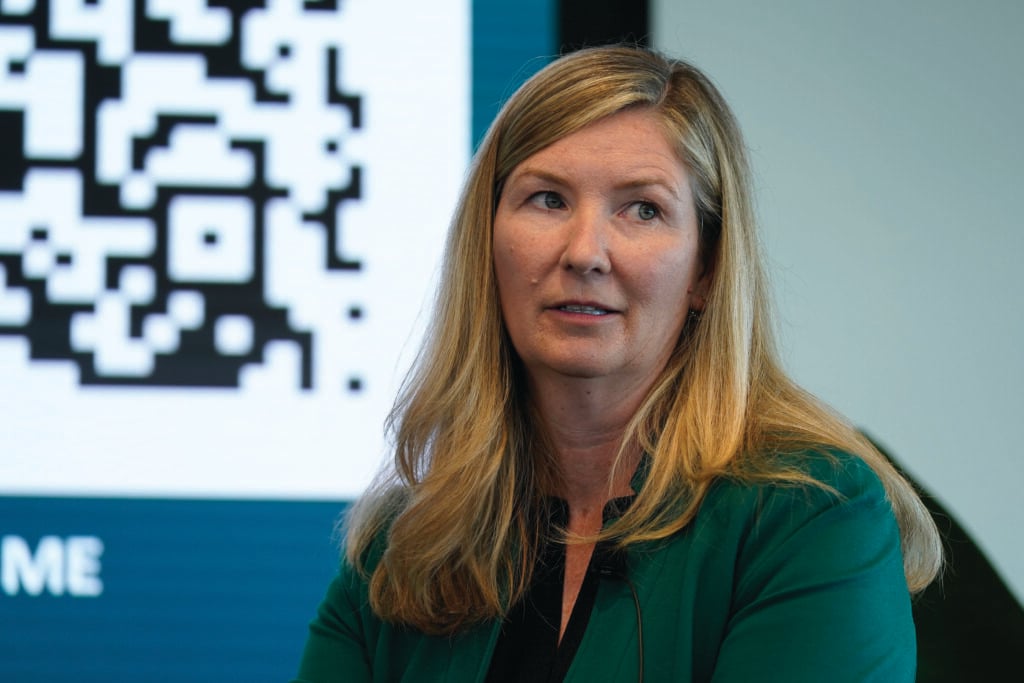
Furthermore, AI should be viewed as a "thinking partner" rather than a final decision-maker. Ankrum’s warning about AI’s propensity to "fabricate" data serves as a necessary reminder that human judgment remains the final arbiter of truth. To mitigate risks, she suggests appointing a dedicated leader to own the vision of AI integration, ensuring it is embedded into the core operations rather than treated as a peripheral add-on.
The Human Element: Motives and Retention
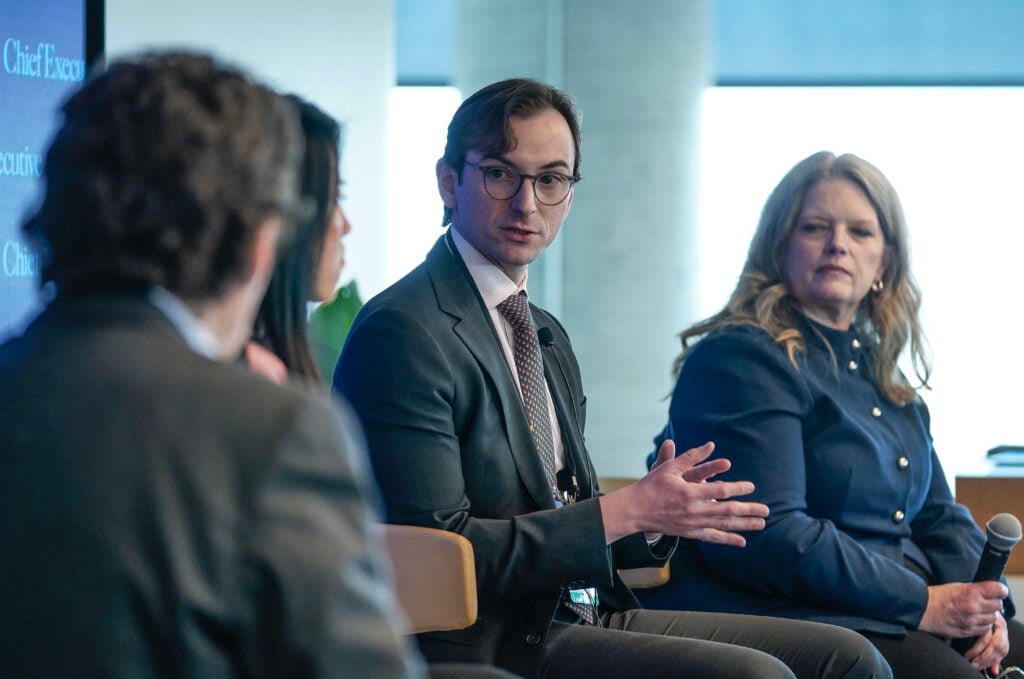
The summit also addressed the growing disconnect between employee needs and management perceptions. Kelly Mackin, author of Work Life Well-Lived, noted that only 16 percent of employees are currently thriving at work. The primary culprit is the tendency for leaders to manage to their own motivational blueprint rather than their team’s.
The Cost of Toxicity
The financial impact of culture is often quantified through the lens of toxic employees. A toxic employee can cost an organization more than $12,000 in lost productivity and morale damage, far outweighing the $5,000 in profit typically generated by a top performer. The lesson for leaders: culture is shaped not just by what you reward, but by what you allow to persist.
The "Stay Interview"
In a labor market where talent expects curated work experiences, proactive retention is vital. Mackin advocates for the "stay interview"—having conversations about what keeps employees engaged before they reach the point of resignation. Fifty-two percent of employees who depart say they would have stayed had they been asked, yet most never receive that opportunity.
Strategic Execution: Cutting Through the Whirlwind
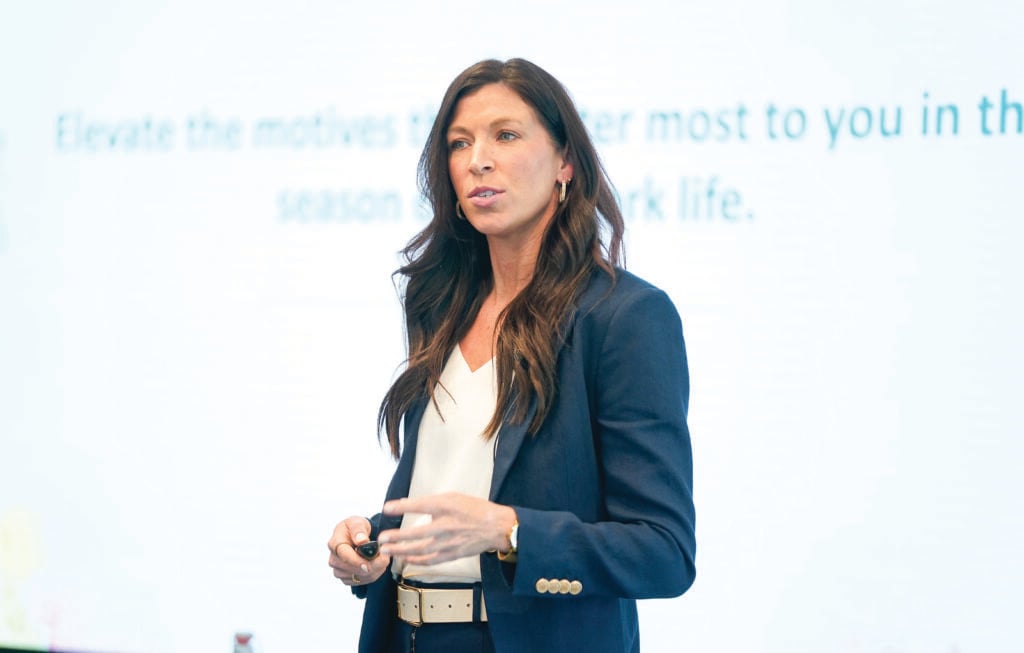
The final piece of the leadership puzzle, as presented by Scott Thele, is the art of execution. With billions spent annually on strategy initiatives that fail to gain traction, the problem is rarely the strategy itself; it is the "whirlwind"—the daily barrage of emails, fires, and meetings that distract from the primary goal.
The Four Disciplines of Execution
To survive the whirlwind, Thele suggests:
- Ruthless Focus: Identify one "wildly important goal" that requires a different cadence than standard operations.
- Lead Measures: Track predictive, influenceable metrics rather than lagging indicators.
- High-Stakes Scorekeeping: Engagement thrives when teams can see the scoreboard and believe they can win.
- Helpful Accountability: Shift from asking "Why didn’t you do it?" to "How can I help you make it happen?"
Conclusion: The Path Forward
The common thread across these insights is that leadership is not a passive role. Whether it is through the rigorous design of organizational culture, the disciplined structuring of teams, or the careful integration of AI, the modern CEO must be an architect. By prioritizing clear behaviors over abstract values, structural discipline over process intervention, and human-centric strategy over automated efficiency, leaders can ensure their organizations do not just survive the inevitable shifts of the market—they define them. The institutions that win will be those that have moved past the hope of luck and into the certainty of deliberate, repeatable design.
About the Author