In the high-stakes world of pharmaceutical research and development, the race for the next breakthrough often overshadows the environmental footprint of the facilities where these discoveries are made. However, a unique competition is proving that the spirit of corporate rivalry can be harnessed for more than just market share. The 2026 Freezer Challenge, an international competition designed to promote energy efficiency in laboratories, has revealed how "gamifying" sustainability can lead to massive reductions in carbon emissions and energy consumption.
Leading the charge in this year’s results are industry titans AstraZeneca and Amgen, who emerged as primary victors in a field of over 4,000 laboratories. By implementing seemingly minor operational changes—most notably adjusting the temperatures of ultra-low temperature (ULT) freezers—these organizations saved a collective 30 gigawatt hours (GWh) of energy. This achievement underscores a growing trend in corporate ESG (Environmental, Social, and Governance) strategies: moving away from "compliance-based" mandates toward incentive-driven, competitive frameworks that engage employees at every level.
Main Facts: The 2026 Freezer Challenge Results
The Freezer Challenge, organized by the non-profit My Green Lab and the International Institute for Sustainable Laboratories (I2SL), has become the gold standard for laboratory energy efficiency. The 2026 iteration saw unprecedented participation, involving nearly 270 organizations across the globe.
The Winning Performers
Amgen secured the prestigious "Top Organization Award," a testament to its comprehensive approach to cold storage management. During the first half of 2026, the company saved an average of 5,314 kWh per day. Close on its heels was the U.K.-headquartered AstraZeneca, which recorded daily savings of 5,244 kWh. AstraZeneca was honored with the "Winning Streak Award," recognizing its consistent high performance and leadership in the challenge over several consecutive years.
Beyond the "Big Pharma" sector, other winners demonstrated the versatility of these sustainability measures:
- Hospital Category: Siemens Healthineers was named the Top Organization, with significant contributions from its operations in Canada, Ireland, and the United States.
- Academic Category: The Institute of Cancer Research in the United Kingdom took the top spot, proving that even resource-constrained research institutions can achieve elite levels of efficiency.
The Mechanics of Energy Reduction
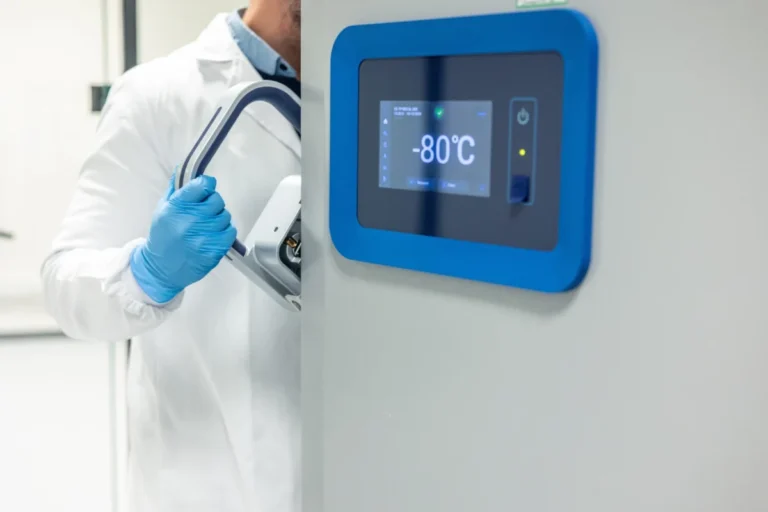
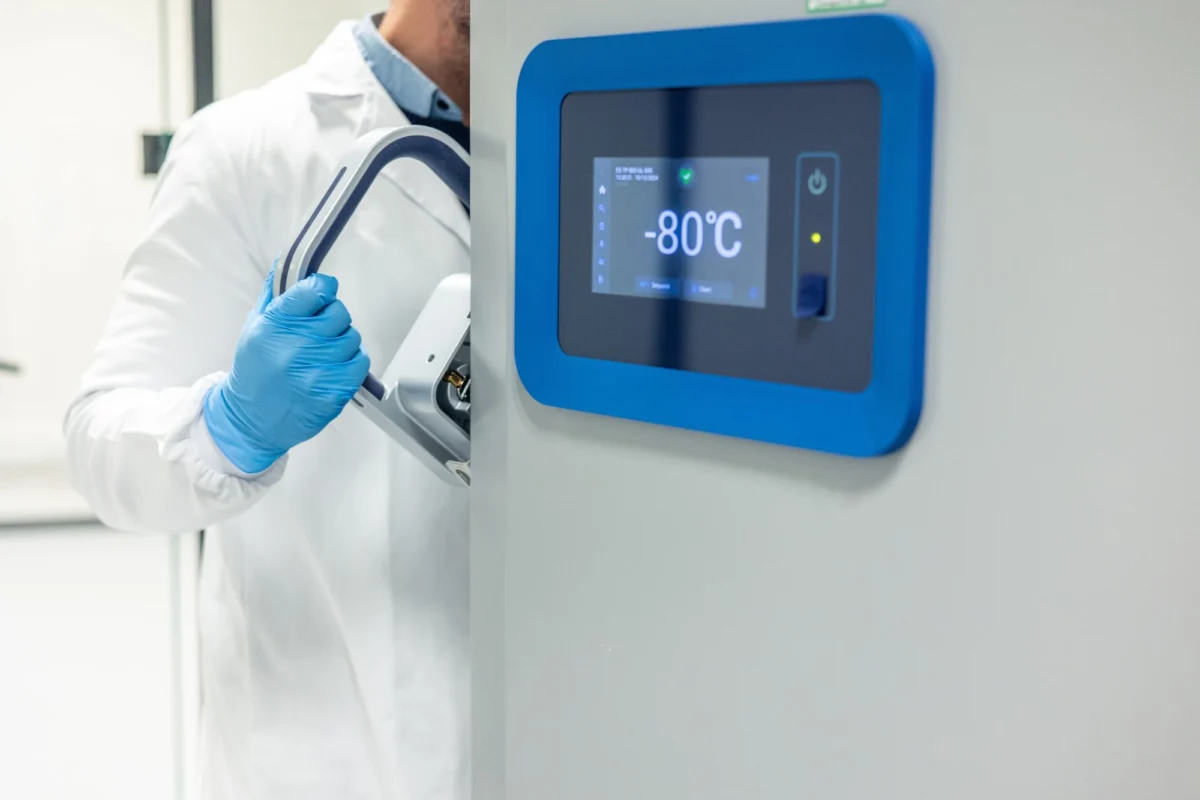
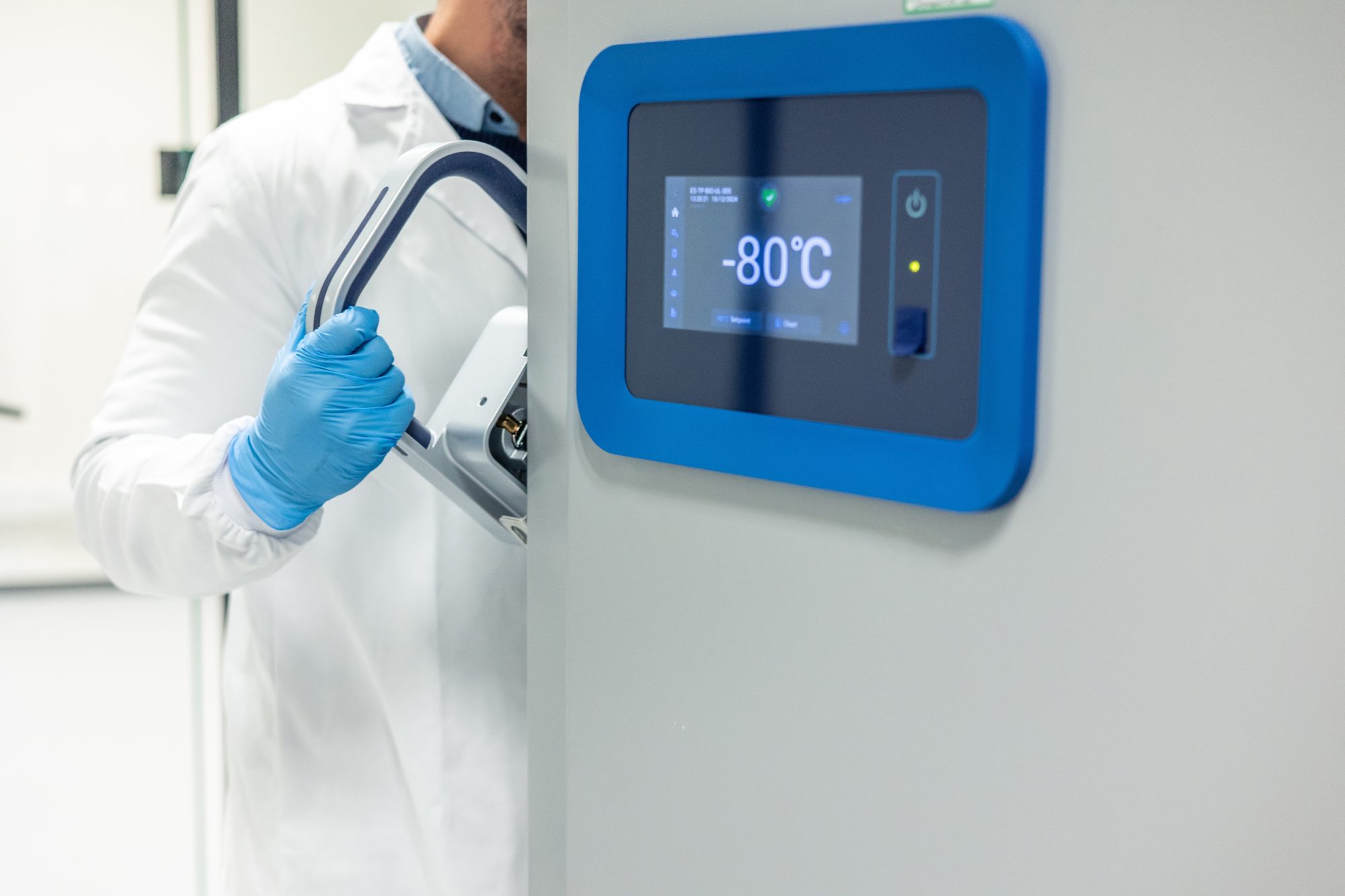
The primary driver of these energy savings was a shift in industry standards regarding ultra-low temperature storage. For decades, the default setting for biological sample storage has been -80 degrees Celsius. However, through the Freezer Challenge, labs are encouraged to "Chill Up" to -70 degrees Celsius.
This ten-degree adjustment may seem negligible, but it can reduce a freezer’s energy consumption by 30% to 40%. Crucially, scientific research has shown that for the vast majority of biological samples, the move from -80°C to -70°C has no impact on sample viability or integrity. Coupled with improved maintenance—such as defrosting units, cleaning coils, and managing "cold storage inventory" to remove old, unneeded samples—these steps transform "energy hogs" into efficient assets.
Chronology: The Evolution of Green Lab Initiatives
The journey toward sustainable laboratory management did not happen overnight. It is the result of a decade-long effort to bridge the gap between scientific excellence and environmental responsibility.
2017: The Launch
The Freezer Challenge was officially launched in 2017. At its inception, the goal was modest: to raise awareness about the immense energy requirements of cold storage. In the early years, participation was largely limited to a few sustainability-minded academic institutions and boutique biotech firms.
2018–2022: Scaling the Concept
As the climate crisis became a central concern for corporate boards, the challenge began to gain traction within the Fortune 500. My Green Lab expanded its reach, providing toolkits and standardized metrics that allowed companies to track their progress. During this period, the "Chill Up" movement gained scientific backing, with more researchers publishing data confirming the safety of -70°C storage for various reagents and samples.
2023–2025: The Integration of Gamification
Recognizing that sustainability departments often struggle to influence laboratory behavior, organizers began to lean heavily into gamification. By introducing leaderboards, digital badges, and high-profile awards, they tapped into the natural competitiveness of scientists and corporate teams.
2026: A Record-Breaking Year
The 2026 challenge represents the pinnacle of this evolution. With 30 GWh saved, the initiative has moved from a niche project to a significant contributor to the pharmaceutical industry’s Scope 2 emissions reduction goals.
Supporting Data: The High Cost of Cold Storage
To understand why the results from AstraZeneca and Amgen are so significant, one must look at the raw energy data associated with modern laboratory equipment.
The "Two Homes" Metric
James Connelly, CEO of My Green Lab, provides a sobering comparison: a single ultra-low temperature freezer can consume as much electricity as two average American households. In a large-scale pharmaceutical facility containing hundreds, or even thousands, of these units, the energy footprint is staggering.
- Total Savings: 30 GWh is equivalent to the annual energy usage of roughly 2,700 homes.
- Daily Impact: The daily savings achieved by Amgen (5,314 kWh) is roughly equal to what 180 average homes use in a single day.
- Cumulative Effect: Since the challenge began in 2017, the cumulative energy saved by participating labs is estimated to have prevented tens of thousands of metric tons of CO2 from entering the atmosphere.
The Logic of -70°C
The shift from -80°C to -70°C is the most effective "low-hanging fruit" in lab sustainability. Because the temperature difference between the freezer interior and the ambient room temperature is so extreme, the compressor must work exponentially harder to maintain those final ten degrees. By easing that burden, the lifespan of the equipment is often extended, reducing electronic waste and capital expenditure over time.
Official Responses: Gamification as a Strategic "Hack"
The success of the Freezer Challenge has sparked a broader conversation about how to motivate corporate behavior in the era of climate change.
The Perspective from My Green Lab
James Connelly describes gamification as a necessary "hack" to bypass the fatigue often associated with environmental initiatives. "So much of sustainability these days is doom and gloom and compliance," Connelly noted. By reframing energy efficiency as a competition, My Green Lab has managed to turn a routine maintenance task into a point of pride for lab managers. "Adding the awards and recognition pushes teams to do something that is already in their interest—saving energy and, thus, money—but which they might not otherwise act on."
Corporate Leadership and the "Kudos" Factor
Sustainability professionals within the winning companies suggest that while the energy savings lead to lower utility bills, the real value lies in the "kudos." High-profile rankings and awards provide tangible evidence to C-suites and boards that their sustainability investments are yielding results.
For companies like Amgen and AstraZeneca, being recognized in the Freezer Challenge isn’t just about the environment; it is about brand reputation and talent acquisition. In a competitive labor market, scientists—particularly those from younger generations—are increasingly looking to work for organizations that demonstrate a genuine commitment to the planet.
Industry Comparisons
The Freezer Challenge sits alongside other influential rankings that drive corporate behavior. These include:
- CDP’s Corporate A List: Recognizes transparency in environmental reporting.
- The Global 100 (Corporate Knights): Ranks the world’s most sustainable corporations based on a rigorous set of KPIs.
- EPA’s Green Power Partnership: Tracks the largest purchasers of renewable energy in the U.S.
The common thread among these initiatives is the use of public ranking to create a "race to the top," where companies compete to be seen as the most responsible actors in their respective sectors.
Implications: Beyond the Laboratory
The success of the 2026 Freezer Challenge has implications that extend far beyond the walls of pharmaceutical laboratories. It offers a blueprint for how other energy-intensive industries might tackle their carbon footprints.
1. Cross-Sector Application
The lessons learned in the lab are already being applied to the food and beverage industry. Recent initiatives, such as the "Move to -15°C" coalition involving giants like Maersk and IKEA, aim to raise the temperature of food storage freezers. Just as labs found that -70°C was sufficient for samples, food logistics companies are discovering that raising temperatures by just a few degrees can drastically reduce energy use without compromising food safety or quality.
2. Redefining "Best Practices"
For decades, "colder is better" was the unwritten rule of biological storage. The Freezer Challenge has successfully challenged this dogma, replacing it with a data-driven approach to storage. This shift suggests that many "industry standards" across various sectors may be ripe for re-evaluation in the context of modern energy efficiency.
3. The Psychology of ESG
The 2026 results prove that human psychology is a critical component of climate action. While carbon taxes and regulations are necessary macro-level tools, micro-level engagement requires a different approach. Gamification provides the "dopamine hit" of winning, which can be more effective at changing daily habits than the abstract threat of long-term climate change.
4. Economic Resilience
As energy prices remain volatile globally, the 30 GWh saved by these organizations represents significant financial resilience. For a company like AstraZeneca, saving over 5,000 kWh per day translates into hundreds of thousands of dollars in annual utility savings. This creates a virtuous cycle where sustainability funds itself, allowing companies to reinvest those savings into further green technologies or core R&D.
Conclusion
The 2026 Freezer Challenge has demonstrated that when it comes to sustainability, the "cold, hard facts" are bolstered by a little friendly competition. By turning the mundane task of freezer maintenance into a global contest, My Green Lab has empowered companies like Amgen and AstraZeneca to lead by example.
As the pharmaceutical industry continues to grapple with its environmental impact, the success of this initiative serves as a reminder that the path to Net Zero doesn’t always require a technological miracle. Sometimes, it simply requires the courage to turn the dial by ten degrees and the ingenuity to turn a corporate responsibility into a game that everyone wants to win.
About the Author