By [Your Name/Journalistic Desk]
In a massive strategic reversal of American energy policy, the German energy giant RWE has finalized a $1.22 billion settlement with the U.S. Department of the Interior to surrender its extensive offshore wind leases. The deal, announced Thursday, marks a definitive shift in the current administration’s energy strategy, effectively trading a future built on renewable offshore wind for an immediate, concentrated expansion of fossil fuel infrastructure.
This agreement is not an isolated incident. It represents the fifth such settlement brokered by the Trump administration, bringing the total taxpayer expenditure for the cancellation of clean energy projects to nearly $4 billion. As the federal government actively pivots away from wind energy, it is concurrently funneling billions into liquefied natural gas (LNG) terminals and natural gas “peaker” plants, signaling a systemic restructuring of the U.S. power grid.
The Anatomy of the RWE Settlement
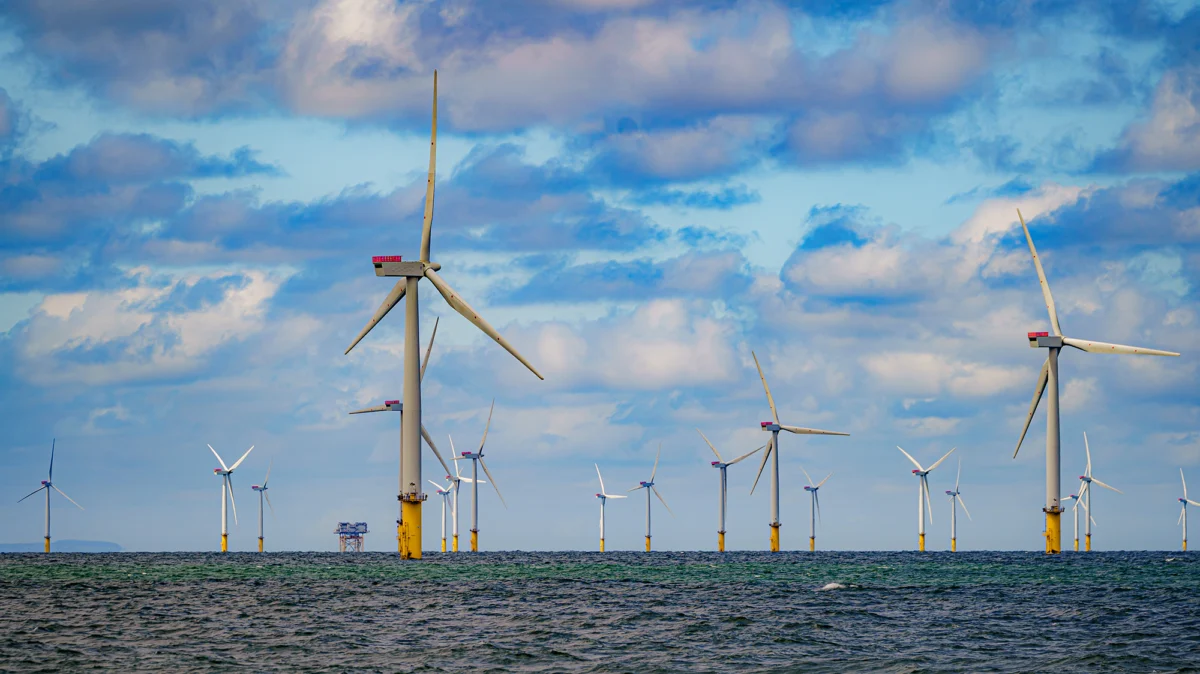
Under the terms of the agreement, RWE will relinquish its development rights off the coasts of New York, California, and Louisiana. These areas were originally designated for massive wind farms—projects intended to supply carbon-free electricity to millions of American homes. RWE, which had secured these leases with high hopes during the 2022 auction cycle, cited a lack of “a path forward” as the primary motivation for the withdrawal.
“After careful consideration, it was determined there is no path forward to permit these projects in the US for the foreseeable future,” the company stated in a press release.
The financial breakdown of the exit is stark:
- New York Lease: Originally purchased for $1.1 billion during the Biden-era auctions.
- Louisiana and California Leases: Acquired for a combined $163 million.
- Total Settlement Payout: $1.22 billion.
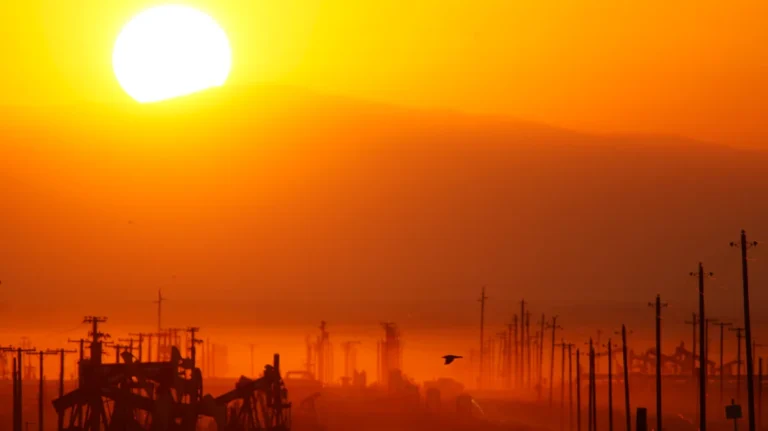
Rather than recouping these funds as pure profit, RWE has committed to reinvesting a significant portion of the settlement into fossil fuel projects. Specifically, $900 million is earmarked for a 16% stake in a Louisiana-based LNG terminal, while $300 million is allocated for the development of a pipeline of 15 natural gas peaker plants. These plants are designed to fire up quickly during periods of high demand, providing what the administration calls "dependable baseload power."
Chronology of a Policy Reversal
The dismantling of the offshore wind sector has been a methodical process, unfolding over several months. The timeline of this transition highlights the administration’s aggressive approach to prioritizing traditional energy sectors:
- 2022: RWE and other major international energy firms secure multi-billion dollar leases for offshore wind development, banking on long-term federal support for renewable infrastructure.
- Early 2026: The Trump administration begins a series of regulatory reviews that place unprecedented hurdles on wind project permitting, effectively creating a bottleneck that makes long-term project viability impossible.
- March 2026: The administration announces a $928 million deal to cancel TotalEnergies’ wind projects off the New York coast. This move triggers immediate litigation from seven states, led by New York Attorney General Letitia James.
- Summer 2026: The administration reaches a series of settlements with other energy majors, including Duke Energy, totaling $2.7 billion in payouts to halt projects.
- August 6, 2026: The RWE settlement is signed, solidifying the $4 billion figure for total payouts to terminate clean energy projects.
Supporting Data: The Cost of the Pivot
The financial implications of this policy shift extend far beyond the $4 billion price tag. Critics argue that the move is an inefficient use of public funds, particularly when weighed against the long-term economic and environmental benefits of wind energy.
Furthermore, the environmental record of the energy sectors receiving this capital injection is under intense scrutiny. A report released last autumn by the Environmental Integrity Project revealed that every fully operational LNG facility in the United States has violated federal pollution limits in recent years. These violations include the discharge of hazardous levels of zinc, oil, and bacteria into protected waterways, as well as systematic failures to report mandatory water quality data.
By shifting funding from wind to LNG, the federal government is not only ending potential carbon reductions but is also actively investing in infrastructure that has a documented history of environmental non-compliance.
Official Responses: Energy Security vs. Climate Ambition
The administration defends these moves as a pragmatic necessity for national energy security. Interior Secretary Doug Burgum, the primary architect of this transition, has been vocal about the necessity of prioritizing traditional, high-density energy sources.
“We welcome RWE’s agreement and voluntary investment in projects that strengthen our nation’s energy security, provide dependable baseload power, and help keep electricity affordable for hardworking Americans,” Burgum said in a statement on Thursday. He emphasized that the current global geopolitical climate—specifically the instability caused by the U.S. conflict with Iran—necessitates a robust, domestic supply of fossil fuels to buffer against rising global oil and gas prices.
Conversely, the environmental community and state-level officials view the administration’s actions as an illegal dismantling of established climate policy. Attorney General Letitia James has characterized these settlements as “sham deals” and “illegal agreements,” arguing that the administration is overstepping its executive authority to sabotage green energy transitions that were already legally sanctioned.
Implications for the Future
The consequences of this pivot will likely be felt for decades. By cancelling these projects, the United States is effectively losing the potential for thousands of megawatts of clean energy capacity.
1. Market Uncertainty
International investors are wary of the shifting regulatory landscape. When a government cancels signed, multi-billion-dollar leases, it creates a "sovereign risk" that may discourage foreign direct investment in U.S. infrastructure for years to come. The message sent to global firms is that long-term contracts are subject to the political whims of the current administration.
2. The Economic Burden on Consumers
While Secretary Burgum argues that these moves will keep electricity prices "affordable," critics contend the opposite. As the U.S. leans into fossil fuels, the nation becomes more susceptible to global commodity price shocks. With the ongoing war in the Strait of Hormuz driving up fuel prices, the move toward natural gas—a commodity traded on volatile global markets—could lead to higher, not lower, utility bills for the average American household.
3. Environmental and Regulatory Rollbacks
The federal government is not stopping at project cancellations. There is a concerted effort to slash public input periods for drilling projects on federal lands. Furthermore, by shifting financial risks of site cleanup and environmental remediation onto taxpayers, the administration is potentially creating a massive "stranded asset" problem for future generations to manage.
4. A New Energy Paradigm
The era of the "Great Pivot" suggests a return to a 20th-century energy model. By abandoning the nascent offshore wind industry—which had the potential to be a major economic engine for coastal states—the administration is betting everything on the continued dominance of natural gas and coal. Whether this gamble results in the energy independence promised by the Interior Department or leaves the U.S. behind in the global race for renewable dominance remains to be seen.
As the legal battles continue to mount in federal courts, one thing is certain: the $4 billion spent to end the offshore wind era marks one of the most significant—and controversial—industrial shifts in modern American history. For now, the turbines that were intended to rise from the Atlantic and Pacific remain blueprints in a drawer, and the sea remains silent.
About the Author