As the race to achieve artificial intelligence supremacy intensifies, the physical infrastructure required to sustain the computational load is sparking an environmental crisis. In the high-desert landscape of Pecos County, Texas, Amazon is currently spearheading a project that has drawn sharp condemnation from climate scientists and policy analysts alike. According to recent reporting by The New York Times, the tech giant is moving forward with plans for a massive data center complex supported by an on-site natural gas power plant. If brought to fruition at its permitted capacity, this facility could emerge as the single largest source of industrial climate pollution in the United States.
The revelation underscores a deepening contradiction within the tech sector: as companies scramble to meet the immense energy demands of generative AI, their climate goals are increasingly taking a backseat to the relentless need for power.
The Facts: A Colossus of Carbon
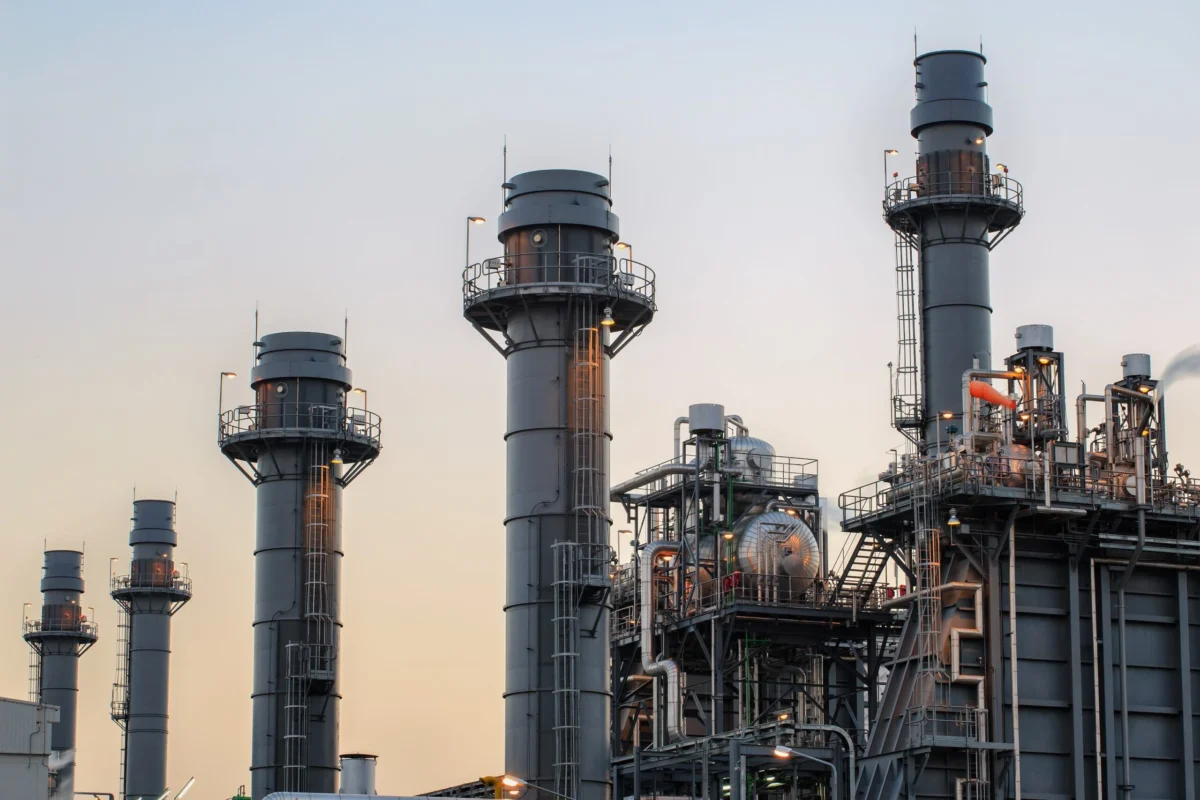
The proposed facility in Pecos County represents a staggering scale of industrial activity. While data centers are typically connected to existing regional power grids, the sheer density of AI processing requires consistent, high-voltage energy that many local grids struggle to provide. Amazon’s solution—an on-site, natural-gas-fired power plant—is permitted to emit a staggering 33 million tons of carbon dioxide annually.
To put that figure into perspective, 33 million tons of CO2 exceeds the annual emissions of the largest coal-fired power plants currently operating in the U.S. This facility would effectively operate as a private utility, decoupling the tech giant’s operations from the public grid’s transition toward renewables. For a company that has built its brand on “The Climate Pledge”—a promise to reach net-zero carbon emissions by 2040—the Pecos County project represents a significant, and perhaps insurmountable, hurdle.
A Chronology of the Tech-Climate Collision
The journey toward this environmental flashpoint was not sudden; it is the culmination of years of exponential growth in the AI sector and a shift in corporate energy strategy.
- 2019: The Climate Pledge: Amazon co-founded The Climate Pledge, committing to reach net-zero carbon across its business by 2040, a decade ahead of the Paris Agreement’s targets. At the time, the focus was largely on logistics, packaging, and renewable energy procurement for warehouses.
- 2022–2023: The Generative AI Boom: The public launch of advanced large language models created an unprecedented demand for compute power. Amazon, alongside rivals like Google and Microsoft, pivoted their business strategies to prioritize AI infrastructure.
- April 2026: Reports begin to surface regarding the tech industry’s pivot toward "behind-the-meter" natural gas plants. These facilities allow companies to bypass grid constraints but come with significant climate costs.
- July 2026: Amazon reports a 16% increase in carbon emissions year-over-year, citing the energy-intensive nature of AI infrastructure as the primary driver.
- August 2026: The full scope of the Pecos County project is disclosed, triggering immediate backlash from environmental advocacy groups and regional policymakers concerned about the state’s energy stability.
Supporting Data: The Cost of Intelligence
The environmental impact of this project cannot be viewed in a vacuum. It is part of a broader trend where tech companies, desperate for power, are turning to fossil fuels to ensure the "uptime" required by enterprise-grade AI.
The Energy-Emission Feedback Loop
According to recent industry analysis, the energy consumption of a single AI query is orders of magnitude higher than a standard web search. As these models become more complex, the hardware required—specifically Nvidia H100 and Blackwell GPUs—generates massive heat and requires constant cooling.
Data from the past fiscal year shows a clear correlation:
- Carbon Intensity: Amazon’s carbon emissions are trending in the wrong direction, rising 16% last year despite a massive portfolio of solar and wind investments.
- The Grid Burden: In regions like Texas, where the grid is already stressed by extreme weather events, the addition of massive, private power plants raises concerns about the privatization of natural resources and the potential for increased electricity costs for local residents.
- Political Pushback: Across the U.S., states are beginning to reconsider the proliferation of data centers. New York, for instance, has already moved to halt the construction of new data centers that cannot demonstrate a clear path to carbon neutrality.
Official Responses: The Corporate Balancing Act
Amazon’s response to the criticism has been a study in corporate messaging. A company spokesperson, when pressed on the environmental impact of the Texas site, framed the project as a benefit to the local infrastructure rather than a climate threat.
“The data center will be powered by new on-site generation that won’t raise electricity costs for Texas families,” the spokesperson stated. The argument suggests that by building their own power source, Amazon is avoiding the strain on the state’s public energy grid that would otherwise result from such a massive industrial draw.
However, when confronted with the reality of their 2040 climate commitment, the response was more nuanced. “The world looks different now than when we co-founded the climate pledge,” the spokesperson acknowledged, noting that the rapid acceleration of AI technology has forced a reassessment of energy procurement. Despite this, the company maintains that: “Our commitment hasn’t changed.”
This defensive posture highlights the tension between fiduciary responsibility—keeping the AI systems running at all costs to remain competitive—and the moral weight of a public climate commitment.
Implications: A New Era for Corporate Responsibility
The Pecos County project is not just a single data center; it is a bellwether for the future of the internet. As AI becomes the bedrock of modern industry, the environmental cost of "the cloud" is becoming physically tangible.
1. The Death of Net-Zero?
If major tech corporations continue to build fossil-fuel-burning power plants to sustain their operations, the goal of net-zero emissions will likely become impossible. The sheer scale of the power required for AI dwarfs the emission-reduction gains made through efficiency improvements in logistics and shipping.
2. The Privatization of Power
The shift toward on-site power plants suggests a future where tech giants operate as autonomous energy actors. This could lead to a fragmented energy landscape where corporations are less reliant on—and therefore less accountable to—the green energy transitions of the public utility grids they inhabit.
3. The Regulatory Reckoning
The Pecos County project is likely to serve as a catalyst for federal and state-level regulation. If the private sector is unwilling to self-regulate its energy footprint, lawmakers may intervene. We may soon see mandates requiring data centers to operate only on 24/7 carbon-free energy, or carbon taxes that make on-site natural gas plants economically unviable.
4. Public Trust and Brand Equity
Amazon, which has long marketed itself as an industry leader in sustainability, risks alienating a growing segment of its consumer base that prioritizes environmental responsibility. The "16% increase" in emissions is a warning sign; if that number continues to climb, the public perception of AI as a "green" technology will rapidly erode.
Conclusion: The Choice Ahead
The story of the Pecos County data center is the story of the modern tech age. It is a collision between the infinite promise of artificial intelligence and the finite resources of the planet. As Amazon moves forward with its Texas ambitions, it must reconcile its role as a global technology leader with its responsibility as a steward of the environment.
The path forward is narrow. To meet its climate goals, Amazon and its peers must either find a way to power AI with true, carbon-free energy—such as advanced geothermal, nuclear, or long-duration battery storage—or face the reality that their current growth trajectory is fundamentally incompatible with the survival of the climate pledges they have made. As the world watches the Texas project develop, the message is clear: the energy cost of the future will be paid by the environment, unless the tech industry chooses a different path.
About the Author