In the landscape of modern urban architecture, the most precious commodity is no longer gold or land—it is square footage. As global urbanization trends force residents into increasingly smaller, more expensive living environments, architects and designers are tasked with the "impossible" challenge of making compact spaces feel expansive. Among the innovators rising to this challenge is the French engineering firm Manufactura, a company that has successfully reimagined the humble spiral staircase, transforming it from a permanent structural footprint into a dynamic, retractable piece of mechanical art.
Main Facts: Redefining Structural Utility
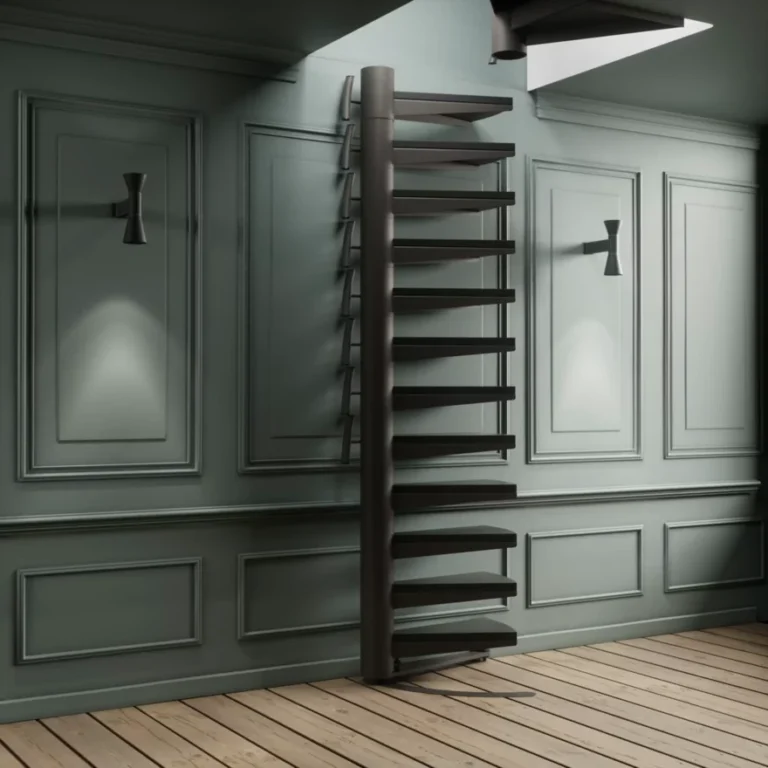
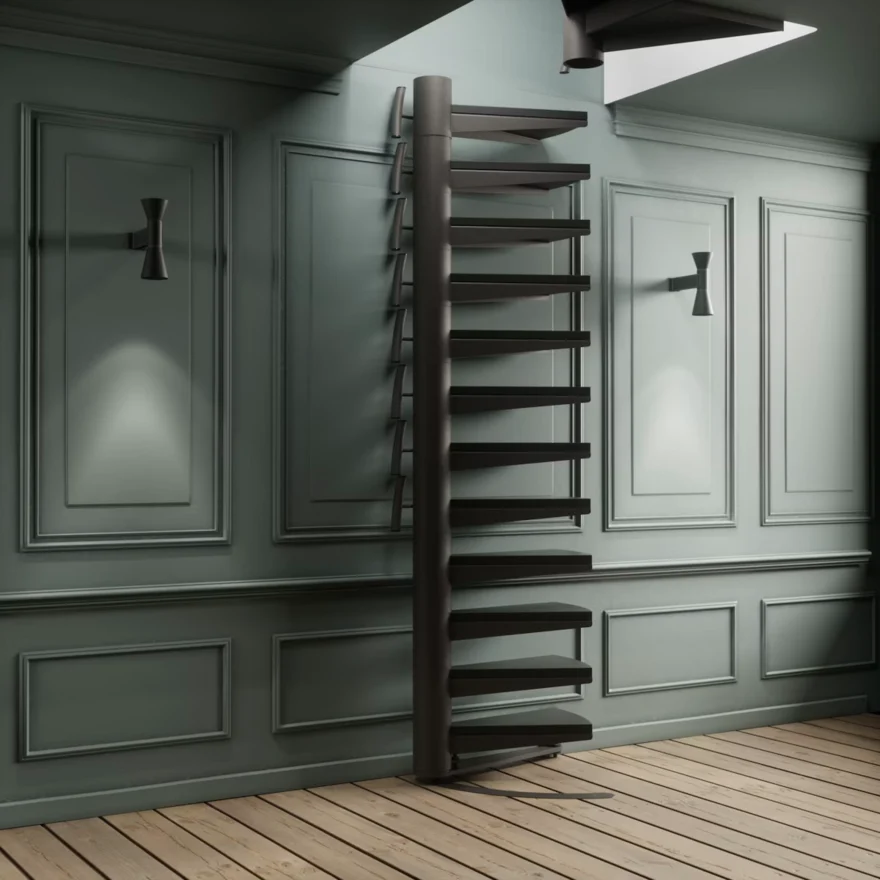
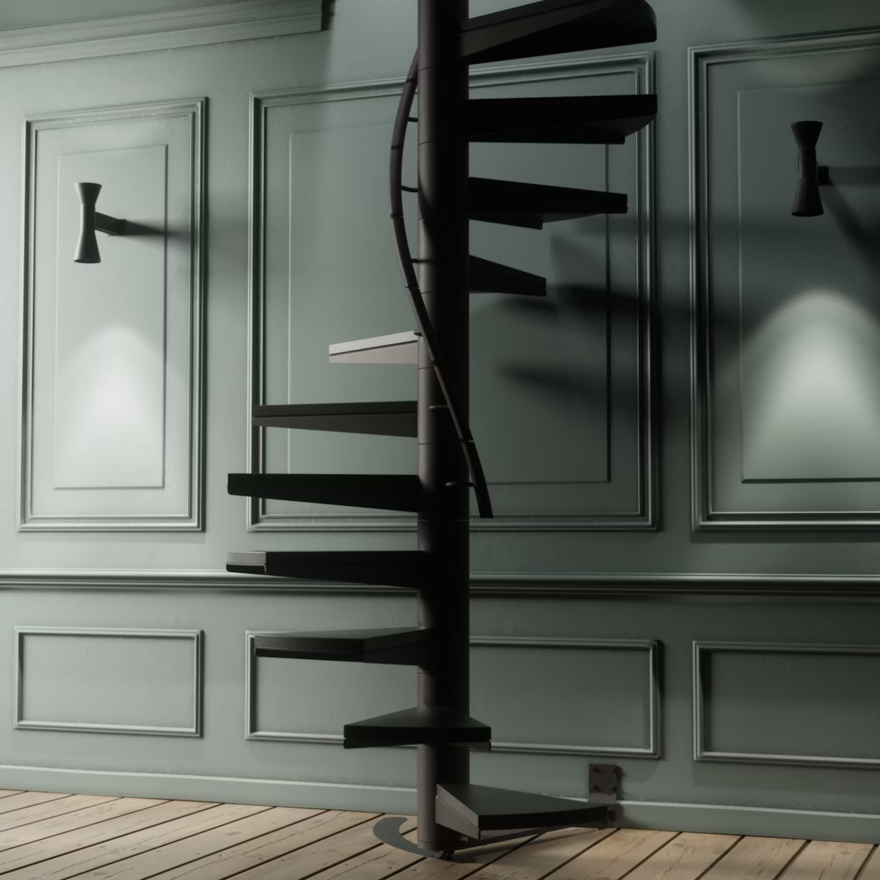
At its core, Manufactura’s design is a patented, custom-engineered spiral staircase that solves a perennial headache for apartment dwellers and architects alike: the "dead space" occupied by vertical circulation.
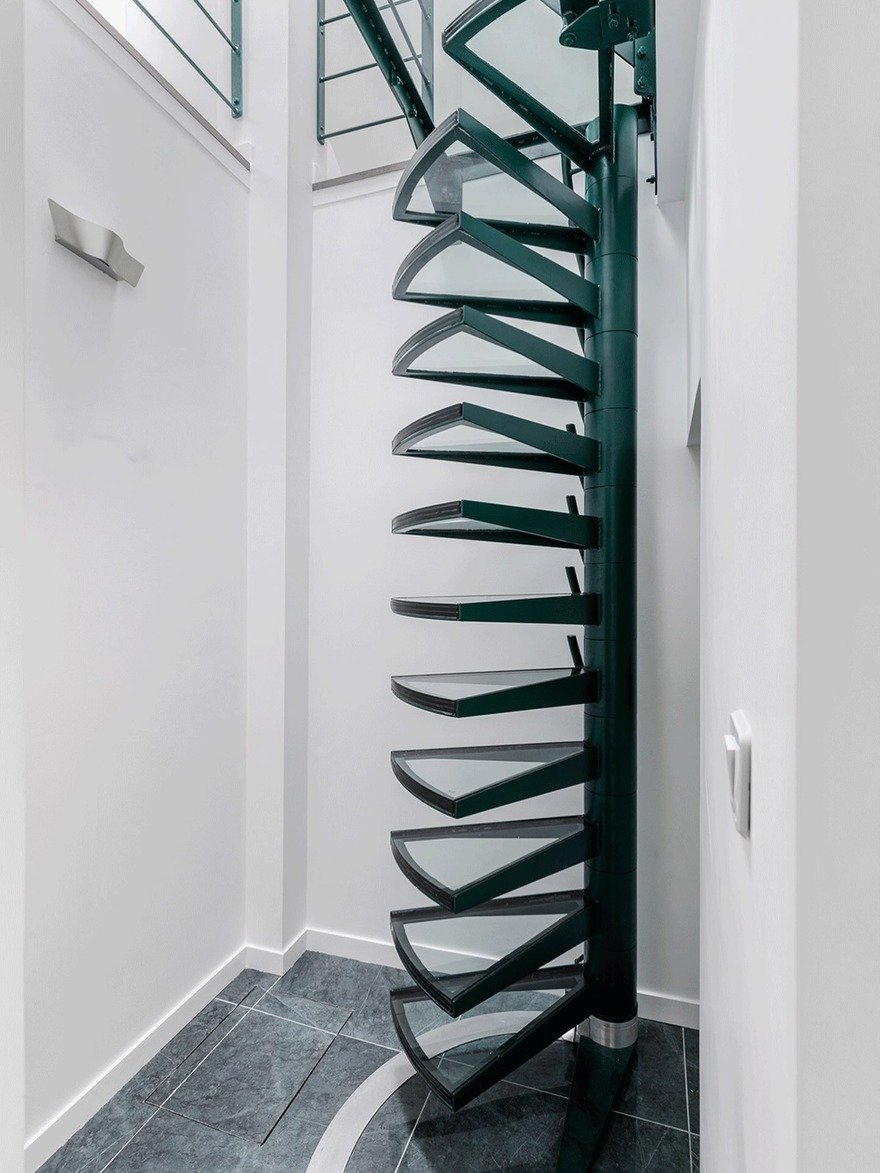
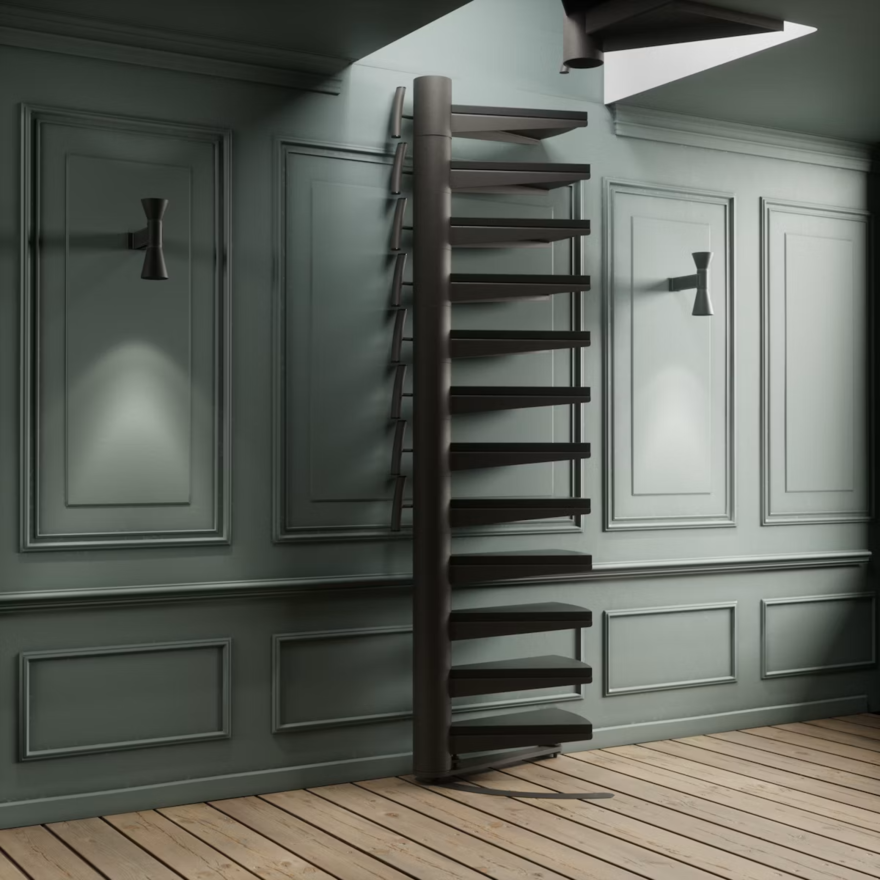
Traditionally, a staircase—spiral or otherwise—is a fixed element. It consumes a significant portion of a floor plan, rendering the area beneath and around it largely inaccessible or unusable for other purposes. Manufactura has flipped this paradigm. By engineering a system that unfolds and retracts in mere seconds, the company allows for the full reclamation of floor space.
Key features of the Manufactura system include:
- Rapid Deployment: The staircase is designed for intuitive, swift operation, allowing users to transition between levels without heavy manual labor.
- Customization: No two homes are identical. Every staircase is bespoke, tailored to the ceiling height, floor aperture, and aesthetic requirements of the specific site.
- Spatial Versatility: By retracting the staircase, homeowners can clear the stairwell entirely. This is not just a convenience; it is a functional necessity for tasks like moving large furniture into a basement or attic—a feat often impossible with traditional fixed spiral stairs.
- Patented Technology: The mechanism is protected by a design patent, ensuring that the proprietary balance of gravity, tension, and structural integrity remains unique to the French manufacturer.
Chronology: The Evolution of Space-Saving Design
The history of residential stairs is one of stagnation. For centuries, the spiral staircase has remained relatively unchanged, prized for its small footprint but criticized for its rigidity. The journey to the modern retractable staircase began with the need to solve the specific constraints of historic European architecture.
Early 2000s: The Rise of Micro-Living
As real estate prices in cities like Paris, Lyon, and Marseille surged, developers began converting commercial rooftops and basement storage units into high-end residential studios. The primary design bottleneck was the staircase. Fixed stairs were often too large for these "nooks," while ladders were deemed unsafe or visually unappealing for permanent residences.
Mid-2010s: Prototype Development
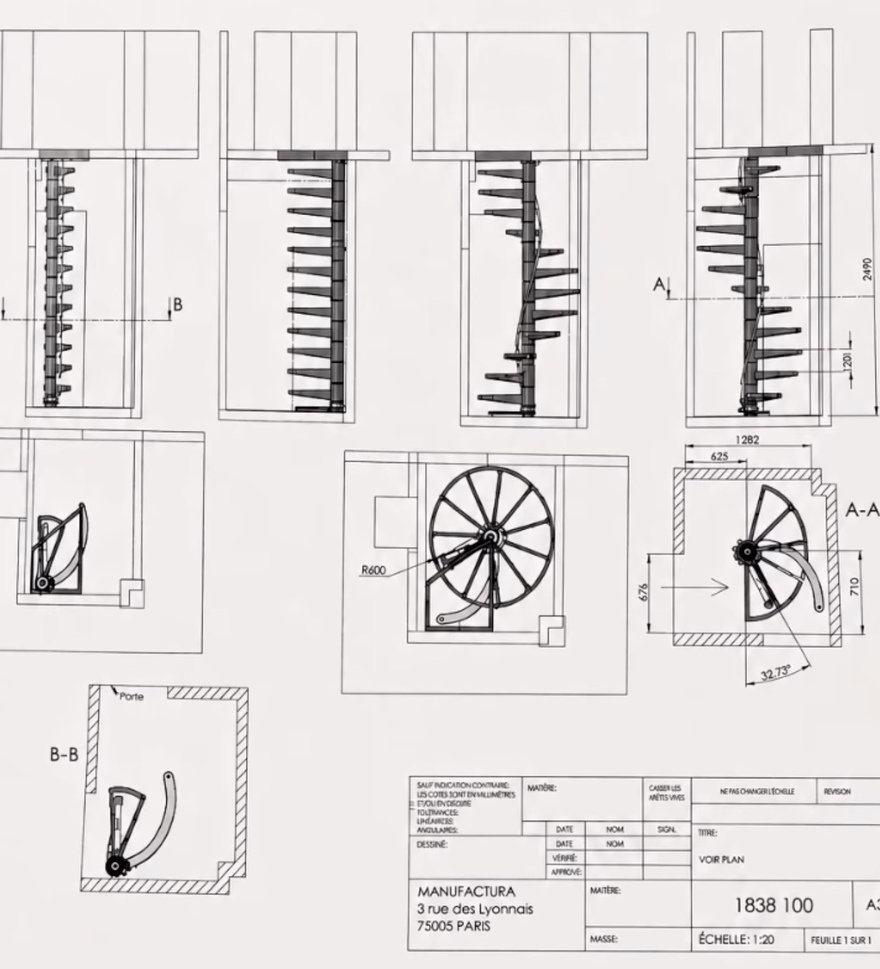
Manufactura began its research into kinetic architecture, focusing on the intersection of industrial design and home comfort. The engineering team spent years testing materials—balancing the need for lightweight alloys with the high load-bearing requirements dictated by building codes.
Late 2010s to Present: Market Entry and Patenting
Following successful pilot installations in cramped urban apartments, the design was refined for safety and aesthetics. Upon receiving their patent, Manufactura transitioned from a bespoke workshop to a specialized provider for architects and interior designers, focusing on projects where every square centimeter dictates the market value of the property.
Supporting Data: The Economics of Compact Architecture
To understand the significance of Manufactura’s invention, one must look at the math of modern interior design. In a standard 30-square-meter studio, a traditional spiral staircase occupies approximately 2 to 3 square meters of floor space.
While that may seem small, in a micro-apartment, 3 square meters can represent 10% of the total living area. When the staircase is retracted, that 10% is returned to the user. This "liberated space" can be used for:
- Dining/Work Areas: Placing a table or desk directly under the stairwell.
- Storage Solutions: Installing cabinets that would otherwise be blocked by the structural path of the stairs.
- Increased Mobility: During the moving of furniture, the stairwell becomes a void that facilitates the passage of bulky items, which would otherwise require cranes or external rigging.
From an economic perspective, the "return on investment" (ROI) for such a staircase is found in property valuation. A home that feels larger, more flexible, and more modern commands a higher price per square foot. Manufactura’s design is therefore not just a piece of furniture; it is a value-add component for real estate development.
Official Responses and Engineering Philosophy
In interviews regarding their design philosophy, representatives from Manufactura emphasize that they do not view themselves as simply "stair makers." Instead, they identify as "spatial architects."
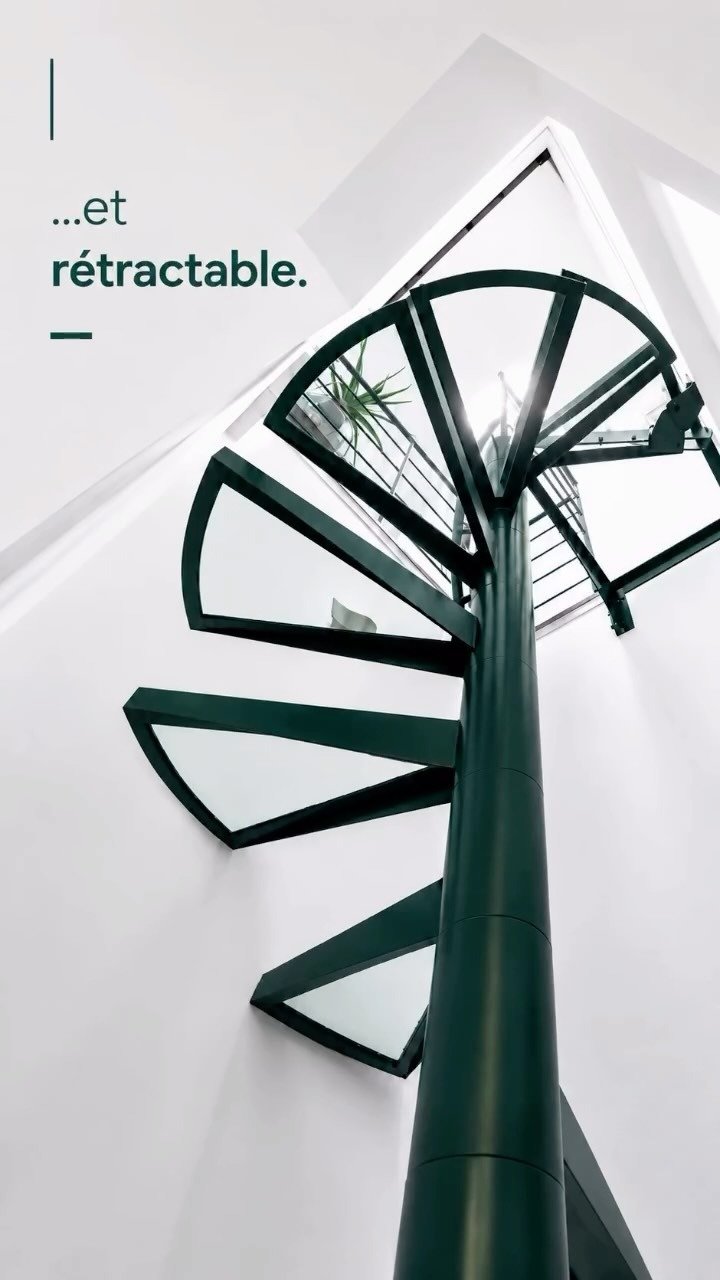
"Our staircase allows you to access all the living spaces that your accommodation offers, even the most cramped ones," a company spokesperson stated. "The goal was never just to create a way to go up and down. The goal was to remove the obstacle of the staircase itself. By treating the staircase as a kinetic object rather than a permanent fixture, we empower the inhabitant to curate their environment based on the time of day and the specific task at hand."
Engineers at the firm highlight that safety was the paramount concern during the development phase. Retractable mechanisms often suffer from mechanical fatigue or instability. Manufactura’s patented design utilizes a weight-distributed system that ensures the staircase remains rigid and vibration-free when fully extended, adhering to stringent European safety standards for residential access.
Implications: The Future of Urban Living
The impact of Manufactura’s design extends far beyond individual apartment owners. It speaks to a broader shift in how we conceive of "home."
1. Adaptive Reuse of "Lost" Spaces
There are millions of attic spaces, basements, and mezzanine-level voids currently sitting empty in urban centers worldwide. These spaces are often ignored because the cost of installing traditional code-compliant stairs is too high, or the stairs would consume too much usable floor area. Manufactura’s retractable solution provides a viable path for developers to convert these "dead" zones into high-value living quarters.
2. The Psychology of Flexible Design
There is a profound psychological benefit to a space that can transform. When a staircase retracts, the room changes its geometry. The ability to shift the function of a room—from a living area to a circulation path and back again—provides a sense of control and openness that is essential for mental well-being in small-footprint living.
3. Sustainability and Material Efficiency
By designing a staircase that is efficient in its footprint, Manufactura is also advocating for a more sustainable model of construction. Instead of expanding the footprint of a building to gain more room, their design encourages the better utilization of existing structures. This is the cornerstone of sustainable urbanism: building less by doing more with what already exists.
Conclusion: A Step Toward the Future
As we look toward the future of architecture, the integration of kinetic, adaptive elements will become increasingly standard. Manufactura has successfully demonstrated that the line between "furniture" and "architecture" is becoming blurred. Their retractable spiral staircase is more than just a means of vertical transport; it is a sophisticated solution to the constraints of our time.
By merging precision engineering with a deep understanding of human spatial needs, Manufactura has provided a blueprint for how we might live in the cities of tomorrow. In a world where space is at a premium, the ability to make a staircase disappear—and reappear exactly when needed—is not just a clever trick. It is a fundamental advancement in the art of living well within our means. Whether for the urban professional in a compact studio or the homeowner looking to maximize a historic loft, the future of the staircase is, quite literally, moving.
About the Author