The U.S. logistics landscape faces a seismic shift following a recent mandate from the Federal Communications Commission (FCC) that effectively bans the sale of certain foreign-produced "advanced robotic devices." While framed by the White House as a critical national security measure intended to bolster domestic manufacturing, the policy has sent shockwaves through the supply chain industry. Analysts warn that the broad definition of the prohibited technology could unintentionally throttle the very automation systems that keep American warehouses, distribution centers, and e-commerce hubs operational.
The Scope of the Mandate: Defining “Advanced Robotic Devices”
The FCC’s directive, which stems from recommendations made by a White House-convened interagency body, targets a wide spectrum of technology under the umbrella of "advanced robotic devices." To the casual observer, the term might suggest sophisticated, humanoid robots straight out of science fiction. However, the regulatory language is far more encompassing.
Under the new rule, a prohibited device is defined as any mobile, ground-based system that:
- Weighs more than 4.4 pounds (including docks or ground stations).
- Utilizes sensors for perception or navigation.
- Features network connectivity exceeding 200 kbps.
- Operates autonomously or semi-autonomously away from direct human control.
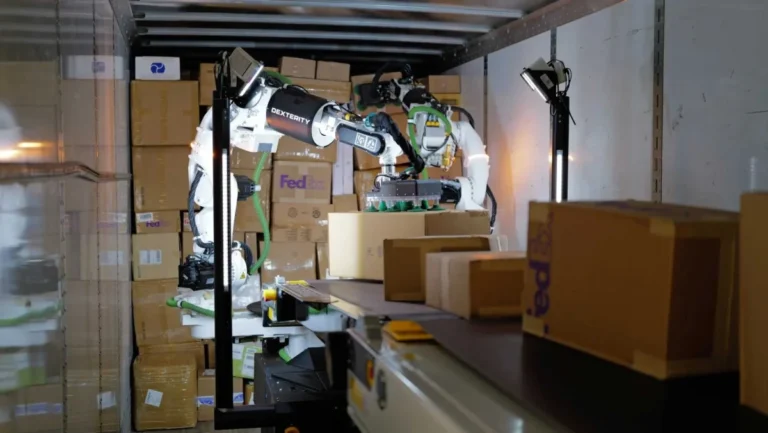
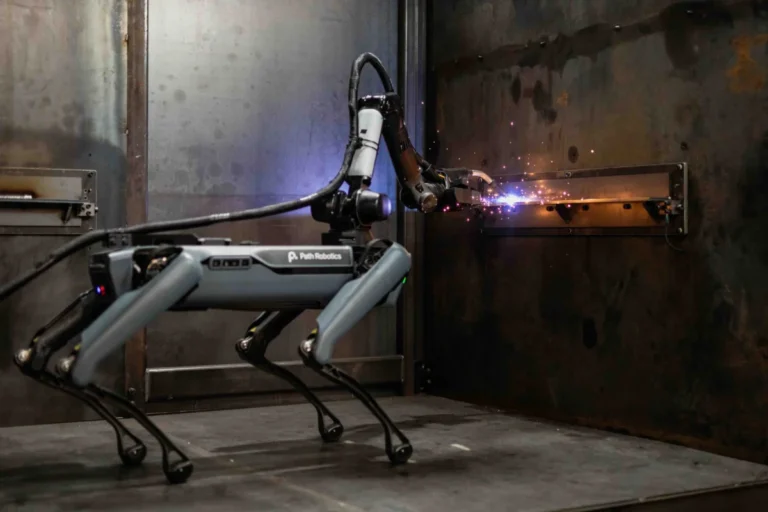
This definition explicitly includes quadrupeds, humanoids, and—crucially for the logistics sector—wheeled or tracked ground vehicles. By these metrics, the automated guided vehicles (AGVs) and autonomous mobile robots (AMRs) that have become the backbone of modern order fulfillment, sortation, and goods-to-person systems are now effectively caught in the crosshairs of federal trade and security policy.
Chronology of the Policy Shift
The road to this ban was paved by increasing scrutiny over the "Internet of Things" (IoT) and the integration of foreign-made hardware into American critical infrastructure.
- Early 2024: Discussions within the Executive Branch intensified regarding the potential for "backdoor" surveillance and cyber vulnerabilities within robotic systems deployed in sensitive industrial environments.
- The Interagency Review: A specialized interagency body, drawing on expertise from the Department of Homeland Security and the Department of Defense, conducted an assessment of the robotics supply chain. The conclusion was that reliance on foreign-produced hardware created unacceptable risks to U.S. economic security.
- The Tuesday Announcement: The FCC formally announced the addition of these devices to its "Covered List." The agency framed the decision as a preemptive strike against supply chain disruptions and cybersecurity threats.
- Current Status: The policy is currently in a state of "enforcement uncertainty." While the rule is active, industry players are scrambling to interpret the fine print, leading to a de facto pause in procurement cycles for many logistics firms.
The National Security Rationale: A Fortress Approach
The FCC’s justification for the ban is rooted in the belief that modern robots are more than mere labor-saving tools; they are mobile data-collection platforms. Because these robots rely on sophisticated software to navigate environments, interact with humans, and transmit inventory data, the government posits that foreign-made models could be exploited to map facility layouts, track trade volumes, or disrupt the flow of goods during a period of geopolitical tension.
"The objective is to foster a secure domestic advanced robotics supply chain," an agency spokesperson noted. By limiting the influx of foreign hardware, the administration hopes to create a market vacuum that domestic manufacturers—currently struggling to compete with lower-cost international alternatives—can fill. The long-term goal is to transition the U.S. toward an "industrial base" that is entirely transparent in its software, hardware, and assembly origins.
Market Implications: The View from Interact Analysis
Technology analyst firm Interact Analysis has been among the first to sound the alarm on the potential for market disruption. According to their latest white paper, the lack of explicit naming of AMRs and AGVs in the text of the order has created a "gray zone" that is paralyzing capital expenditure (CapEx) decisions.
"System integrators and automation vendors are currently caught in a holding pattern," the report states. "Without clear guidance on what constitutes a ‘new’ model versus a ‘legacy’ system, companies are hesitant to sign contracts for large-scale automation projects."
The economic ripple effect is significant. Logistics automation is not a plug-and-play industry. It involves years of planning, site mapping, and software integration. If a company begins a project with one vendor only to have that vendor’s hardware classified as "foreign-produced" and subsequently banned, the cost of switching providers can run into the millions of dollars.
Examining the Exemptions and Limitations
The FCC has attempted to mitigate the shock to existing operations by grandfathering in currently owned equipment. Users who already possess these devices are not required to scrap them, and retailers are permitted to sell off existing inventory that was previously cleared for import.
However, industry experts point out that this "grandfathering" is a temporary reprieve. Logistics robots are rarely static assets; they require frequent firmware updates, software patches, and hardware replacements for worn-out sensors. If a robot requires a major "next-generation" hardware upgrade to remain compatible with a facility’s warehouse management system (WMS), does that constitute a "new" purchase under the FCC rules? The regulation remains silent on this, creating a massive liability for any firm currently operating a fleet of foreign-made robots.
Unanswered Questions: The Industry’s Plea for Clarity
As the logistics sector attempts to digest the new mandate, a chorus of vendors and integrators is seeking clarity from the FCC on three primary fronts:
1. The "Foreign-Produced" Threshold
Is a robot "foreign-produced" if it is designed in the U.S. but assembled in a foreign country? Or does it refer to the origin of the core intellectual property and circuit board manufacturing? The industry needs a "rules of origin" framework similar to those used in the automotive sector to understand if their supply chains remain compliant.
2. The "New Model" Definition
How much modification is required to turn an existing, legal model into an illegal, new one? If a manufacturer updates a navigation sensor, is the entire unit now prohibited? This ambiguity risks stifling innovation, as companies may become afraid to improve their products for fear of violating federal trade mandates.
3. The Scope of Fixed Automation
While the rule focuses on mobile ground-based devices, the integration of mobile components into fixed systems—such as Automated Storage and Retrieval Systems (AS/RS)—is common. Integrators are worried that a broad interpretation could lead to the banning of modular warehouse systems that happen to have a mobile component, even if the system as a whole is largely stationary.
The Long-Term Outlook: Balancing Security and Scalability
The tension between national security and economic efficiency is a hallmark of 21st-century industrial policy. While the goal of securing the robotics supply chain is arguably a prudent strategic move for a nation increasingly dependent on automated logistics, the execution of the FCC’s policy has left the logistics industry in a state of high-stakes limbo.
For the American warehouse operator, the path forward is fraught with risk. Companies may be forced to pay a premium for "domestic-only" hardware, which could lead to increased costs for the end consumer. Alternatively, they may face a slower, more fragmented transition to automation as they wait for clarity.
Ultimately, the success of this policy will depend on the FCC’s ability to provide granular, actionable guidance. Without a clear roadmap that distinguishes between truly high-risk surveillance-capable hardware and standard, non-sensitive industrial equipment, the U.S. risks creating a self-inflicted supply chain bottleneck—one that could prove far more damaging to the economy than the threats the policy was designed to prevent.
As the industry waits for the next wave of guidance, one thing is certain: the era of frictionless global procurement for robotics has effectively ended. The future of logistics will be defined by compliance, provenance, and a new, heightened level of scrutiny that extends from the warehouse floor all the way to the executive branch.
About the Author