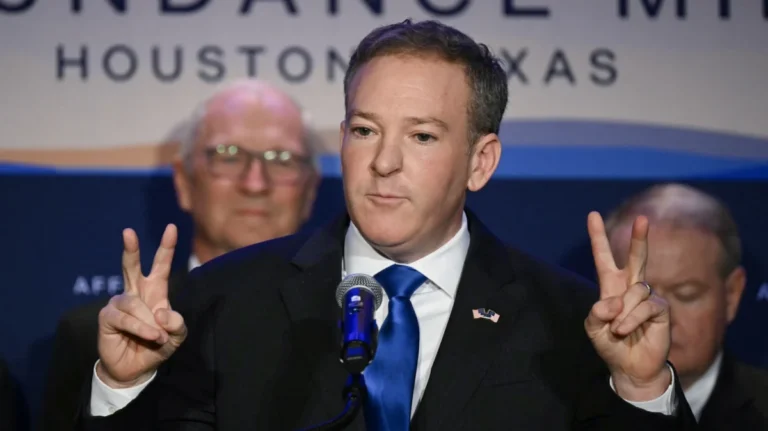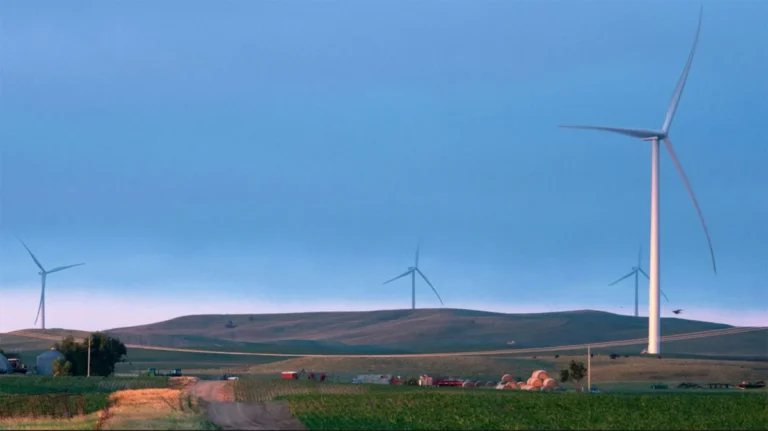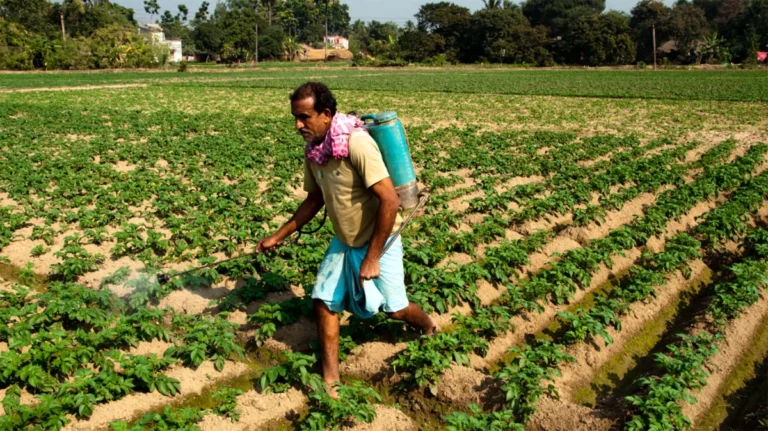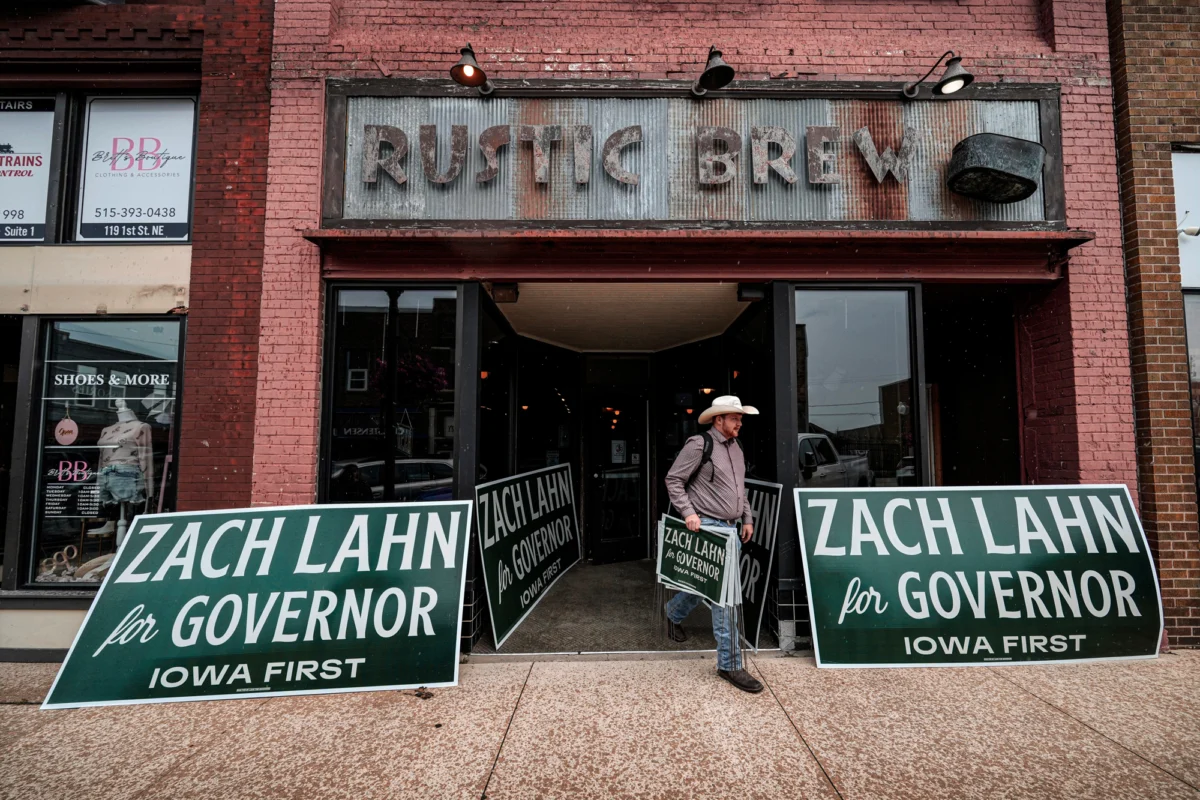
In the heart of the American Corn Belt, a political experiment is unfolding that threatens to upend the traditional Republican coalition. Zach Lahn, a newcomer to electoral politics and a self-styled champion of the “Make America Healthy Again” (MAHA) movement, has surged to the forefront of Iowa’s gubernatorial race. By blending aggressive anti-corporate rhetoric with the wellness-focused anxieties of a post-pandemic electorate, Lahn has carved out a path that defies conventional party boundaries, successfully challenging long-term incumbents and demanding a reckoning for the agribusiness giants that dominate the Midwest.
However, as the midterm elections approach, the alliance between the MAHA movement and the broader MAGA establishment is showing signs of deep structural strain. While Lahn’s rise serves as a potent case study for the potency of food-safety populism, it also raises uncomfortable questions about the sincerity of his conversion from a Koch-affiliated political operative to an anti-monopoly crusader.
The Genesis of an Unlikely Crusader
The political trajectory of Zach Lahn is marked by radical shifts. Before his current incarnation as a “crunchy” populist farmer, Lahn was a formidable presence in the machinery of hard-right, establishment Republicanism. His early career was defined by his work with Americans for Prosperity (AFP), the flagship advocacy group funded by the Koch family. During his tenure as the director of the Montana branch of AFP, Lahn was a key architect of efforts to derail the state’s Medicaid expansion, employing the very same aggressive, bare-knuckle political tactics he now claims to despise in his opponents.

His transition to the Iowa gubernatorial stage began in earnest after a series of personal and professional reorientations. Following his divorce and subsequent marriage to Annie Koch—a scion of the influential Koch family—Lahn relocated to the family farm in Belle Plaine, Iowa. By 2025, he had aligned himself with the burgeoning MAHA movement, meeting with Robert F. Kennedy Jr. and positioning himself as the movement’s breakout electoral star. His primary victory over incumbent Rep. Randy Feenstra, who held the backing of Donald Trump at the time, signaled that the MAHA base had developed the power to act as an independent political force, capable of bypassing traditional party endorsements.
A Chronology of the MAHA-MAGA Friction
The rise of the MAHA platform has not been without turbulence. The movement’s initial growth was fueled by a profound distrust of federal regulatory agencies, which many activists believe have been "captured" by the industries they are tasked with overseeing.
- February 2026: Lahn appears on the Shawn Ryan Show and Tucker Carlson’s podcast, framing his platform around the dangers of glyphosate—the active ingredient in Roundup—and the necessity of breaking up agricultural "cartels."
- June 2026: Lahn secures a shocking victory in the Republican primary, emboldening MAHA-backed candidates across the country.
- Summer 2026: The friction between MAHA’s agenda and the Trump administration’s policies becomes public. Despite the rhetoric of “MAHA moms” within the administration, federal agencies continue to protect the use of glyphosate, with the Supreme Court reinforcing federal immunity for manufacturers like Bayer.
- August 2026: Tensions peak as agricultural communities feel the bite of rising fertilizer costs and the impact of ongoing international conflicts on trade, leading to vocal dissatisfaction with the status quo.
The Anatomy of the Agricultural Crisis
To understand the appeal of Lahn’s platform, one must look at the data governing the Iowa landscape. The state is currently facing a dual crisis of economic consolidation and environmental degradation. According to the Iowa Farmers Union, the average farmer now retains less than 15 cents of every dollar consumers pay at the grocery store. This economic squeeze is exacerbated by the fact that just four companies control 75 percent of the national fertilizer market, creating a bottleneck that dictates the survival of the small-scale operator.

The environmental cost is equally dire. The University of Iowa has identified the state as one of the most heavily modified ecosystems on the planet. The ubiquity of high-nitrogen fertilizers and pesticides has resulted in contaminated groundwater across the majority of the state. Most alarmingly, Iowa now records the nation’s second-highest cancer rate, and it is one of the only three states where that rate is trending upward. For the rural Iowan, these aren’t abstract statistics—they are the reality of living in a landscape where the primary industries are perceived as prioritized over public health.
Official Responses and Political Maneuvering
The political establishment has reacted to Lahn with a mix of alarm and calculated adaptation. Democrats, led by candidate Rob Sand, find themselves in a precarious position. While they are eager to capitalize on Lahn’s vulnerabilities—including his residency status and his past ties to the Koch family—they must also compete with his effective co-option of issues like water quality and corporate accountability.
The Republican Party, meanwhile, has moved to consolidate the base. The Republican Governors Association, recognizing the electoral threat posed by a splintered right, has funneled millions into Lahn’s campaign. Even Donald Trump, despite Lahn’s primary win against a Trump-endorsed incumbent, has since pivoted to endorse Lahn as a "patriot," signaling a desire to keep the MAHA faction within the larger MAGA tent.

However, the "Big Ag" lobby remains a formidable antagonist. With $224 million in lobbying expenditures last year alone, the industry has successfully maintained its regulatory protections. For activists like Kelly “Glyphosate Girl” Ryerson, the fight is against a machine that seems immune to local political shifts. “The machine we’re up against is just so big,” Ryerson notes, reflecting the frustration of a movement that has won elections but has yet to win systemic policy changes.
Implications for the Future of Populism
The Lahn candidacy represents a profound shift in the American political landscape. It highlights a growing "health-populism" that transcends the traditional left-right divide. By framing food policy as a matter of national security and bodily autonomy, the MAHA movement has successfully tapped into a deep, visceral vein of voter anger that neither party has adequately addressed.
Yet, the implications for the future are complex. If Lahn’s "transformation" is indeed a political calculation, his eventual governance may mirror the very establishment structures he currently rails against. Critics point to his continued ties to the Koch family and his embrace of socially conservative, anti-science rhetoric—such as his vow to remove mRNA vaccines from the market—as evidence that his populist platform is a thin veneer for a more standard, albeit aggressive, right-wing agenda.

Furthermore, the reliance on MAHA’s "swing voters" suggests that the upcoming midterms will hinge on whether this new coalition can maintain its ideological purity. If the movement fails to deliver on its promises to break up monopolies or improve water quality, the disillusionment may be swift.
Ultimately, the Iowa gubernatorial race serves as a bellwether. It asks whether a candidate can effectively bridge the gap between the rural, agricultural anxieties of the working class and the high-level, corporate-driven policies of the political elite. Whether Zach Lahn is the architect of a new, healthier political future or simply another skilled operative navigating the shifting winds of populist outrage, his campaign has undoubtedly changed the conversation. In the cornfields of Iowa, the divide between those who profit from the current system and those who bear its physical costs has never been more visible—or more dangerous to the political status quo.
About the Author