As the U.S. retail sector prepares for the critical holiday shopping season, shippers and e-commerce businesses are facing a tightening financial landscape. The U.S. Postal Service (USPS) announced on Tuesday its proposal to implement temporary surcharges on domestic package deliveries. This move, intended to offset the ballooning costs of handling the massive influx of holiday volume, brings the quasi-governmental agency in line with private-sector giants FedEx and UPS, both of which have long utilized peak season premiums as a standard component of their annual pricing strategies.
The Proposal: A New Baseline for Peak Season Costs
The USPS proposal outlines a 6% rate increase across several core services, including Priority Mail, Priority Mail Express, Ground Advantage, and Parcel Select. These surcharges are slated to take effect on October 4 and will remain in place through January 17, 2027. This represents a notable uptick from the previous year’s holiday season, where surcharges ranged between 4% and 5%, depending on the specific product and service tier.
According to the Postal Service, these temporary adjustments are not merely profit-seeking endeavors but essential fiscal maneuvers. As the organization battles persistent financial headwinds—including declining traditional mail volume and the crushing weight of rising operational costs—these surcharges are designed to help the USPS achieve its long-term financial targets and maintain solvency. The proposal currently awaits review and approval from the Postal Regulatory Commission (PRC) before it can be codified.
Chronology of Escalating Costs
The landscape for logistics costs has been characterized by volatility throughout 2026. The current surcharge announcement is the latest in a series of pricing adjustments that have left shippers struggling to forecast their holiday logistics budgets.
- April 2026: In a preemptive move to address rising fuel and transportation expenses, the USPS implemented an 8% surcharge on parcel shipments. This mandate remains in effect and is also scheduled to run through January 17, 2027, creating a "stacking effect" for shippers who must pay both the fuel surcharge and the impending peak holiday premium.
- August 2026: In a rare deviation from the industry-wide trend of rising costs, DHL Express announced a 2-point reduction in its fuel surcharge index for import and export shipments, providing a slight, if localized, relief for international shippers.
- Late August/Early September 2026: FedEx unveiled its comprehensive domestic demand surcharge schedule, which includes aggressive pricing on high-volume shipping categories and significantly higher fees for international parcels.
- October 4, 2026: The projected start date for the new USPS holiday surcharges.
- January 17, 2027: The anticipated expiration of both the April fuel surcharge and the new holiday peak surcharge.
Supporting Data: The Burden on Shippers
The impact of these add-on fees is measurable and significant. According to a joint report by AFS Logistics and TD/Cowen, the cumulative effect of fuel surcharges, weight-based fees, and premium service adjustments pushed ground and express parcel costs up by 5% to 6% in the second quarter of 2026 alone.
The report highlights a growing sentiment among industry experts: the modern "peak season" is no longer a defined window from Thanksgiving to Christmas. Instead, it has fragmented into a series of overlapping pricing windows that span from early autumn well into the new year. Consultancy LJM has advised clients to move away from viewing the holiday season as a uniform period and instead conduct a granular analysis of their historical shipping data. By identifying the specific package characteristics—such as weight, dimensions, and destination zip codes—that trigger these surcharges, businesses can better mitigate the financial blow.
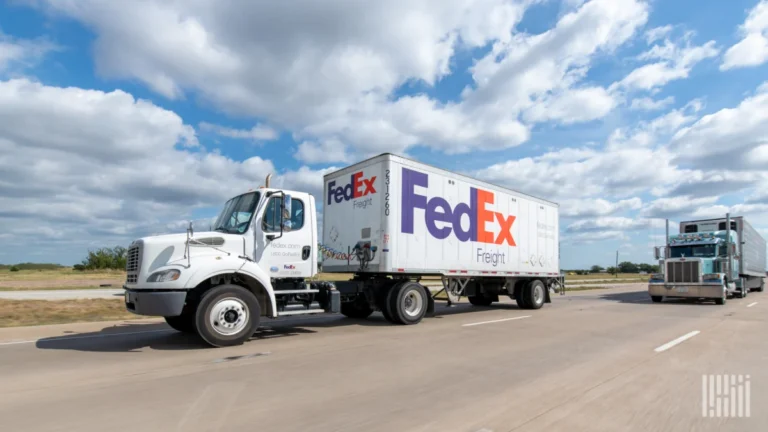
FedEx’s strategy provides a window into the broader industry logic. Their surcharges, which include substantial fees for oversized parcels ($95.75) and additional handling ($8.80), are designed to recoup the capital expenditure required to surge air and trucking capacity during periods of extreme demand. As FedEx noted in their recent disclosures, the highest percentage increases are strategically applied to the most common delivery categories utilized by e-commerce retailers, effectively shifting the burden of capacity management directly to the shippers.
Implications for the E-commerce Ecosystem
For small-to-medium enterprises (SMEs) and large e-commerce platforms alike, the implication of these concurrent surcharges is clear: margin compression. With fuel prices remaining elevated—largely due to geopolitical instability in the Middle East and restricted oil supplies—shippers are running out of room to absorb costs.
The Shift to Independent Carriers
Market analysts report that an increasing number of businesses are abandoning the "Big Three" (USPS, FedEx, and UPS) in favor of regional and independent carriers. These smaller, more agile operators often provide more flexible pricing structures that avoid the blanket "demand surcharges" applied by the national incumbents. However, this shift comes with its own risks, including potential limitations in reach and tracking capabilities compared to the massive infrastructure of the USPS or FedEx.
The Consumer Impact
Ultimately, these surcharges almost always reach the end consumer. Whether through increased shipping fees at checkout or higher product prices intended to bake in "free shipping" costs, the current climate of logistics pricing acts as a hidden tax on the holiday shopping experience. As retailers navigate the final quarter of the year, they face a delicate balancing act: pass on the costs and risk losing price-sensitive customers, or absorb the costs and watch their quarterly profitability evaporate.
Official Responses and Industry Outlook
The Postal Service has maintained that these surcharges are essential for their modernization and sustainability efforts. However, the lack of an official announcement from UPS regarding their own peak season plans leaves the industry in a state of suspense. Historically, UPS tends to mirror or slightly refine the strategies of its competitors; if UPS announces similar or more aggressive surcharges, the pressure on the e-commerce sector will intensify significantly.
The regulatory process remains the final hurdle for the USPS. The Postal Regulatory Commission (PRC) is tasked with determining whether these rate hikes are reasonable and consistent with the Postal Service’s mandate to remain self-sustaining. Given the current economic environment, many experts expect the PRC to approve the request, albeit with potentially strict reporting requirements regarding the transparency of these fees.
Looking Ahead: The Future of Freight
As the industry converges on Chattanooga, Tennessee, for the Future of Freight (F3) Festival in late October 2026, the themes of compliance, carrier liability, and cost management will take center stage. For logistics professionals, the current situation serves as a stark reminder of the volatility inherent in modern supply chains.
The combination of geopolitical instability affecting fuel prices and the tactical use of surcharges by carriers indicates that the era of predictable, low-cost shipping is firmly in the rearview mirror. Businesses that prioritize data-driven logistics, audit their carrier invoices for compliance, and diversify their shipping partnerships are likely to be the ones that navigate the upcoming holiday season with their margins—and their customer relationships—intact.
As the industry waits for the final word from the PRC and potential counter-announcements from remaining major carriers, the directive for shippers remains unchanged: audit your history, analyze your volume, and prepare for a peak season that is as expensive as it is competitive.
About the Author