In a landmark move for the industrial automation sector, Philadelphia-based tech startup Fort Robotics has officially announced its intention to transition into a publicly traded company. The firm, which specializes in safety and security ecosystems for autonomous machines, is set to enter the NASDAQ stock exchange through a business combination with Newbury Street II Acquisition Corp. This strategic merger values the eight-year-old startup at approximately $556 million, with the potential to infuse up to $201 million in new capital into the company’s balance sheet.
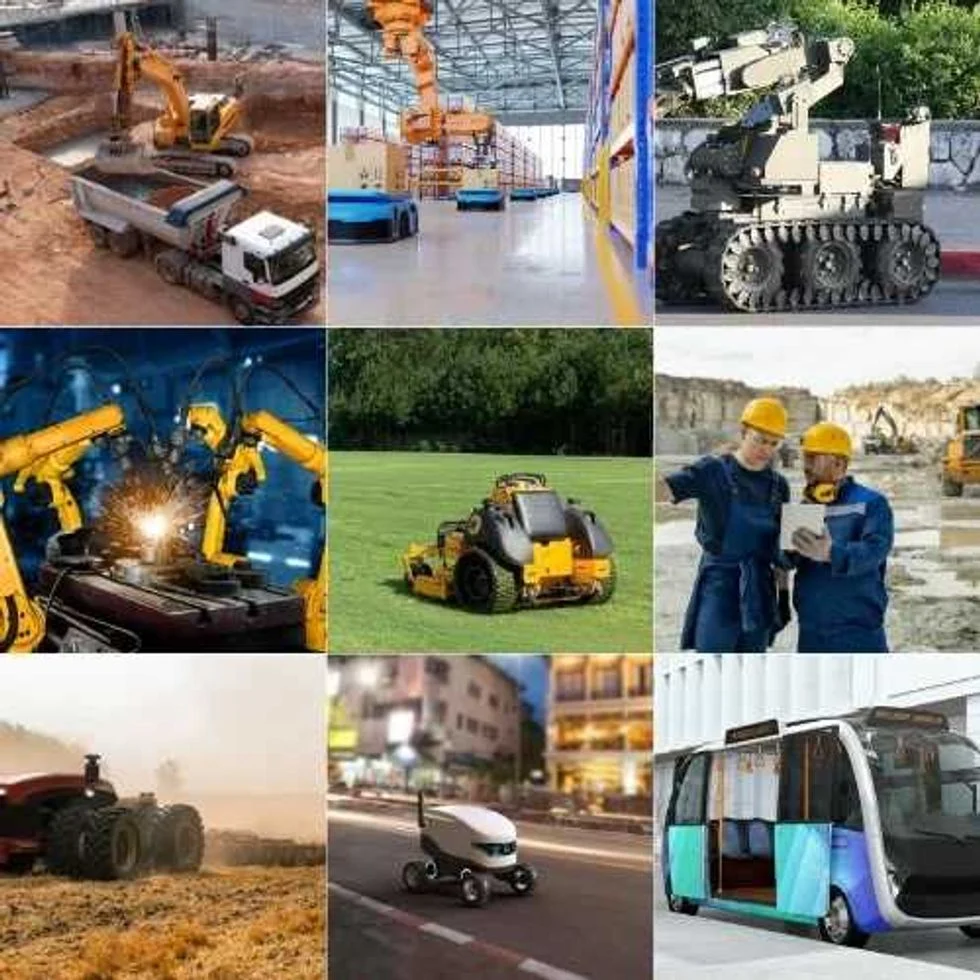
The deal represents a significant milestone not only for Fort Robotics but for the broader "Physical AI" landscape, which is currently grappling with the immense challenge of safely integrating autonomous machines into human-centric environments.
Main Facts: The Anatomy of the Deal
The agreement between Fort Robotics and Newbury Street II—a Boston-based Special Purpose Acquisition Company (SPAC)—is designed to accelerate the commercialization of Fort’s proprietary hardware and software platforms.
Newbury Street II, led by CEO Thomas Bushey, was specifically formed to identify and merge with high-growth companies in the industrial infrastructure and robotics sectors. Bushey, a veteran executive who previously served as the President of Ondas (a provider of private wireless networks and autonomous platforms), brings significant industry expertise to the table. By merging with Newbury Street II, Fort Robotics avoids the traditional, often lengthy, initial public offering (IPO) process, opting instead for the streamlined pathway that a "blank check" company provides.
The transaction, once finalized, will provide Fort Robotics with the capital necessary to scale its operations, expand its engineering team, and broaden its market reach. The company, which is already backed by high-profile investors including Tiger Global, Mark Cuban Companies, Prologis Ventures, and Five Eleven Partners, is now poised to transition from a venture-backed startup to a public entity subject to the rigors and transparency of the NASDAQ.
Chronology: From Landmine Clearing to Global Safety Standards
The roots of Fort Robotics run deeper than its eight-year history as a standalone entity. The company is the spiritual and technical successor to Humanistic Robotics, founded by Samuel Reeves.
The Humanistic Origins
Before the rise of industrial autonomous mobile robots (AMRs), Samuel Reeves was deeply involved in high-stakes robotic applications. His initial work with Humanistic Robotics focused on the development of robots specifically engineered to clear landmines. In these life-or-death scenarios, the failure of a robot was not merely a financial inconvenience—it was a catastrophic risk. This environment instilled in Reeves a "safety-first" philosophy that has become the bedrock of Fort Robotics.
The Pivot to Scale
As the robotics industry shifted toward commercial logistics, warehousing, and manufacturing, Reeves identified a massive gap in the market. While manufacturers were building sophisticated robots, there was no universal standard or platform to ensure these machines could operate reliably alongside human workers without the risk of unpredictable behavior. Fort Robotics was born to bridge this gap, moving from military-grade demining tech to the complex world of industrial safety and secure command-and-control systems.
The SPAC Agreement
Over the past 24 months, Fort Robotics aggressively expanded its customer base, providing safety technology to major robot manufacturers and industrial end-users. The decision to pursue a SPAC merger with Newbury Street II reflects the company’s readiness to move into the public market, providing the necessary liquidity to compete with global automation incumbents.
Supporting Data: The Value Proposition of "Safety-as-a-Service"
Fort Robotics occupies a critical niche in the industrial ecosystem. As autonomous machines become faster, more powerful, and more numerous, the "risk profile" of the warehouse floor or the construction site has shifted.
Market Need
According to recent industry reports, the autonomous mobile robot market is expected to grow at a CAGR of over 20% through 2030. However, this growth is contingent upon regulatory acceptance and worker safety. If an autonomous forklift or delivery drone causes a workplace accident, it can set back the adoption of the entire technology sector by years.
The Technology Stack
Fort’s technology is designed to be hardware-agnostic. It acts as a layer that sits between the robot’s "brain" and the physical world. Their offerings include:
- Secure Communications: Ensuring that robotic commands cannot be intercepted or spoofed, a critical requirement for remote-operated industrial systems.
- Emergency Stop Systems: Sophisticated, redundant, and ultra-low-latency stop mechanisms that allow human operators to regain control of a machine instantly.
- Fleet Safety Logic: A shared framework that allows multiple robots from different manufacturers to operate in the same space without creating conflicting safety hazards.
With the $201 million infusion, Fort plans to invest heavily in R&D to refine its "Physical AI" safety protocols, ensuring that as robots become more autonomous (and less dependent on direct human input), the systems governing them become more proactive in predicting and preventing accidents.
Official Responses: The Vision for a "Harm-Free" Future
The leadership at Fort Robotics emphasizes that their mission is not merely to build software, but to establish the "rules of the road" for the next generation of automation.
"Physical AI will change the way we work in every industry, and this will be a game changer for workers, organizations, and governments worldwide," said Samuel Reeves, Founder and CEO of Fort Robotics. "However, these new machines come with a completely new and different risk profile, and that must be addressed before autonomous systems can scale."
Reeves further noted the collaborative nature of their vision: "FORT’s mission is to ‘ensure robots cause no harm,’ and we are dedicated to pioneering and building a shared framework for trust that robot manufacturers, integrators, end users, regulators, insurers, governments, and any other interested party can rely on."
The support from their board of investors—including heavyweights like Prologis Ventures and Mark Cuban—underscores the confidence in this mission. These investors are not just betting on a robotics company; they are betting on the necessity of a safety layer that will become a mandatory requirement for any company deploying autonomous fleets at scale.
Implications: The Road Ahead for Industrial Robotics
The public listing of Fort Robotics has profound implications for the robotics industry, investors, and the global workforce.
For the Robotics Industry
Fort’s IPO signals a shift in focus from "how fast can a robot move" to "how safely can a robot coexist." Manufacturers who integrate Fort’s safety standards will likely find it easier to gain approval from insurance providers and regulatory bodies, effectively making Fort’s technology a "gold standard" for the industry.
For Investors
The SPAC merger offers a rare opportunity for public market investors to gain exposure to the "picks and shovels" of the robotics boom. While many companies are building robots, Fort is building the safety infrastructure that every robot requires, regardless of which company manufactured it. This makes Fort a "horizontal" player in a field crowded with "vertical" hardware developers.
For the Global Workforce
The most significant impact will be on the shop floor. As workers increasingly share space with automated systems, the psychological and physical barriers to adoption remain high. By providing a transparent, reliable, and "trust-based" framework, Fort Robotics is helping to ease the transition for human workers. The goal is to move away from a "human vs. machine" environment toward a collaborative model where robots handle the dangerous or repetitive tasks while humans oversee the systems with confidence.
Challenges to Consider
Despite the excitement, the road to a successful public debut is not without risks. SPAC mergers have faced increased scrutiny from the SEC in recent years, and the volatile nature of the tech market means that Fort Robotics will need to demonstrate consistent revenue growth to justify its $556 million valuation. Furthermore, as the company enters the public eye, it will face intense competition from established industrial automation firms that may look to develop their own internal safety and security solutions.
Conclusion
Fort Robotics stands at the precipice of a new era. By moving to the NASDAQ, they are signaling that the era of "experimental" robotics is over. We are entering an era of "industrial-grade" autonomy, where safety, security, and reliability are the primary currencies of success.
Under the leadership of Samuel Reeves and supported by a robust consortium of institutional backers, Fort Robotics is well-positioned to become the backbone of the physical automation revolution. Whether they can navigate the complexities of the public markets and set a global standard for robot safety remains to be seen, but their trajectory suggests that they are not just aiming to be a company—they are aiming to be the foundation upon which the future of labor is built.
As they move toward their NASDAQ debut, all eyes in the industrial automation world will be on Philadelphia, waiting to see if Fort Robotics can indeed ensure that the machines of the future cause no harm.
About the Author