In the high-stakes world of autonomous trucking, the machine is the star, but the human is the safety net. As Houston-based autonomous vehicle (AV) developer Bot Auto continues to scale its operations within the so-called "Texas trucking triangle," it has made a definitive, strategic commitment that separates it from several of its industry peers: all remote assistants overseeing its fleet will be based exclusively in the United States.
This policy announcement, made on a Thursday, marks a clear line in the sand regarding operational transparency and national accountability. While Bot Auto’s Level 4 autonomous trucks perform the actual driving without human intervention, the company maintains a dedicated mission control center where human operators act as the crucial link between the vehicle and the physical world—specifically when that vehicle encounters law enforcement or emergency responders.
The Role of the Remote Assistant: A Digital Bridge
To understand the necessity of these roles, one must distinguish between "remote driving" and "remote assistance." Bot Auto’s assistants do not sit behind a steering wheel joystick; they do not navigate lanes or manage throttle control. Instead, they serve as the "human layer" of support.
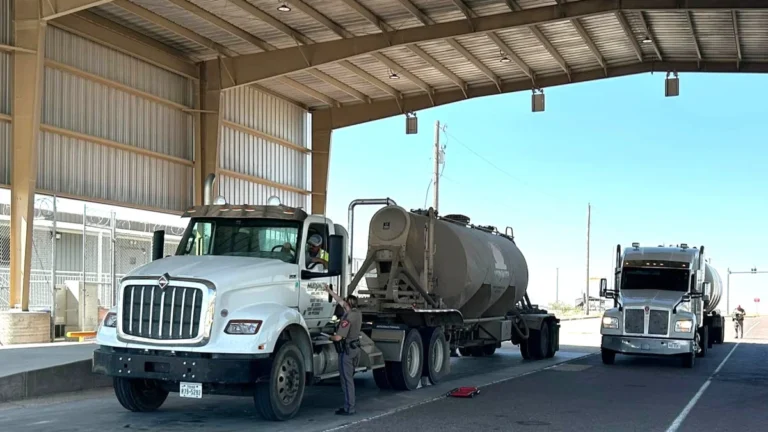
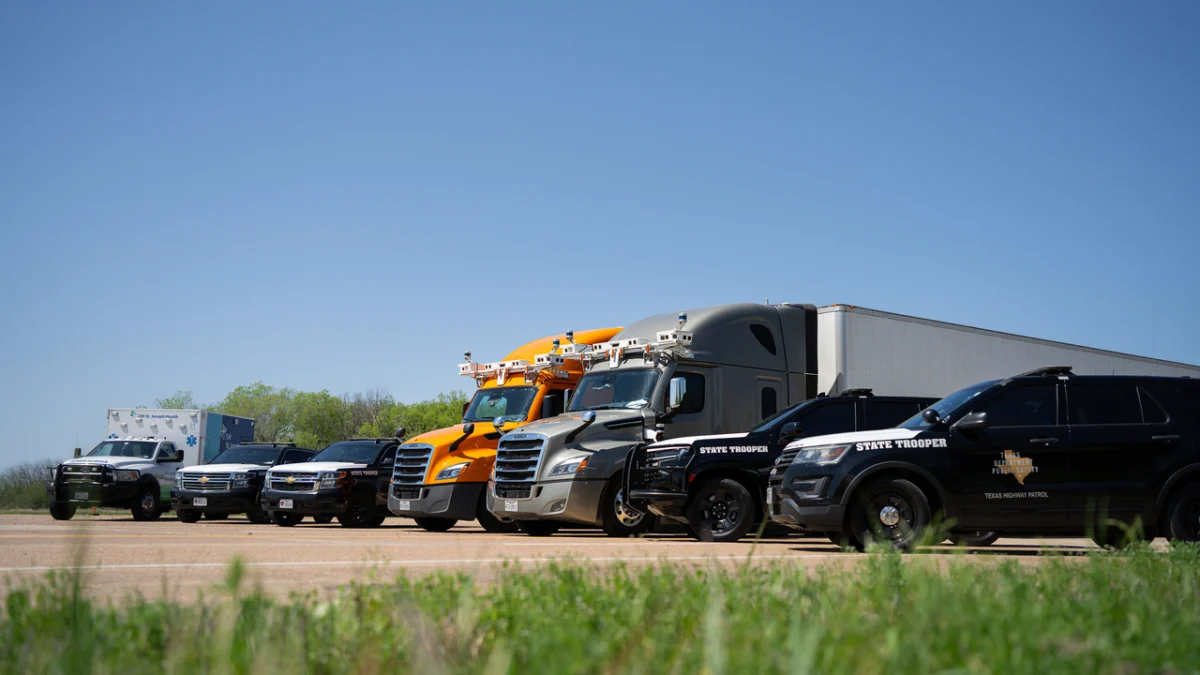
When a driverless truck is pulled over by state troopers or encounters an unexpected road obstruction, the remote assistant becomes the primary point of contact. These professionals confirm the vehicle’s status, provide cargo and routing information to officials on the ground, and can trigger specific vehicle actions. Crucially, they can activate hazard lights or initiate a controlled vehicle shutdown if requested by law enforcement.
In a scenario where a police officer approaches a cab that is entirely empty, the ability to immediately communicate with a human agent—not a chatbot or an overseas call center—is the difference between a routine stop and a public safety bottleneck.
Chronology of a Growing Regulatory Debate
The debate over where these remote operators sit is relatively new but has gained significant legislative momentum throughout 2024. The issue burst into the public consciousness during a Senate hearing in February, when Waymo’s Chief Safety Officer, Mauricio Peña, confirmed that the company utilized support staff located in the Philippines, as well as in Arizona and Michigan.
The revelation that a significant portion of the support staff for a major AV player was operating from overseas triggered immediate concern among federal lawmakers. Senator Ed Markey (D-Mass.) subsequently launched a formal investigation into the practices of seven major AV developers.
The investigation, which culminated in a report published on March 31, highlighted a lack of industry transparency. The findings were stark: Waymo was identified as the only company in the cohort relying on international staff, many of whom did not hold U.S. driver’s licenses. Furthermore, the inquiry revealed significant variances in latency standards—the time it takes for a vehicle to respond to an operator—and a universal refusal among companies to disclose exactly how frequently their remote systems are forced to intervene in real-world scenarios.
Bot Auto, while not one of the seven companies under the initial Senate microscope, has clearly chosen to position itself on the side of domestic oversight, effectively preempting the growing demand for regulatory compliance and national security alignment.
Federal Scrutiny: The NHTSA’s Growing Concerns
The move by Bot Auto also aligns with a more aggressive posture from the National Highway Traffic Safety Administration (NHTSA). On July 8, the agency issued a formal "call-to-action" letter directed at all autonomous vehicle developers.
The letter was prompted by a string of incidents in which driverless vehicles failed to navigate emergency scenes correctly—including instances where trucks or cars blocked ambulances, ignored flares, or failed to recognize flashing lights. Administrator Jonathan Morrison’s message was clear: any automated vehicle that cannot interact safely with first responders is an unacceptable danger to the public.
The NHTSA has made it clear that it reserves the right to take enforcement action against companies that cannot demonstrate reliable communication protocols with police and firefighters. By mandating that its mission control remains domestic, Bot Auto is attempting to insulate itself from these regulatory threats, banking on the idea that "American-based" will soon become the baseline expectation for all autonomous fleet operations.
The Strategic Importance of "Mission Control"
"Every one of our vehicles has a mission, and every mission has a mission control," says Bart Teeter, Bot Auto’s director of fleet and operational safety.
Teeter argues that in an emergency, the response window is not measured in minutes—it is measured in seconds. If a first responder arrives at the scene of a stalled or stopped autonomous truck, they need to reach a human who understands the local environment, the local laws, and the local emergency protocols.
"Our remote assistants aren’t driving the truck, but they are the voice on the other end of the line when an officer needs one," Teeter explains. "Committing to U.S.-based remote assistants is about making sure that when a first responder needs us, there is no delay, no miscommunication, and no gap in accountability. We work hand-in-hand with law enforcement and emergency services, and this is a direct reflection of that responsibility."
This sentiment is echoed by local authorities who bear the burden of interacting with this new technology. Major Omar Villarreal of the Texas Department of Public Safety emphasizes that the ability to communicate reliably during an emergency is not just a preference; it is a public safety requirement. "Miscommunication or poor connections can potentially cost valuable time in addressing emergency conditions," Villarreal noted.
Implications: The Future of the Supply Chain
Bot Auto’s decision carries broad implications for the future of the American supply chain. As companies rush to automate logistics, the "Texas trucking triangle" has become the laboratory for these technologies. If the industry is to gain the public’s trust, the infrastructure behind the scenes must be as robust as the software inside the vehicle.
By keeping these roles domestic, Bot Auto is making a play for institutional stability. They are arguing that the 21st-century supply chain requires a level of resiliency that can only be achieved through localized human oversight. Brian Moore, Bot Auto’s chief policy officer, put it succinctly: "We’re building out America’s 21st-century supply chain. It needs to be extremely resilient, and that’s why it’s critical that these roles are always kept within the United States."
Looking Ahead: Setting the Standard
The move to keep remote assistants in the U.S. is not merely a patriotic gesture; it is a defensive and offensive business strategy. Defensively, it protects the company from future federal mandates that may prohibit the use of offshore labor for critical infrastructure tasks. Offensively, it creates a point of differentiation that the company can use to win over skeptical regulators and local municipalities who are wary of "black box" technology.
As the industry moves toward wider adoption, the question of "who is watching the truck?" will only grow louder. While competitors may argue that global staffing provides 24/7 coverage at a lower cost, Bot Auto is betting that the cost of a "gap in accountability" is far higher than the price of a domestic salary.
For now, Bot Auto is setting a standard that other AV developers will likely be forced to address. As the lines between tech companies and critical infrastructure providers blur, the demand for transparency, safety, and local accountability is becoming the new competitive frontier. Whether the rest of the industry follows suit or remains wedded to globalized support models remains to be seen, but the message from Houston is clear: when it comes to the safety of American roads, there is no substitute for being on the same time zone as the mission.
About the Author