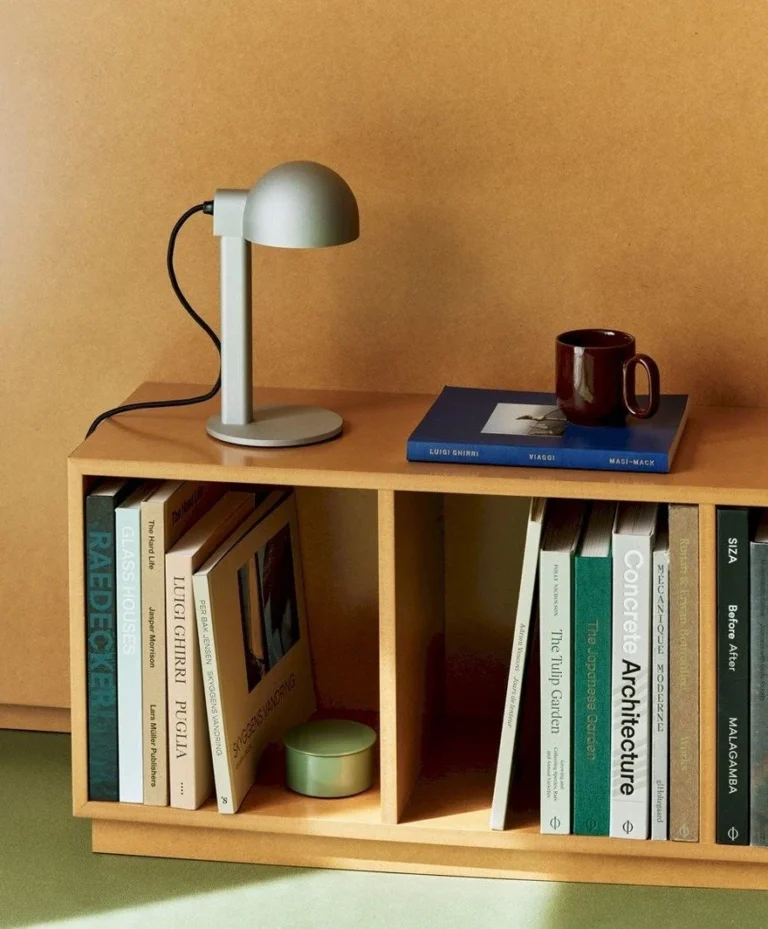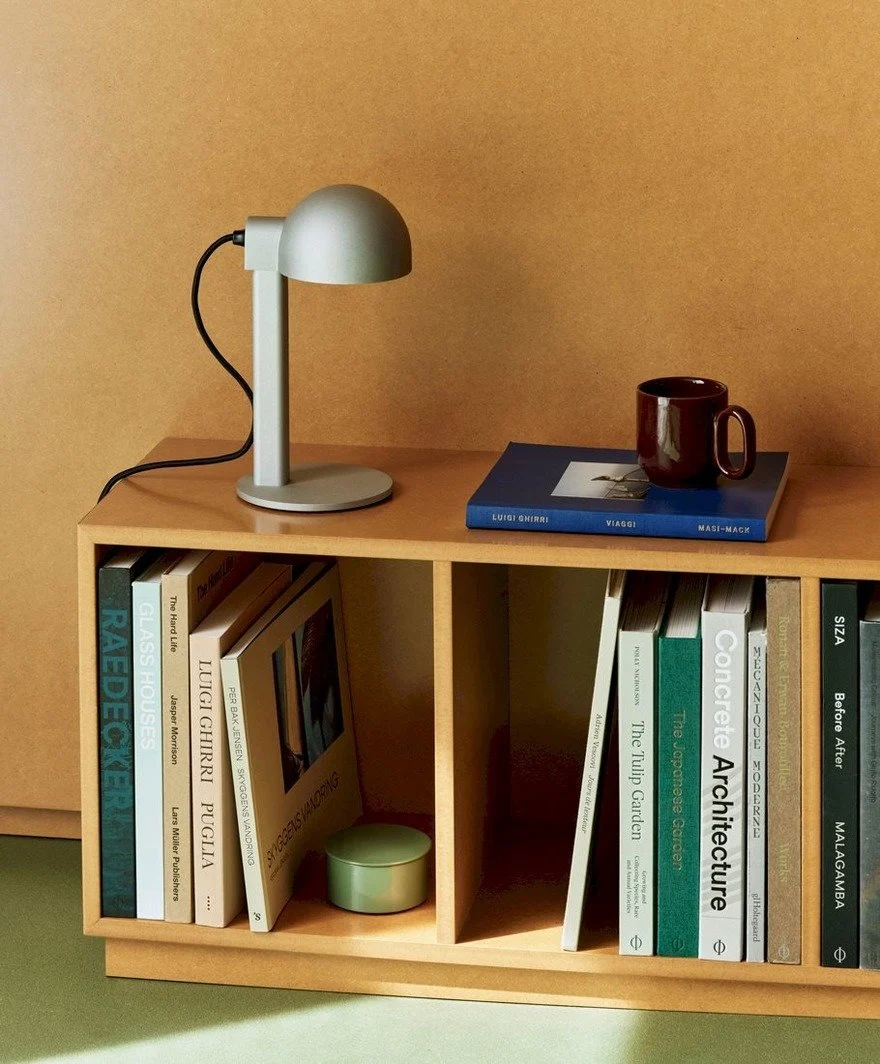
In the contemporary landscape of interior design, where mass production often prioritizes ornamentation, the collaboration between French designer Claire Lavabre and the Danish powerhouse HAY represents a defiant pivot toward essentialism. Their latest release, the Posto table lamp, is more than a lighting fixture; it is a philosophical inquiry into the nature of utility. By stripping the lamp down to its ontological core—three pieces of aluminium, two screws, and a light source—Lavabre has created an object that functions as both a tool and a sculptural study in industrial honesty.
The Genesis of an Idea: Main Facts
The Posto lamp is the result of a rigorous reductionist exercise. Born from an exhibition brief that challenged designers to explore the inherent properties of aluminium, the lamp eschews the complexities of modern manufacturing in favor of a "what-you-see-is-what-you-get" aesthetic.
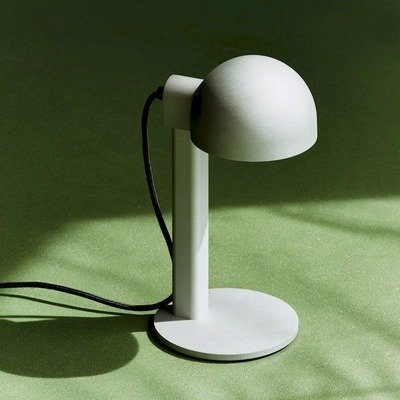
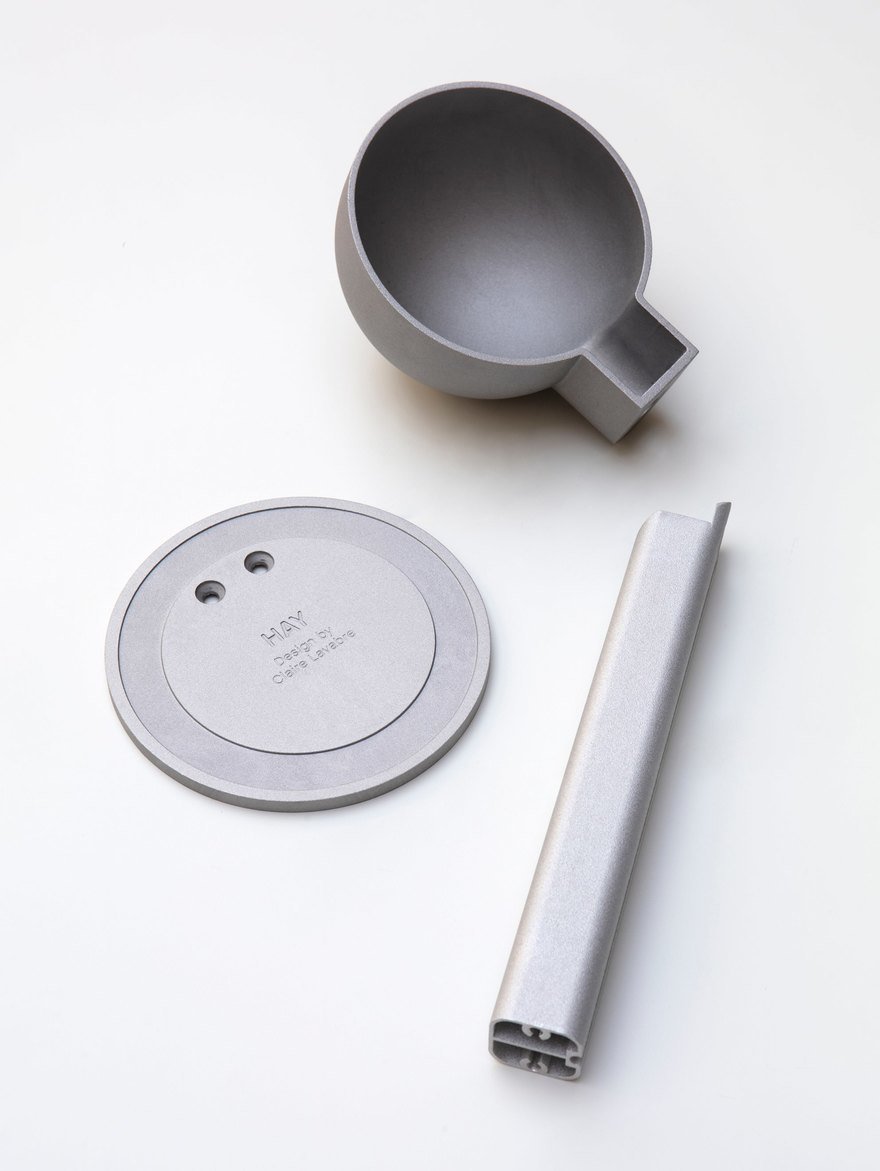
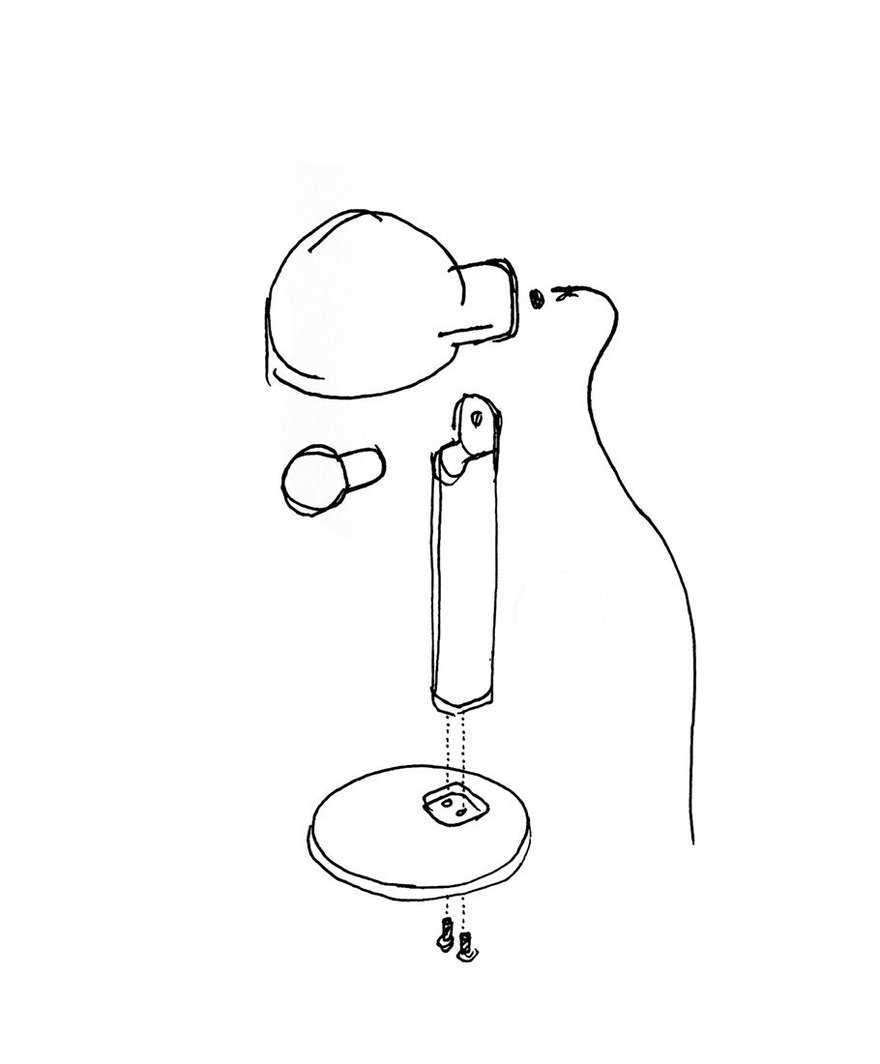
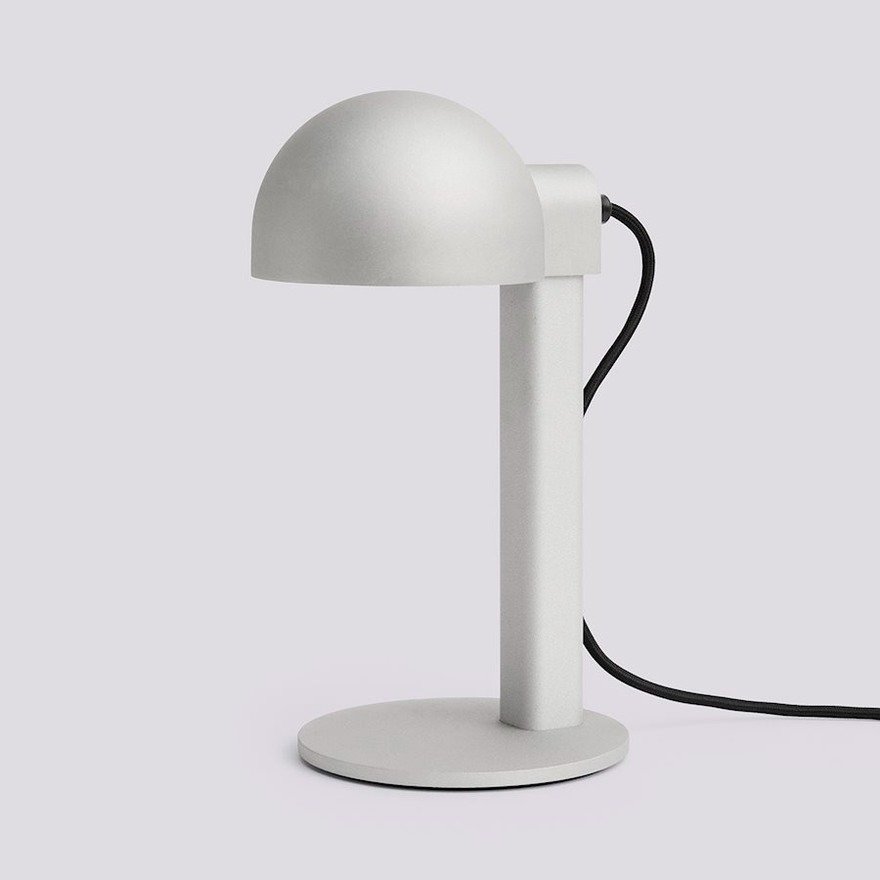
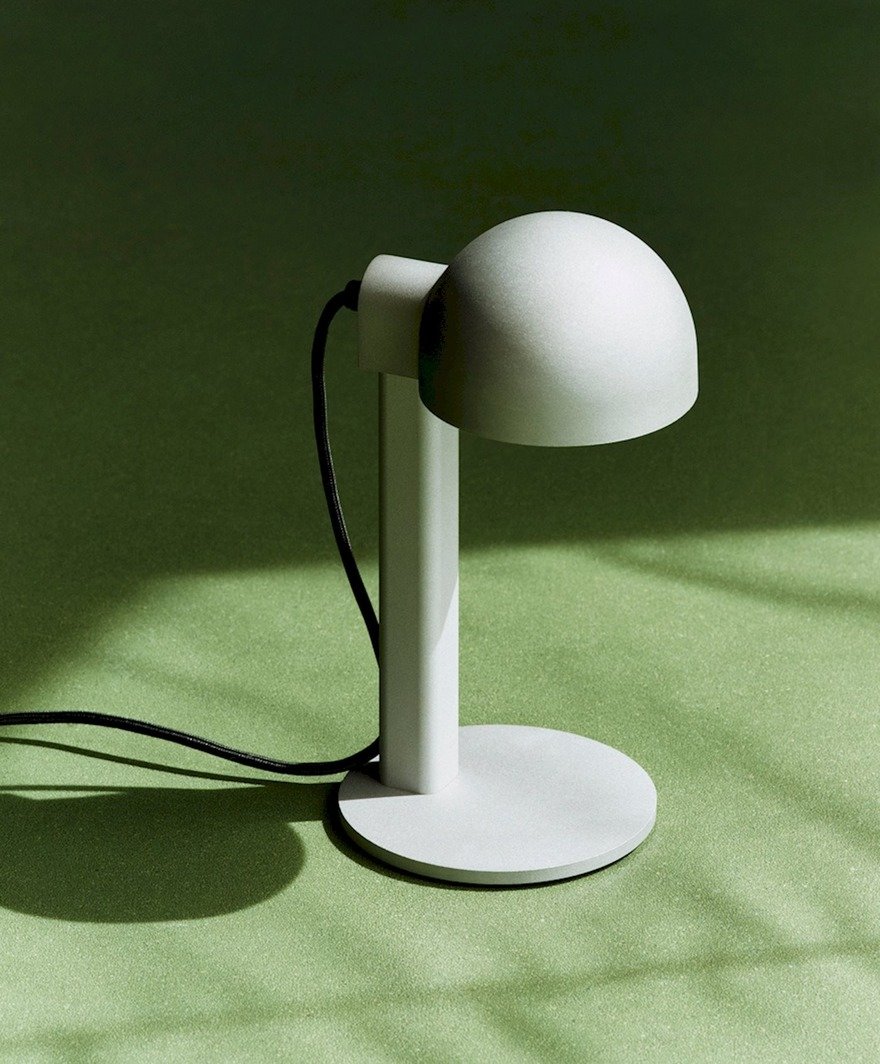
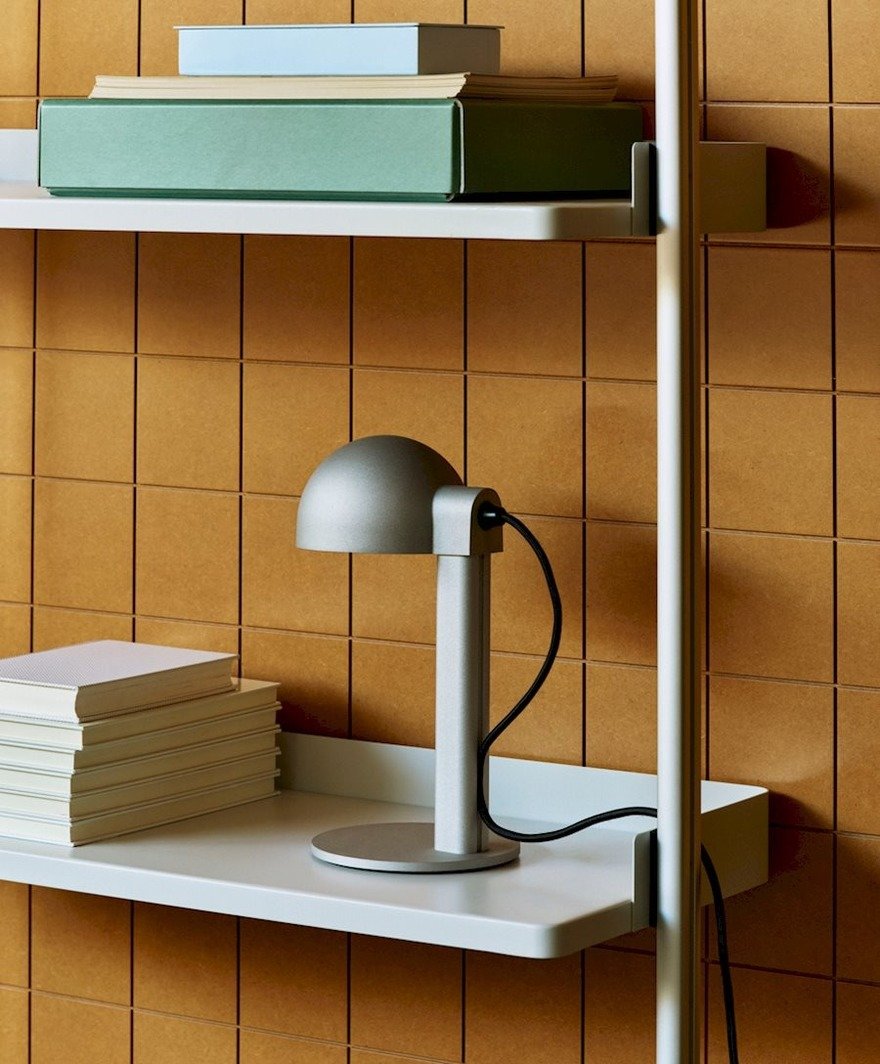
At its heart, Posto is a masterclass in modularity. The construction consists of three primary components of raw, cast aluminium. These parts are united by a pair of exposed screws, emphasizing the assembly process rather than hiding it. The lamp’s silhouette is defined by an upright stem and a head that rests with calculated lightness, creating an architectural profile that commands attention through subtlety rather than size.
A defining feature of the design is the thoughtful integration of its power cable. Rather than allowing the cord to disrupt the visual purity of the frame, Lavabre has incorporated a subtle groove along the stem. This design choice ensures that the cable remains a functional necessity rather than a visual distraction, maintaining the lamp’s elegant, composed silhouette.
A Chronological Evolution: From Exhibition to HAY
The trajectory of Posto began long before its inclusion in the HAY catalog. It originated in the experimental environment of a design exhibition, where Lavabre was asked to interrogate the material of aluminium.
- The Experimental Phase: Lavabre began by asking a singular, provocative question: "What is a lamp, stripped back to nothing but itself?" This phase involved testing the structural integrity of cast aluminium and exploring how raw finishes could be elevated into a domestic aesthetic.
- The Refinement Period: Following the initial exhibition, the design underwent a transition from a conceptual prototype to a refined consumer product. The challenge was to maintain the "grit" and industrial authenticity of the raw material while ensuring it met the high standards of safety and usability expected from a HAY product.
- The Partnership: Recognising the synergy between Lavabre’s minimalist philosophy and their own brand identity, HAY brought the Posto into their production line. This period involved careful sourcing of the cast aluminium and calibrating the shot-blasted finish to ensure a consistent, tactile, and high-quality surface.
- The Launch: The official introduction of Posto to the HAY market marks a significant milestone for both the designer and the brand, serving as Lavabre’s debut collaboration with the company.
The Materiality of Grit: Supporting Data
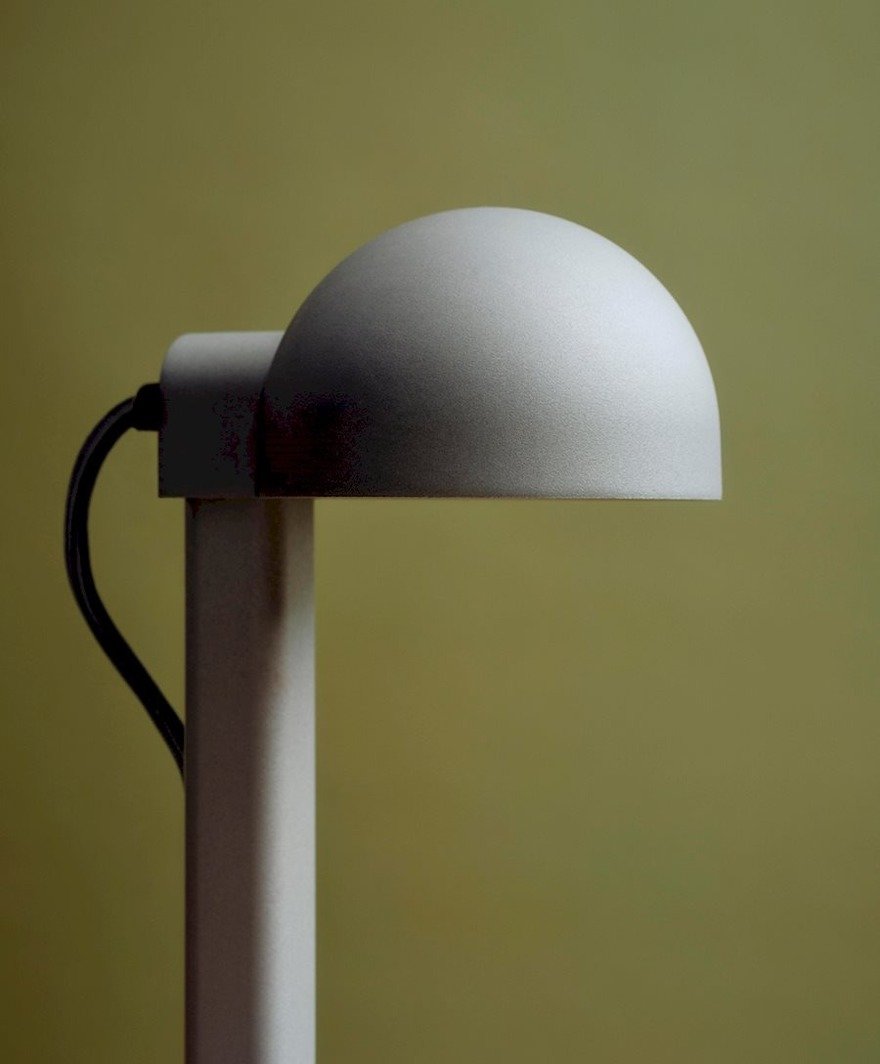
The aesthetic success of the Posto lies in its material honesty. The cast aluminium body is not polished to a high sheen; instead, it is shot-blasted to achieve a matte, grainy texture. This finish is intentional, serving to highlight the manufacturing process itself.
The surface of the lamp acts as a record of its own creation. Small, faint marks remain, which Lavabre intentionally preserves to imbue the object with a "rare honesty." This tactile quality serves a dual purpose: it grounds the lamp in an industrial context—reminding the user of the foundry and the machine—while offering a sophisticated, modern texture that integrates seamlessly into a variety of living spaces, from minimalist home offices to industrial-loft bedside tables.
Technically, the lamp is designed for focused illumination. By prioritizing the head-to-stem connection, the lamp provides a comfortable light output that is ideal for task-oriented environments. Its proportions—compact and balanced—ensure that it provides light without "imposing itself" on the room, adhering to the principle that good design should support the inhabitant rather than compete for attention.
Perspectives from Leadership: Official Responses
The reception of Posto within the leadership ranks at HAY has been overwhelmingly positive, with the brand’s co-founder providing a rare insight into why this specific design resonates so deeply.
Rolf Hay, Co-founder and Creative Director of Furniture & Lighting at HAY, has been vocal about the lamp’s unique appeal. "The profile of the lamp is very beautiful and very clear," Hay stated during the product’s unveiling. "I really like that you feel the material, you feel the industrial production of the cast aluminium. It’s got a lot of grit to it."
For Hay, the value of the lamp lies in its rejection of "over-designed" lighting. In an era where many lamps are hidden behind plastic housings or overly decorative flourishes, Posto stands out because it celebrates the industrial nature of its construction. It is a product that speaks the language of the factory but sings with the refinement of the gallery.
The Broader Implications for Industrial Design
The success and philosophy behind Posto have several implications for the future of industrial design.
1. The Return of Radical Honesty
Posto signals a growing trend toward "radical honesty" in product design. As consumers become more environmentally and ethically conscious, there is a diminishing appetite for products that mask their origins. By showing the screws, the seams, and the texture of the raw aluminium, Lavabre is inviting the user to understand the lifecycle of the object. This transparency builds a deeper connection between the user and the item, potentially increasing the longevity of the product in the home.
2. Minimalism as a Sustainable Choice
Minimalism is often criticized for being purely aesthetic, but in the case of Posto, it is a sustainable strategy. By reducing the lamp to three parts and two screws, the manufacturing footprint is significantly lowered. There are fewer materials to source, fewer energy-intensive processes involved in finishing, and, crucially, the lamp is easily disassembled at the end of its life for recycling. This design language proves that simplicity is not just an aesthetic choice; it is an efficient, responsible way to manufacture in the 21st century.
3. The Industrial Aesthetic in the Home
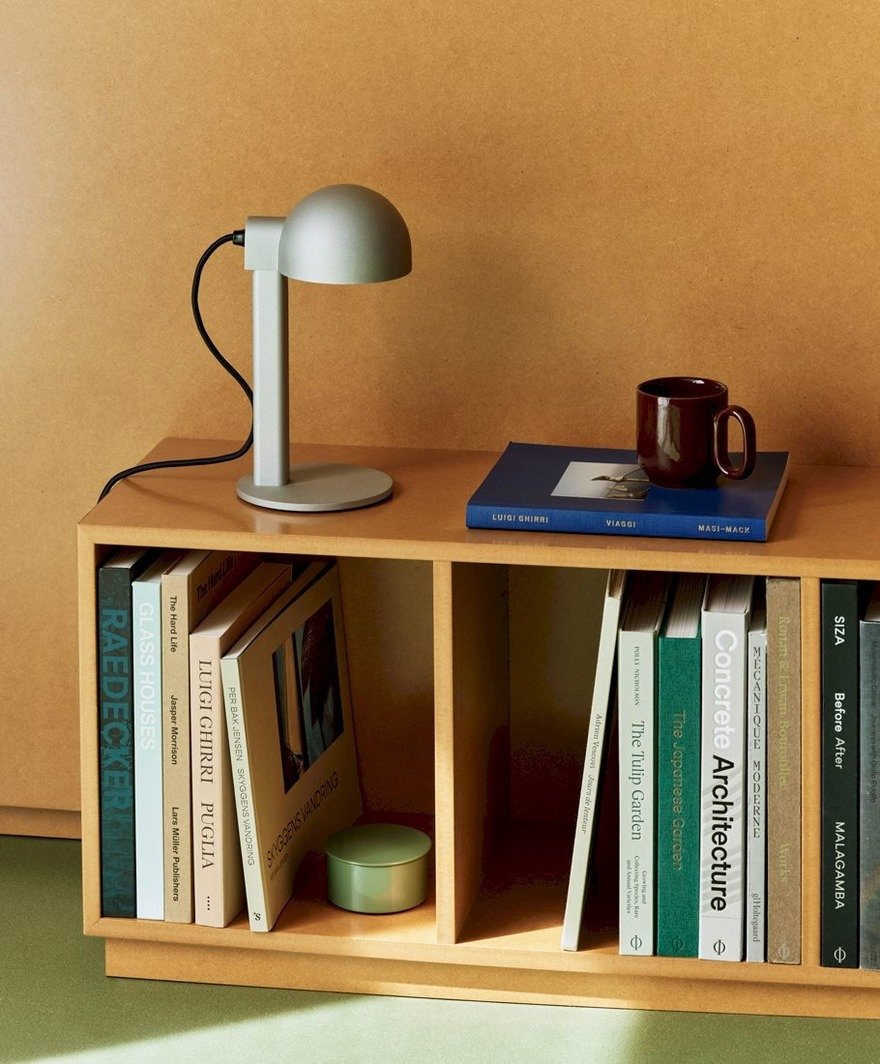
The integration of industrial-grade materials into domestic settings has been a recurring theme in modern design, but Posto refines this by balancing "grit" with "grace." It bridges the gap between the workshop and the living room, suggesting that industrial design does not have to be cold or intimidating. Instead, it can be warm, tactile, and intimately tied to the user’s daily life.
Conclusion: A Quiet Masterpiece
Claire Lavabre’s Posto lamp is a testament to the power of subtraction. In a world saturated with complex technology and high-maintenance objects, Posto offers a refreshing silence. It does not demand to be the centerpiece of a room, yet its clarity of form ensures it is never overlooked.
By stripping away the unnecessary, Lavabre has uncovered a new kind of elegance—one that is rooted in the honesty of materials and the logic of assembly. For HAY, this collaboration is a validation of their commitment to finding beauty in the functional. For the consumer, Posto represents an opportunity to bring a piece of architectural history into the home: a lamp that is, quite simply, exactly what it needs to be. As we look toward the future of lighting design, Posto serves as a benchmark for how designers can honor the industrial past while creating objects that are perfectly suited to the requirements of the modern home.
About the Author