In an era defined by volatile global markets, shrinking labor pools, and an unrelenting demand for peak operational availability, the traditional boundaries of industrial maintenance are shifting. For decades, reliability teams have operated within the rigid constraints of reactive—"fix it when it breaks"—and preventive—"fix it on a schedule"—maintenance strategies. Today, these approaches are increasingly viewed as liabilities.
Modern reliability leadership is now pivoting toward a sophisticated asset management paradigm that leverages continuous monitoring, advanced analytics, and intelligent edge-based sensors. This evolution is not merely a technical upgrade; it is a strategic imperative designed to eliminate waste, avoid catastrophic downtime, and strengthen long-term operational resilience.
The Convergence of Availability and Efficiency
For many plant managers, the goals of reducing maintenance expenditure and increasing equipment uptime have long been viewed as mutually exclusive. The prevailing wisdom suggested that to achieve higher reliability, one must spend more on parts, labor, and downtime for inspections.
However, current industry data suggests the opposite: predictive maintenance, when executed correctly, creates a virtuous cycle. By identifying degradation at the earliest possible stage, organizations reduce the total cost of ownership. Assets running at peak performance consume less energy, produce higher-quality output, and experience fewer unplanned outages. When reliability teams transition from a calendar-based maintenance cycle to a condition-based one, they move from a posture of uncertainty to one of precision.
The Chronology of Industrial Maintenance Evolution
To understand the current shift, it is necessary to examine the historical trajectory of maintenance methodologies:
- The Reactive Era (Pre-2000s): Maintenance was primarily "run-to-failure." This approach necessitated large inventories of spare parts and high levels of emergency labor costs. It was the most expensive, yet common, strategy.
- The Preventive Era (2000–2015): Organizations adopted manufacturer-recommended schedules. While this reduced catastrophic failures, it introduced the "over-maintenance" tax. Assets were disassembled and overhauled based on time rather than health, often introducing human error into healthy machines and wasting thousands of operational hours.
- The Digital Transformation Boom (2015–2022): The influx of IoT (Internet of Things) devices created a data deluge. Many companies attempted to implement "point solutions"—installing disparate sensors without a unified data strategy—leading to "pilot purgatory," where projects stalled due to a lack of clear ROI.
- The Strategic Integration Era (2023–Present): The current focus is on "Enterprise Operations Platforms." Reliability is no longer an isolated maintenance function; it is integrated into the broader digital fabric of the organization, utilizing AI, machine learning, and centralized, cloud-enabled health management.
Supporting Data: Why Manual Rounds are Becoming Obsolete
Manual data collection, the backbone of legacy maintenance, is increasingly failing to keep pace with modern operational requirements. Inspections occurring every 30 to 90 days represent a "blind spot" that can span weeks of critical degradation.

The Hidden Costs of Manual Rounds
- Safety Risks: Every manual inspection requires personnel to enter active production environments, increasing the potential for workplace accidents.
- Frequency Mismatch: A bearing failure can progress from "early warning" to "catastrophic failure" in days. A 90-day inspection cycle is effectively useless against these failure modes.
- Data Quality: Manual data collection is prone to human error and subjectivity. Different technicians may interpret sound, heat, or vibration readings differently, leading to inconsistent asset health assessments.
In contrast, continuous condition monitoring provides high-resolution data streams that feed into predictive models. By automating the collection of vibration, thermal, and acoustic data, reliability teams can pinpoint root causes—such as poor lubrication, misalignment, or electrical degradation—long before they impact production throughput.
Case Study: The Refinery Transformation
A large North American refinery serves as a primary example of this shift. Initially, the facility struggled with chronic asset failures, relying on an IT department that prioritized low-cost, low-capability sensors. These sensors provided raw, noisy data that the team could not interpret.
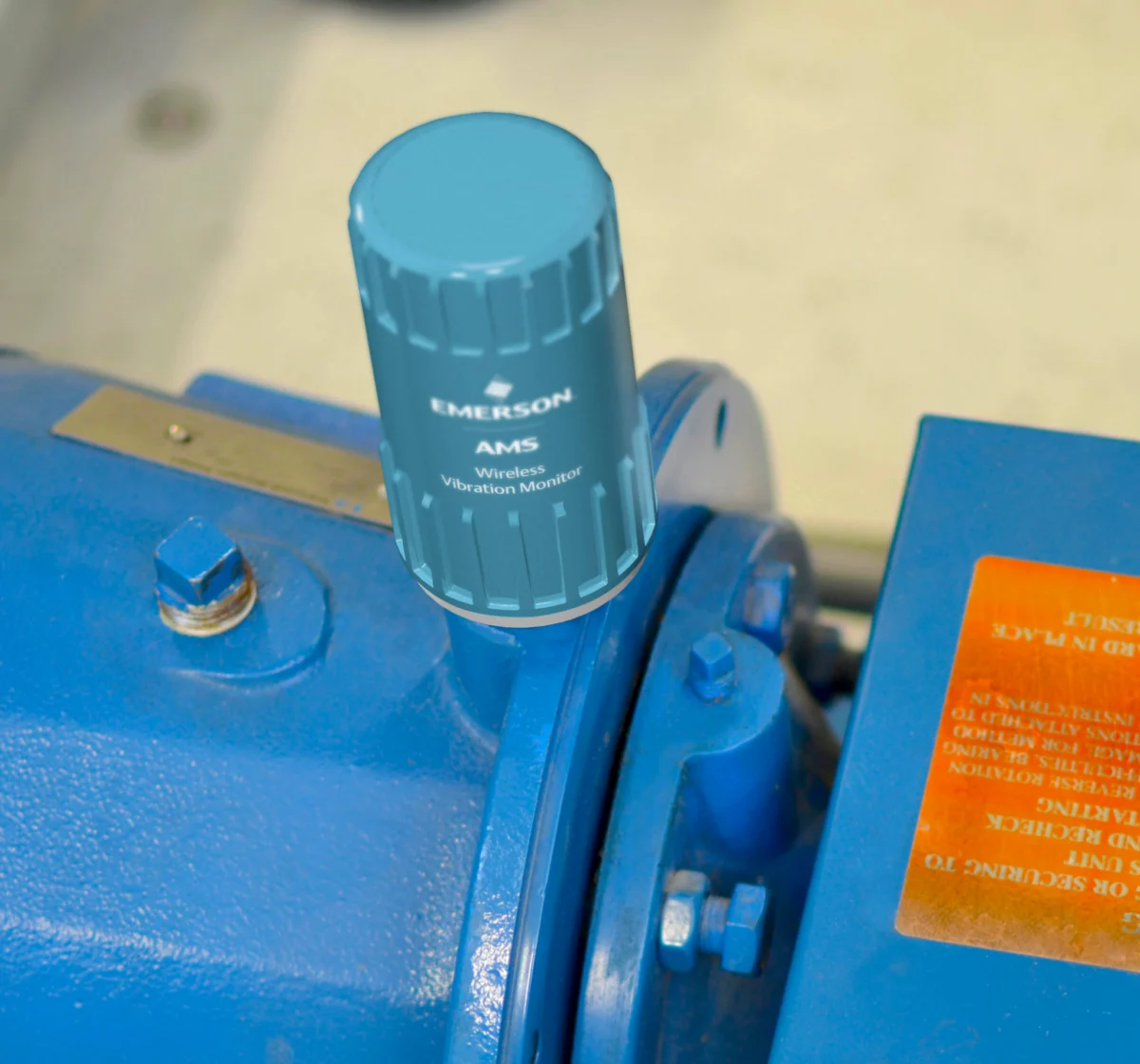
By engaging with an automation solution provider, the facility moved toward an "Enterprise Operations Platform" strategy. They shifted to intelligent sensors capable of edge processing—meaning the sensors themselves analyzed the data and provided actionable insights (e.g., "lubrication required") rather than just streaming raw voltage numbers. The result was a dramatic reduction in unplanned downtime and a significant increase in the mean time between failures (MTBF).
Implementing a Criticality-Based Strategy
Not all assets are created equal. One of the primary reasons for the failure of early IoT projects was the attempt to "monitor everything." This is neither financially viable nor analytically efficient. Instead, industry experts recommend a Criticality-Based Monitoring Strategy:
- Tier 1 (Critical Assets): These are the "heart" of the plant. Failure here halts production entirely. These assets require continuous, high-fidelity condition monitoring with AI-driven predictive analytics.
- Tier 2 (Essential Assets): Equipment where failure reduces production capacity or increases energy consumption. These often utilize wireless, periodic automated monitoring.
- Tier 3 (Balance-of-Plant): Non-critical assets where manual rounds or simple, low-cost sensors are sufficient.
By segmenting the asset base, teams can ensure that their capital expenditure is focused on the equipment that poses the highest risk to the bottom line, thereby maximizing ROI.
The Role of Expert Partnerships
The transition to a digital, AI-driven maintenance program is rarely successful in a vacuum. Organizations often lack the in-house expertise to navigate the complex landscape of sensors, data architectures, and diagnostic protocols.

The industry is seeing a growing trend of "Reliability-as-a-Service," where companies partner with automation providers to bridge the talent gap. These providers bring:
- Category 3 and 4 Analysts: Certified experts who can interpret complex data sets that automated systems might flag.
- Scalable Architectures: Ensuring that a pilot project at one plant can be replicated across the entire enterprise.
- Future-Proofing: Designing systems that are ready for the next wave of generative AI and autonomous diagnostics.
Implications: The Future of Industrial Competitiveness
The implications of this shift are profound. We are moving toward a future where "maintenance" is invisible. Through the integration of an enterprise operations platform, organizations are building the long-term data foundation necessary to unlock the full potential of artificial intelligence.
As AI models evolve, they will not just detect current faults; they will predict "time-to-failure" with near-perfect accuracy, allowing for maintenance to be scheduled during planned production lulls. However, this future is only accessible to those who act now.
Key Takeaways for Leadership:
- Move beyond "Pilot Purgatory": Focus on assets with known issues to demonstrate quick wins, then scale.
- Prioritize Actionable Intelligence: Choose sensing technology that processes data at the edge. Do not settle for raw data that creates more work for your team.
- Adopt a Unified Data Strategy: Ensure that your asset management tools communicate with your enterprise resource planning (ERP) systems to create a seamless flow of information from the field to the boardroom.
In conclusion, asset management has transcended the maintenance shop floor. It is now a foundational pillar of enterprise competitiveness. Organizations that delay the transition to a data-driven, predictive model risk falling behind, while those that embrace the shift are positioned to achieve a new level of operational excellence that is both more resilient and more profitable than ever before.
About the Author