In early 2026, the cultural pendulum that has spent nearly a decade swinging toward irony, detachment, and "cringe-avoidance" has finally hit its apex and begun a rapid, rhythmic return to the earnest. As the digital landscape moves past the cynical exhaustion of the early 2020s, a new sentiment has emerged: Heirlooming.
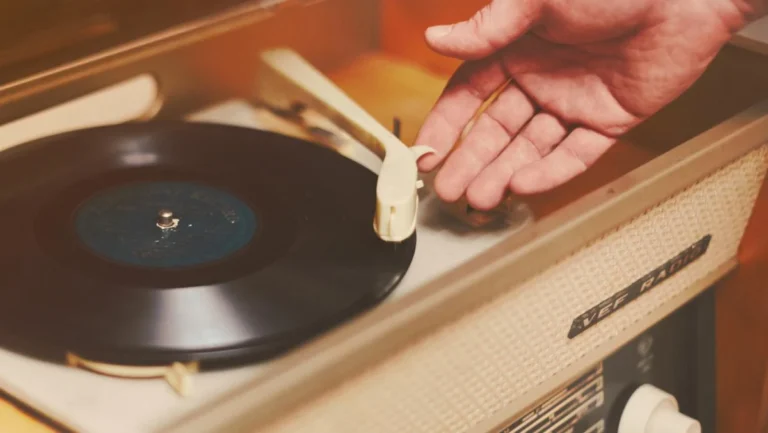
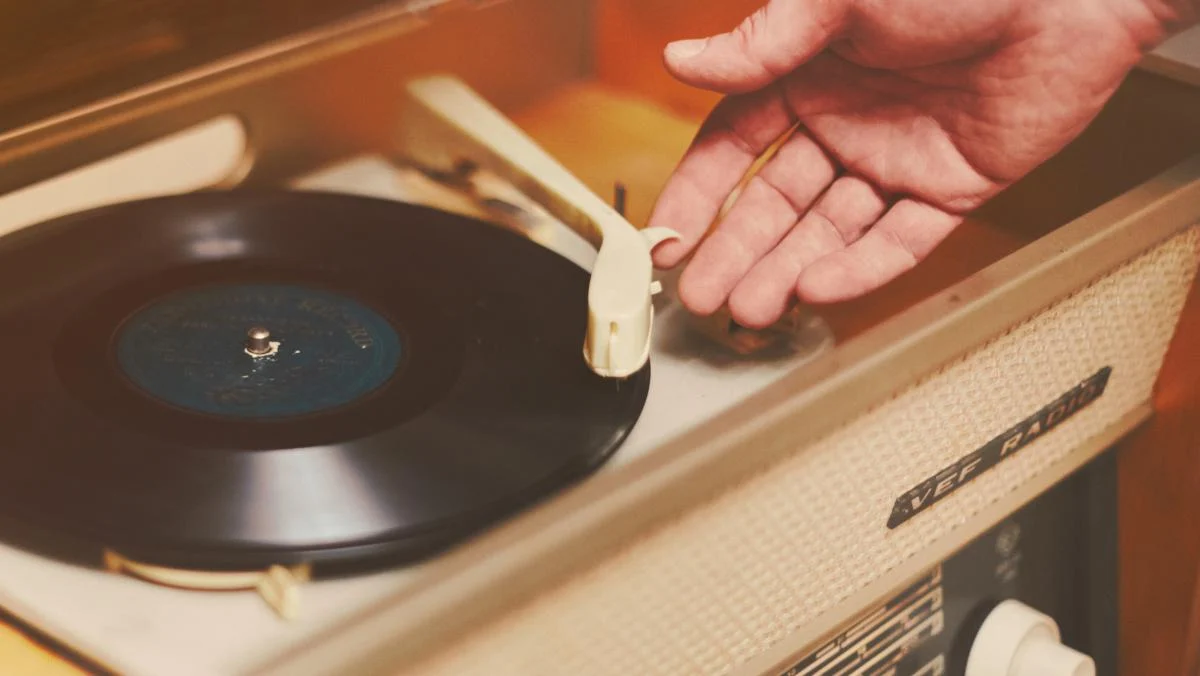
It is the sensation of profound, unguarded warmth triggered when a brand reminds you that you are part of something older than your own taste. It is not nostalgia—which mourns the past as a lost paradise—nor is it traditional "authenticity," which often performs the present as a manicured reality. Instead, Heirlooming is the recognition of continuity; it is the realization that the best parts of our identity are inherited from those who came before us.
The Death of Irony: The Rise of the Earnest
For years, social media was defined by "cringe-armor." To care out loud was to invite mockery; to be sincere was to pay a social tax. However, by the close of 2025, a fatigue set in. The "doomscrolling" cycle reached a saturation point, and in its place rose the hopecore phenomenon on platforms like TikTok.
Hopecore—defined by radical optimism, gentle affirmations, and raw, human moments—has garnered hundreds of millions of views. It serves as a necessary psychological counterweight to the instability of the modern era. Cultural analysts are now confirming a "return to the earnest," where caring is no longer a liability but a cultural flex. This shift is evident in the mainstreaming of "granfluencers" like Lillian Droniak, whose engagement rates often eclipse those of hyper-engineered Gen Z influencers, and in the box-office success of films like Project Hail Mary, which audiences have affectionately dubbed "hopecore in space."
Chronology of a Soft Revolution
The shift toward Heirlooming as a strategic imperative for global brands can be tracked through a series of landmark events in early 2026:
- January 23, 2026: Jacquemus shatters luxury marketing conventions by naming Liline—the founder’s 79-year-old grandmother—as the brand’s first global ambassador. The move replaces the traditional, hyper-engineered celebrity with a narrative of genuine lineage.
- January 2026: Cadbury Dairy Milk releases its Homesick film via VCCP. The campaign highlights the beauty of imperfect, inherited gestures, featuring a care package containing a half-eaten chocolate bar—a symbol of childhood sibling mischief rather than polished consumerism.
- February 2026: LaLiga launches 42 Legacies, 42 Ways to Win, a campaign that shifts the focus of football from the spectacle of the pitch to the intergenerational rituals of the fans.
- April 10–13, 2026: The "Retro Matchday" event sees 38 of 42 clubs in Spain’s top divisions donning historical kits, effectively prioritizing the "past tense" as a differentiator in a category obsessed with the future.
Case Studies: The Mechanics of Transmission
To understand why Heirlooming is succeeding where traditional marketing fails, we must look at how these brands have successfully "animated" the past rather than simply archiving it.
Jacquemus: The Grandmother as the Anti-Nepo Baby
The appointment of Liline as a brand ambassador was a masterclass in sentimental theater. By creating a mock-manifesto that required the ambassador to "say ‘family’ instead of ‘brand’" and "smile, always," Jacquemus reclaimed the narrative of the heritage brand. In an economy saturated with manufactured celebrity, Liline offered something no marketing budget can buy: continuity. She does not borrow credibility from the brand; the brand borrows its sense of soul from her.
Cadbury: The Domesticity of Distance
Cadbury’s Homesick campaign operates on the principle that generosity is not a performance. By dramatizing the act of sending a half-eaten chocolate bar 6,000 miles away, the brand tapped into the loneliness epidemic. It reframed a "care package" not as a commercial transaction, but as a domestic love language. The alien sticker on the foil is an "unmistakable signature of childhood"—a piece of evidence that the recipient belongs to a home, a history, and a sibling bond that persists despite physical distance.
LaLiga: Rituals Over Spectacle
For twenty years, the sports industry has been defined by the commerce of streaming rights and player transfers. LaLiga’s decision to have players walk onto the pitch accompanied by the parent or grandparent who first introduced them to the game was a radical departure. It reminded the audience that a sport is not just a broadcast product; it is a hereditary passion. By adopting retro graphics and historical kits, LaLiga demonstrated that a brand can stand out by staking its identity on the "past tense made visible."
The Strategic Implications for Modern Brands
For brands looking to adopt the Heirlooming sentiment, the mandate is clear: Do not archive the past; animate it. This requires a shift in three specific execution levers:
- The Casting Lever: Abandon the cycle of renting Gen Z attention through transient influencer rotations. Instead, commission protagonists who share actual DNA—siblings, multi-generational families, or mentor-mentee duos shot in their natural environments.
- The Product Ritual Lever: Develop customer journeys that are explicitly designed to be shared. Think of gift mechanics, hand-me-down services, or product features that gain value as they age rather than as they are replaced.
- The Brand Language Lever: Pivot the lexicon. Replace terms like "disruptive," "innovative," and "new" with words like "continued," "inherited," and "reworked." The objective is to make a brand feel less like a product launch and more like a household.
Economic and Cultural Impact
The rise of Heirlooming is rerouting consumer desire away from self-optimization—the constant quest to upgrade oneself—and toward self-continuity. This has profound implications for sustainability. When we value an object because it is an "heirloom," sustainability ceases to be a moral homework assignment and becomes a logical infrastructure. We take care of things because we anticipate that someone else—a child, a protégé, a friend—will inherit them.
Maturity, for the first time in a decade, is becoming aspirational. It is no longer viewed as a restraint on personal expression, but as a vessel for transmission.
The Risks of the "Soft Revolution"
However, there is a dangerous precipice brands must avoid: sentimental kitsch. If a brand attempts to sell Heirlooming through hollow marketing, it risks descending into "treacle"—selling pity rather than lineage. Heirlooming must be executed with restraint, craft, and authentic protagonists.
As we look toward the remainder of 2026 and beyond, the most resonant brands will be those that realize they are not merely sellers of goods, but "evolutive connections" between people and time. In a world of increasing digital volatility, the brands that feel most like family—those that honor the weight of what we carry—will possess the deepest, most defensible moats.
The question for every CMO today is no longer "How do we disrupt the market?" but rather: If your brand were to outlive your current strategy, what would you pass on to the next generation? The answer to that question is the foundation of the Heirlooming economy.
About the Author