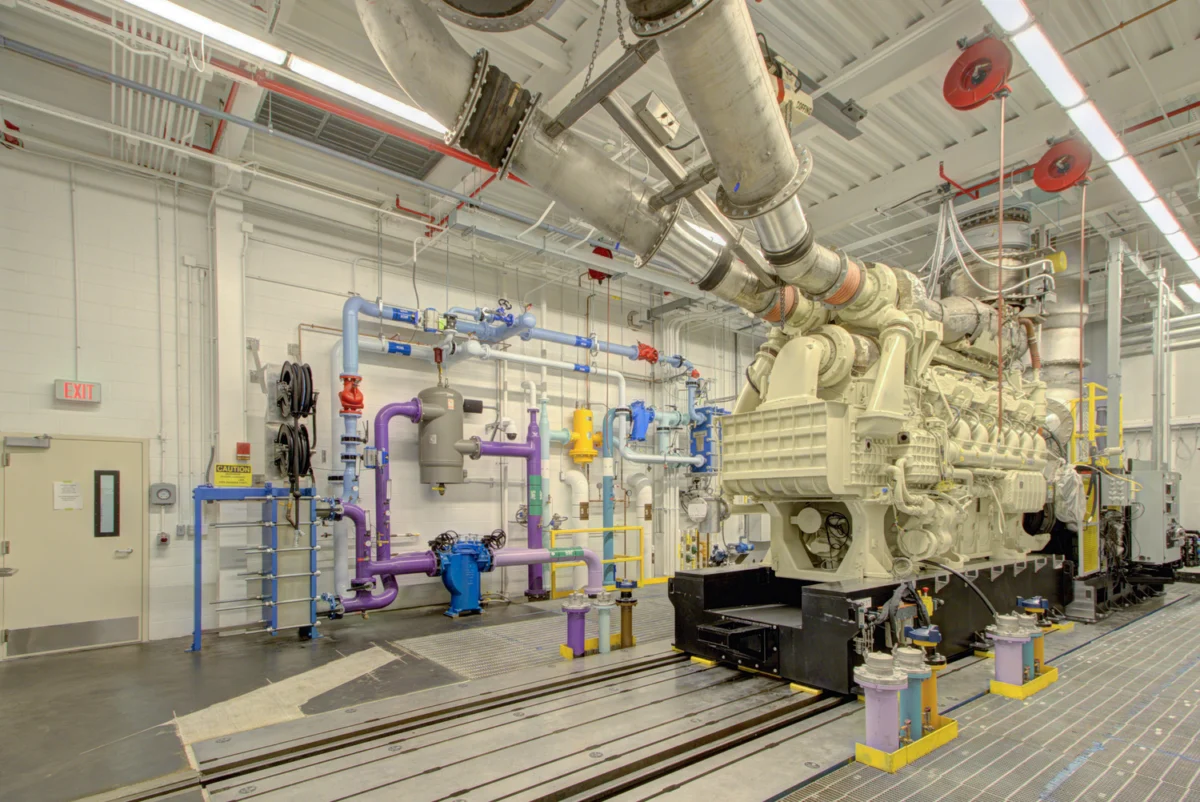
In the high-stakes environment of modern manufacturing, maintenance is the invisible engine of prosperity. While operational success is often measured by throughput, speed, and profit margins, these metrics are entirely dependent on the structural integrity and reliability of the underlying assets. As industrial facilities face increasing pressure to modernize, the traditional "fix-it-when-it-breaks" mentality has been rendered obsolete, replaced by a sophisticated, data-driven approach to asset lifecycle management.
For plant managers, operations leaders, and safety professionals, maintenance is no longer just a cost center—it is a strategic pillar that dictates a facility’s ability to remain competitive, safe, and sustainable.
Main Facts: The Pillars of a Mature Maintenance Strategy
At its core, a robust maintenance program is built upon a hierarchy of strategies. The industry has moved toward a "balanced portfolio" approach, where preventive, predictive, and corrective measures are applied based on the specific criticality of the asset.
1. The Backbone: Preventive Maintenance (PM)
Preventive maintenance remains the foundational layer. By adhering to calendar-based or usage-based schedules—such as lubrication cycles, sensor calibration, and component replacements—plants establish a baseline of reliability. However, the modern challenge is preventing "maintenance bloat." A task that was essential five years ago may be redundant today due to upgrades in materials or changes in operational load.
2. The Intelligence Layer: Predictive and Condition-Based Maintenance (PdM/CBM)
The shift from time-based to condition-based maintenance represents the most significant technological leap in the field. By utilizing vibration analysis, thermal imaging, oil analysis, and real-time energy consumption data, facilities can "hear" a machine failing long before it stops. This intelligence allows teams to intervene during planned windows, turning potential catastrophic failures into minor, scheduled adjustments.
3. The Strategic Choice: Corrective Maintenance
Not every component requires high-tech monitoring. For low-cost, non-critical items, "run-to-failure" is a perfectly acceptable—and often cost-effective—strategy. The key differentiator for a world-class plant is the intentionality behind this decision. A mature organization knows exactly which assets are critical to safety, throughput, and compliance, and directs its high-value resources toward those specific areas.
Chronology: The Evolution of Industrial Reliability
The trajectory of industrial maintenance has unfolded in four distinct stages over the past century:
- The Early 20th Century (Reactive Era): Maintenance was purely corrective. Machinery was operated until failure, leading to massive downtime and safety hazards.
- The Post-War Industrial Boom (Preventive Era): As systems became more complex, companies realized that scheduled maintenance could extend the life of equipment. The calendar-based PM model became the industry standard.
- The Digital Transformation (Predictive Era): Beginning in the late 1990s and accelerating in the 2010s, the introduction of IoT sensors and specialized diagnostics allowed plants to move from time-based to condition-based intervals.
- The Present Day (Cognitive Era): We are now in the age of AI-enabled maintenance, where machine learning models synthesize massive datasets to predict not just when a machine will fail, but why, and how to optimize the repair process for maximum efficiency.
Supporting Data: The Cost of Neglect vs. The ROI of Strategy
The financial case for proactive maintenance is stark. Industry analysis consistently demonstrates that deferred maintenance acts as a "hidden tax" on productivity.
- The Downtime Premium: Unplanned downtime costs manufacturers an average of $260,000 per hour, according to various industry benchmarks. When a machine breaks unexpectedly, costs are compounded by the need for expedited shipping of parts, premium labor rates for overtime, and the loss of product quality during startup and shutdown sequences.
- The Maintenance Balance: Research suggests that for every dollar spent on a rigorous, predictive maintenance program, plants can expect to save between $4 and $7 in avoided repairs, secondary damage, and energy savings.
- Asset Longevity: Facilities that transition from purely reactive to predictive maintenance report an average increase of 20% to 30% in the remaining useful life (RUL) of their capital equipment.
Furthermore, redundant systems—such as backup generators or auxiliary pumps—are often neglected because they are "not currently in use." Data shows that nearly 15% of emergency systems fail during critical events because they were never tested under load, transforming a safety feature into a false sense of security.
Official Perspectives: Industry Leadership and AI Integration
Leading experts in industrial engineering, including firms like ACS (Advanced Consulting Services), emphasize that "future-proofing" is a mindset rather than a purchase.
"Technology is a tool, not a solution," notes a recent industry report on test-cell integration. "The most successful facilities are those that use AI and advanced analytics to empower their human teams, not replace them."
The consensus among reliability engineers is that AI is best utilized for pattern recognition. While an experienced technician knows the specific "sound" or "feel" of a healthy pump, an AI system can monitor 10,000 pumps simultaneously across a global network. By combining human institutional knowledge with AI-driven predictive insights, companies are seeing a drastic reduction in "false positives," allowing technicians to focus their energy on genuine risks.
Implications: The Road Ahead for Plant Managers
The implications of these developments for facility leadership are threefold:
1. Cultural Transformation
Adopting a predictive mindset requires breaking down silos. Maintenance teams, production managers, and IT departments must collaborate to ensure that data flows freely from the factory floor to the boardroom. Maintenance is no longer an isolated department; it is a collaborative operation.
2. Investing in Talent
As maintenance becomes more technical, the "grease monkey" stereotype is being replaced by the "reliability engineer." Facilities must invest in training their staff to handle data analytics, sensor maintenance, and AI software. The future of manufacturing belongs to the workforce that can bridge the gap between mechanical hardware and digital intelligence.
3. Sustainability and Safety
A well-maintained plant is, by definition, a safer and more sustainable one. Efficiently running motors consume less energy, reducing the facility’s carbon footprint. Properly maintained safety systems reduce the risk of industrial accidents. In an era where ESG (Environmental, Social, and Governance) metrics are increasingly important to investors and regulators, maintenance is a key component of corporate responsibility.
Final Synthesis
The path forward for the modern manufacturing plant is one of balance. The goal is to move away from the binary choice of "fix it now" or "fix it later." Instead, the objective is to create a dynamic, living maintenance ecosystem where the work performed is proportional to the risk managed.
By integrating preventive consistency, predictive intelligence, and corrective focus, plant managers can build a resilient infrastructure capable of weathering the inevitable shifts in production demands. In the end, the most effective maintenance programs are those that make the work invisible—ensuring that the plant remains a seamless, high-performing environment that is always ready for what comes next.
About the Author