Motorola’s trajectory in the global smartphone market has been one of the most compelling narratives in the mobile hardware sector over the last few years. Once relegated to the periphery of the "big three" dominated by Apple, Samsung, and Huawei, the company is mounting a concerted effort to reclaim its status as a top-tier manufacturer. The latest manifestation of this ambition is the Motorola Edge 70 Pro, a device that aims to bridge the gap between premium luxury aesthetics and mid-range accessibility.
Priced at £749.99 in the UK, the Edge 70 Pro is a bold statement piece. It boasts a stunning, high-refresh-rate curved display, a versatile quad-50MP camera array, and a design language that feels distinctly more expensive than its price tag would suggest. However, beneath the polished exterior, the device presents a complex value proposition—one that forces potential buyers to weigh design excellence against raw computational power and battery longevity.
Main Facts: The Edge 70 Pro at a Glance
The Motorola Edge 70 Pro is designed to capture the attention of users who prioritize aesthetics and photography without committing to the four-figure price tags of flagship "Ultra" models.
Design and Build Quality
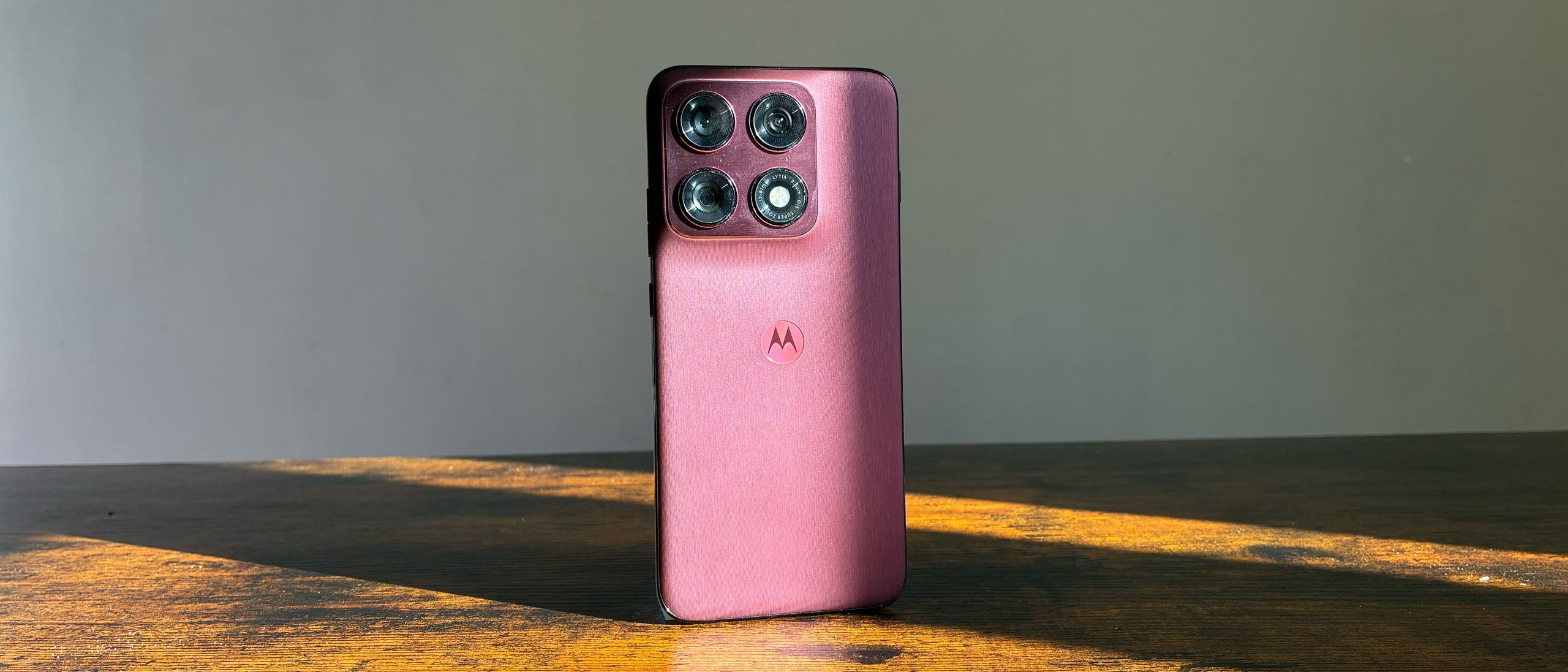
The device is immediately striking. Drawing comparisons to the high-end, glossy designs previously seen in Huawei’s flagship P-series, the Edge 70 Pro features a slim, curved chassis that feels remarkably light in the hand. The review unit, finished in a rich, matte-textured burgundy, exhibits a unique light-refraction quality; the surface seems to glow with subtle pink hues, particularly around the camera housing. This design choice elevates the phone from a standard slab of glass and metal to a piece of tech-fashion.
Display Prowess
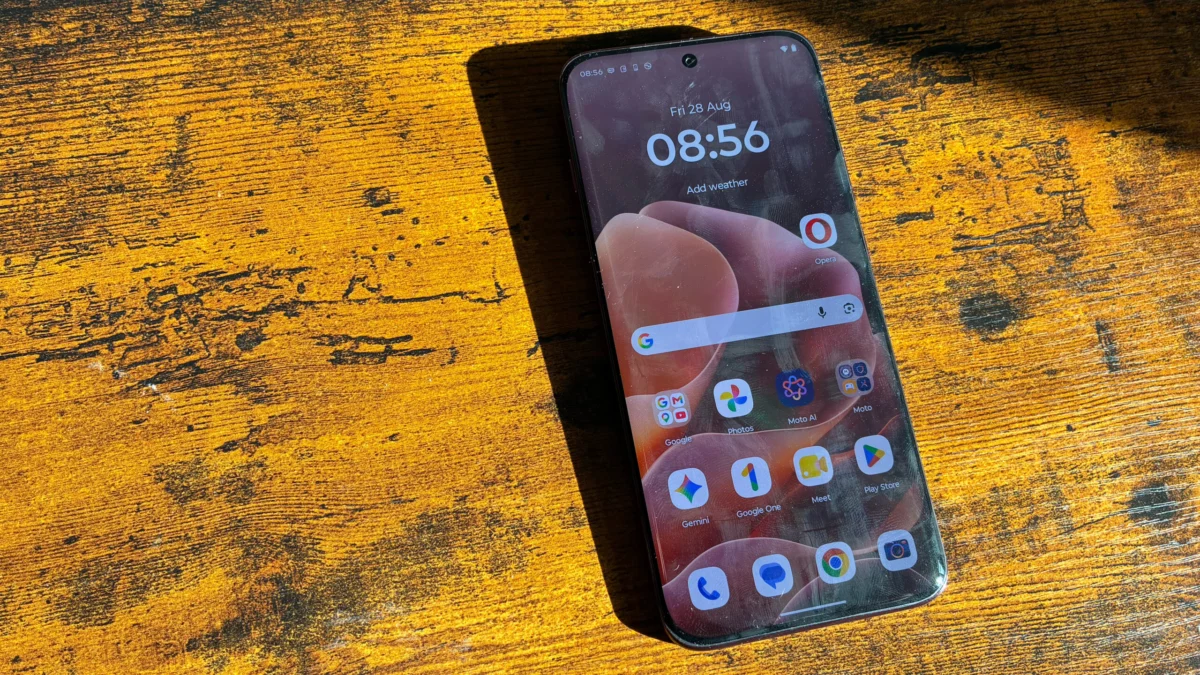
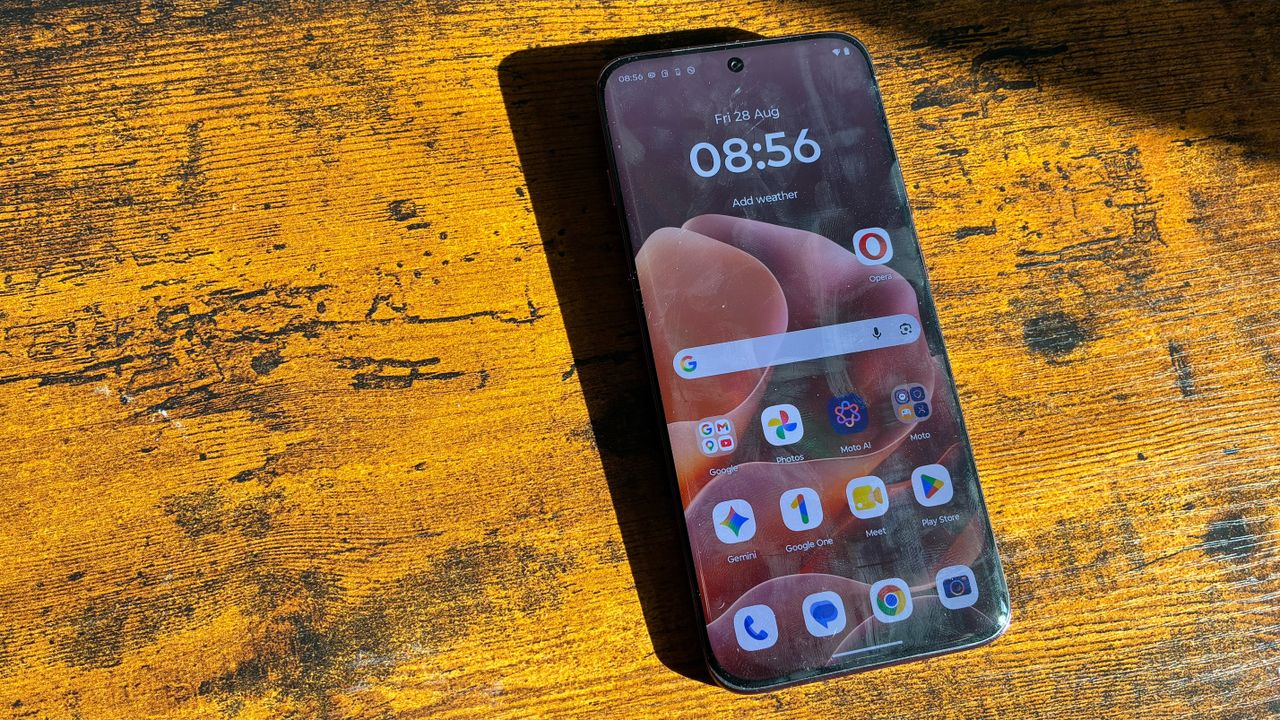
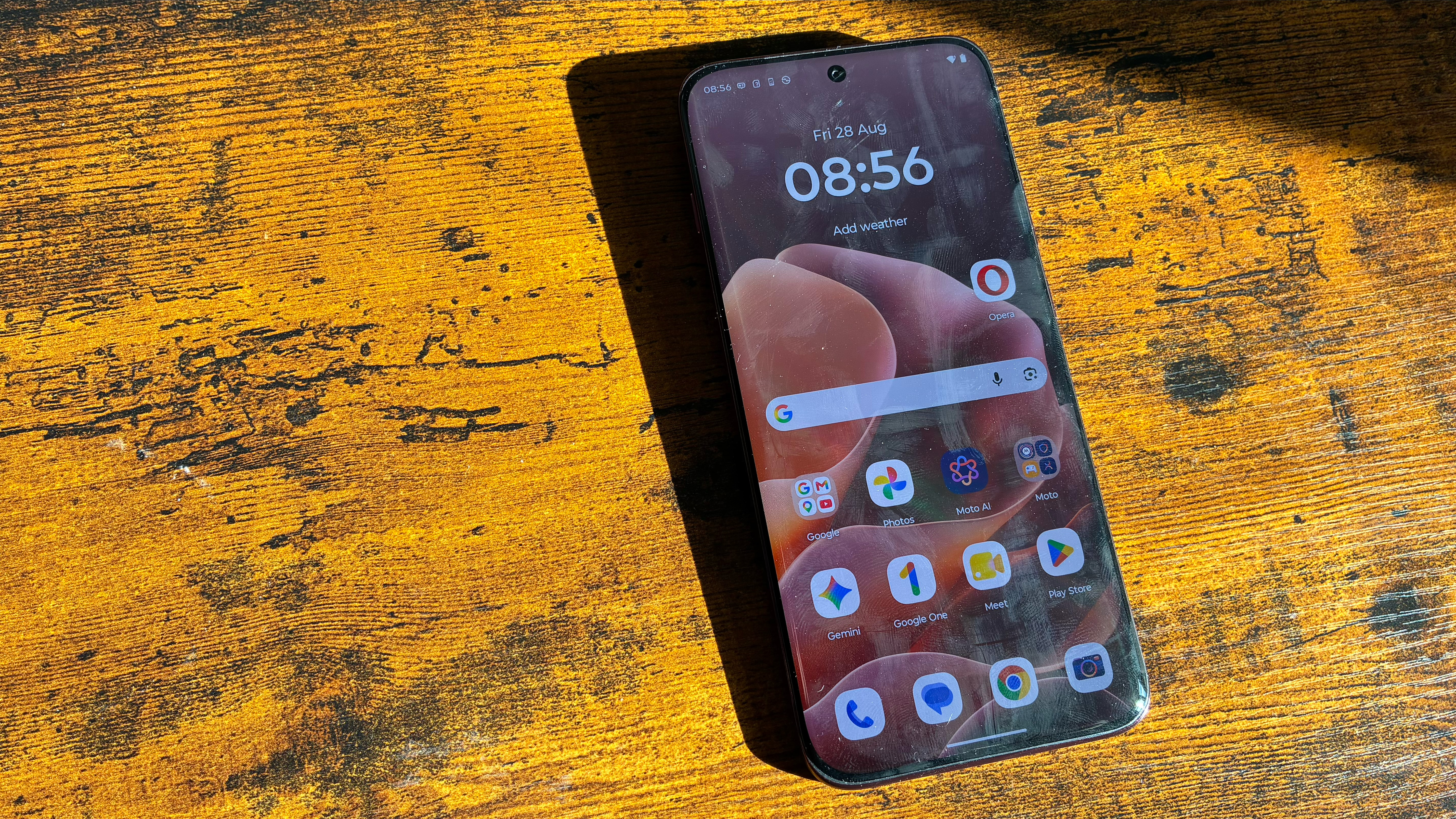
The visual centerpiece of the handset is its 6.78-inch P-OLED display. Featuring a resolution of 1272 x 2772 and a 144Hz refresh rate, the screen is undeniably fluid. The "P" in P-OLED denotes a flexible plastic substrate, allowing for the gentle curvature that makes the screen appear wider and the phone itself seem thinner than its actual dimensions (162.7 x 75.6 x 7.2mm).
Imaging Capabilities
Perhaps the most ambitious feature is the camera system. Motorola has equipped the Edge 70 Pro with four 50MP lenses: a primary wide sensor, a periscope telephoto lens with 3.5x optical zoom, an ultrawide lens, and a 50MP selfie camera. This configuration is rare at the £750 price point, aiming to offer professional-grade flexibility to content creators.
Chronology: The Evolution of the Edge Series
Motorola’s journey to the Edge 70 Pro did not happen in a vacuum. The brand’s identity has been shifting steadily since the introduction of the first Edge models, which initially served as niche, high-priced "concept" devices.
- Early Stages: The initial Edge handsets were defined by their "waterfall" displays, which prioritized extreme curvature over ergonomic utility.
- The Pivot: Recognizing that users wanted practical performance alongside style, Motorola began refining the software experience and internal components, moving toward the cleaner, near-stock Android experience they are known for today.
- Current State: With the 70 series, Motorola has reached a point of maturity. The company has moved away from the "extreme" curves that made earlier models fragile or prone to accidental touches, opting instead for a more subtle, usable aesthetic that mimics the design philosophy of the industry’s top-tier manufacturers.
Supporting Data: Performance and Technical Analysis
While the outward appearance of the Edge 70 Pro is unimpeachable, its internal performance creates a more divided picture for power users.
Benchmark Limitations
Under the hood, the device utilizes the MediaTek Dimensity 8500 Extreme chipset, paired with 12GB of RAM. While this is a capable mid-range silicon, it faces stiff competition. In our testing, the handset achieved a Geekbench 7 single-core score of 1,035 and a multi-core score of 4,791.
These figures are somewhat underwhelming when compared to competitors like the Samsung Galaxy S25 FE or the iPhone 17e. While daily tasks—email, Slack, and social media browsing—remain fluid, the chipset’s limitations become apparent during sustained high-intensity tasks or heavy gaming, where the thermal throttling can occur more rapidly than in top-tier flagship chips.
Battery and Efficiency
The battery life also serves as a point of contention. In our rigorous looped video test, the Edge 70 Pro lasted 12 hours and 23 minutes. While this is sufficient for a workday, it trails behind many of its contemporaries that consistently push past the 15-hour mark.
However, it is important to note the disparity between synthetic benchmarks and "real-world" usage. In our hands-on testing, the device fared better, comfortably lasting into a second day of moderate use. This suggests that while the efficiency of the chipset under stress is not optimal, the device’s power management software is well-optimized for typical user habits.
Color Accuracy and Display Metrics
On the testing bench, the P-OLED panel performed exceptionally well. It demonstrated 100% coverage of the sRGB color space and 161.1% volume under the "Vivid" setting. While the "Vivid" mode can sometimes lean toward oversaturation, users have the option to toggle to "Natural" for a more balanced output. Peak brightness reached 513.41cd/m2, which, while not class-leading, is more than sufficient for outdoor visibility, aided significantly by the highly responsive automated brightness adjustment system.
Official Responses and Market Positioning
Motorola has maintained a consistent narrative regarding the Edge 70 Pro: it is a "premium experience" device designed for the modern professional. In the US market, Motorola continues to hold a position as the third most popular brand, consistently trailing only Apple and Samsung.
Industry analysts suggest that Motorola’s strategy is not to win the "spec war," but to win the "usability war." By focusing on high-quality build materials, a balanced Android software skin, and versatile camera hardware, they are targeting a demographic that values longevity and aesthetic appeal over raw benchmark dominance. When questioned on the use of mid-range chipsets in premium-priced phones, company representatives emphasize that the "user experience" is determined by the synergy of hardware and software, rather than raw processor clock speeds.
Implications: Is the Edge 70 Pro a Wise Investment?
The Motorola Edge 70 Pro is a quintessential "mixed bag" for the modern consumer. To determine if it is the right phone for you, one must consider what is being prioritized.
The Case for the Pro
If you are a professional who values the aesthetic of your tools, the Edge 70 Pro is hard to beat at this price point. It looks and feels like a luxury object. The inclusion of a 3.5x optical zoom lens—a feature often stripped away in mid-range devices—makes it an excellent companion for travel and content creation. Furthermore, the 144Hz display provides an interface experience that feels faster and more responsive than many phones twice its price.
The Case Against the Pro
The device is less ideal for the "power user" or the mobile gamer. If your workflow involves heavy video rendering, intense multitasking, or long periods of high-frame-rate gaming, the MediaTek Dimensity 8500 chip may eventually feel like a bottleneck. Additionally, if battery anxiety is a primary concern, the sub-13-hour performance in stress tests may be a disqualifying factor compared to the endurance offered by the S25 FE or newer iPhone models.
Final Verdict
The Motorola Edge 70 Pro represents a brand that is comfortable in its own skin. It isn’t trying to be the fastest phone on the market, nor is it trying to revolutionize the way we use smartphones. Instead, it offers a refined, elegant, and highly capable handset that serves as a stylish alternative to the increasingly homogeneous designs of its competitors.
For the average professional who wants a phone that looks great on a boardroom table, takes excellent photos, and offers a silky-smooth screen experience, the Edge 70 Pro is a fantastic choice. However, for those chasing the bleeding edge of performance, it may be worth waiting for the next iteration or looking toward higher-tier alternatives. Motorola has successfully proven that they can build a device that looks as good as anything Apple or Samsung can offer—now, the challenge remains to ensure the internals can keep pace with that ambitious exterior.
About the Author