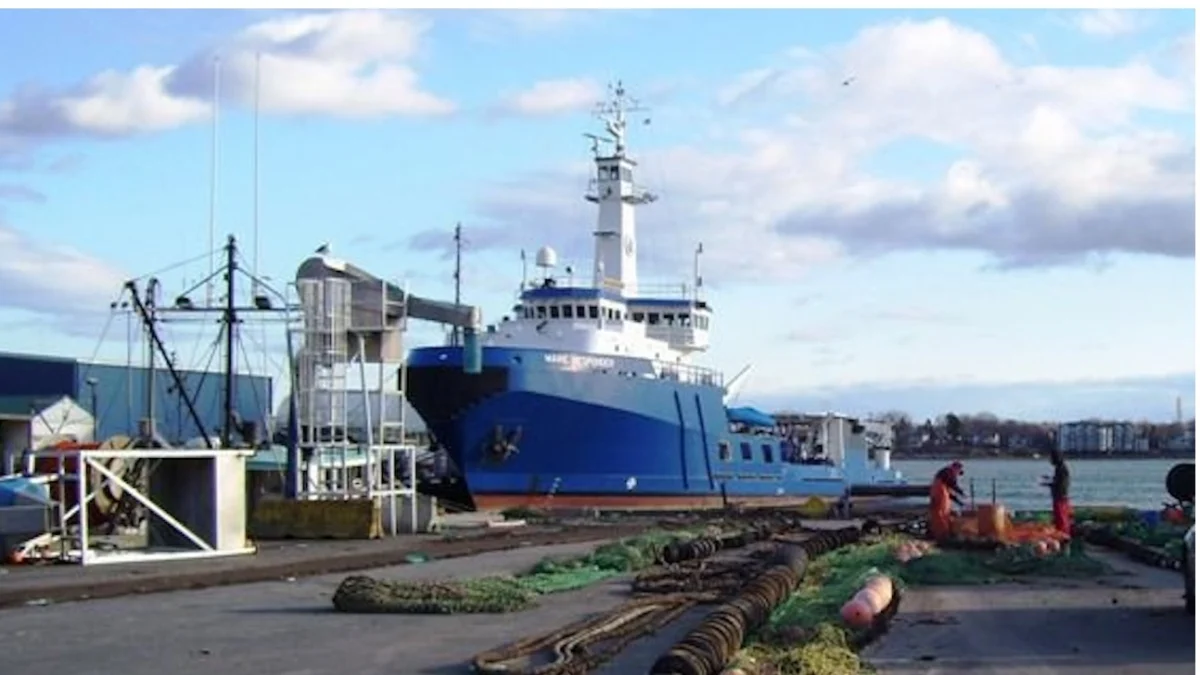
The Port of Portland’s International Marine Terminal (IMT) has officially embarked on a transformative $3.2 million modernization project, signaling a significant shift in Maine’s maritime capabilities. This initiative, spearheaded by the Maine Port Authority in close partnership with the Maine Department of Transportation (MaineDOT), aims to overhaul the terminal’s container yard, storage infrastructure, and logistical access systems. By integrating advanced electrical support for refrigerated cargo, the project positions the Port of Portland as a critical node in the Northeast’s cold-chain logistics network.
The Core Objective: Modernizing the International Marine Terminal
The $3.2 million capital investment is being facilitated through the Maritime Administration’s (MARAD) Port Infrastructure Development Program, with essential matching funds provided by MaineDOT. The primary goal is to address the growing demand for efficient, temperature-controlled cargo handling.
In the modern shipping environment, the ability to move perishable goods—ranging from pharmaceuticals to fresh produce—requires more than just physical space; it requires a sophisticated electrical grid capable of powering "reefers" (refrigerated containers) both during storage and in transit. By upgrading the terminal’s container yard, the Port of Portland is evolving from a traditional transit point into a highly specialized, electrically supported logistics platform.
This modernization focuses on three critical touchpoints:
- Ship-to-Yard Efficiency: Streamlining the offloading process to ensure cargo enters the cold-storage environment as quickly as possible.
- Optimized Yard Management: Expanding the capacity for refrigerated storage, reducing bottlenecks, and minimizing the time goods spend in transit within the terminal.
- Multi-Modal Integration: Improving access for onward transit, whether through rail networks or regional trucking, ensuring that temperature-sensitive goods maintain their integrity until they reach their final destination.
Chronology of Development: From Concept to Construction
The journey toward this modernization project did not happen overnight. It is the result of years of strategic planning aimed at capitalizing on Maine’s unique geographic position in the North Atlantic.
- Pre-2023 Planning Phase: MaineDOT and the Maine Port Authority identified the IMT as a potential bottleneck for refrigerated cargo growth. Recognizing that the existing power infrastructure could not keep pace with the increasing volume of specialized shipping containers, authorities began the process of securing federal grants.
- The MARAD Application: Through the Port Infrastructure Development Program, the Maine Port Authority made a compelling case that investment in Portland would bolster national supply chain resiliency, particularly for the cold-storage sector.
- Grant Approval and Matching Funds: Once the federal backing was secured, MaineDOT committed to the necessary matching funds, confirming the state’s prioritization of maritime infrastructure as a catalyst for economic development.
- Current Status (2024-2025): Construction is currently underway at the terminal. Site preparation, including the installation of high-capacity electrical conduits and the reorganization of the container yard, is progressing as the port continues to handle daily maritime traffic.
- Future Milestones: The completion of the upgrades is expected to coincide with an uptick in demand for regional cold-chain services, providing the IMT with the scalability needed to handle larger volumes of perishables throughout the remainder of the decade.
Supporting Data: Why Cold Chain Matters
The shift toward refrigerated logistics is driven by broader market trends. According to industry analysts, the cold chain market is projected to grow significantly as consumer demand for year-round fresh food and the expansion of the pharmaceutical industry—which requires precise temperature control for vaccines and other biologic products—continues to accelerate.
The Port of Portland’s investment is backed by several key logistics indicators:
- Volume Scalability: The current upgrade allows for a higher "plug-in" density for refrigerated units, meaning more containers can be stored simultaneously without compromising their internal temperatures.
- Efficiency Gains: By modernizing access systems, the terminal reduces "dwell time," or the amount of time a container sits idle. In the cold-chain industry, every hour saved is a reduction in the risk of cargo spoilage.
- Multi-Modal Connectivity: Maine’s rail and highway infrastructure is being viewed as an extension of the port. By improving yard access, the IMT ensures that once a ship docks, the "yard-to-store" transit segment is as seamless as possible.
Official Responses and Strategic Vision
State officials have highlighted the project as a vital component of Maine’s broader economic strategy. By upgrading the IMT, Maine is not just serving its local population but is positioning itself as a strategic gateway for the broader New England region.
"The modernization of the International Marine Terminal is about more than just concrete and power lines," a spokesperson for MaineDOT noted during the project announcement. "It is about creating a resilient infrastructure that supports our shippers and connects Maine businesses to the global economy. By focusing on refrigerated logistics, we are addressing a high-value sector that requires precision, speed, and reliability."
The Maine Port Authority has emphasized that the collaboration between federal and state entities demonstrates a shared commitment to maritime vitality. This project serves as a model for how smaller, regional ports can punch above their weight class by specializing in niche logistics—in this case, cold-chain capacity—rather than trying to compete solely on volume with massive global hubs.
Broader Implications for the Freight Industry
The implications of this $3.2 million investment reach far beyond the borders of Maine. For the freight and logistics industry, the IMT modernization serves as a bellwether for the future of secondary ports.
The Rise of Regional Hubs
As major ports like Los Angeles and Savannah face chronic congestion, there is an industry-wide move toward "de-risking" the supply chain by utilizing smaller, more agile ports. Portland’s focus on high-tech, cold-storage capability allows it to offer services that larger, more congested ports might struggle to prioritize.
Sustainability and Electrification
The shift toward an electrically supported terminal is also a green initiative. By providing robust shore power and integrated electrical grids for reefer storage, the IMT reduces the need for refrigerated containers to rely on diesel-powered "gensets" (portable generators) while in the yard. This transition directly contributes to lower carbon emissions at the terminal level, aligning the port with national and international sustainability goals.
Strengthening the Supply Chain
The project ensures that Maine-based exporters of food and beverage products have a reliable path to market. Similarly, it creates an attractive entry point for international goods destined for the North American market. When a shipper knows their cargo will be handled with modern, reliable, and energy-efficient systems, they are more likely to commit to that port as a long-term logistics partner.
Conclusion: A New Chapter for Portland’s Waterfront
The International Marine Terminal’s transformation is a testament to the importance of proactive infrastructure investment. By identifying a specific market need—the demand for refrigerated logistics—and securing the funding to address it, the Maine Port Authority and MaineDOT are ensuring that the Port of Portland remains a vibrant, competitive, and essential asset in the global supply chain.
As construction continues and the new systems come online, the industry will be watching closely to see how the IMT leverages these upgrades. With a focus on modernizing the ship-to-store pipeline, Portland is not just moving containers; it is securing its future as a sophisticated, reliable, and modern maritime gateway. Whether through improved rail connections, faster truck turnarounds, or expanded cold-storage capacity, the project promises to yield significant dividends for the Maine economy and the broader Northeast logistics corridor for years to come.
About the Author