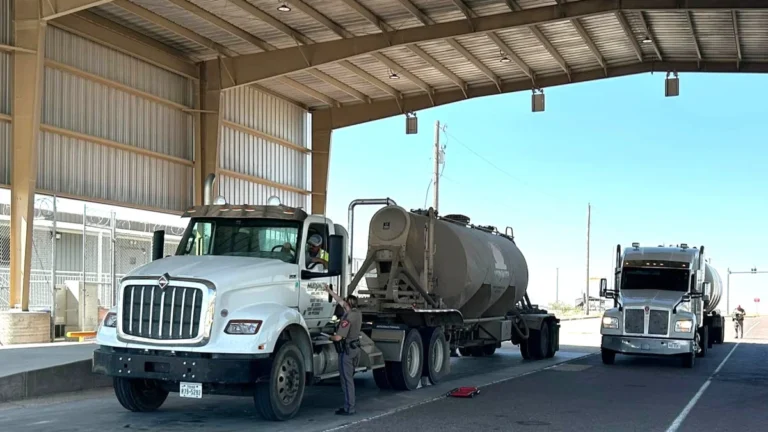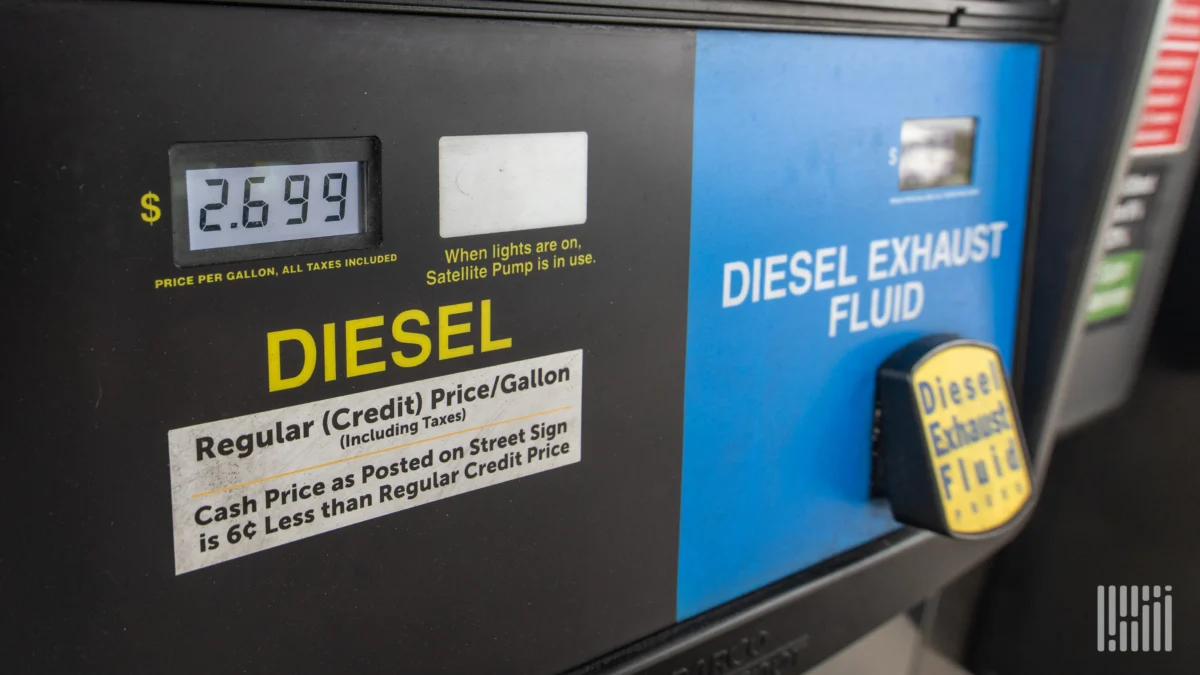
The federal regulatory landscape governing heavy-duty diesel engines has reached a critical juncture. The Environmental Protection Agency (EPA) recently concluded a high-stakes public comment period regarding a controversial proposal—colloquially dubbed the "DEF Rule"—that aims to reshape how operators manage Diesel Exhaust Fluid (DEF) and Selective Catalytic Reduction (SCR) systems. With nearly 200 submissions recorded, the discourse reveals a deep divide between environmental advocates concerned about air quality and a trucking industry desperate to end the "punitive" practice of engine deratement.
The proposal, published in the Federal Register on July 14, seeks to address long-standing grievances regarding "inducements"—the automated system protocols that force a vehicle to slow down or enter "limp mode" if sensors detect low or poor-quality DEF. As the comment window closed, the industry and the agency now face the daunting task of reconciling these competing interests.
A Chronology of Regulatory Evolution
The current debate is the culmination of three distinct EPA actions taken over the past 14 months, each attempting to balance emissions mandates with the practical realities of heavy-duty vehicle operations.
- August 2025 Guidance: In an effort to address immediate industry complaints, the EPA released guidance intended to widen the scope of "acceptable inducements," moving away from immediate engine speed reductions.
- March 2026 Guidance: The agency provided further clarity, effectively opening the door for manufacturers to prioritize the use of Nitrogen Oxide (NOx) sensors over the notoriously unreliable Urea Quality Sensors (UQS), which had been a primary driver of false-positive engine deratements.
- The July 2026 Formal Proposal: This formal regulatory action, which just concluded its comment period, seeks to codify changes that would replace harsh deratements with "audible and visual signals," effectively warning operators of depleted fluids without forcibly throttling the vehicle’s performance.
While "guidance" serves as an interpretive tool, it lacks the force of law. The current proposal represents the EPA’s attempt to move from informal recommendations to a binding regulatory framework.
The Mechanics of "Inducements" and Engine Performance
At the heart of the controversy is the concept of an "inducement." Under current standards, if an engine’s SCR system detects that DEF levels are critically low or the fluid is contaminated, the vehicle’s onboard computer initiates a sequence of events designed to force the operator to stop and refuel. This often manifests as a significant reduction in power or speed—the "deratement."
For fleet operators, particularly those in the motor coach and agricultural sectors, these deratements are not merely inconvenient; they are safety hazards. A bus that suddenly loses power while navigating high-traffic urban corridors, such as the approach to the Lincoln Tunnel, can create massive traffic congestion and, ironically, increase local emissions through idling vehicles trapped in gridlock.
The EPA’s proposal seeks to replace these restrictive mechanical penalties with a more nuanced system of persistent audible and visual alerts. By moving the burden of compliance from the machine’s hardware to the driver’s awareness, the agency hopes to maintain environmental compliance without compromising operational safety.
Stakeholder Perspectives: A Clash of Priorities
The public comments submitted to the EPA illustrate the conflicting pressures facing regulators.
The Manufacturing Perspective
The Truck and Engine Manufacturers Association (EMA), representing industry giants such as Cummins, Daimler Truck North America, and PACCAR, has offered a measured response. The EMA supports the move away from aggressive deratements, noting that SCR systems are fundamentally effective at reducing NOx while allowing engines to run at higher temperatures, which optimizes fuel efficiency.
However, the EMA cautioned against abandoning the existing guidance. "We believe the existing August guidance is sufficient," the association noted in its filing. They argue that manufacturers are still in the process of rolling out these changes across the fleet, and any sudden shift in regulatory direction could create instability for the thousands of nonroad equipment manufacturers who lack the standardized platforms seen in the trucking industry.
The Retailer and Infrastructure Perspective
The National Association of Truck Stop Owners (NATSO), along with the Society of Independent Gasoline Marketers of America (SIGMA) and the National Association of Convenience Stores (NACS), represents the backbone of the DEF supply chain. These groups warned that the public discourse around "ending" the DEF program is becoming dangerously distorted.
"Whichever inducement framework the Agency ultimately adopts will only function properly if drivers understand that DEF remains required as a matter of law," the coalition stated. They fear that if operators believe the requirement for DEF is being repealed, they may attempt to bypass or remove SCR systems entirely, which would have catastrophic consequences for national emission goals.
Environmental Concerns
Conversely, environmental groups have taken a firm stance against the proposal. Organizations like California Environmental Voters and the Natural Resources Defense Council (NRDC) argue that the EPA is bowing to industry pressure at the expense of public health. They contend that by weakening requirements for "useful life" definitions and shortening emission-related warranty periods, the EPA is undermining its core mission under the Clean Air Act. The NRDC specifically criticized the 45-day comment period, arguing that the technical complexity of the rule required more time for rigorous scientific review.
Technical Implications: Warranties and Nonconformance
The EPA’s proposal goes beyond just deratements. It includes several technical adjustments to the Selective Catalytic Reduction system and addresses the transition to the more stringent 2027 model year NOx standards.
Notably, the proposal introduces "nonconformance penalties" (NCPs). These would allow engine manufacturers to pay a fee to continue selling current-generation engines while they finalize the development of technologies compliant with 2027 standards. While this provides a necessary bridge for manufacturers, environmentalists view this as a "pay-to-pollute" mechanism that delays the deployment of cleaner technology.
Furthermore, the proposal delays the implementation of the "useful life" definition for engines from 2027 to 2030. This shift is intended to give manufacturers more lead time, but critics argue it allows older, dirtier engines to remain in service longer than previously intended.
Addressing the "Bad Information" Epidemic
A significant challenge identified by the Engine Technology Forum (ETF) is the spread of misinformation regarding the future of DEF. Viral videos and social media posts have occasionally suggested that federal authorities intend to "terminate" the DEF program entirely.
This perception has created a false expectation among some operators that they will soon be free from the burden of SCR technology. The ETF has spent significant resources attempting to clarify that DEF remains an essential component of modern diesel engineering. The danger, according to industry analysts, is that if operators believe the requirement is temporary or optional, they may neglect their systems, leading to long-term engine damage and a spike in localized emissions.
Conclusion: The Path Forward
The EPA now faces a difficult balancing act. It must craft a final rule that is technically sound, legally defensible, and politically sustainable. The agency needs to prove that it can maintain stringent air quality standards while providing the operational flexibility that the trucking and agricultural industries claim is vital for survival.
The success of this regulatory effort will likely depend on the clarity of the agency’s communication. As the NATSO/SIGMA/NACS joint filing emphasized, technical changes to deratement schedules will only work if the message to the end-user remains clear: emission control technology is not being abandoned; it is being refined.
As the EPA begins the process of reviewing the 200 submissions, the final rule will serve as a bellwether for the future of the American heavy-duty engine sector. Whether this becomes a victory for common-sense regulation or a retreat from environmental accountability remains to be seen. For now, the industry waits, operating under a complex web of guidance and uncertainty, hoping for a definitive federal standard that finally puts the "DEF controversy" to rest.
About the Author