In a move that signals both long-term economic stability for the West Coast’s maritime sector and a decisive shift toward environmental sustainability, the Port of Los Angeles has officially finalized a 30-year lease agreement with Yusen Terminals LLC (YTI). This sweeping agreement, which extends the terminal operator’s tenure through 2056, is not merely a contract renewal; it is a multi-million-dollar commitment to transforming one of the busiest maritime gateways in the United States into a hub for zero-emission cargo handling.
The deal, which solidifies the partnership between the Port and the Japanese-backed operator, comes at a critical juncture for the global supply chain. As ports worldwide face increasing pressure to modernize, reduce carbon footprints, and handle larger volumes of containerized cargo, this $200 million investment in clean technology serves as a blueprint for the future of green logistics.
The Core Agreement: Anchoring the Future
The new lease agreement ensures that Yusen Terminals will maintain its critical operations at Berths 212-224 along the Port’s East Basin Channel. Spanning 232 acres, this facility has been a cornerstone of international trade since Yusen first began operations at the Port of Los Angeles in 1991.
Under the terms of the new agreement, YTI—which is owned by Ocean Network Express (ONE)—commits to a massive capital expenditure program. The $200 million injection is earmarked specifically for the procurement and integration of zero-emission cargo-handling equipment. This initiative aligns with the Port of Los Angeles’ broader "Clean Air Action Plan," a long-term strategy designed to reduce the environmental impact of port operations while maintaining the facility’s status as a top-tier global shipping destination.
A Historical Chronology: From 1991 to 2056
To understand the significance of this 30-year extension, one must look back at the history of the partnership.
- 1991: Yusen Terminals officially establishes its presence at the Port of Los Angeles, becoming a vital cog in the trans-Pacific trade route.
- The 2000s: The terminal undergoes several phases of expansion, responding to the rapid rise in containerization and the demand for larger, more efficient vessels.
- 2017: The merger of major Japanese carriers creates Ocean Network Express (ONE), which assumes ownership of YTI. This shift brings new corporate resources and a renewed focus on global sustainability standards.
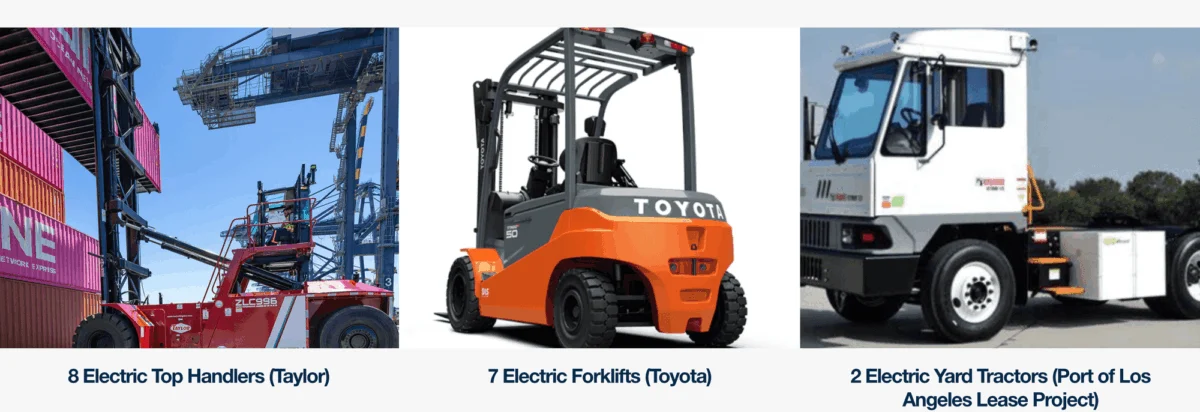
- 2020–2024: Yusen begins a pilot phase for green infrastructure, testing hydrogen fuel-cell yard tractors and electric top handlers.
- August 2026: The Port of Los Angeles and YTI finalize the 30-year lease agreement, effectively guaranteeing the terminal’s operational continuity through 2056.
Strategic Significance: Why This Matters
The Port of Los Angeles is the busiest container port in the Western Hemisphere. Its ability to process millions of TEUs (twenty-foot equivalent units) annually is vital to the U.S. economy. By securing a tenant like Yusen Terminals for the next three decades, the Port gains:
- Economic Certainty: Long-term leases mitigate the risks of operational instability, allowing for long-range planning in infrastructure and workforce development.
- Technological Leadership: By mandating a transition to zero-emission equipment, the Port is positioning itself as a leader in the global "green port" movement.
- Supply Chain Resilience: The partnership with ONE, one of the world’s largest shipping lines, ensures that the terminal remains integrated into a massive, stable, and high-capacity global network.
Supporting Data: The Shift to Zero-Emission Operations
The $200 million investment is not just about replacing old machinery; it is about a total systemic shift. Modern terminal operations rely heavily on heavy-duty equipment, including yard tractors, reach stackers, and forklifts. Historically, these have been powered by diesel engines, which contribute significantly to local air pollution.
YTI’s transition plan includes:
- Full Electrification: Replacing legacy diesel-powered top handlers with high-capacity electric models capable of handling 24/7 terminal operations.
- Hydrogen Integration: Expanding the fleet of hydrogen fuel-cell yard tractors, which offer the high torque needed for moving heavy containers while emitting only water vapor.
- Infrastructure Upgrades: Significant investment in charging grids and hydrogen refueling stations across the 232-acre site, ensuring the utility infrastructure can support a fully electrified fleet.
These investments are designed to work in concert with the Port’s "Clean Truck Program" and other regulatory frameworks, creating a cohesive, low-emission ecosystem from the ship’s berth to the final gate exit.

Official Responses and Corporate Vision
The atmosphere surrounding the signing of the lease was one of mutual optimism. Both the Port administration and the executive leadership at Yusen Terminals view this as a transformative moment for the regional economy.
"We’re proud of the operation we’ve built at the Port of Los Angeles and excited about what lies ahead," said Yusen Terminals President and CEO Alan McCorkle. "This agreement gives us the long-term certainty to continue investing in our terminal, our people, and new technology while providing the reliable service our customers expect. We look forward to building on our partnership with the Port for decades to come."
From the Port’s perspective, the deal is a validation of its ongoing efforts to balance economic throughput with environmental responsibility. Executive officials have noted that the stability provided by this lease allows the port to continue its ambitious capital improvement projects, including dredging, rail expansion, and digital infrastructure upgrades, all while maintaining the lowest possible carbon footprint for a facility of its size.
Broader Implications for the Logistics Sector
The Yusen Terminals deal provides a clear signal to the rest of the maritime industry. As shipping lines face stricter International Maritime Organization (IMO) regulations and consumer demand for "green supply chains" rises, terminal operators can no longer afford to ignore the environmental impact of their operations.
Implications for Competitors
Other major terminal operators in the San Pedro Bay complex—and indeed at ports across the globe—will likely face increased pressure to follow suit. The standard has been set: a 30-year operational horizon is now intrinsically linked to a decarbonization mandate. Companies that fail to invest in zero-emission technology now risk being outpaced by partners who are willing to make the long-term financial commitment to sustainability.
Implications for Labor and Workforce
The transition to zero-emission equipment also carries significant implications for the workforce. The maintenance and operation of electric and hydrogen-powered machinery require a new set of technical skills. As Yusen Terminals implements its $200 million investment, it will likely necessitate comprehensive training programs for longshoremen and technical staff, shifting the nature of terminal labor toward more specialized, high-tech roles.
The Role of Ocean Network Express (ONE)
The involvement of ONE is pivotal. As a global giant in container shipping, ONE’s commitment to this site demonstrates that the "green port" initiative is not a localized effort, but part of a global corporate strategy. By securing this terminal as a flagship facility for sustainable technology, ONE is setting a high bar for its own global network of terminals and partner facilities.
Conclusion: A Blueprint for the Next 30 Years
The 30-year lease between the Port of Los Angeles and Yusen Terminals is more than a legal document; it is a statement of intent. In an era of geopolitical uncertainty and supply chain volatility, this agreement offers a rare moment of long-term stability. By marrying the operational scale of one of the world’s busiest ports with a cutting-edge commitment to zero-emission technology, the partners have created a sustainable roadmap that will serve the needs of international commerce until at least 2056.
As the industry watches this transition unfold, the success of the Yusen Terminal project will likely serve as the primary case study for how major infrastructure projects can survive and thrive in a world that demands both high-speed connectivity and environmental stewardship. For the people of Los Angeles and the global stakeholders who rely on the port’s capacity, the future of the East Basin Channel looks brighter, cleaner, and more efficient than ever before.
About the Author