Main Facts: The Unprecedented Scale of Microsoft’s Climate Ambition
Microsoft has transitioned from a software giant into the primary architect and financier of the global carbon dioxide removal (CDR) market. According to recent data from CDR.fyi, a leading analytics provider for the carbon industry, Microsoft’s appetite for carbon removal credits now dwarfs the rest of the corporate world combined. The company has purchased five times more removal credits than the next ten largest buyers—including tech peers like Google and Meta—aggregated.
This aggressive procurement strategy is driven by one of the most ambitious corporate climate pledges in history: a commitment to become carbon negative by 2030 and to remove all of its historical emissions since its founding in 1975 by 2050. To achieve this, Microsoft is not merely purchasing offsets; it is actively shaping the standards, methodologies, and technologies of a nascent industry.
Most recently, Microsoft disclosed the selection criteria and performance metrics for a massive tranche of just over 6 million credits. These credits were sourced from four distinct categories: reforestation in Brazil, regenerative agriculture in the United States, industrial carbon capture in Denmark, and sustainable timber management. However, this massive investment comes at a time of internal tension. Microsoft’s total carbon emissions jumped by 25% over the past year, fueled by the energy-intensive demands of artificial intelligence (AI) and the rapid construction of global data centers.
Chronology: From the 2020 Moonshot to the 2024 Reality Check
The trajectory of Microsoft’s carbon strategy can be viewed through three distinct phases of evolution:
2020–2021: The Pledging Phase
In January 2020, Microsoft CEO Satya Nadella and President Brad Smith announced the "Carbon Moonshot." Unlike "Net Zero" goals that often rely on avoiding future emissions, Microsoft committed to "Carbon Negative" status, meaning it would remove more carbon from the atmosphere than it emits. This period was marked by the establishment of a $1 billion Climate Innovation Fund to accelerate carbon reduction and removal technologies.
2022–2023: Portfolio Diversification and Standard Setting
Recognizing that the CDR market lacked maturity, Microsoft began diversifying its portfolio. It moved beyond simple forestry projects to support high-durability solutions like Direct Air Capture (DAC) and Bioenergy with Carbon Capture and Storage (BECCS). During this time, Microsoft began collaborating with firms like Carbon Direct to publish "Lessons Learned" reports, effectively open-sourcing their internal due diligence to help standardize a market riddled with transparency issues.
2024–Present: The AI Conflict and Massive Scaling
By 2024, the "AI Revolution" began to collide with the "Green Revolution." Microsoft’s 2024 Sustainability Report revealed a stark reality: while the company contracted for a record 45 million tons of removals for future delivery, its actual operational emissions were rising. This forced a strategic pivot toward more rigorous "dynamic" monitoring and a massive scale-up in procurement to keep the 2030 goal within reach.
Supporting Data: The Mechanics of Modern Removal
Microsoft’s latest procurement strategy focuses on three pillars designed to solve the "trust gap" in carbon markets: dynamic baselines, integrated measurement, and selective sourcing.
1. The Shift to Dynamic Baselines
Historically, carbon projects failed because they used "static baselines"—estimates made at the start of a 20-year project about what might have happened without intervention. If these estimates were wrong, the project issued "phantom" credits.
To counter this, Microsoft’s reforestation project in Brazil, managed by developer Mombak, utilizes Dynamic Baselines.
- Methodology: Instead of guessing, developers monitor "control areas" that mirror the project’s initial conditions.
- Adjustment: If the control area naturally gains or loses carbon due to regional climate shifts, the project’s baseline is adjusted in real-time, ensuring credits are only issued for the additional carbon removed by the intervention.
2. "Measure and Model" in Agriculture
One of Microsoft’s largest contracts involves 2.9 million credits from Indigo Carbon, a firm focused on regenerative agriculture (cover crops and reduced tillage).
- The Data Problem: Measuring carbon in soil is notoriously difficult and expensive.
- The Solution: Indigo uses a "measure and model" approach. This involves physical soil sampling on a subset of land, which is then fed into high-resolution models and cross-referenced with satellite imagery and third-party verification. This hybrid approach reduces costs while maintaining a high degree of scientific accuracy.
3. Industrial Sourcing and the Biomass Risk
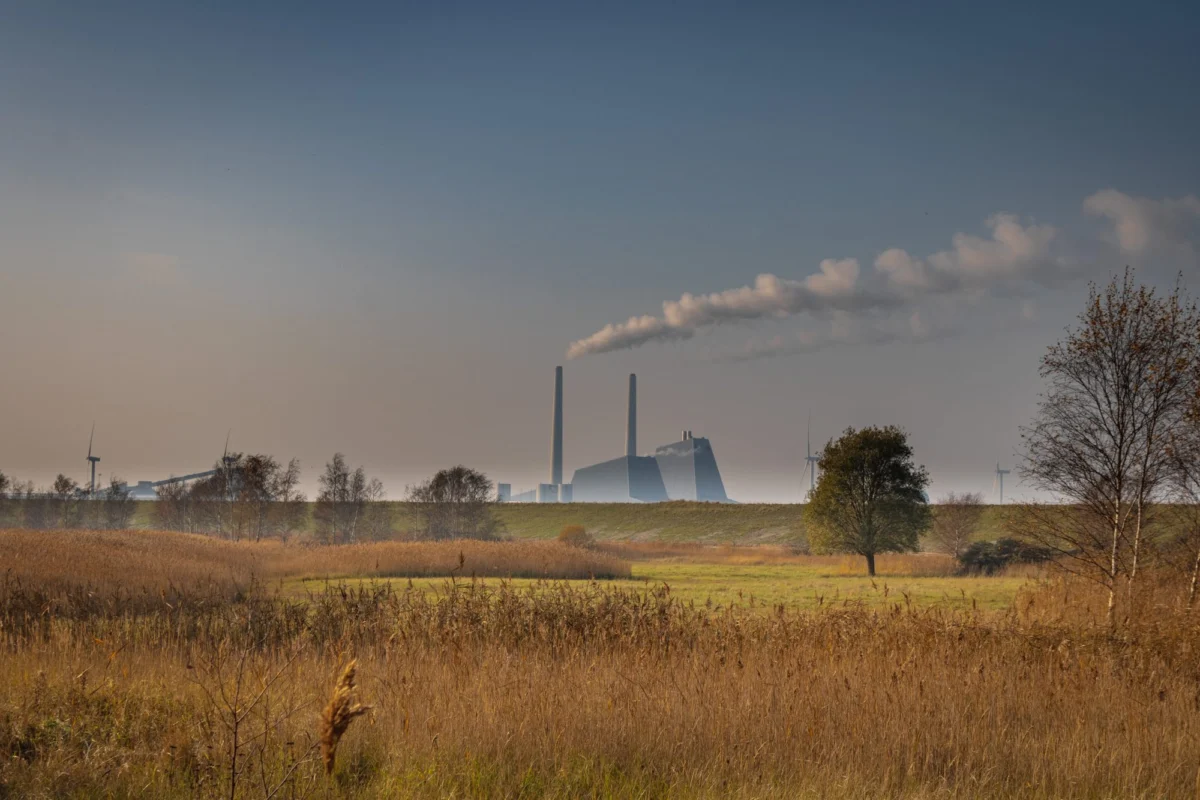
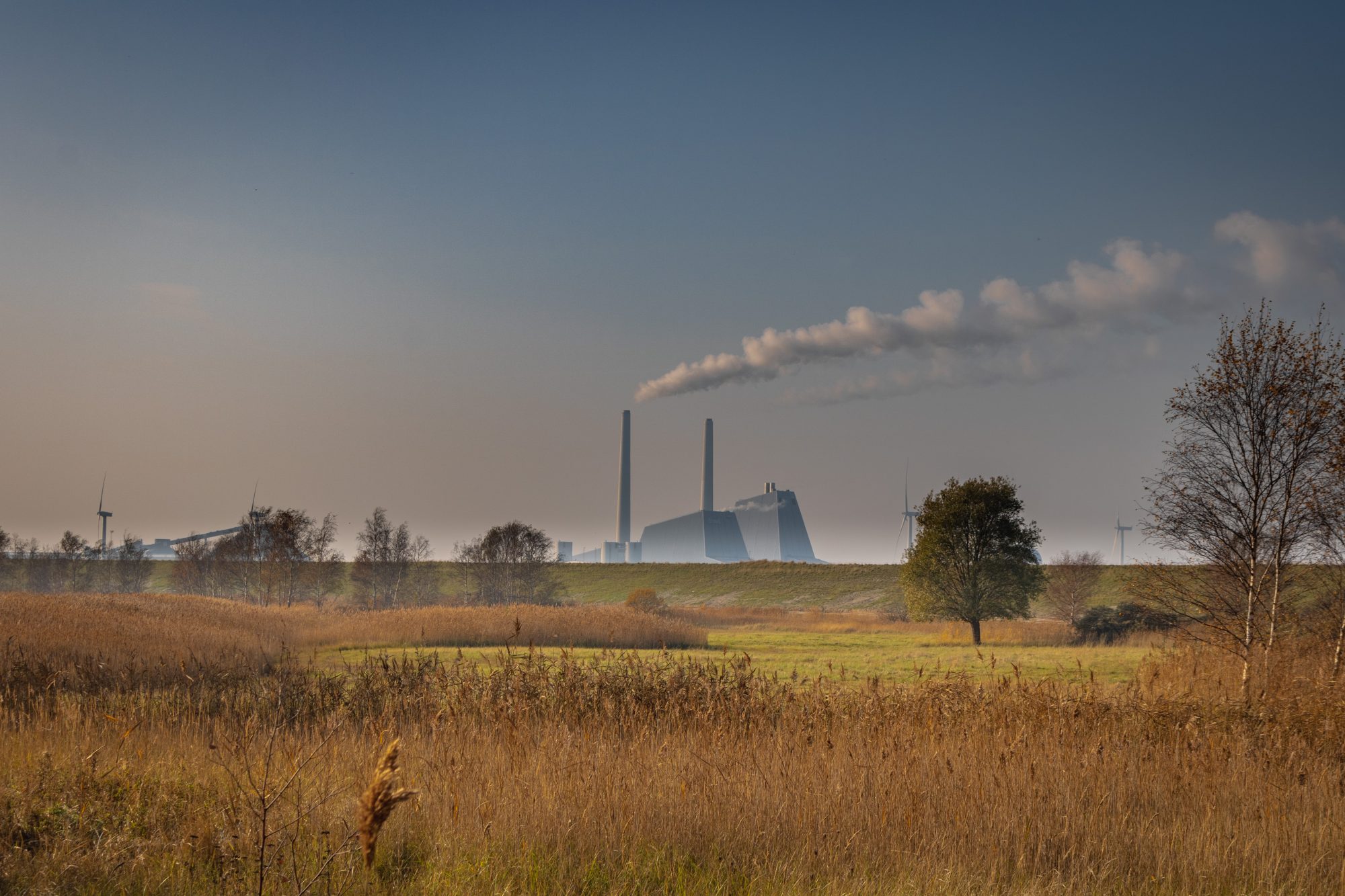
In 2024, Microsoft contracted for 1 million credits from the Avedøre Power Station in Denmark. This project, led by Ørsted, involves capturing CO2 from a plant that burns agricultural residues.
- The Risk: Biomass projects are controversial because they can incentivize the cutting of primary forests for fuel.
- The Safeguard: Microsoft applied strict sustainable sourcing guidelines developed with Carbon Direct. These guidelines ensure that only "true residues"—waste products that would have decomposed and released CO2 anyway—are used, preventing the project from becoming a driver of deforestation.
Official Responses: Transparency as a Corporate Product
Microsoft’s official stance is that they are "learning in public." Unlike many corporations that keep their carbon procurement strategies proprietary, Microsoft has made a concerted effort to publish their "Carbon Removal Lessons Learned" annually.
In their July 2024 update, Microsoft’s Chief Sustainability Officer, Melanie Nakagawa, emphasized that the company is not just a buyer, but an "anchor tenant" for the CDR industry. "We are sending a demand signal to the market that high-quality, scientifically-verified carbon removal is a viable business," Nakagawa stated in the report.
However, the company has also been forced to address the 25% surge in emissions. Microsoft’s official response attributes this to "Scope 3" emissions—specifically the carbon-intensive steel, concrete, and microchips required to build the infrastructure for the generative AI boom. The company maintains that while the mountain to climb has become steeper, their 2030 target remains unchanged. They are betting that the same AI causing the emissions will eventually provide the breakthroughs in material science and energy efficiency needed to solve the problem.
Implications: Can the Market Keep Pace with the Cloud?
The implications of Microsoft’s strategy are profound for the global economy, the tech sector, and the climate itself.
The Creation of a "Quality Premium"
By demanding dynamic baselines and third-party modeling, Microsoft is effectively creating a two-tiered carbon market. There is now the "legacy" market of cheap, unverified offsets, and the "Microsoft-standard" market of high-cost, high-integrity removals. This is forcing developers to adopt more expensive technology (drones, soil sensors, AI modeling) if they want to attract high-value buyers.
The AI Paradox
The central tension remains: can Microsoft remove carbon faster than its AI ambitions add it? The company originally estimated it would need to retire 6 million credits in 2030. Given the 25% jump in emissions, that number is likely to grow significantly. There is a risk that Microsoft’s demand will exceed the total global supply of high-quality removals, leading to a bottleneck that could jeopardize their 2030 goal.
A Blueprint for Other Sectors
Microsoft is providing a playbook for other "hard-to-abate" industries. If a company with the massive logistical and energy footprint of Microsoft can navigate the transition to dynamic baselines and industrial-scale removal, it sets a precedent for airlines, heavy manufacturing, and shipping.
The Moral Hazard
Critics argue that by focusing so heavily on removal, Microsoft may be taking its eye off the ball regarding reduction. While the company is investing in green steel and renewable energy, the sheer scale of their removal purchases suggests a reliance on "mopping up" emissions rather than stopping them at the source.
Conclusion
Microsoft’s journey into the carbon removal market is a high-stakes experiment in corporate responsibility. By purchasing 6 million credits across diverse, technologically advanced projects, the company is single-handedly propping up an industry that the IPCC claims is essential for meeting Paris Agreement goals. However, as the energy demands of the AI era continue to skyrocket, Microsoft finds itself in a race against its own growth. The success of their "Carbon Moonshot" will ultimately depend on whether the removals market can scale as fast as the data centers that necessitate it.
About the Author