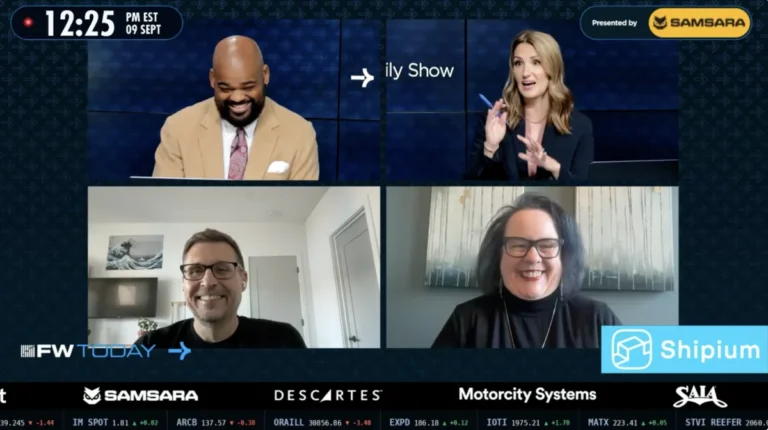
Note: For a deeper dive into the personal narratives featured in this article, listen to 9/11: Memories and Meaning — The Interviews, a special episode of the Wide-format Impressions Broadcast.
It has been a quarter of a century since the morning of September 11, 2001—a day that fractured the timeline of modern history and left an indelible mark on the collective consciousness of the world. While 25 years have passed, the sensory details of that morning remain strikingly vivid for those who witnessed the transition from a tranquil late-summer day to a landscape defined by terror and uncertainty.
This is not merely a retelling of national tragedy; it is an examination of how a specific professional community—the printing and graphic imaging industry—navigated the sudden, existential shifts that followed. Through the recollections of industry veterans Eric Henry, Marci Kinter, and Mark Michelson, we can trace a narrative of resilience, adaptation, and the profound transformation of a trade that, like the nation itself, was forced to evolve or perish in the wake of the attacks.
The Morning of the Collapse: A Chronology of Disruption
On September 11, 2001, the staff at the Specialty Graphic Imaging Association (SGIA) in Fairfax, Virginia, were in the final, frenetic stages of preparing for the 2001 SGIA Expo, scheduled to launch in Anaheim, California, just eight days later. The office atmosphere was one of typical pre-show intensity—emails, logistics, and planning.
The Initial Shock
The first sign of disturbance was not visual, but auditory. Radio broadcasts, usually filled with the jovial banter of morning shows, suddenly shifted in tone. The news was fragmented and surreal: an airplane had struck the World Trade Center. At the time, the internet existed, but it was a discrete, desktop-bound activity rather than the omnipresent, real-time pulse of today.
As the gravity of the situation dawned on the staff, a television was rolled into a common area. The image of the second plane hitting the South Tower provided a horrific, irrefutable clarity: this was not an accident; it was a deliberate, coordinated assault.
The Pentagon Incident
The proximity of the tragedy hit home in a visceral way for Marci Kinter, then VP of Government Affairs at SGIA. She was attending a conference at the Sheraton National Hotel in Arlington, Virginia, less than a mile from the Pentagon.
"We heard a huge bang," Kinter recalls. "We thought someone had dropped an air conditioning unit from the roof. Only to be interrupted two minutes later by the moderator telling us that a plane had gone into the Pentagon."
Kinter’s attempt to alert her colleagues back in Fairfax created a jarring moment of cross-communication. When she called to report the attack on the Pentagon, she was met with disbelief; her coworkers were so consumed by the live feed of the burning Twin Towers in New York that the idea of a third, simultaneous target seemed beyond the realm of possibility.
Supporting Data: The Logistics of a Stalled Industry
While the nation mourned, the logistics of the printing industry ground to a halt. The immediate cessation of all air travel left thousands of industry professionals stranded. In Chicago, the Print ’01 show was in full swing when the attacks occurred.
Mark Michelson, then editor-in-chief of Printing Impressions, remembers the surreal atmosphere of the trade show floor. "They kept the show open," Michelson says. "Exhibitors were putting TVs in their booths, and people were just standing around watching. It became less about the printing and much more about: ‘How do I get home? What’s going to happen next?’"
The fear was palpable. There was a widespread, haunting belief that the morning’s events were only the first strike in a sustained campaign. For those in Chicago, the focus shifted from business-to-business commerce to basic human survival and the desperate search for transportation. Michelson eventually made it home via a long, grueling drive to the East Coast, a journey that highlighted the isolation caused by the grounded flight infrastructure.

Official Responses and Organizational Crisis
The fallout for the SGIA was immediate and existential. With the national mood in turmoil and the country in crisis mode, the logistics of hosting a massive expo in Anaheim became untenable.
The Decision to Cancel
On September 18, the SGIA Board of Directors made the painful, necessary decision to cancel the 2001 Expo. The financial consequences were profound. The association lacked event cancellation insurance, and the sudden loss of the industry’s largest revenue source threatened to bankrupt the organization entirely.
The industry’s response, however, was a testament to communal loyalty. Instead of demanding refunds, many exhibitors opted to roll their booth fees over to the 2002 event or donate the funds to help the association survive. This spirit of cooperation was the bedrock upon which the modern printing industry’s recovery was built.
The Loss of Leadership
The trauma of the season was compounded by the sudden death of John M. Crawford, the SGIA’s long-time leader, on November 18, 2001. While health issues were a factor, those who knew him believed the stress of 9/11 and the collapse of the Expo took a heavy toll on his spirit. His passing marked the end of an era and forced the organization to pivot toward new leadership, eventually settling on Michael Robertson to guide the association through the turbulent years ahead.
Implications: A Catalyst for Digital Transformation
The long-term implications of 9/11 on the printing industry were paradoxically transformative. The cancellation of the 2001 event, followed by the cancellation of the 2005 Expo due to the devastation of Hurricane Katrina in New Orleans, forced the association to innovate.
The Rise of Digital Wide-Format
The 2005 "Digital Expo," planned and executed in just 11 days, served as a turning point. It provided proof that digital wide-format technology—which many had dismissed as a novelty or a threat to traditional screen printing—was the future. The success of this event effectively de-siloed the industry.
From SGIA to PRINTING United
By the time the association merged with the Printing Industries of America to form the PRINTING United Alliance in 2019, the lessons of 2001 had been fully integrated into the organizational DNA. The industry had moved from being a fragmented collection of niche technologies to a cohesive, digital-first force. The annual PRINTING United Expo now serves as a singular nexus for the entire industry, representing a level of unity that was unimaginable in the pre-9/11 era.
Reflections on the Long Shadow of 9/11
Looking back from 2026, the physical scars of that day have largely been addressed. The Freedom Tower stands in New York, and the Pentagon has been restored. However, the emotional and professional legacy of September 11 remains a defining chapter for those who lived through it.
For the author, the experience transformed a "job" into a "career," replacing professional indifference with a deep sense of purpose. The act of returning to work on September 12, 2001, and navigating the subsequent years of struggle, created a shared identity among staff members that has persisted for two and a half decades.
The generation coming of age today views 9/11 as a historical event—significant, yet removed. For them, the defining disruption has been the COVID-19 pandemic, another global event that forced a total reimagining of how we work and connect. Yet, the lessons remain the same: in times of tragedy, uncertainty, and fear, the human impulse to unite is our most powerful tool for recovery.
As we look toward the next quarter-century, the details of the day may fade, but the feeling—the memory of the empty skies over Arlington, the silence in Georgetown, and the desperate, necessary resilience of a community finding its footing in a broken world—will remain a permanent part of our professional and personal heritage.
Do you have memories of the printing industry during the autumn of 2001? We invite you to share your experiences and thoughts in the comments section below.
About the Author