As the calendar turns to mid-September, the freight industry observes National Truck Driver Appreciation Week (NTDAW)—a period traditionally dedicated to honoring the 3.5 million professional drivers who serve as the backbone of the North American economy. This year, however, the festivities occur against a backdrop of profound transition. From the boardrooms of global logistics firms to the cabs of independent owner-operators, the sentiment is one of cautious resilience rather than simple celebration.
Following three years of a grueling freight recession defined by plummeting cargo rates, the trucking sector is witnessing the first stirrings of a financial recovery. Yet, industry analysts are quick to warn that this recovery is not necessarily a sign of a booming economy, but rather a byproduct of a significantly diminished workforce. As the industry grapples with new regulatory frameworks, geopolitical pressures, and labor disputes, the 2026 observance of NTDAW serves as a critical junction for assessing the future of the American and Canadian trucking landscapes.
The Economic Paradox: Recovery Without Growth
For many fleets, the persistent "freight winter" that dominated the industry from 2023 through early 2026 has begun to thaw. Recent data suggests that cargo rates are finally trending upward, offering a long-awaited lifeline to carriers that have struggled to remain solvent. However, this statistical recovery masks a more complex reality: the market is tightening not because demand has surged, but because the supply of available drivers has been systematically reduced.
The Impact of Regulatory Shifts
The contraction of the driver pool is, in part, a deliberate result of recent federal policy initiatives. The White House has enacted several measures aimed at standardizing professional qualifications, which have effectively filtered out a significant portion of the workforce. Stricter enforcement regarding English language proficiency has forced many long-term operators out of the industry. Furthermore, the federal ban on issuing Commercial Driver’s Licenses (CDLs) to "non-domiciled" applicants—those unable to prove residency within the state of application—has created a barrier to entry that many smaller, immigrant-led logistics operations are struggling to navigate.
While these measures are framed by proponents as necessary steps toward safety and standardization, critics argue they have exacerbated the "driver shortage" narrative, turning a manageable labor issue into a systemic crisis that restricts the industry’s ability to scale during periods of high demand.
Official Perspectives: The FMCSA and the Administration
In response to the current climate, the Federal Motor Carrier Safety Administration (FMCSA) has utilized NTDAW as a platform to reaffirm its commitment to the labor force. In a recent press release, the agency emphasized that the Trump Administration views the professional truck driver as an essential pillar of national security and economic stability.
"The Trump Administration stands with the hardworking truck drivers of this country," the FMCSA stated. "The Administration is proudly committed to taking steps to improve life on the road, reduce barriers, and enhance safety through a package of pro-trucker initiatives, pilot programs, and regulatory updates."
These initiatives are aimed at addressing the "quality of life" metrics that have long plagued the industry—including truck parking shortages, improved driver training programs, and the integration of advanced safety technology. However, the efficacy of these programs remains a subject of intense debate, as many drivers report that the reality of their daily operations remains largely untouched by high-level policy announcements.
Corporate Responses: Celebrating Resilience
While the federal government offers rhetoric, large-scale logistics providers are focusing on tangible engagement. C.H. Robinson, one of the nation’s largest freight brokers, has launched a comprehensive series of events to mark NTDAW, focusing on the theme of resilience.
Michael Castagnetto, president of North American Surface Transportation at C.H. Robinson, highlighted the extraordinary pressures facing the modern driver. "The resilience of our carrier community never ceases to impress me," Castagnetto remarked. "The past year has brought no shortage of challenges, from ongoing market pressure and regulatory uncertainty to broader economic and geopolitical headwinds. Through it all, these carriers continued to show up for customers, support their drivers, and keep freight moving."
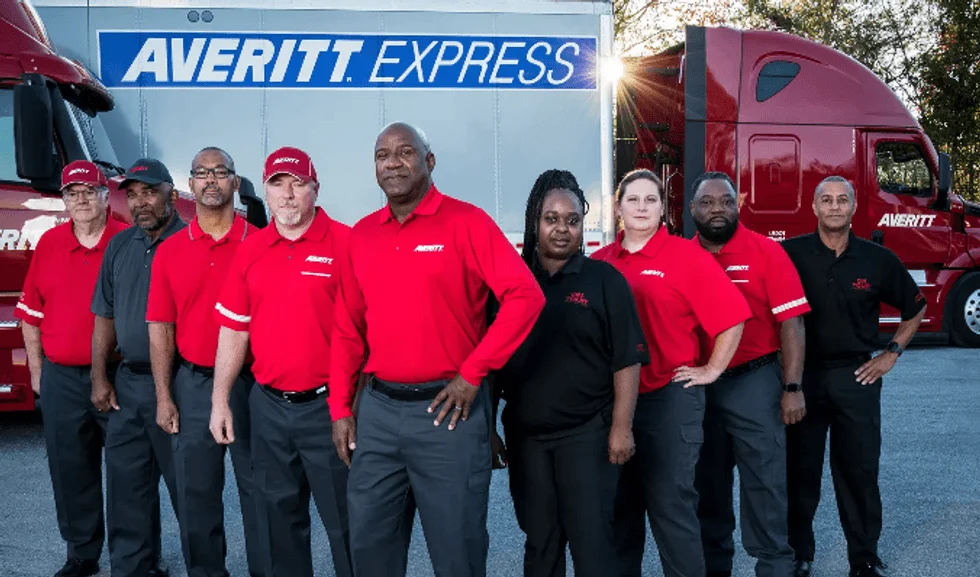
Other industry giants, such as Tennessee-based Averitt Express, are taking a more direct approach to morale. Their NTDAW celebrations feature a mix of traditional appreciation events—such as cookouts and food truck visits—alongside significant investments in equipment. By offering companywide drawings for high-end electronics and, most notably, providing a brand-new truck to a lucky driver every day of the week, firms like Averitt are attempting to combat the high turnover rates that currently define the sector.
The Dissenting Voice: Labor Protest and Wage Theft
Not all sectors of the industry are participating in the celebration. In Toronto, the advocacy group Justice for Truck Drivers organized a public demonstration that starkly contrasted with the celebratory tone of industry giants. The protest was aimed at the Canadian government’s recent legislative efforts, which the group claims are fundamentally misaligned with the needs of the working driver.
The Wage Theft Crisis
The central issue for Justice for Truck Drivers is what they describe as "rampant wage theft." According to the group, new measures intended to enforce labor laws have, in practice, penalized the drivers they were meant to protect. "The current policies are misfiring," a spokesperson for the group noted. "They are targeting and harming truck drivers—who are already the most vulnerable members of the supply chain—while letting the employers who violate labor codes off the hook."
The statistics provided by the group are alarming: while truck drivers represent only 17% of Canada’s federally regulated workforce, they account for a disproportionate 85% of all confirmed Canada Labour Code violations filed against employers. This data suggests a systemic failure in the enforcement of labor rights, turning NTDAW into a week of political action rather than professional recognition for a large segment of the North American workforce.
Looking Ahead: The Future of the Freight Sector
As NTDAW 2026 draws to a close, the freight industry finds itself at a crossroads. The convergence of a "tenuous" rate recovery, a shrinking labor pool, and increasing regulatory complexity creates an environment where only the most adaptable carriers will survive.
Key Implications for the Coming Year:
- Technological Integration: As the driver shortage persists, the industry will likely double down on automation and driver-assist technologies, which may further complicate the relationship between regulators and labor.
- Regulatory Scrutiny: With the FMCSA emphasizing "pro-trucker initiatives," the industry should expect continued oversight on safety standards, though the challenge will be balancing these standards with the need to keep the supply chain fluid.
- Labor Relations: The protests in Canada underscore a growing trend of organized labor activism within a traditionally fragmented workforce. If wage theft and labor violations are not addressed at the federal level, the industry may see a rise in strikes and work stoppages that could threaten the stability of the freight market.
Conclusion
National Truck Driver Appreciation Week is more than just a series of company cookouts or government press releases. It is a mirror held up to the industry—a reflection of the immense economic value of the trucking sector and the deep-seated challenges that threaten its sustainability. As we move forward, the focus must shift from merely "appreciating" the drivers to structurally addressing the inequities that make their work increasingly difficult. Whether through meaningful wage reform, more equitable enforcement of labor laws, or better infrastructure for those who live on the road, the industry must ensure that the "appreciation" is more than just a seasonal sentiment.
The road ahead is long, and as the past three years have demonstrated, the freight sector is never more than a few legislative changes or economic shifts away from a complete transformation. For the 3.5 million professionals keeping the engine of the economy running, the most important "appreciation" will come in the form of a more stable, fair, and sustainable future for the profession they occupy.
About the Author