In the realm of high-end interior architecture, the bathroom has historically been a space defined by utilitarian necessity. However, a new paradigm is emerging—one where the intrusive silhouettes of traditional plumbing fixtures are being subsumed by sleek, monolithic design. At the forefront of this movement is the "Abaco" system, a groundbreaking bathroom concept by the Italian luxury manufacturer CEA Design. By prioritizing material integrity, modularity, and an almost sculptural aesthetic, CEA has transformed the most private room in the home into a sanctuary of minimalist restraint.
The Main Facts: An Unseen Utility
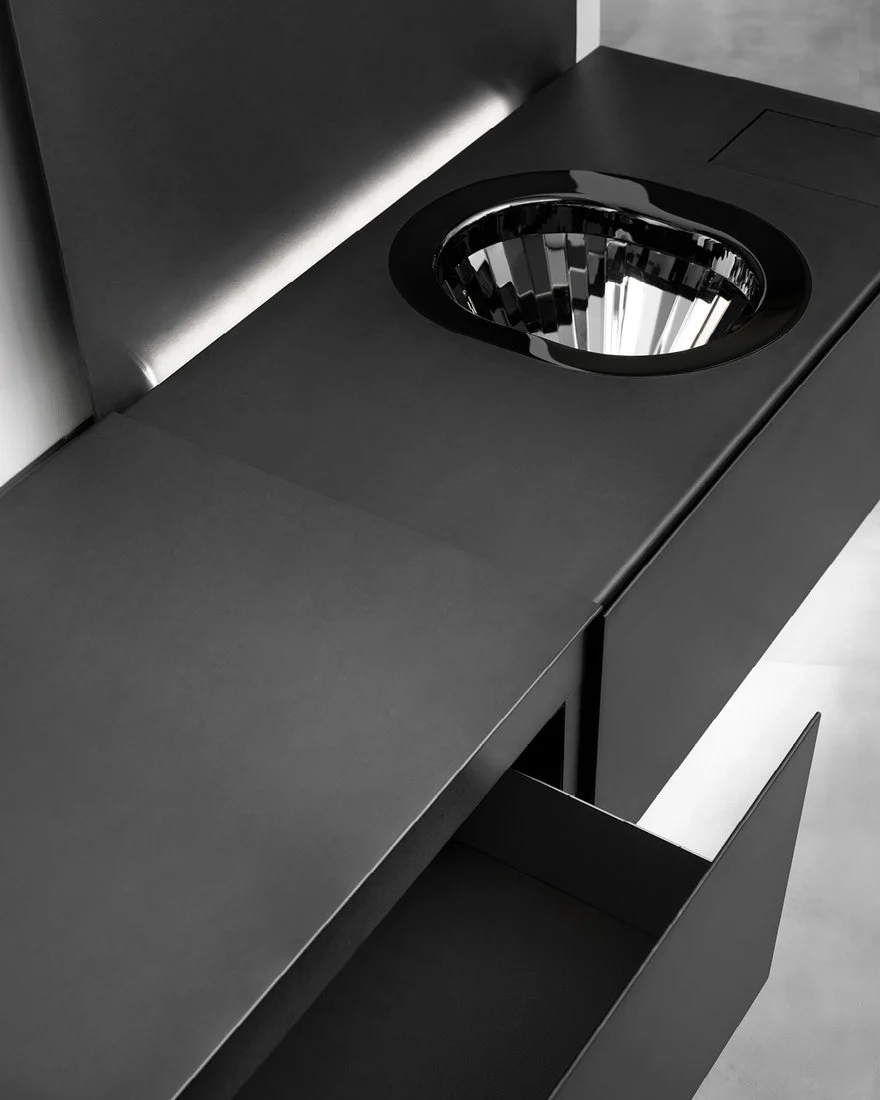
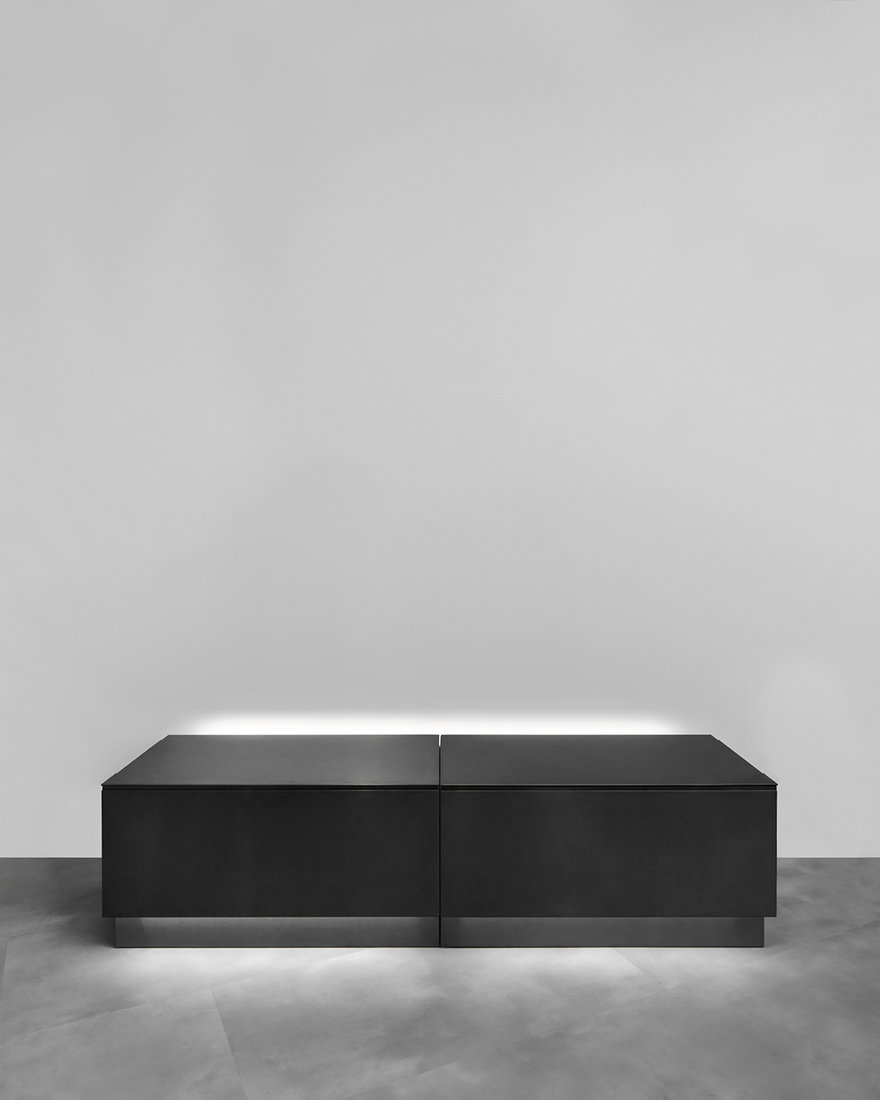
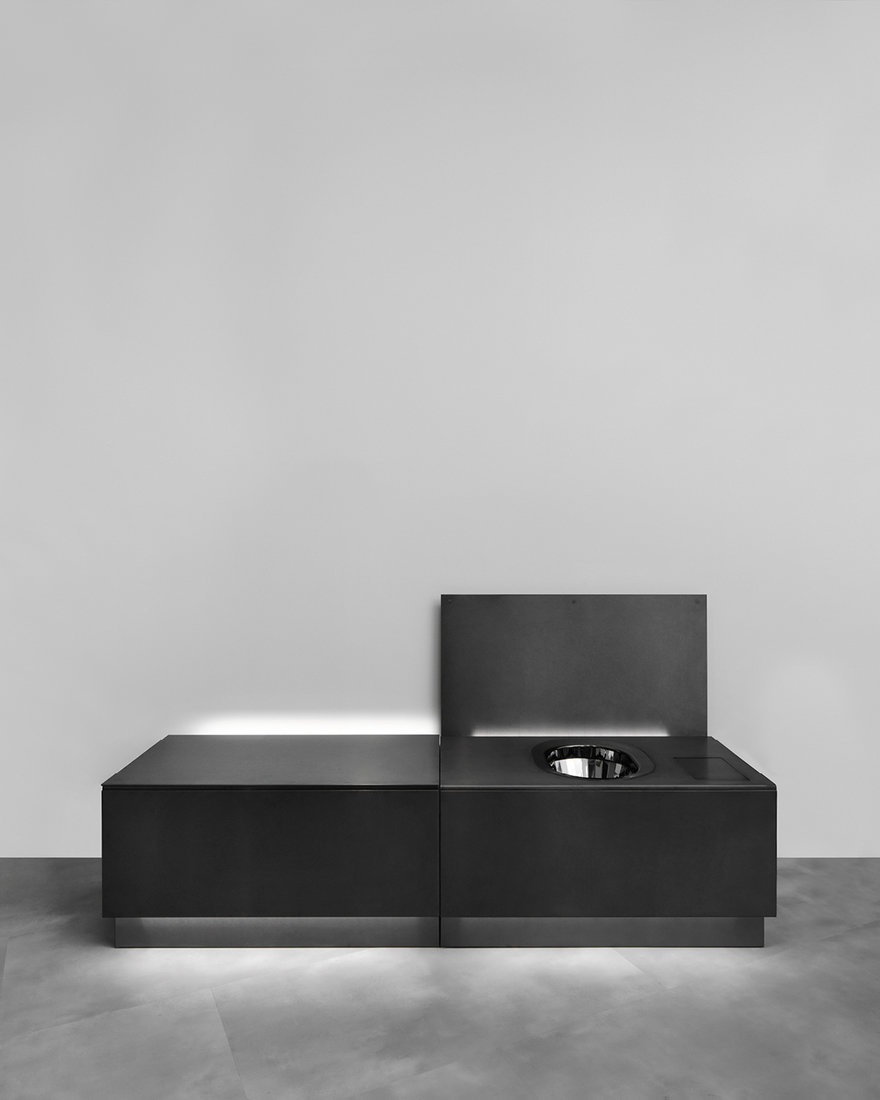
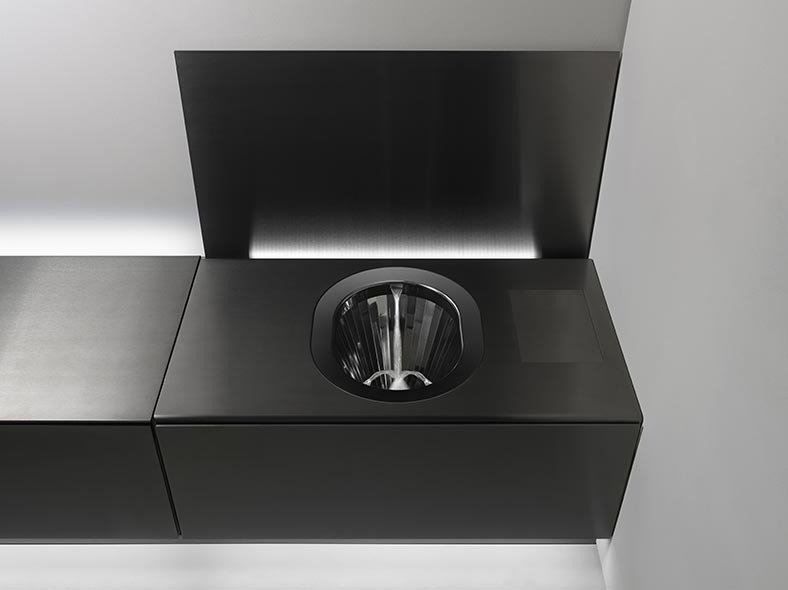
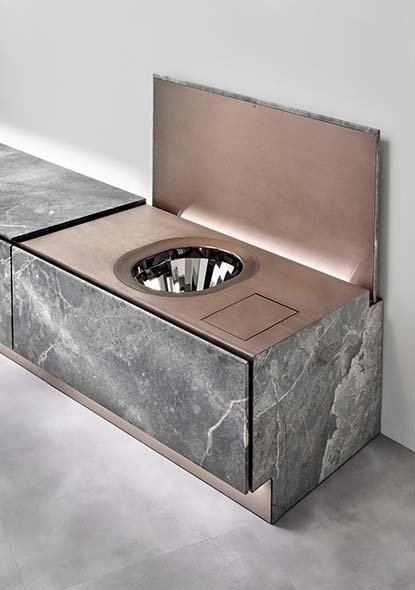
The Abaco system represents a departure from standard ceramic sanitary ware. At its core, the system is designed to vanish. When not in active use, the Abaco toilet loses its recognizable profile, appearing instead as a seamless, high-quality architectural element that integrates fluidly with its environment.
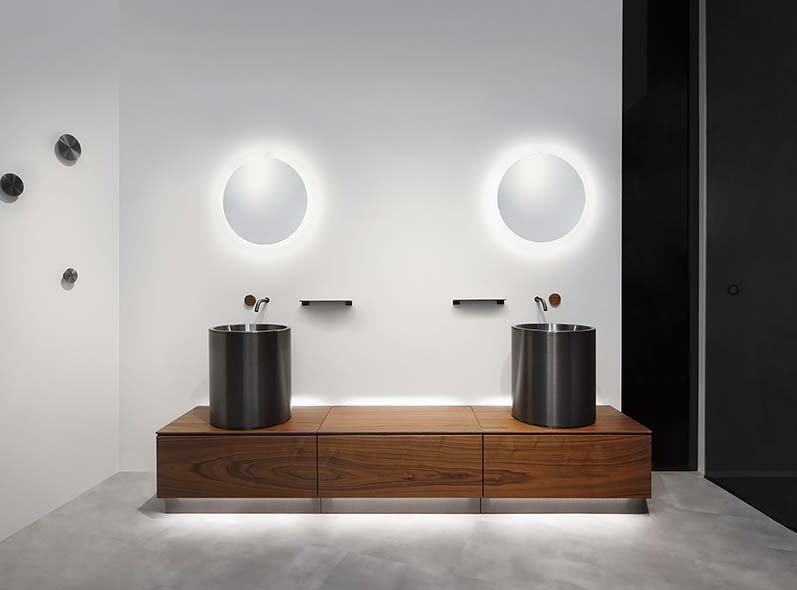
Constructed primarily from medical-grade stainless steel, the system speaks to the durability and hygienic standards for which Italian industrial design is globally renowned. However, the true innovation lies in its adaptability. CEA Design has engineered Abaco as a platform that transcends the cold, industrial aesthetic often associated with stainless steel. Through a sophisticated system of external cladding, the unit can be customized with premium finishes, including rich, natural woods or cool, veined marble, allowing the fixture to mirror the surrounding wall treatments and flooring.
Beyond its transformative exterior, the Abaco is a marvel of modern comfort. It features an integrated heated seating surface—a luxury touch that addresses the inherent chill of stone or metal fixtures—and a sophisticated built-in bidet system. This convergence of high-tech functionality and high-art presentation positions Abaco not merely as a toilet, but as an essential component of the "smart" luxury home.
A Chronology of Innovation: From Industrial Roots to Domestic Art
The journey of the Abaco system is reflective of CEA Design’s broader history as a leader in the stainless steel sector. Founded with a focus on precision engineering, the company spent decades perfecting the manipulation of steel for industrial and public-facing applications before turning its attention to the residential bathroom.
The development of Abaco did not happen in a vacuum. It was the result of a multi-year research and development phase that began with the realization that the "bathroom fixture" had reached a plateau in terms of aesthetic innovation. While other manufacturers focused on refining the shape of the bowl, CEA looked toward the concept of "disappearance."
- Phase One: Material Research: CEA’s initial prototypes focused on the structural integrity of AISI 316L stainless steel. This material was chosen for its corrosion resistance and sustainability, as it is infinitely recyclable.
- Phase Two: The Integration Challenge: Engineers faced the hurdle of concealing the mechanical flushing and bidet mechanisms within a low-profile frame. This necessitated a departure from traditional gravity-flush systems toward more compact, pressurized internal frameworks.
- Phase Three: The Aesthetic Overlay: In the penultimate stage, designers introduced the concept of modular cladding. The realization that marble and wood could be applied to the stainless chassis transformed the project from a mechanical solution into a customizable design system.
- Phase Four: Market Integration: Following successful testing, the product was unveiled at international design expos, where it was praised by interior architects for its ability to hide the "ugly" realities of plumbing behind a veil of high-end materiality.
Supporting Data: Why Stainless Steel and Modular Design Matter
The shift toward materials like stainless steel in residential bathroom design is not merely a trend; it is rooted in technical performance. Stainless steel is non-porous, meaning it does not harbor bacteria in the way traditional ceramic can over time. It is also exceptionally resistant to the harsh chemical cleaners often used in bathrooms.
Furthermore, the environmental impact of bathroom fixtures is a growing concern. CEA Design’s focus on longevity aligns with the "cradle-to-cradle" manufacturing philosophy. By creating a product that is designed to last decades rather than years, and by utilizing materials that can be reclaimed, the company is positioning itself at the leading edge of sustainable luxury.
Regarding user experience, the data on heated surfaces and integrated bidets indicates a shift toward "wellness-centric" bathroom design. According to recent industry reports, the market for "smart" bathroom fixtures has seen a compound annual growth rate (CAGR) of over 7% as consumers increasingly view the bathroom as an extension of their personal health routine. The Abaco system, by automating comfort through heating and hygiene through the integrated bidet, taps directly into this consumer desire for a more clinical yet luxurious domestic experience.
Official Responses and Professional Reception
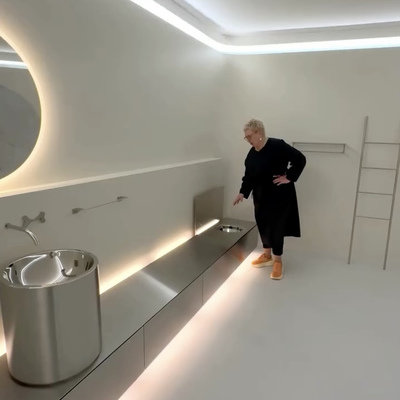
The design community has responded with enthusiasm, particularly regarding the system’s "chameleon" nature. Professional installers, such as those at the Ukrainian design firm Concept Hall, have highlighted the importance of the Abaco system in high-end renovation projects. In their recent demonstrations, installers emphasized that the installation process—while requiring a higher degree of precision than a standard toilet—is well worth the effort due to the "visual silence" it provides in a master bath suite.
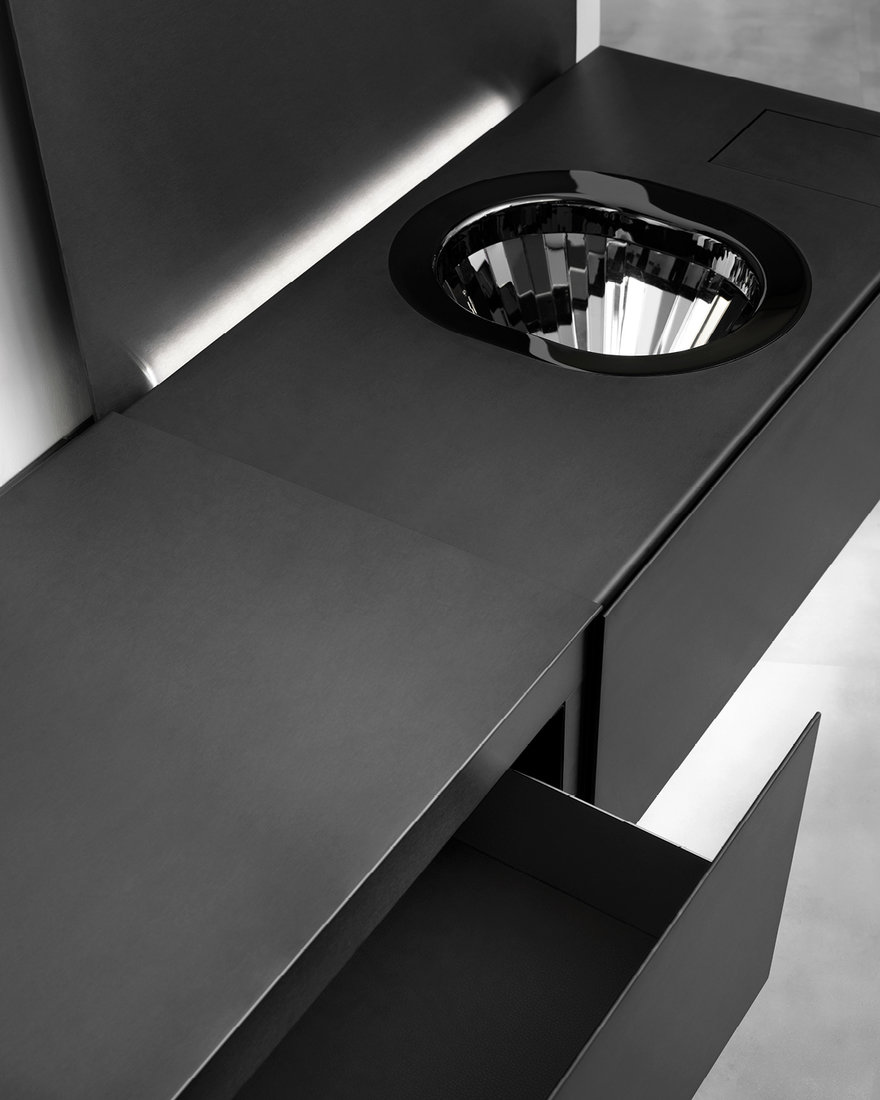
Architects have noted that the Abaco system solves the age-old problem of the "focal point." In many luxury bathrooms, the toilet is an eyesore that breaks the lines of the room. By allowing the fixture to match the walls or cabinetry, architects can now create continuous, uninterrupted planes, which are the hallmark of modern luxury interior design.
The Implications: The Future of the "Invisible" Bathroom
The implications of the Abaco system extend far beyond its immediate function. We are witnessing the end of the era of the "obvious" bathroom. As smart technology continues to evolve, the goal of the high-end designer is to embed tech so deeply into the fabric of the home that it becomes invisible.
1. The Death of the "White Porcelain" Aesthetic
For a century, the bathroom has been synonymous with white porcelain. Abaco challenges this by proving that a bathroom fixture can—and perhaps should—be an extension of the room’s color palette and texture. We expect to see a move toward "stealth bathrooms" where the bathtub, vanity, and toilet are all disguised behind millwork or stone cladding.
2. Wellness as a Standard
The inclusion of heated seats and integrated bidets in a high-end system like Abaco suggests that these features are moving from "luxury options" to "baseline requirements." As the global population ages and wellness becomes a central pillar of home design, the demand for ergonomic, temperature-controlled, and self-cleaning fixtures will only accelerate.
3. The Modular Luxury Market
Finally, Abaco highlights a growing trend in modularity. Luxury consumers are increasingly interested in products that can be customized to fit their specific aesthetic needs without sacrificing the quality of the base components. By separating the "chassis" (the plumbing and frame) from the "skin" (the marble or wood), CEA Design has created a blueprint for future appliance manufacturing.
Conclusion
The Abaco bathroom system by CEA Design is more than a piece of hardware; it is a profound statement on the nature of modern living. In a world characterized by visual clutter and sensory overload, the ability to retreat into a space where utility is hidden behind elegance is a significant luxury. By merging the industrial precision of stainless steel with the organic beauty of wood and marble, CEA has provided a vision of the future where our most private spaces are also our most refined. As we look toward the next generation of home design, it is clear that the best technology is the kind you don’t even know is there.
About the Author